
















Copyright: ©Author(s) 2026.
World J Diabetes. Apr 15, 2026; 17(4): 116772
Published online Apr 15, 2026. doi: 10.4239/wjd.v17.i4.116772
Published online Apr 15, 2026. doi: 10.4239/wjd.v17.i4.116772
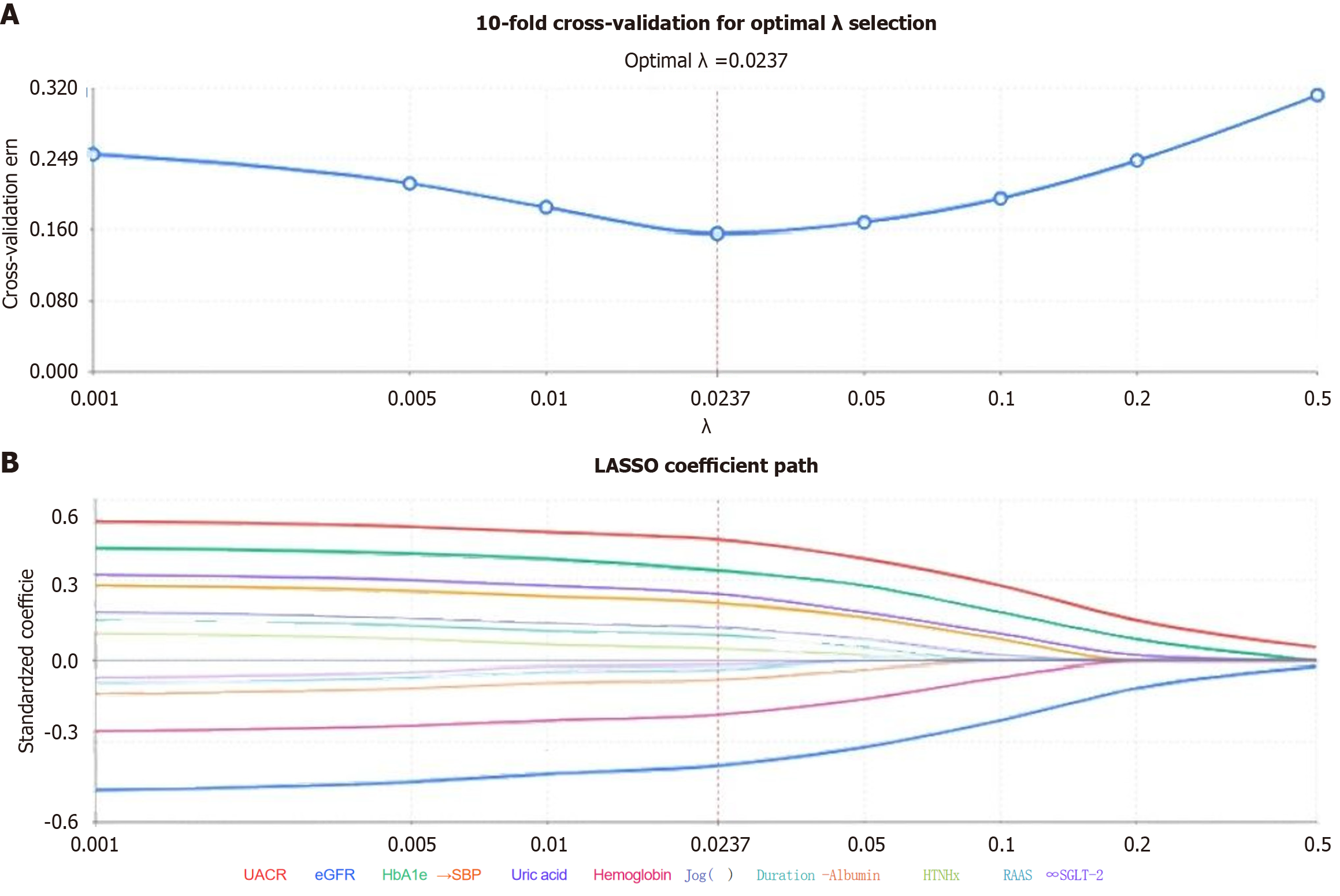
Figure 1 Least absolute shrinkage and selection operator regression analysis for variable selection.
All variance inflation factor values were < 3.5, indicating no serious multicollinearity among the selected variables. A: Least absolute shrinkage and selection operator coefficient profiles of the 18 candidate variables plotted against the log(λ) sequence. The optimal λ value of 0.0237 was determined by 10-fold cross-validation, resulting in 12 variables with non-zero coefficients; B: Coefficients of the 12 selected variables at optimal λ. The top three predictors were urine albumin-to-creatinine ratio (0.452), baseline estimated glomerular filtration rate (-0.389), and hemoglobin A1c (0.336).
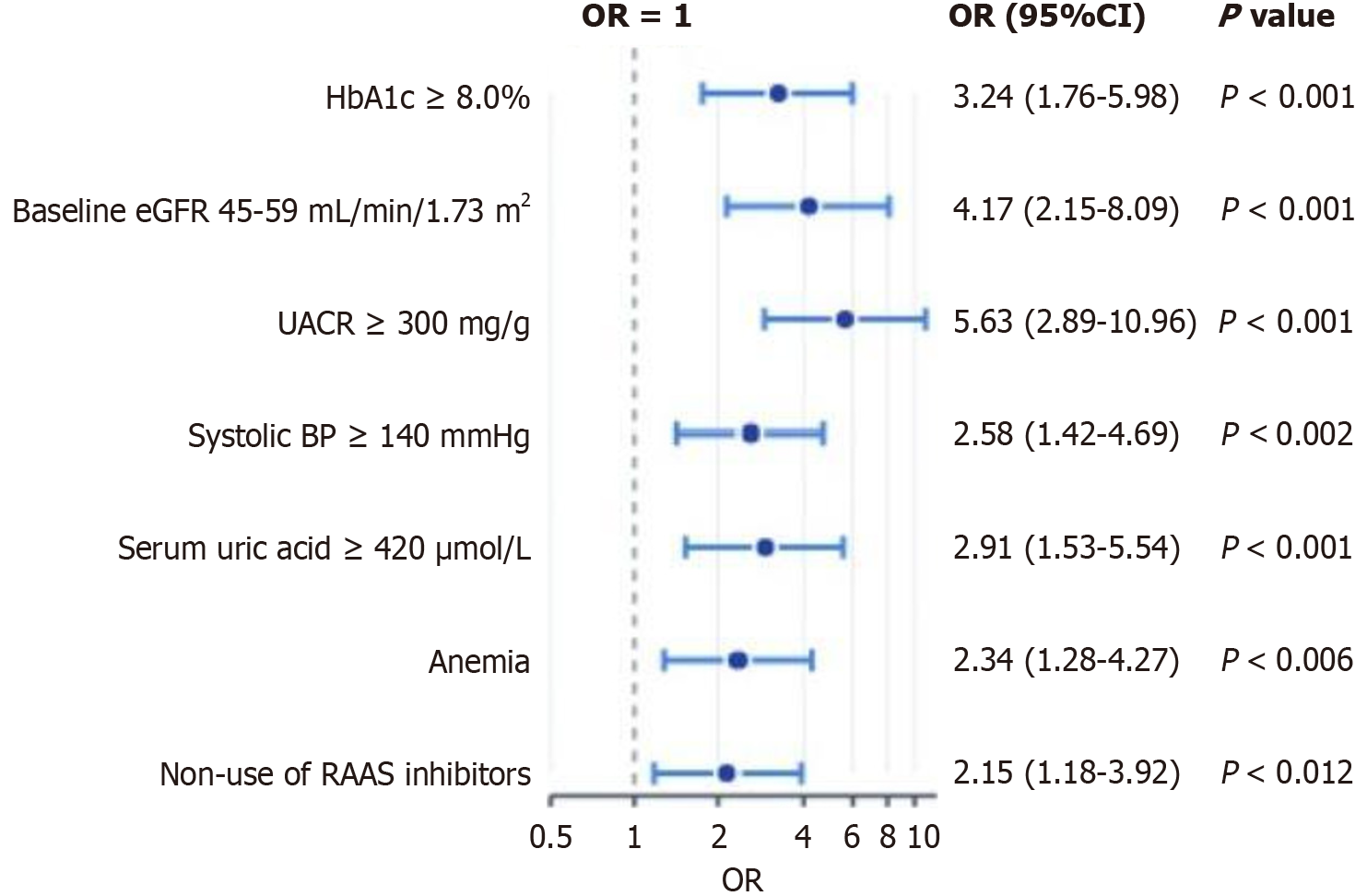
Figure 2 Forest plot of independent risk factors for diabetic kidney disease progression.
All factors demonstrated statistical significance (P < 0.05). Multivariate logistic regression analysis identified seven independent risk factors. Urinary albumin-to-creatinine ratio ≥ 300 mg/g showed the strongest association [odds ratio (OR) = 5.63, 95% confidence interval (CI): 2.89-10.96], followed by baseline estimated glomerular filtration rate 45-59 mL/minute/1.73 m2 (OR = 4.17, 95%CI: 2.15-8.09) and hemoglobin A1c ≥ 8.0% (OR = 3.24, 95%CI: 1.76-5.98). Other significant factors included serum uric acid ≥ 420 μmol/L (OR = 2.91), systolic blood pressure ≥ 140 mmHg (OR = 2.58), anemia (OR = 2.34), and non-use of renin-angiotensin-aldosterone system inhibitors (OR = 2.15). The vertical dashed line represents OR = 1.0. OR: Odds ratio; CI: Confidence interval; eGFR: Estimated glomerular filtration rate; UACR: Urinary albumin-to-creatinine ratio; RAAS: Renin-angiotensin-aldosterone system.
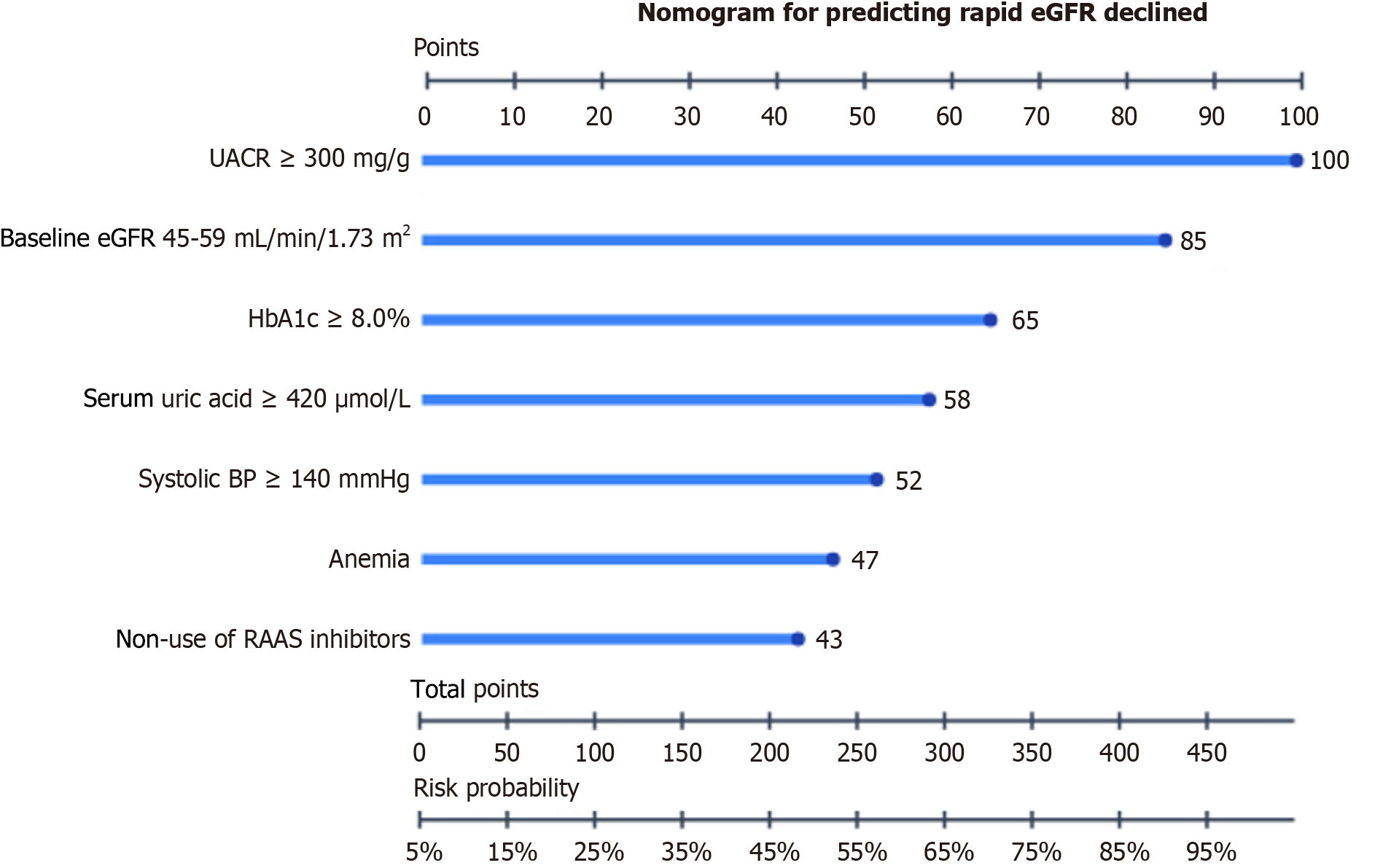
Figure 3 Nomogram model and performance evaluation for predicting rapid estimated glomerular filtration rate decline.
Nomogram: A prediction model based on 7 independent risk factors. Each factor contributes points according to its regression coefficient (urinary albumin-to-creatinine ratio ≥ 300 mg/g: 100 points; baseline estimated glomerular filtration rate 45-59 mL/minute/1.73 m2: 85 points; hemoglobin A1c ≥ 8.0%: 65 points; serum uric acid ≥ 420 μmol/L: 58 points; systolic blood pressure ≥ 140 mmHg: 52 points; anemia: 47 points; non-use of renin-angiotensin-aldosterone system inhibitors: 43 points). Total points (0-450) correspond to predicted risk probabilities (5%-95%). eGFR: Estimated glomerular filtration rate; UACR: Urinary albumin-to-creatinine ratio; BP: Blood pressure; RAAS: Renin-angiotensin-aldosterone system.
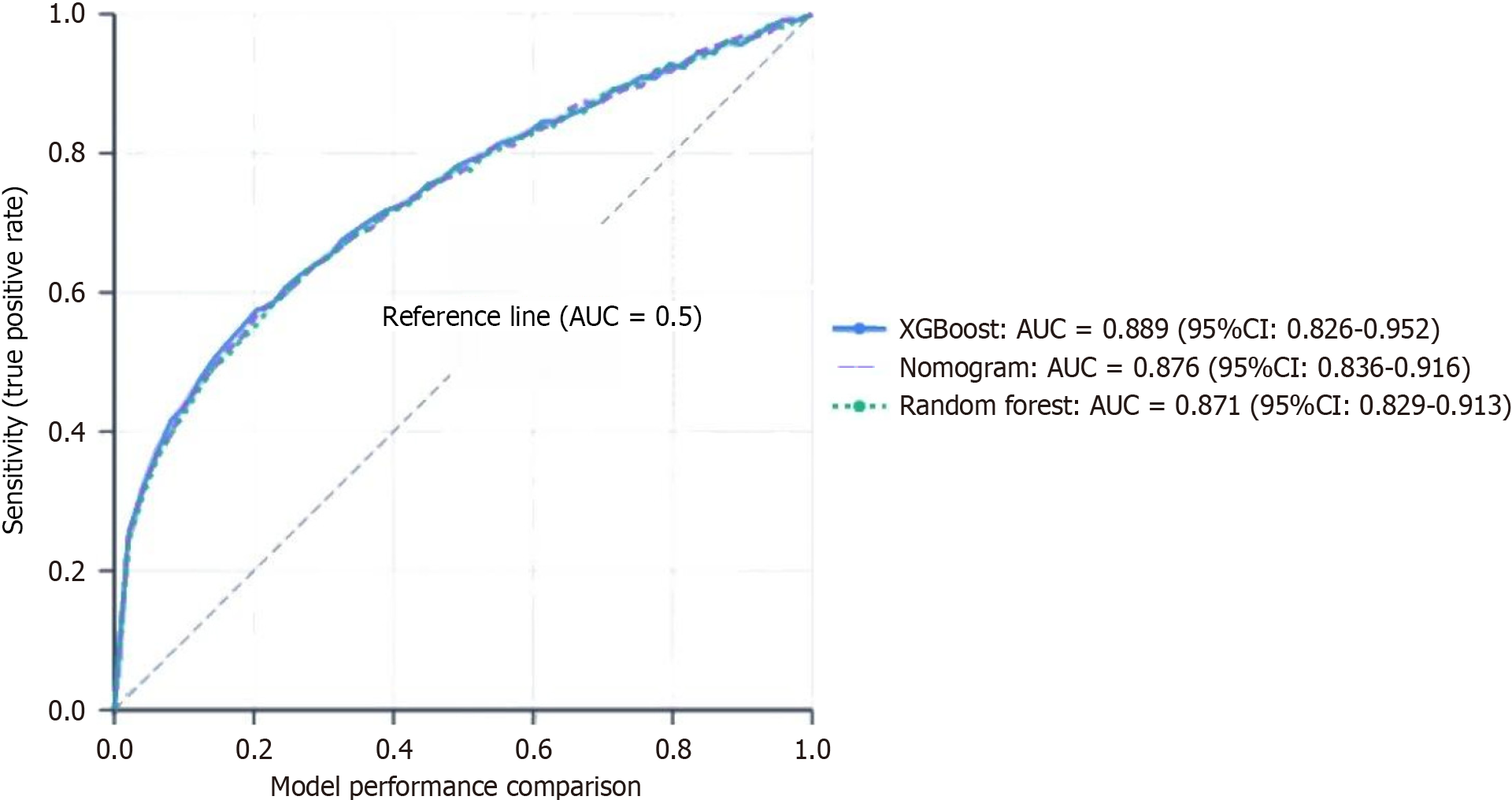
Figure 4 Receiver operating characteristic curve comparison of three prediction models.
Receiver operating characteristic curves comparing eXtreme Gradient Boosting [blue solid line, area under the curve (AUC) = 0.889, 95% confidence interval (CI): 0.826-0.952], Nomogram (purple dashed line, AUC = 0.876, 95%CI: 0.836-0.916), and Random Forest (green dotted line, AUC = 0.871, 95%CI: 0.829-0.913). eXtreme Gradient Boosting demonstrated the highest discrimination ability, though DeLong test showed no significant difference among the three models (P = 0.285). The diagonal reference line represents random classification (AUC = 0.5). XGBoost: EXtreme Gradient Boosting; AUC: Area under the curve.
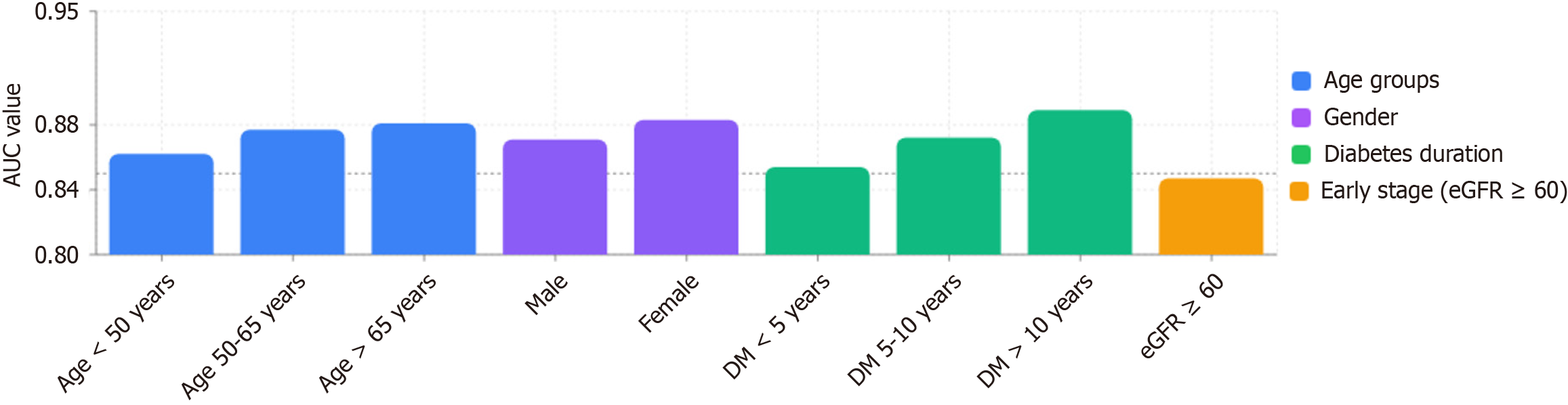
Figure 5 Subgroup analysis of the Nomogram model performance across different patient populations.
The bar chart demonstrates the area under the curve (AUC) values with 95% confidence intervals for nine distinct subgroups. Age groups (blue bars, n = 3) showed AUC values ranging from 0.862-0.881; gender subgroups (purple bars, n = 2) displayed AUC values of 0.871-0.883; diabetes duration categories (green bars, n = 3) exhibited AUC values of 0.854-0.889; and the early-stage subgroup with baseline estimated glomerular filtration rate ≥ 60 mL/minute/1.73 m2 (orange bar) achieved an AUC of 0.847. The horizontal dashed line indicates the reference threshold of 0.85. No significant differences were observed among subgroups (all P > 0.4), confirming stable model performance across diverse patient characteristics. Notably, the model maintained good discriminative ability even in early-stage patients, demonstrating potential for ultra-early intervention strategies. AUC: Area under the curve; eGFR: Estimated glomerular filtration rate; DM: Diabetes mellitus.
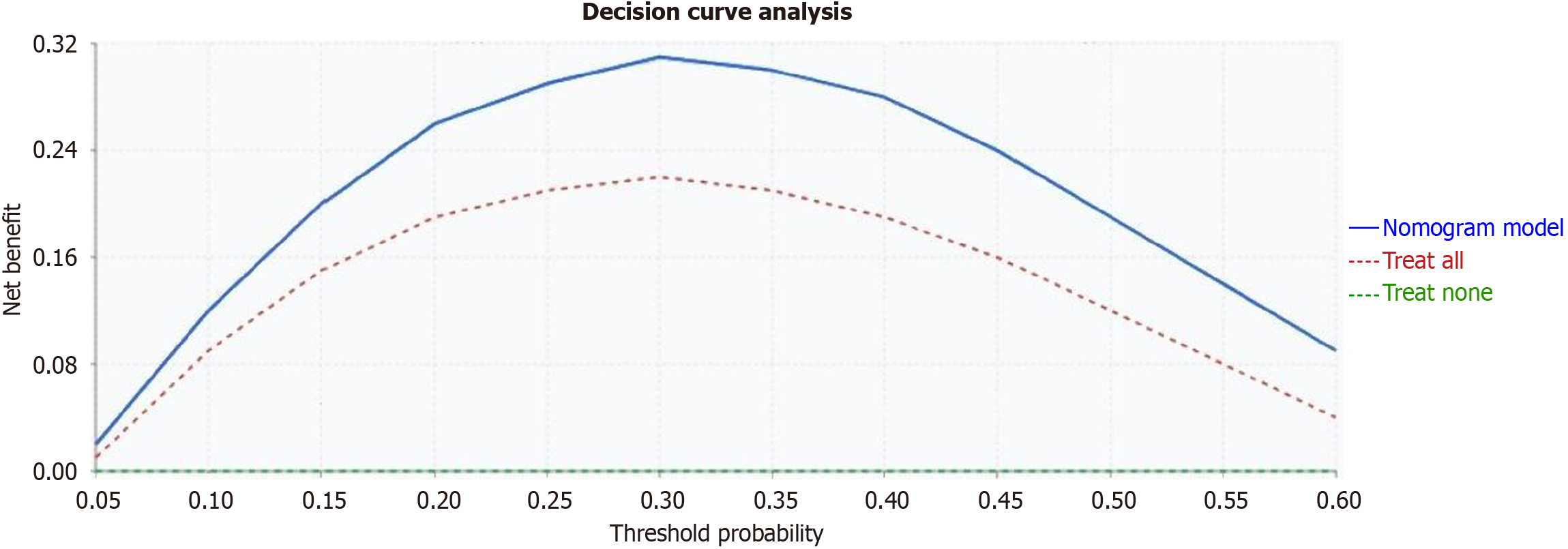
Figure 6 Decision curve analysis for POCD prediction model.
The nomogram model (blue solid line) provides superior net benefit across threshold probabilities of 5%-60%, with maximum clinical utility at 20%-40%, compared to treat-all (red dashed line) and treat-none strategies.
- Citation: Huang P, Qin XQ, Huang Q, Wang SD, Wu YY, Huang XR, Lin X. Prediction model for rapid estimated glomerular filtration rate decline in type 2 diabetes mellitus. World J Diabetes 2026; 17(4): 116772
- URL: https://www.wjgnet.com/1948-9358/full/v17/i4/116772.htm
- DOI: https://dx.doi.org/10.4239/wjd.v17.i4.116772