
















Copyright: ©Author(s) 2026.
World J Diabetes. Apr 15, 2026; 17(4): 115842
Published online Apr 15, 2026. doi: 10.4239/wjd.v17.i4.115842
Published online Apr 15, 2026. doi: 10.4239/wjd.v17.i4.115842
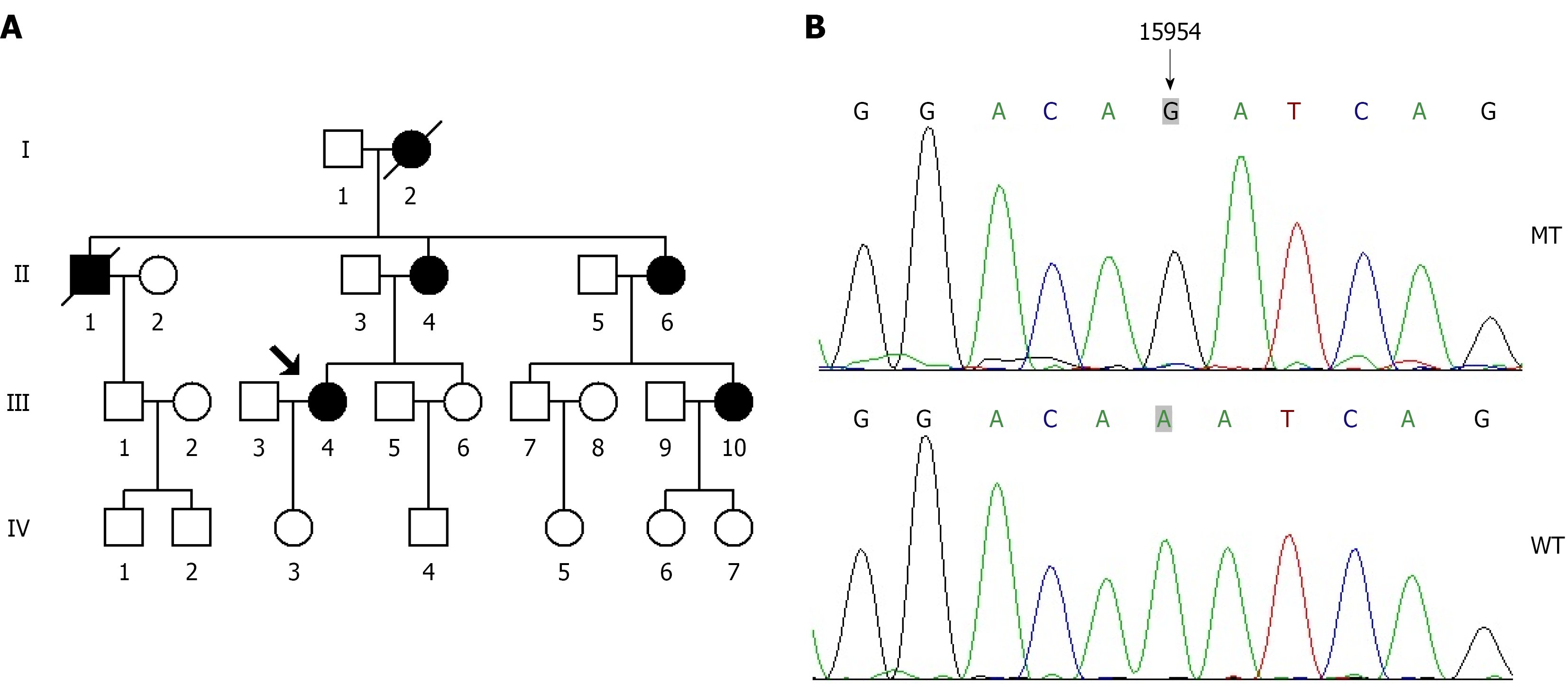
Figure 1 Molecular and genetic features of one Chinese pedigree with type 2 diabetes.
A: One family with maternally transmitted diabetes, arrow indicates the proband; B: Sequence analysis of the m.C15954T mutation. WT: Wild type; MT: Mutant.
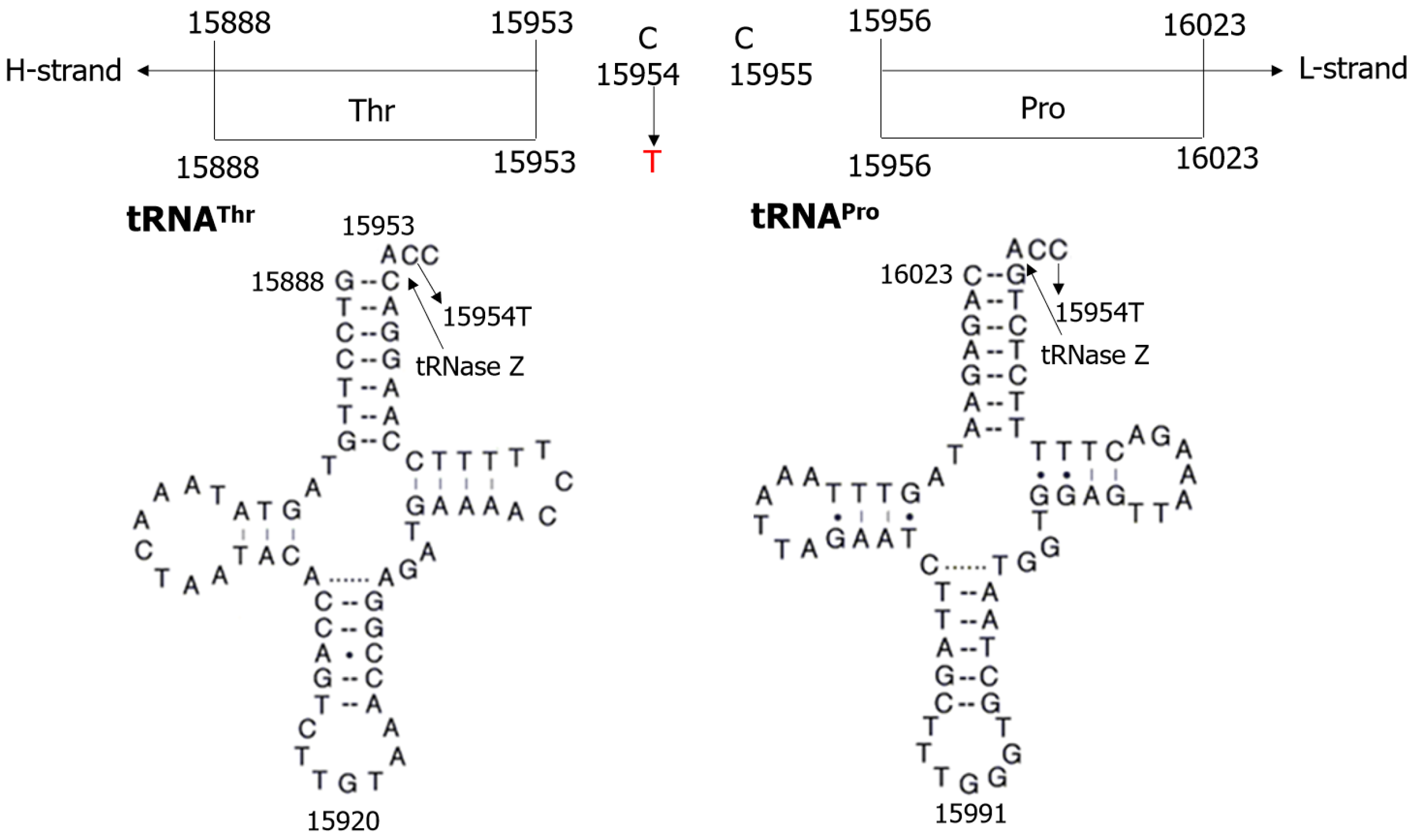
Figure 2 Secondary structures of mitochondrial-tRNAThr and mitochondrial-tRNAPro genes, arrow indicates the position of 15954.
Processing sites in mitochondrial (mt)-tRNAThr and mt-tRNAPro precursors were determined for tRNase Z.
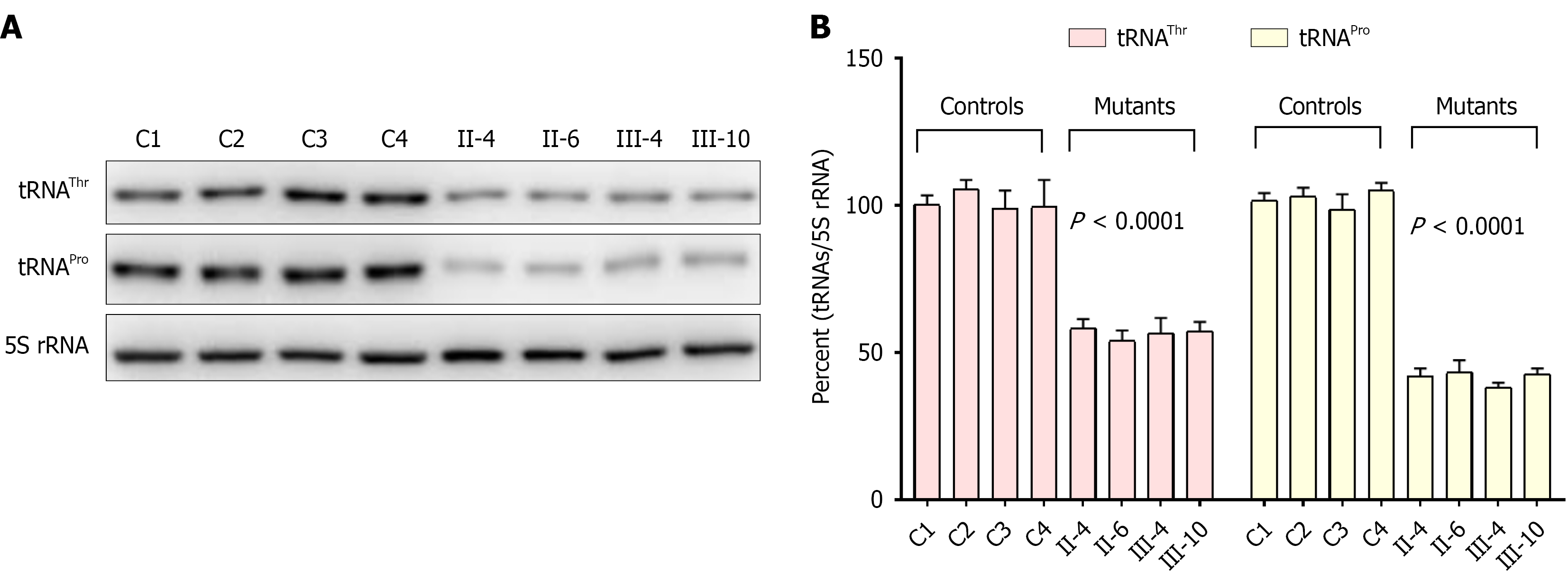
Figure 3 Mitochondrial-transfer RNAs analyses.
A: Analysis of the steady-state levels of mitochondrial (mt)-tRNAThr and mt-tRNAPro in control and mutant cell lines by Northern blot; B: Qualifications of mt-transfer RNA levels, the average relative transfer RNAs content were normalized to the average content per cell of 5S rRNA. tRNA: Transfer RNA.
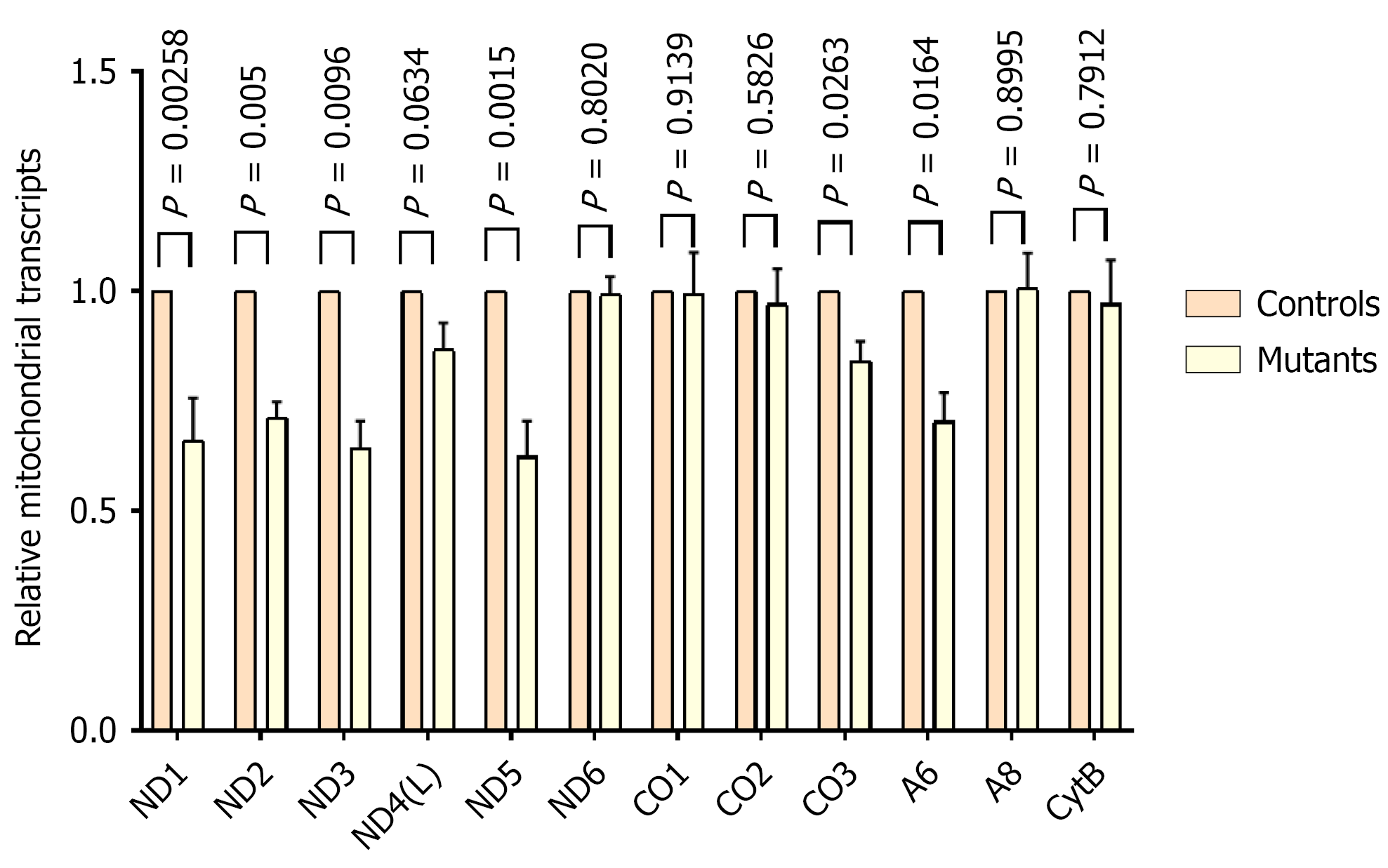
Figure 4 Analysis of mitochondrial-RNA transcription in control and mutant cell lines.
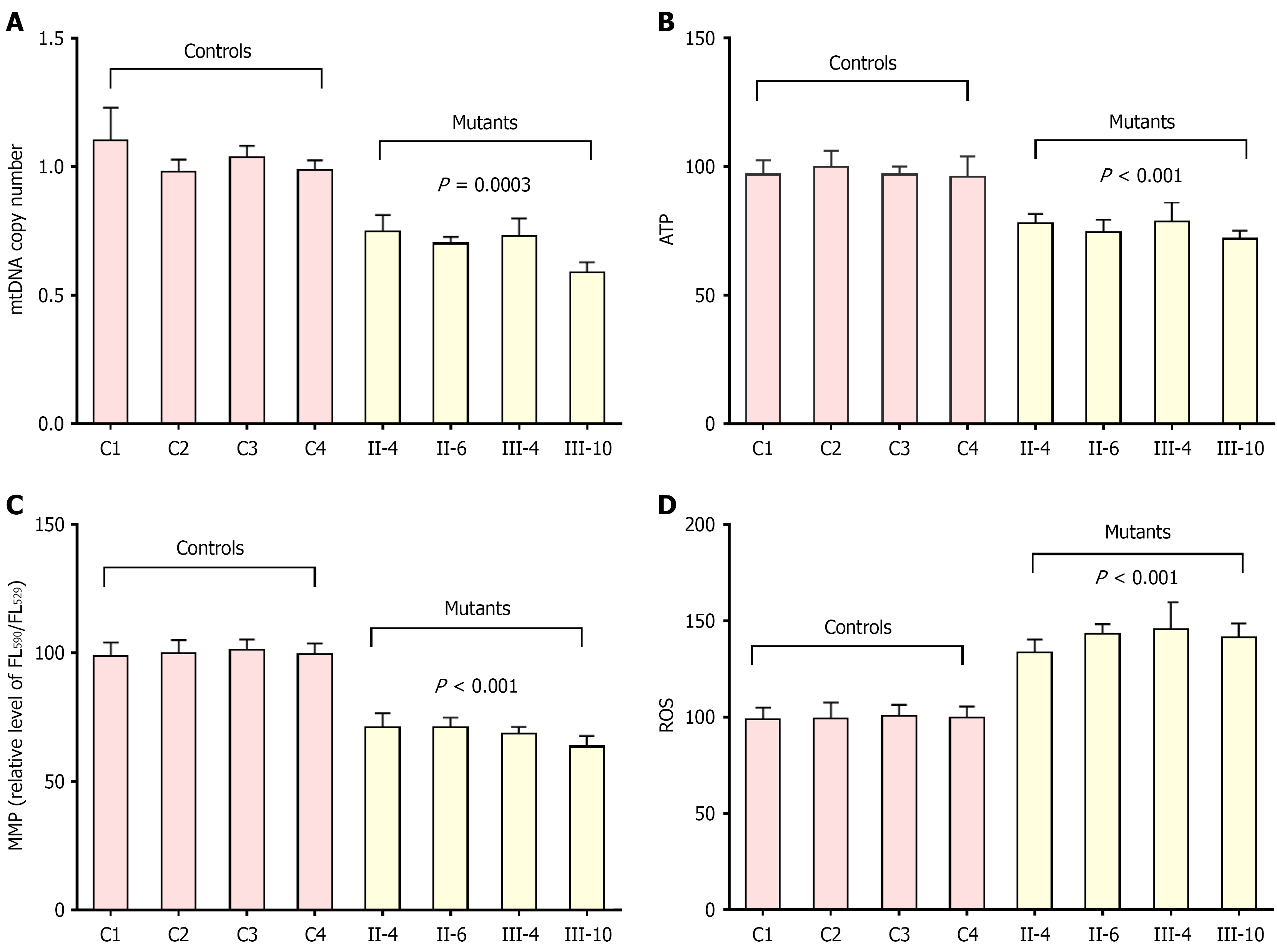
Figure 5 Analysis of mitochondrial DNA copy number, adenosine triphosphate, mitochondrial membrane potential and reactive oxygen species levels in 15954C and 15954T cybrids.
A: Mitochondrial DNA copy number; B: Adenosine triphosphate; C: Mitochondrial membrane potential; D: Reactive oxygen species. mtDNA: Mitochondrial DNA; ATP: Adenosine triphosphate; MMP: Mitochondrial membrane potential; ROS: Reactive oxygen species.
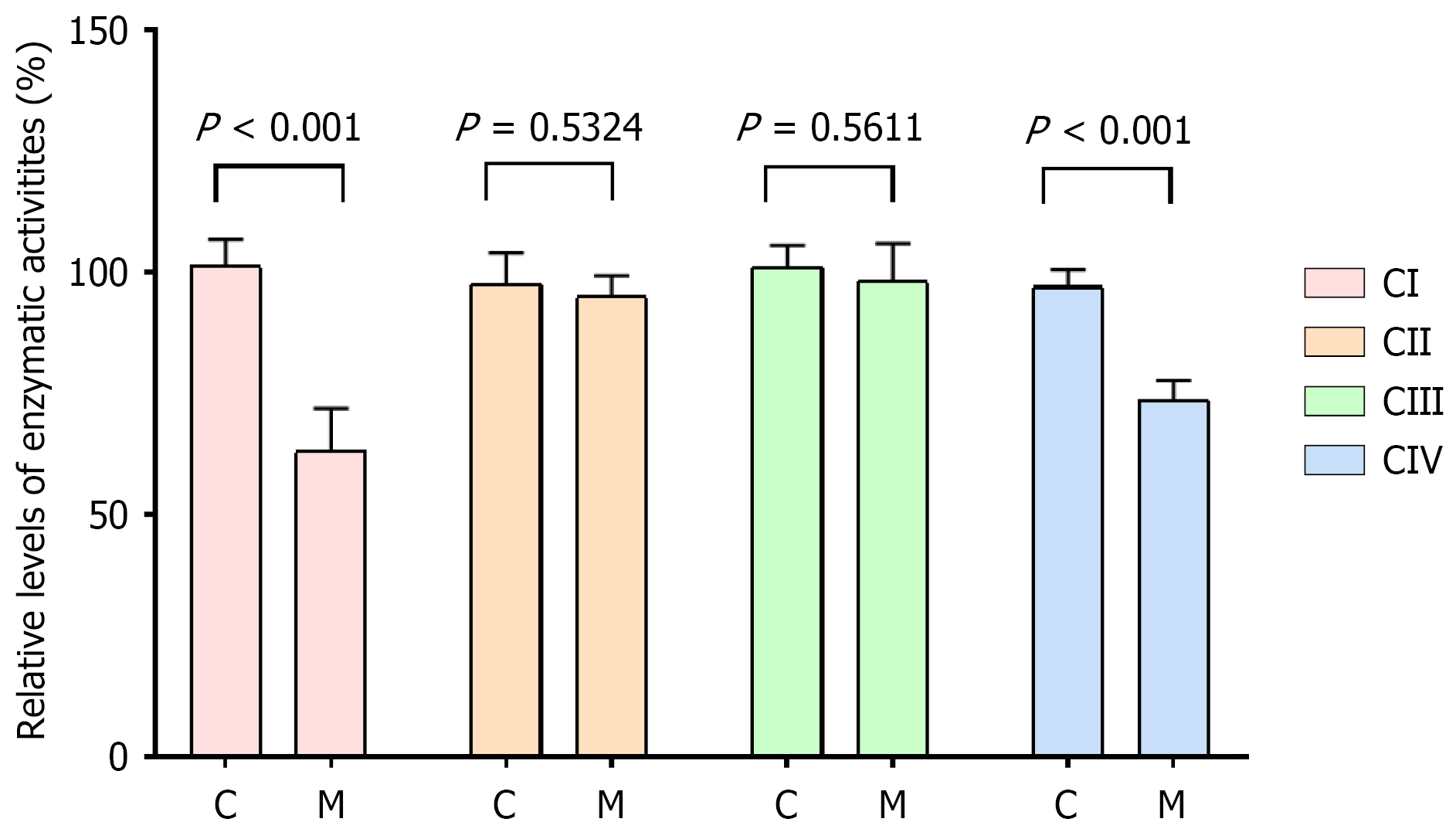
Figure 6 Analysis of oxidative phosphorylation enzymatic activities in 15954C and 15954T cybrids.
CI-CIV: Complex I-IV; C: Control; M: Mutant.
- Citation: Xu L, Liu MT, He XM, Zhang SR, Yu DJ, Ding Y. Type 2 diabetes mellitus may be associated with a novel mitochondrial tRNAThr/tRNAPro mutation. World J Diabetes 2026; 17(4): 115842
- URL: https://www.wjgnet.com/1948-9358/full/v17/i4/115842.htm
- DOI: https://dx.doi.org/10.4239/wjd.v17.i4.115842