
















©The Author(s) 2026.
World J Diabetes. Feb 15, 2026; 17(2): 113992
Published online Feb 15, 2026. doi: 10.4239/wjd.v17.i2.113992
Published online Feb 15, 2026. doi: 10.4239/wjd.v17.i2.113992
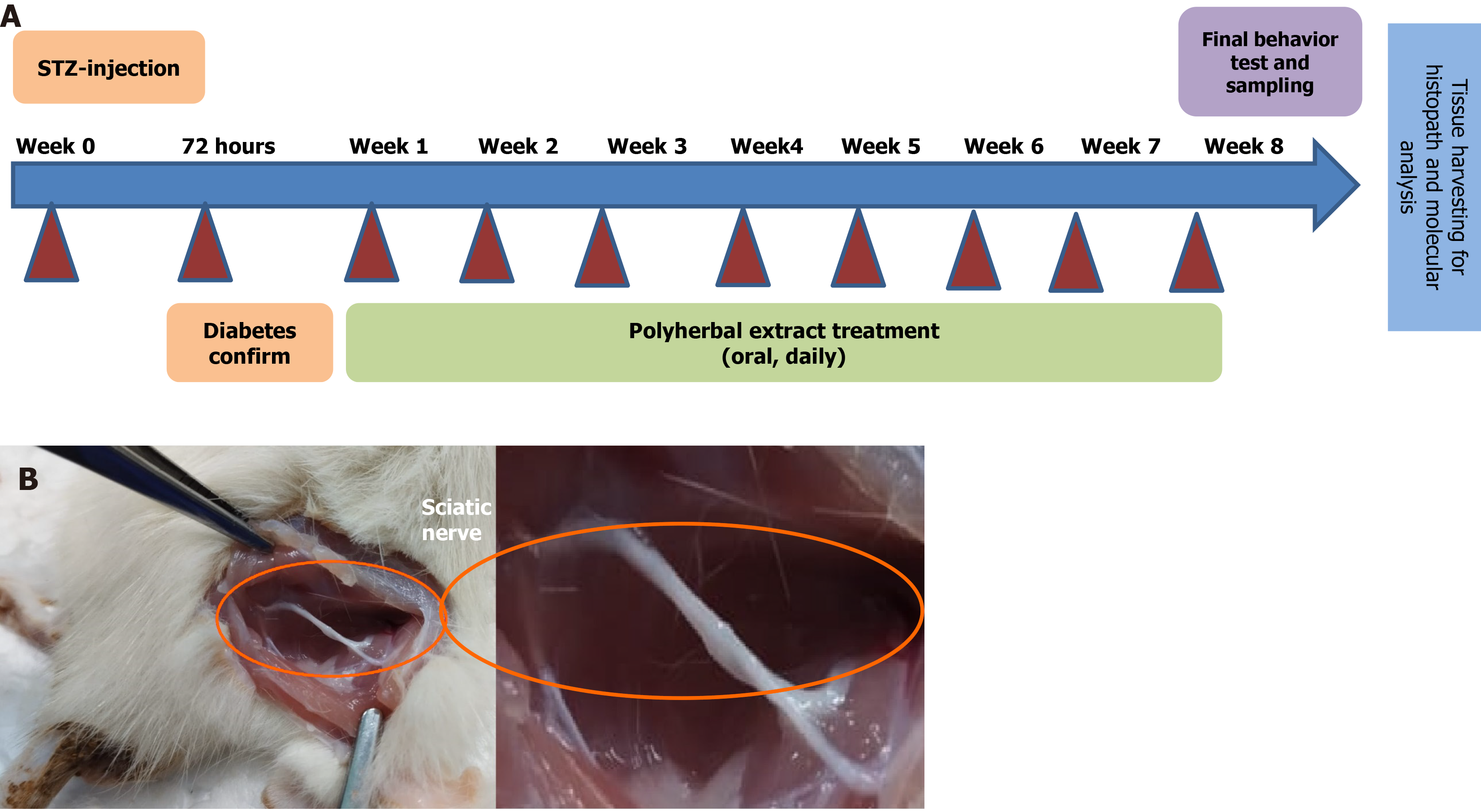
Figure 1 Experimental timeline.
A: Polyherbal extract treatment in diabetic neuropathy; B: The exposed sciatic nerve. STZ: Streptozotocin.
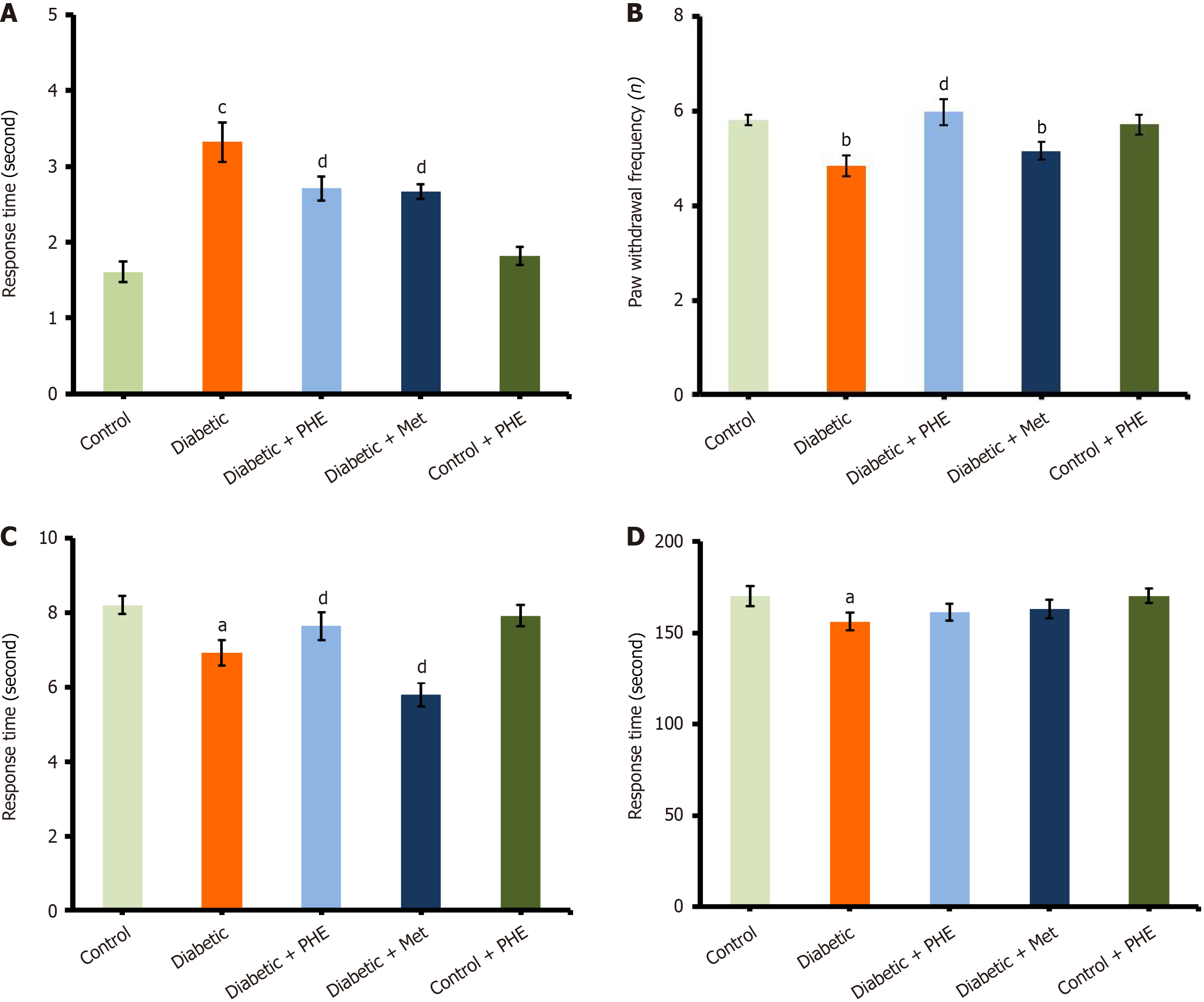
Figure 2 Effects on behavioral tests.
A: Acetone drop test; B: Hot plate test; C: Tail-flick test; D: Rotarod test. Data are expressed as mean ± SEM (n = 7). aP < 0.05 vs control group, bP < 0.01 vs control group, cP < 0.001 vs control group, dP < 0.05 vs diabetic group. Met: Metformin; PHE: Polyherbal extract.
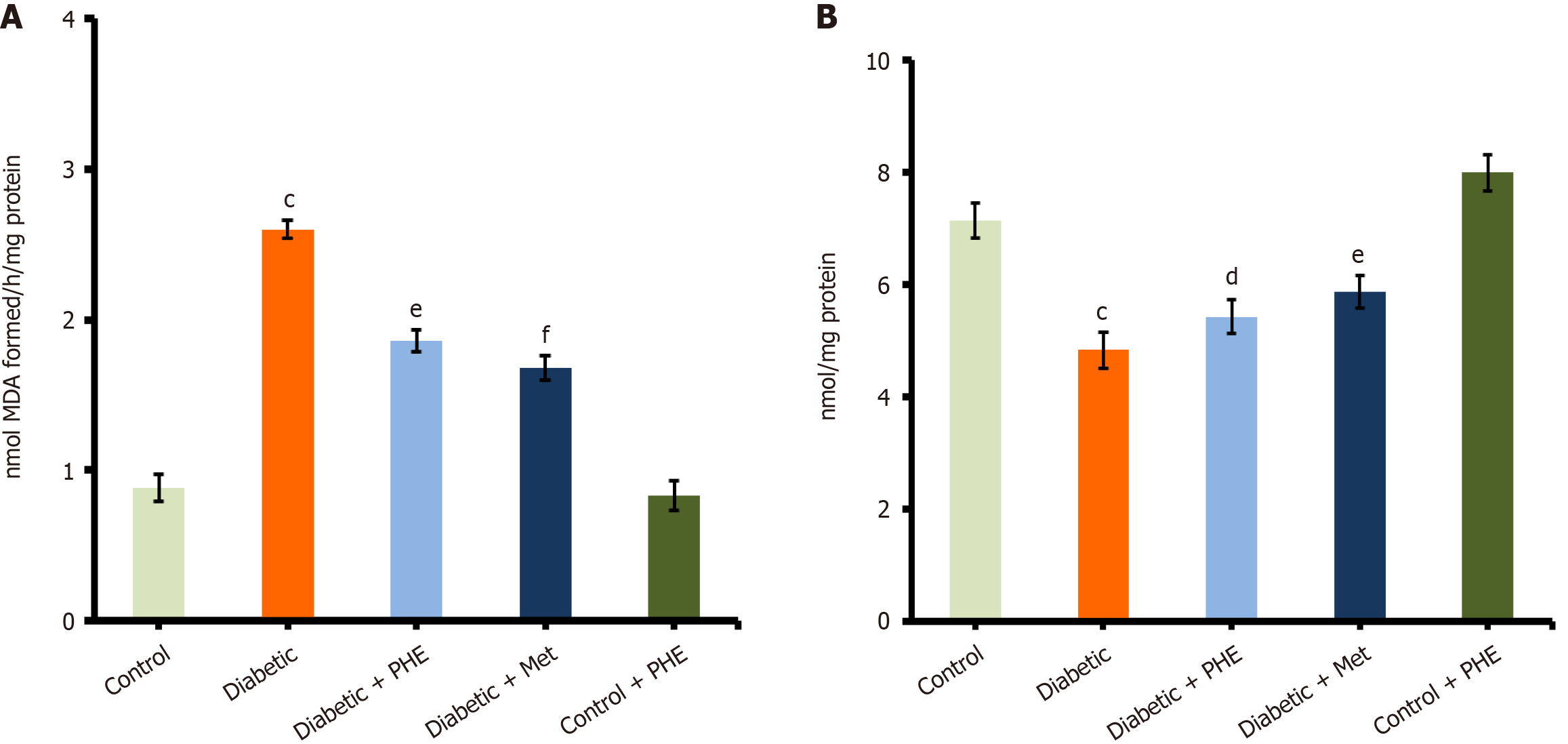
Figure 3 Effect of polyherbal extract supplementation.
A: On the malondialdehyde (MDA) level. The diabetic group showed a significant increase in the MDA level compared with the control group. Polyherbal extract (PHE) supplementation significantly decreased the MDA level in the diabetic + PHE group compared with the diabetic group; B: On the reduced glutathione (GSH) level. The diabetic group showed a significant decrease in the GSH content compared with the control group. PHE supplementation significantly increased the GSH content in the diabetic + PHE group compared with the diabetic group. Data are expressed as mean ± SEM (n = 7). cP < 0.001 vs control group, dP < 0.05 vs diabetic group, eP < 0.01 vs diabetic group, fP < 0.001 vs diabetic group. Met: Metformin; PHE: Polyherbal extract; MDA: Malondialdehyde.
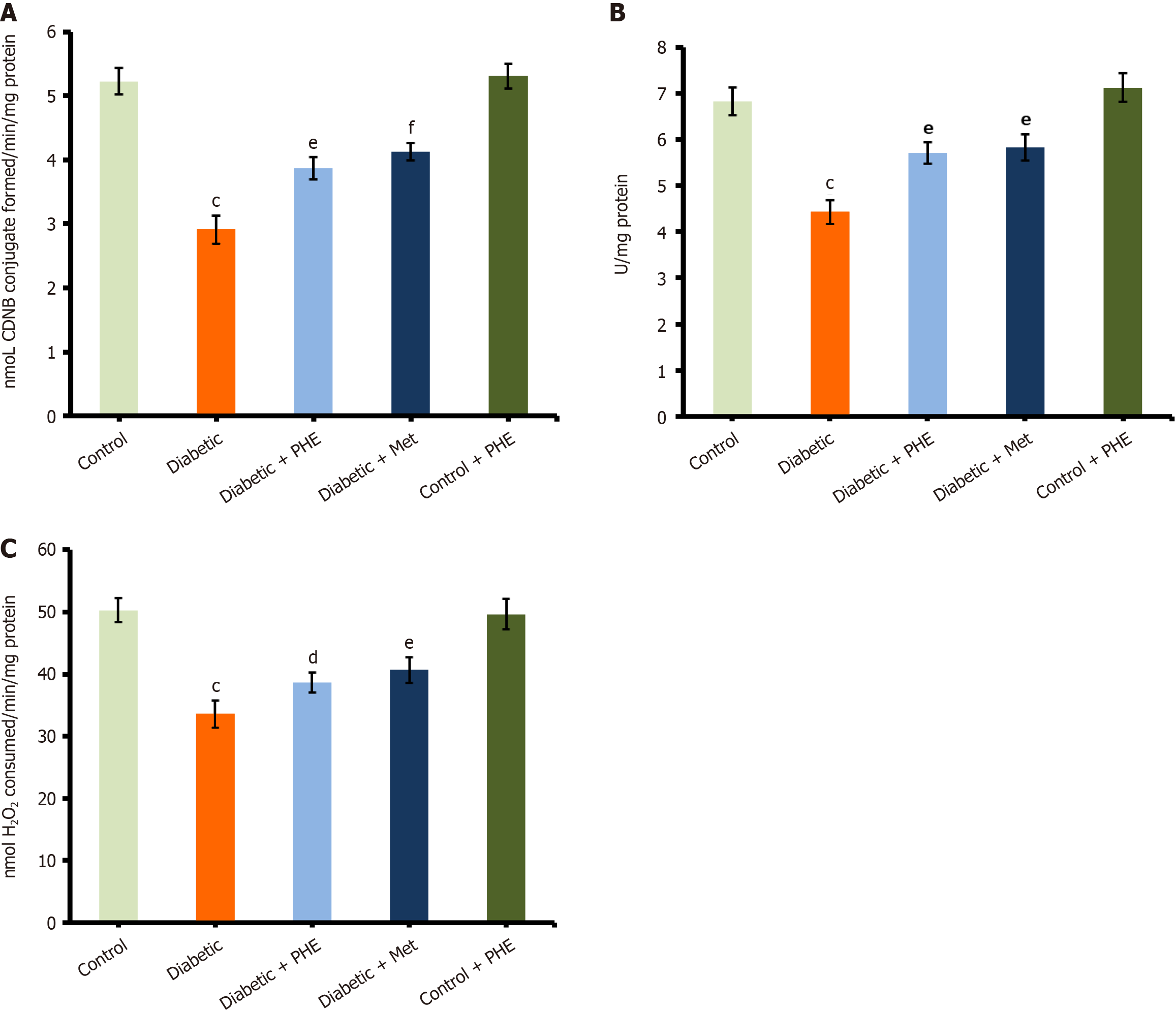
Figure 4 The diabetic group exhibited significant alterations in the activities of antioxidant enzymes (glutathione-S-transferase, superoxide dismutase, and catalase) compared with the control group.
A: Glutathione-S-transferase; B: Superoxide dismutase; C: Catalase. The administration of polyherbal extract significantly attenuated the activities of these enzymes in the diabetic + polyherbal extract group compared with the diabetic group. cP < 0.001 vs control group, dP < 0.05 vs diabetic group, eP < 0.01 vs diabetic group, and fP < 0.001 vs diabetic group. CDNB: 1-Chloro-2,4-dinitrobenzene; Met: Metformin; PHE: Polyherbal extract.
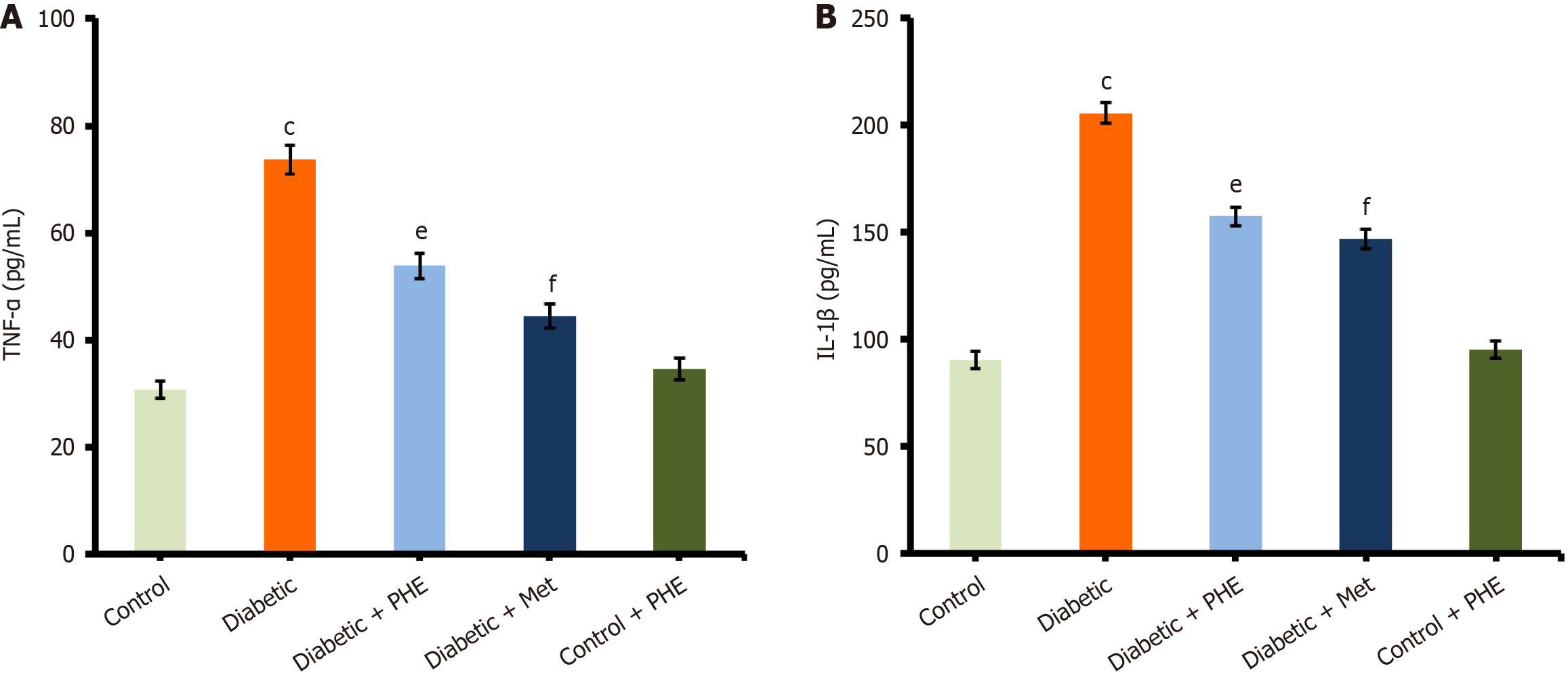
Figure 5 Effects of polyherbal extract on the protein expression of pro-inflammatory cytokines.
A: Tumour necrosis factor-α; B: Interleukin-1β. The diabetic group exhibited a significant decrease in tumour necrosis factor-α and interleukin-1β levels compared with the control group. The administration of polyherbal extract significantly attenuated the activities of these markers in the diabetic + polyherbal extract group compared with the diabetic group. Data are expressed as mean ± SEM (n = 7). cP < 0.001 vs control group, eP < 0.01 vs diabetic group, fP < 0.001 vs diabetic group. Met: Metformin; PHE: Polyherbal extract; TNF-α: Tumour necrosis factor-α; IL-1β: Interleukin-1β.
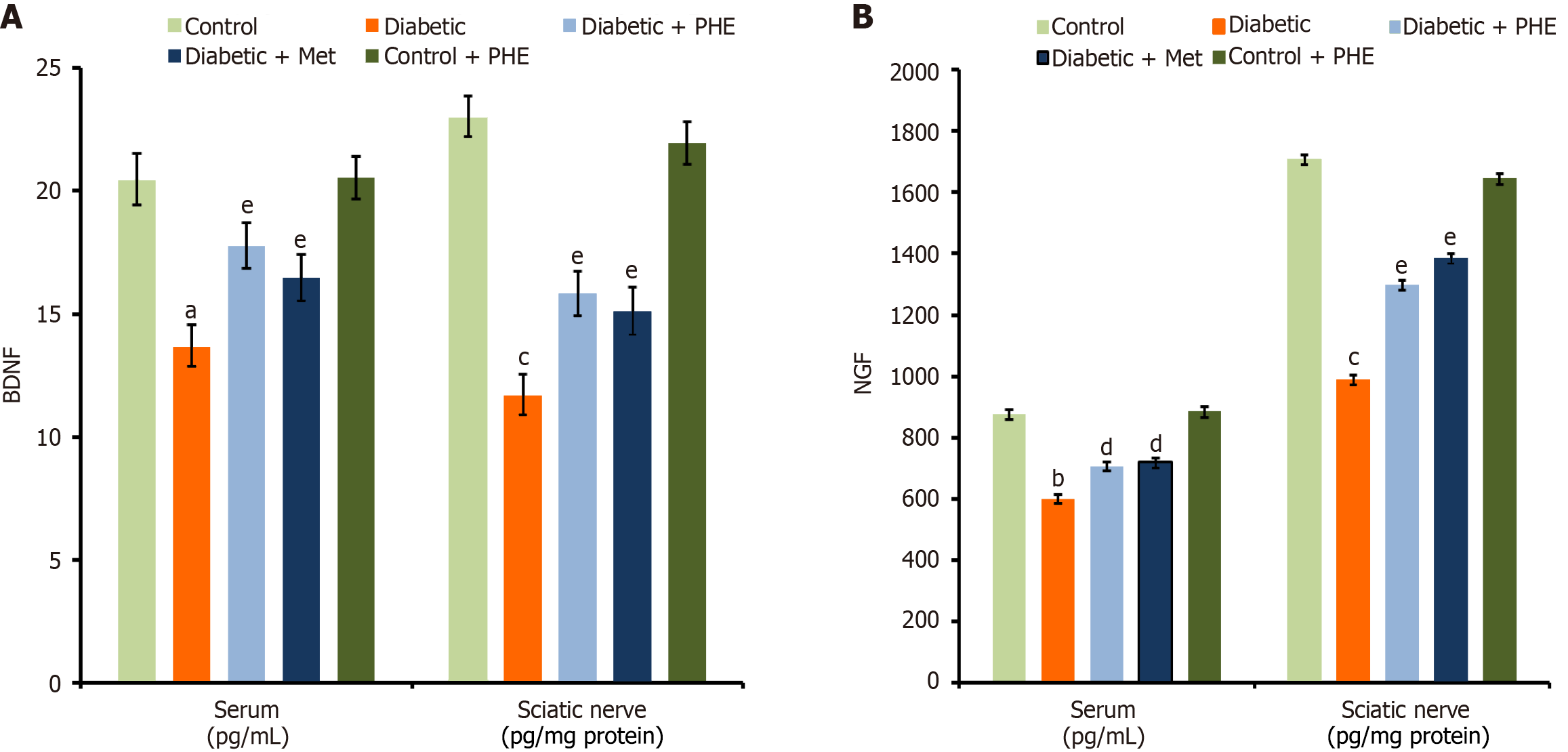
Figure 6 Effects of polyherbal extract on the protein expression of the neuron-specific markers in the serum and sciatic nerve tissue.
A: Brain-derived neurotrophic factor; B: Nerve growth factor. The diabetic group experienced a significant reduction in the levels of brain-derived neurotrophic factor and nerve growth factor compared with the control group. However, the administration of polyherbal extract significantly ameliorated their levels in the diabetic + polyherbal extract group compared with the diabetic group. Data are expressed as mean ± SEM (n = 7). aP < 0.05 vs control group, bP < 0.01 vs control group, cP < 0.001 vs control group, dP < 0.05 vs diabetic group, eP < 0.01 vs diabetic group. Met: Metformin; PHE: Polyherbal extract; BDNF: Brain-derived neurotrophic factor; NGF: Nerve growth factor.
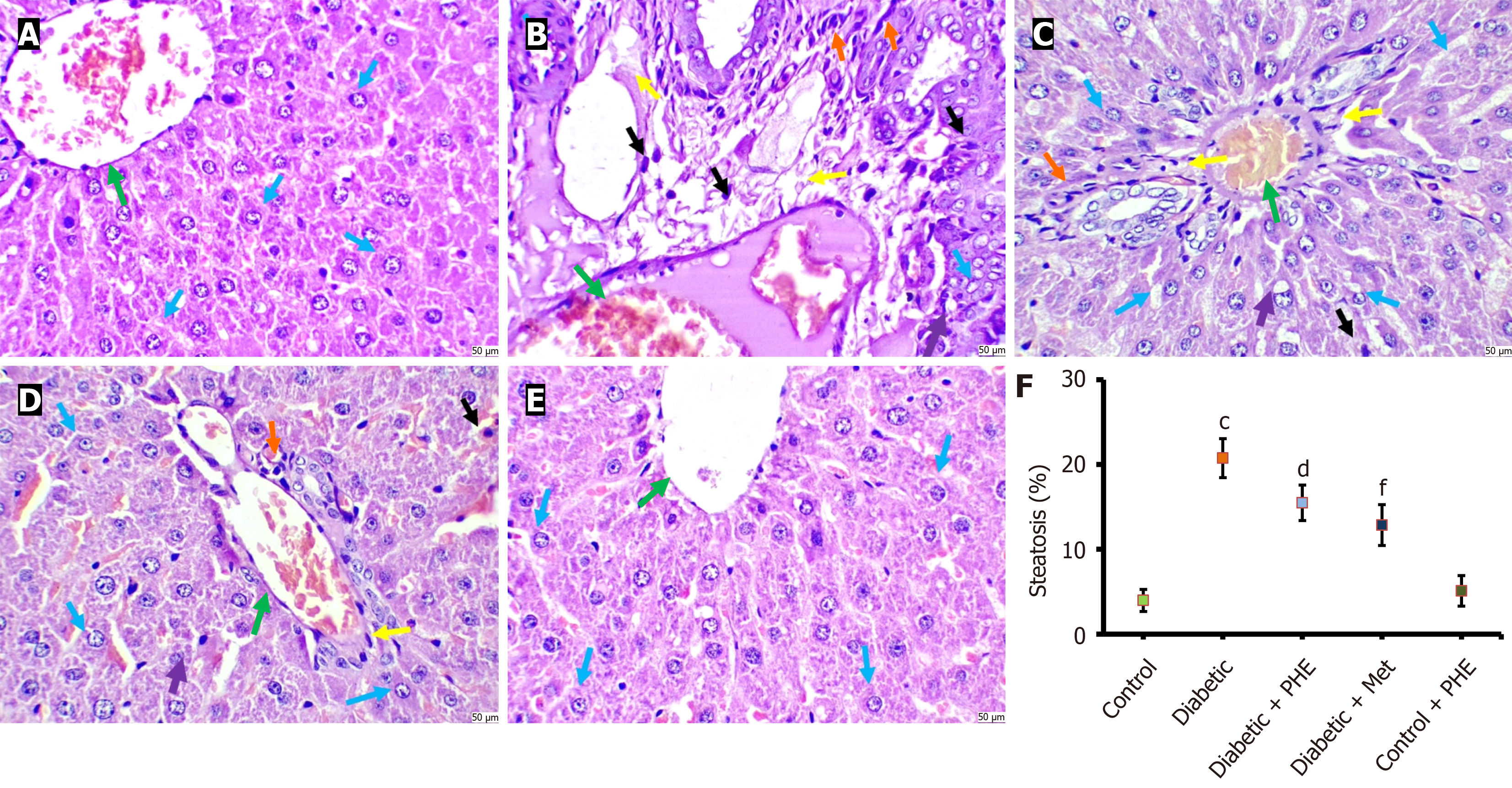
Figure 7 Histopathological changes in the rat liver tissue after 8 weeks of polyherbal extract treatment, with semi-quantitative data as steatosis percentage.
A: Control. No evidence of cellular disintegration, pyknosis, apoptosis, central vein congestion or nuclear morphology was found (green arrow). Furthermore, the sections exhibited normal and trabecular-arranged hepatocytes, which were polygonal in shape (indicated by the blue arrow). The cytoplasm was clear, and the nuclei were normal/round/oval; no fatty changes, inflammatory infiltrates or congestion in the central vein were observed; B: Diabetic. The section showed significantly damaged hepatocytes (indicated by the blue arrow). High cellular density, dense cytoplasm and significant fatty changes (yellow arrow) and vacuolation (purple arrow) were seen. Pyknosis (black arrow) and central vein congestion (green arrow), along with inflammatory infiltrates (orange arrow), were seen. The micromorphological characteristics were suggestive of severe hepatic toxicity; C: Diabetic + polyherbal extract. The section showed mild to moderate histological damage to the liver tissue. Moderate congestion was seen (green arrow). The section showed mildly damaged hepatocytes (blue arrow), mild vacuolation (purple arrow), mild pyknosis (black arrow), moderate fatty changes (yellow arrow) and moderate inflammatory infiltrates (orange arrow); D: Diabetic + metformin. The section showed mild histological damage to the liver tissue. Minimal congestion was seen (green arrow). The section showed normal hepatocytes (indicated by the blue arrow). Minimal fatty changes (yellow arrow), minimal vacuolation (purple arrow) and minimal pyknosis (black arrow) along with minimal inflammatory infiltrates (orange arrow) were seen; E: Control + polyherbal extract. The section showed the normal histological appearance of the liver tissue. No evidence of cellular disintegration, pyknosis, apoptosis, central vein congestion or nuclear morphology was found (green arrow). The section also showed normal and trabecular-arranged hepatocytes, which were polygonal in shape (indicated by the blue arrow). The cytoplasm was clear, and the nuclei were normal/round/oval; no fatty changes, inflammatory infiltrates or congestion in the central vein were seen (haematoxylin and eosin, 400 ×; scale bar 50 μm); F: Semi-quantitative analysis of hepatic steatosis percentage in different experimental groups. cP < 0.001 vs control group, dP < 0.05 vs diabetic group, fP < 0.001 vs diabetic group. Met: Metformin; PHE: Polyherbal extract.
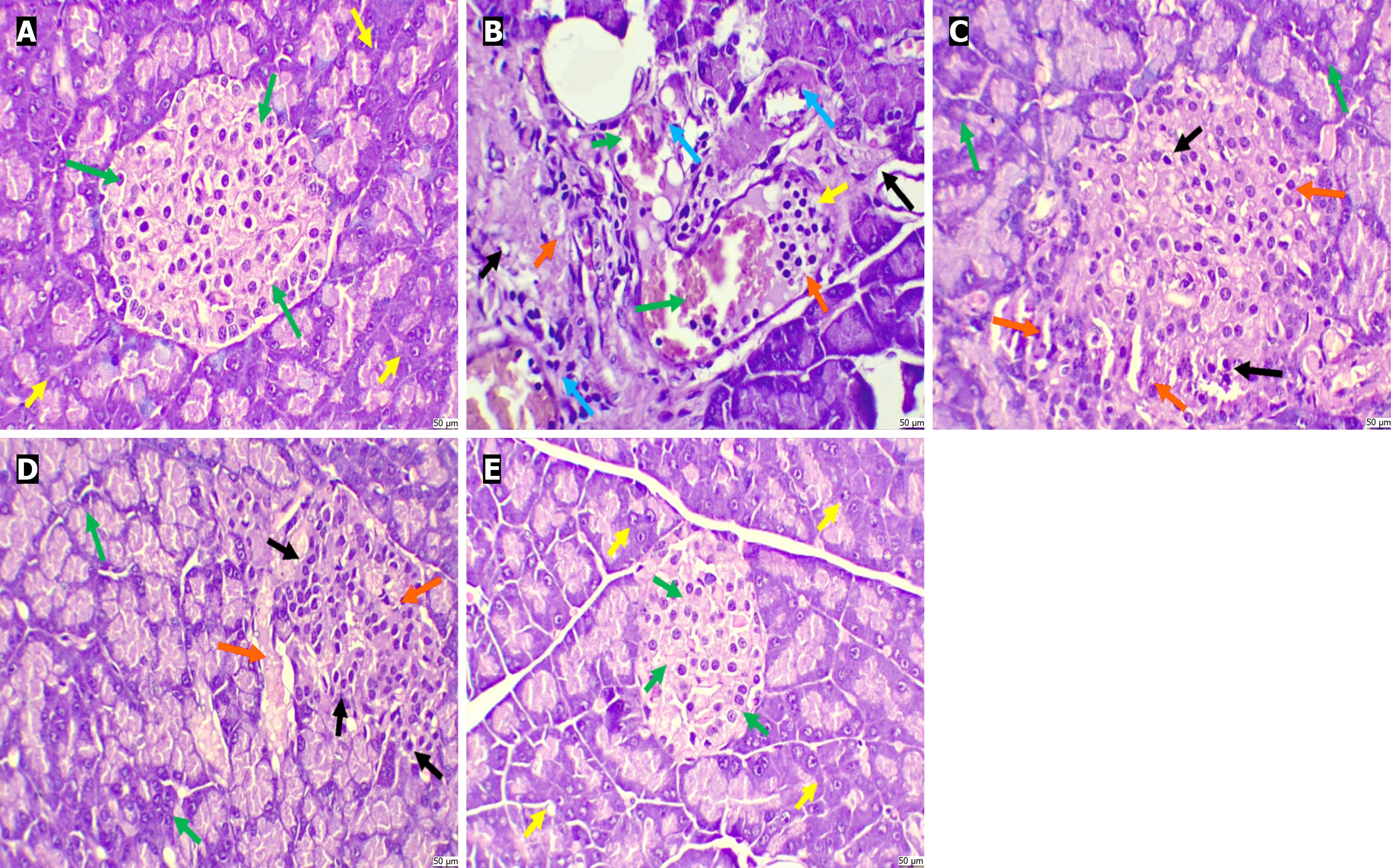
Figure 8 Effect of polyherbal extract treatment on the pancreas section.
A: Control. The sections showed normal histological attributes of the pancreatic tissue. The islets of Langerhans appeared normal, with no evidence of cellular disintegration, pyknosis or atrophic changes in the beta cells (indicated by the green arrow). In addition, normal pyramidal acidophilic pancreatic acini were seen (yellow arrow). No congestion or haemorrhage was found; B: Diabetic. The sections showed significantly distorted pancreatic lobules and cellular disintegration in the islets of Langerhans (orange arrow), along with haemorrhage (green arrow). Marked pyknosis was seen in the beta cells (yellow arrow). Pancreatic acini were atrophic and significantly disintegrated (blue arrow) and fibrotic (black arrow); C: Diabetic + polyherbal extract. The sections showed moderately damaged pancreatic lobules and cellular disintegration in the islets of Langerhans (orange arrow). Healthy beta cells were represented by the green arrow. Mild pyknosis was seen in the beta cells (black arrow). No congestion or haemorrhage was found; D: Diabetic + metformin. The sections showed mild to moderate damaged pancreatic lobules and cellular disintegration in the islets of Langerhans (orange arrow). Healthy beta cells were represented by the green arrow. Moderate pyknosis was observed in the beta cells (indicated by the black arrow). No congestion or haemorrhage was found; E: Polyherbal extract. The sections showed normal histological attributes of the pancreatic tissue. The islets of Langerhans appeared normal, with no evidence of cellular disintegration, pyknosis or atrophic changes in the beta cells (green arrow). Moreover, normal pyramidal acidophilic pancreatic acini were seen (yellow arrow). No congestion or haemorrhage was found (magnification 400 ×; scale bar 50 μm).
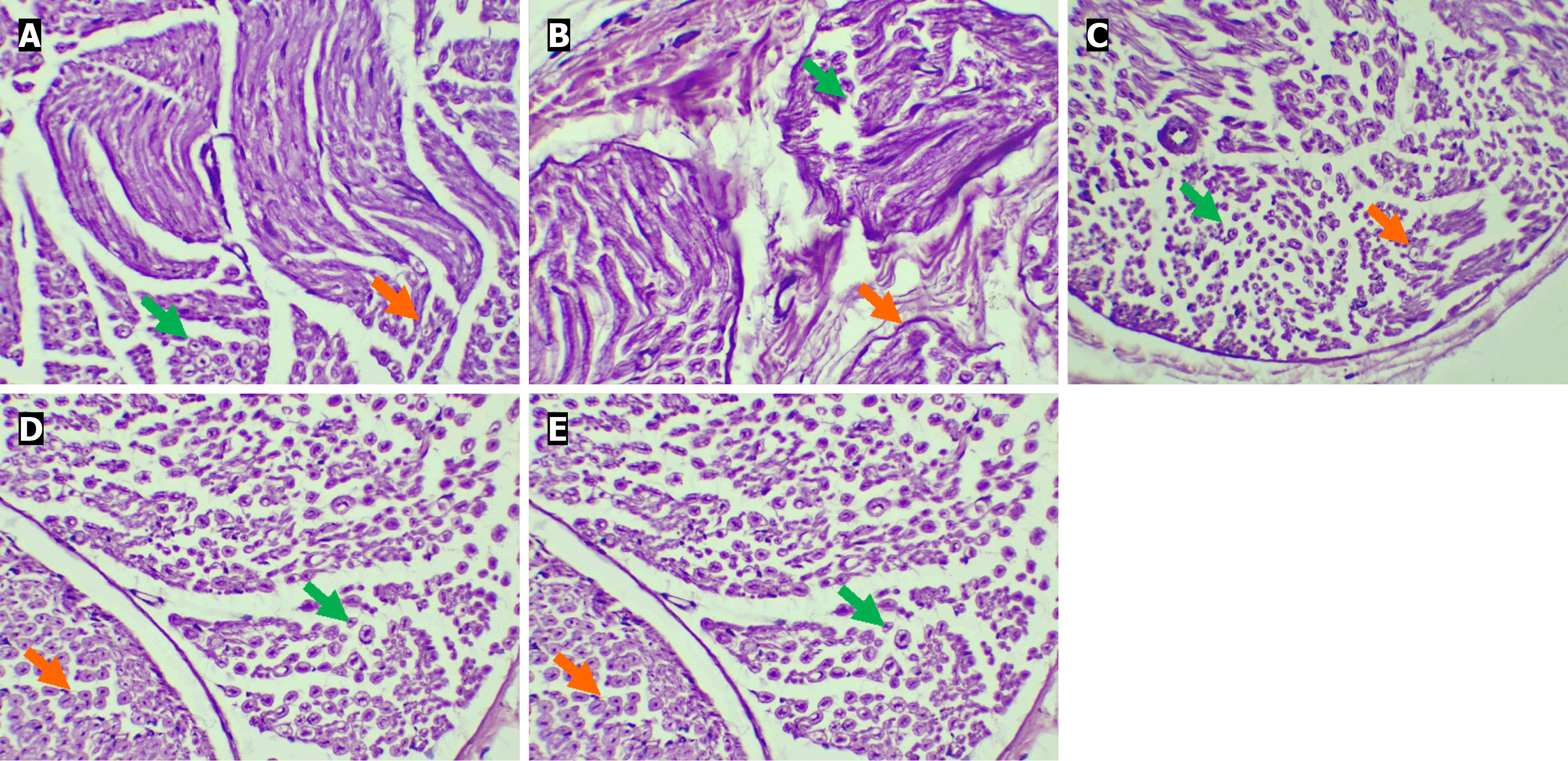
Figure 9 Histopathological results.
A: Control. Healthy and intact axon (green arrow) and myelin (orange arrow); B: Diabetic. Significantly damaged and distorted axon (green arrow) and myelin (orange arrow); C: Diabetic + polyherbal extract. Mildly damaged and distorted axon (green arrow) and myelin (orange arrow); D: Diabetic + metformin: Mildly damaged and distorted axon (green arrow) and myelin (orange arrow); E: Control + polyherbal extract: Healthy and intact axon (green arrow) and myelin (orange arrow) (400 ×, scale bar 50 μm).
- Citation: Kausar MA, Parveen K, Anwar S, Khan YS, Saleh AA, Ahmed MAA, Siddiqui WA, Parvez S. Neuroprotective potential of a plant-based intervention in diabetic neuropathy: Biochemical and behavioral insights from a streptozotocin-induced rat model. World J Diabetes 2026; 17(2): 113992
- URL: https://www.wjgnet.com/1948-9358/full/v17/i2/113992.htm
- DOI: https://dx.doi.org/10.4239/wjd.v17.i2.113992