
















Copyright: ©Author(s) 2026.
World J Diabetes. Oct 15, 2026; 17(10): 125822
Published online Oct 15, 2026. doi: 10.4239/wjd.125822
Published online Oct 15, 2026. doi: 10.4239/wjd.125822
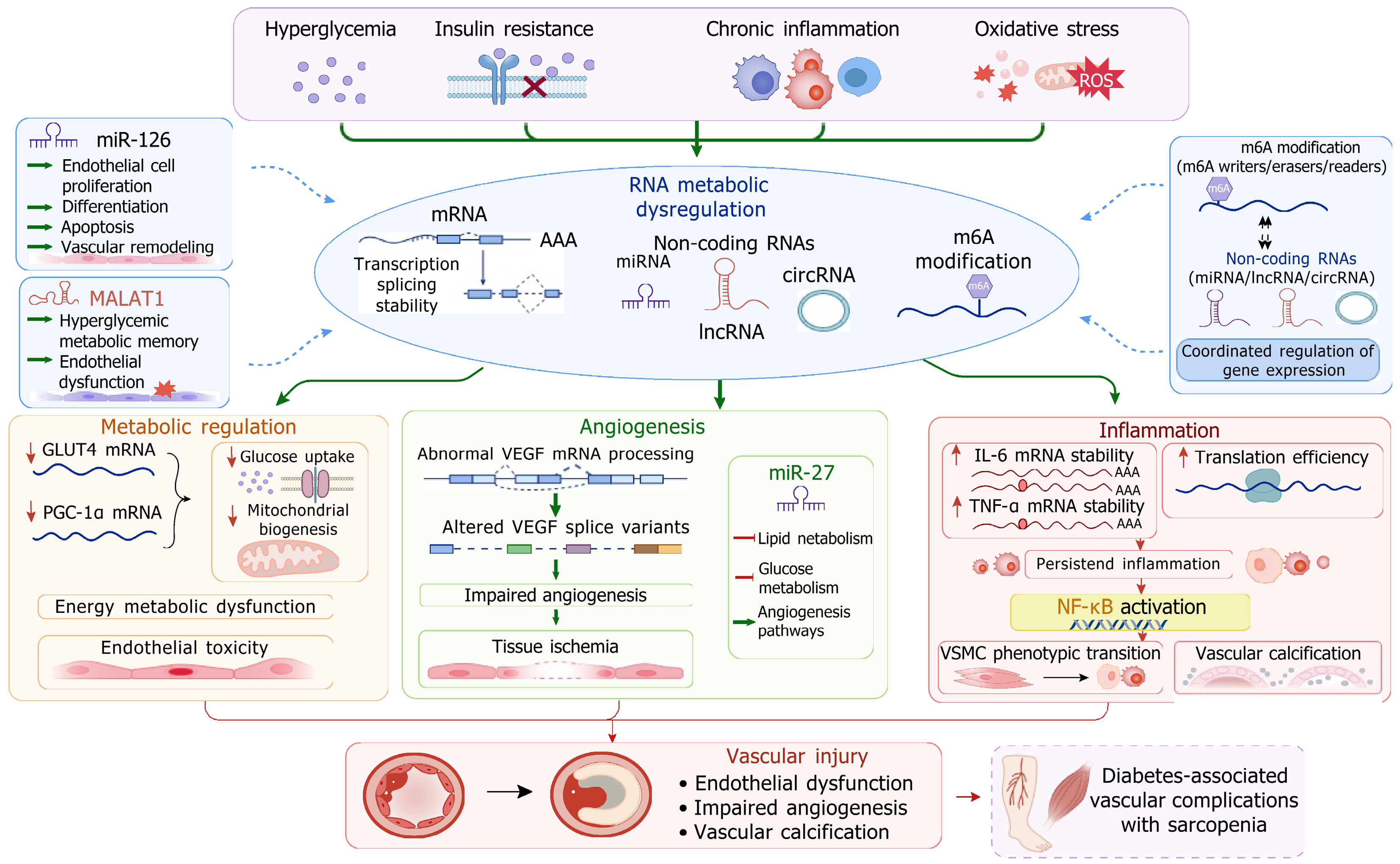
Figure 1 Imbalances in the RNA metabolic network as a molecular hub for comorbid vascular lesions.
This figure is produced using Adobe Illustrator and Biorender. Hyperglycaemia, insulin resistance, chronic inflammation and oxidative stress collectively drive dysregulation of the RNA metabolic network, involving dysregulation of miRNA (miRNA-126), long ncRNAs (metastasis-associated lung adenocarcinoma transcript 1) and circRNA expression, as well as abnormalities in epigenetic modifications such as m6A. This pivotal disruption subsequently triggers three downstream effects: Impaired metabolic regulation (such as downregulation of glucose transporter type 4 and peroxisome proliferator-activated receptor gamma coactivator 1-alpha mRNA, compromising glucose uptake and mitochondrial biosynthesis), impaired angiogenesis (abnormal splicing of vascular endothelial growth factor mRNA) and exacerbated inflammation (upregulation of interleukin-6 and tumor necrosis factor-alpha mRNA). These three pathways ultimately act synergistically on the vascular wall, leading to endothelial damage, smooth muscle cell phenotypic transformation and calcification, thereby accelerating the progression of diabetic vascular complications. MALAT1: Metastasis-associated lung adenocarcinoma transcript 1; GLUT4: Glucose transporter type 4; PGC-1α: Peroxisome proliferator-activated receptor gamma coactivator 1-alpha; VEGF: Vascular endothelial growth factor; IL-6: Interleukin-6; TNF-α: Tumor necrosis factor-alpha; NF-kB: Nuclear factor kappa B.
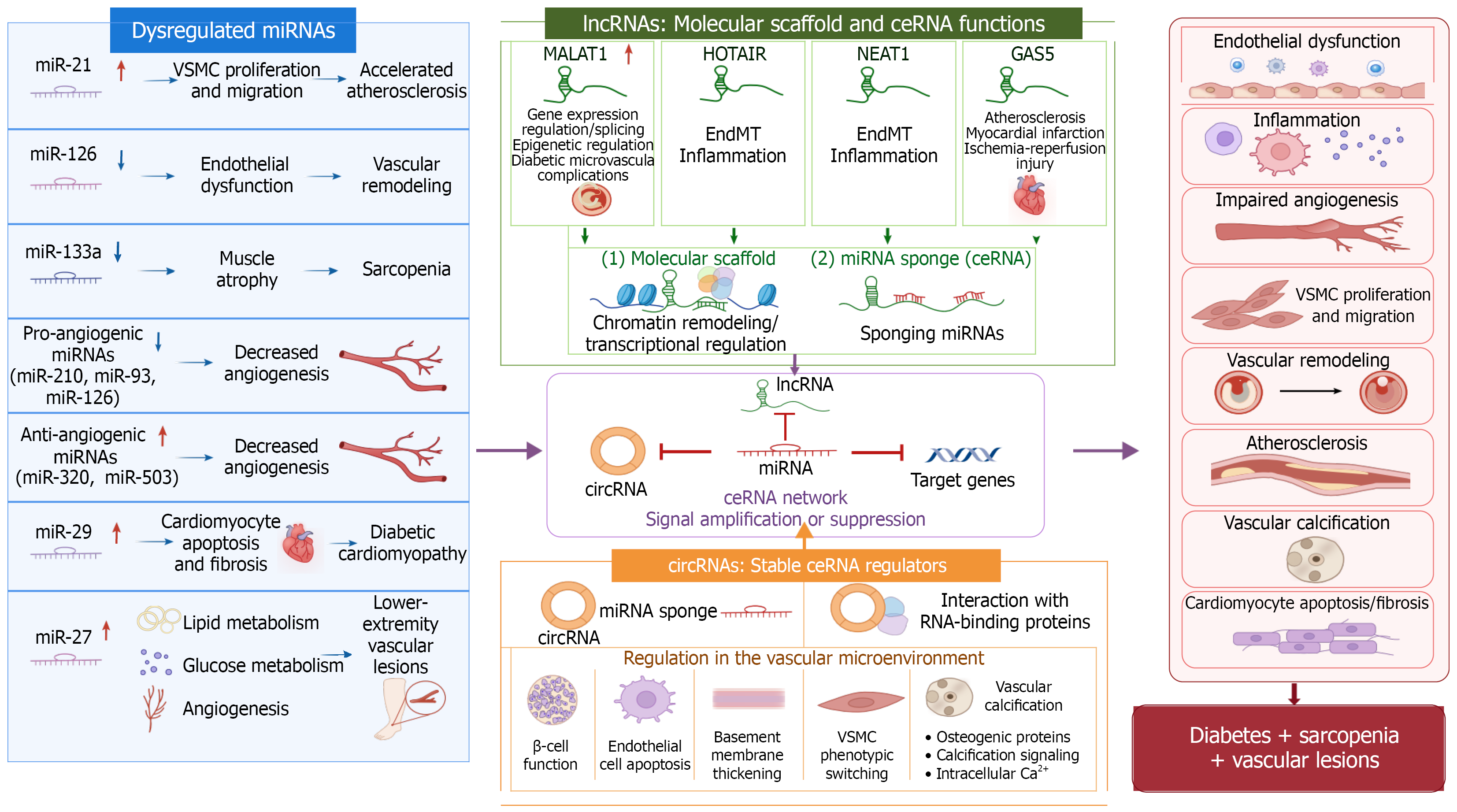
Figure 2 The key role of non-coding RNA regulatory networks in comorbidity-related vascular lesions.
This figure is produced using Adobe Illustrator and Biorender. Dysregulated miRNAs, long non-coding RNAs and circular RNAs form an integrated competing endogenous RNA regulatory network in diabetes-sarcopenia-associated vasculopathy. Dysregulation of miRNAs (such as miRNA-21, miRNA-126, miRNA-133a, miRNA-29 and miRNA-27), combined with the molecular scaffold function of long non-coding RNAs, the miRNA sponge effect and the role of circular RNAs as stable competing endogenous RNA regulatory factors, collectively regulate target genes. These non-coding RNAs collectively regulate endothelial dysfunction, inflammation, angiogenesis, vascular remodelling, atherosclerosis and vascular calcification, ultimately promoting the development of vascular complications in the context of diabetes-sarcopenia comorbidity. lncRNAs: Long non-coding RNAs; circRNAs: Circular RNAs; ceRNA: Competing endogenous RNA; VSMC: Vascular smooth muscle cell; MALAT1: Metastasis-associated lung adenocarcinoma transcript 1; HOTAIR: HOX transcript antisense RNA; NEAT1: Nuclear enriched abundant transcript 1; GAS5: Growth arrest-specific 5; EndMT: Endothelial-to-mesenchymal transition.
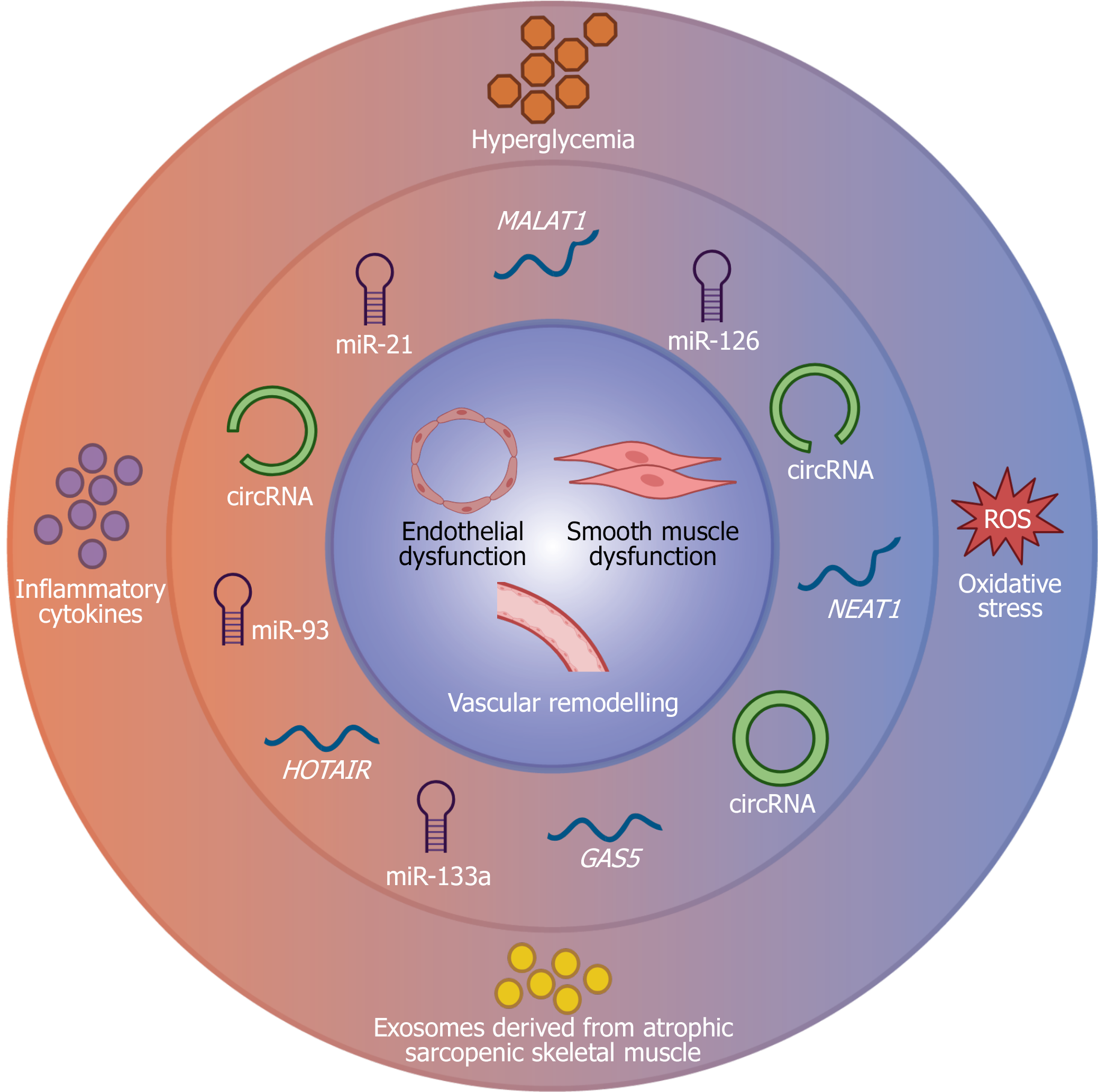
Figure 3 Schematic diagram of non-coding RNA regulatory networks contributing to vascular injury in diabetic sarcopenia.
This figure is produced using Adobe Illustrator and Biorender. Under the combined stimulation of hyperglycaemia, oxidative stress and inflammatory cytokines, non-coding RNAs (miRNAs, long non-coding RNAs and circular RNAs) derived from exosomes of atrophic sarcopenic skeletal muscle form a dysregulated competitive endogenous RNA network. This disturbance triggers endothelial dysfunction and vascular smooth muscle dysfunction, ultimately driving vascular remodelling. MALAT1: Metastasis-associated lung adenocarcinoma transcript 1; GAS5: Growth arrest-specific 5; circRNA: Circular RNAs; HOTAIR: HOX transcript antisense RNA; NEAT1: Nuclear enriched abundant transcript 1; ROS: Reactive oxygen species.
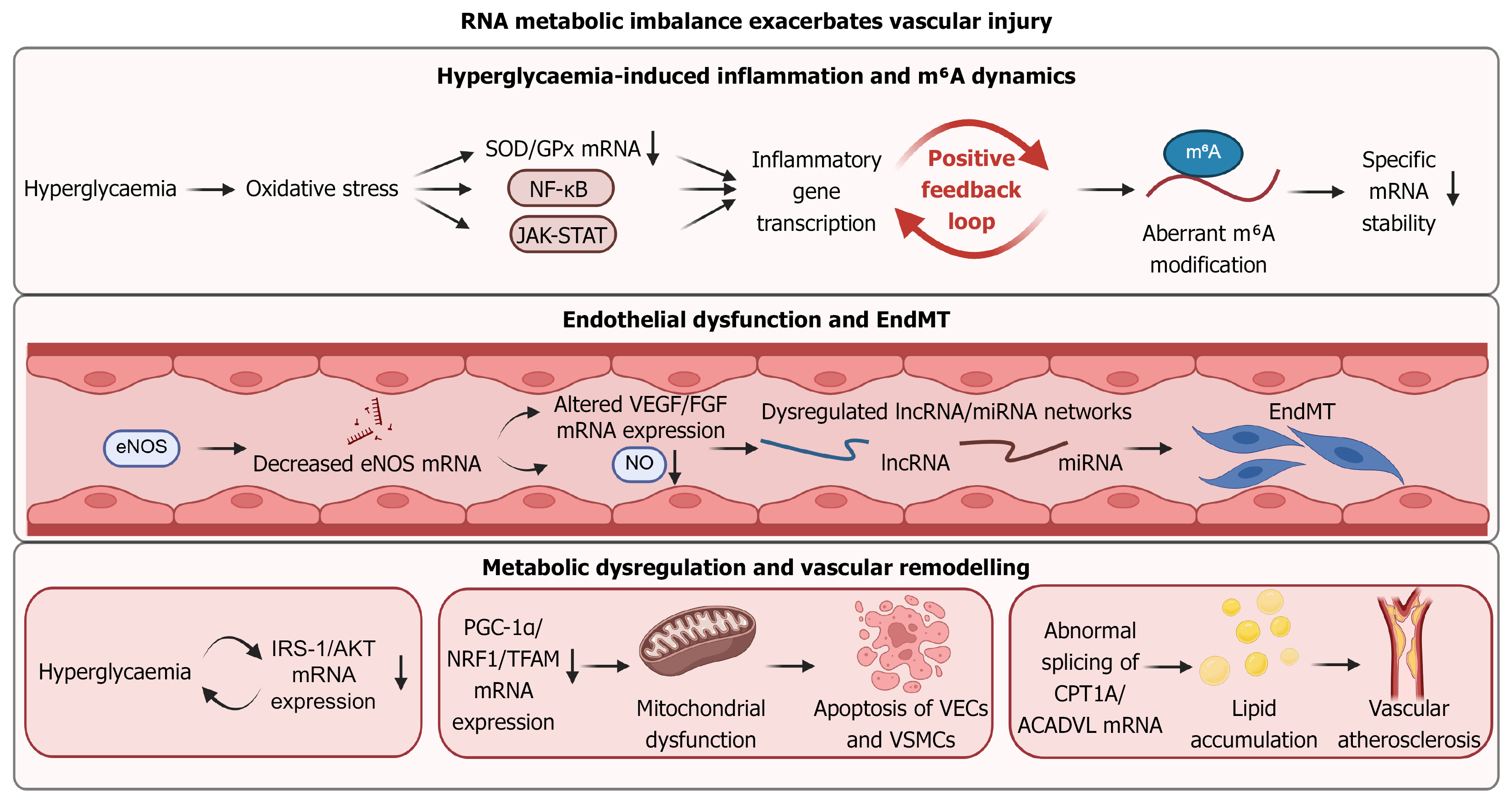
Figure 4 Mechanistic scheme showing how RNA metabolic imbalance aggravates vascular injury in diabetic sarcopenia.
This figure is produced using Adobe Illustrator and Biorender. Hyperglycaemia induces oxidative stress and activates nuclear factor kappa B/Janus kinase - signal transducer and activator of transcription inflammatory signalling. This creates a positive feedback loop to trigger aberrant m6A modification and dysregulate specific mRNA stability. Reduced endothelial nitric oxide synthase mRNA expression suppresses NO production; disordered vascular endothelial growth factor/fibroblast growth factor transcripts together with disturbed long non-coding RNAs-miRNA networks promote endothelial-mesenchymal transition and endothelial dysfunction. Downregulated insulin receptor substrate 1/protein kinase B mRNA impairs insulin signalling. Decreased expression of mitochondrial biogenesis genes leads to mitochondrial dysfunction and apoptosis of vascular endothelial cells and vascular smooth muscle cell. Aberrant splicing of carnitine palmitoyltransferase 1A/acyl-CoA dehydrogenase very long chain mRNA disrupts fatty acid oxidation and causes lipid accumulation. These sequential pathological changes drive vascular remodelling and accelerate atherosclerosis. SOD: Superoxide dismutase; GPx: Glutathione peroxidase; NF-κB: Nuclear factor kappa B; JAK-STAT: Janus kinase - signal transducer and activator of transcription; VEGF: Vascular endothelial growth factor; FGF: Fibroblast growth factor; eNOS: Endothelial nitric oxide synthase; lncRNA: Long non-coding RNA; IRS-1: Insulin receptor substrate 1; AKT: Protein kinase B; PGC-1α: Peroxisome proliferator-activated receptor gamma coactivator 1-alpha; NRF1: Nuclear respiratory factor 1; TFAM: Mitochondrial transcription factor A; CPT1A: Carnitine palmitoyltransferase 1A; ACADVL: Acyl-CoA dehydrogenase very long chain; EndMT: Endothelial-mesenchymal transition; VECs: Vascular endothelial cells; VSMCs: Vascular smooth muscle cell.
- Citation: Tang LY, Huang T, Li LY, Liu Y, Yang P, Zheng ZY, Wu HR, Zhang CX. Imbalances in RNA metabolic networks in vascular lesions associated with diabetes and sarcopenia. World J Diabetes 2026; 17(10): 125822
- URL: https://www.wjgnet.com/1948-9358/full/v17/i10/125822.htm
- DOI: https://dx.doi.org/10.4239/wjd.125822