
















Copyright: ©Author(s) 2026.
World J Diabetes. Oct 15, 2026; 17(10): 124799
Published online Oct 15, 2026. doi: 10.4239/wjd.124799
Published online Oct 15, 2026. doi: 10.4239/wjd.124799
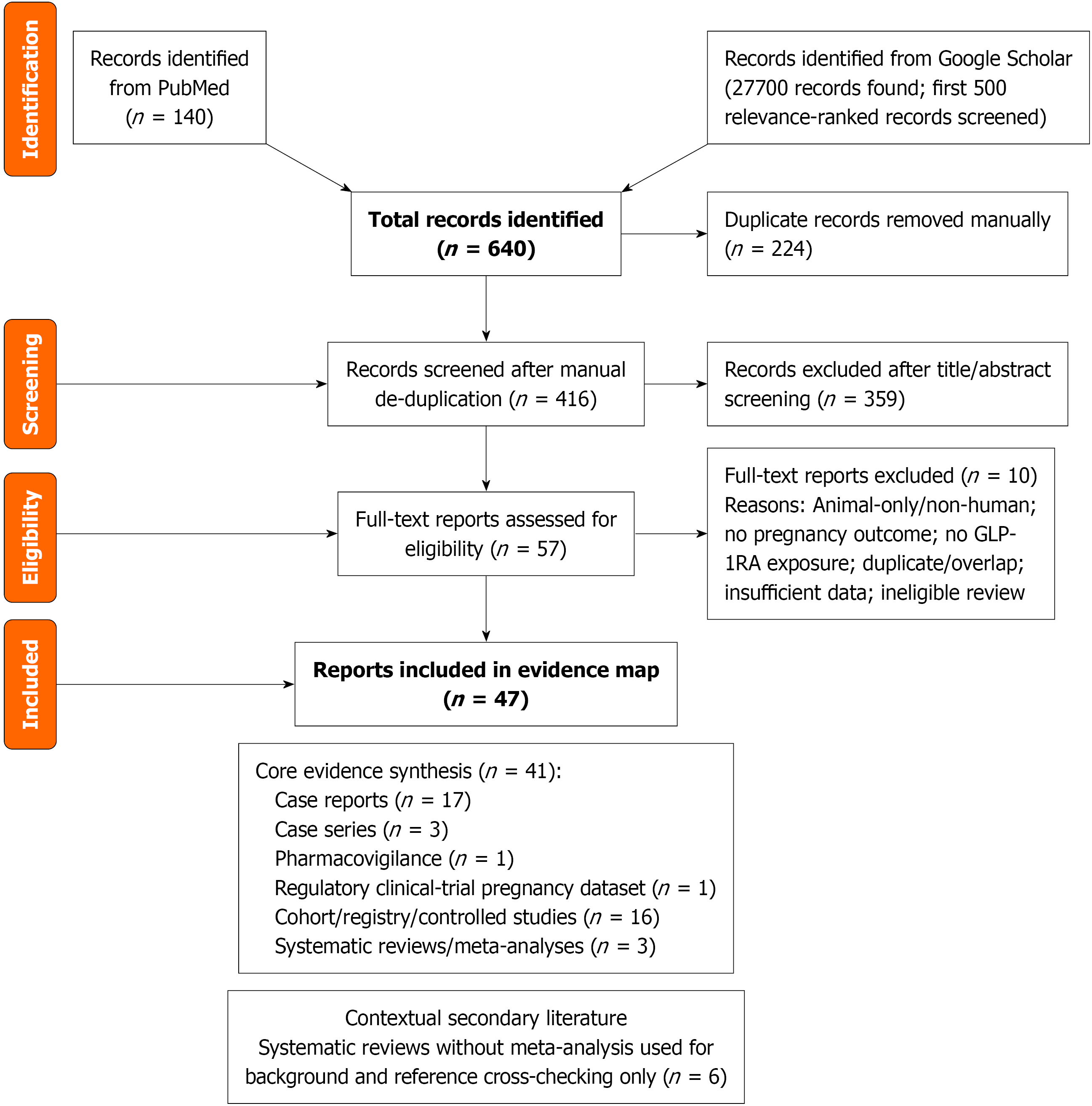
Figure 1 Preferred Reporting Items for Systematic Reviews and Meta-Analyses extension for Scoping Reviews flow diagram for study selection.
Google Scholar count reflects the first 500 relevance-ranked records screened, not the unstable total hit count. Deduplication was performed manually by title, author, year, journal, and DOI. GLP-1RA: Glucagon-like peptide-1 receptor agonist.
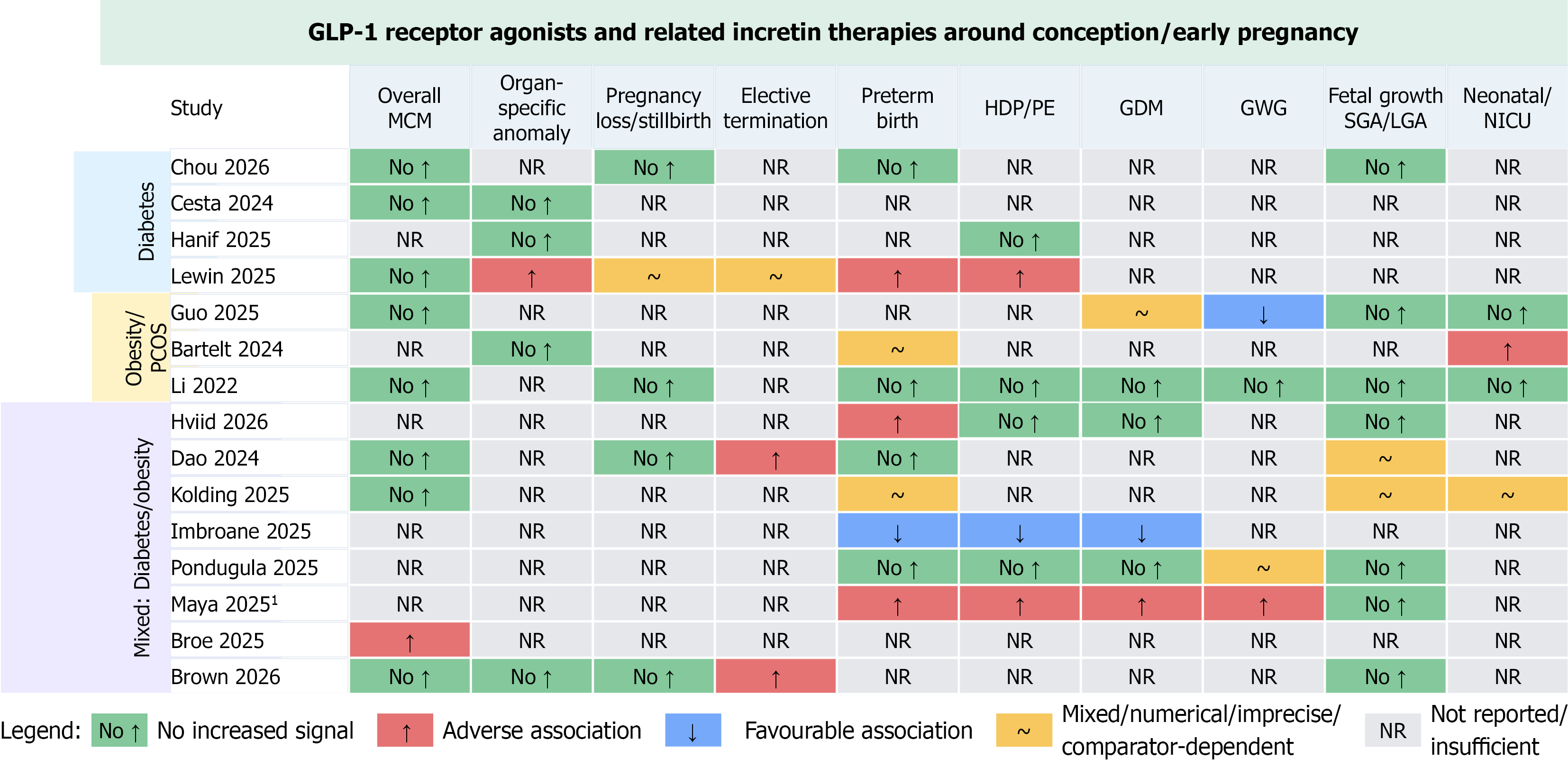
Figure 2 Direction of reported outcome signals across comparative cohort and controlled studies.
Cell colors indicate the reported direction in primary adjusted analyses where available; they do not imply causality. Interpretation depends on comparator choice, exposure definition, adjustment strategy, and underlying maternal metabolic risk. 1Discontinuation trajectory denotes events after discontinuation. GDM: Gestational diabetes mellitus; GLP-1: Glucagon-like peptide-1; GWG: Gestational weight gain; HDP: Hypertensive disorders of pregnancy; LGA: Large for gestational age; MCM: Major congenital malformation; NICU: Neonatal intensive care unit; NR: Not reported; PCOS: Polycystic ovary syndrome; PE: Preeclampsia; SGA: Small for gestational age.
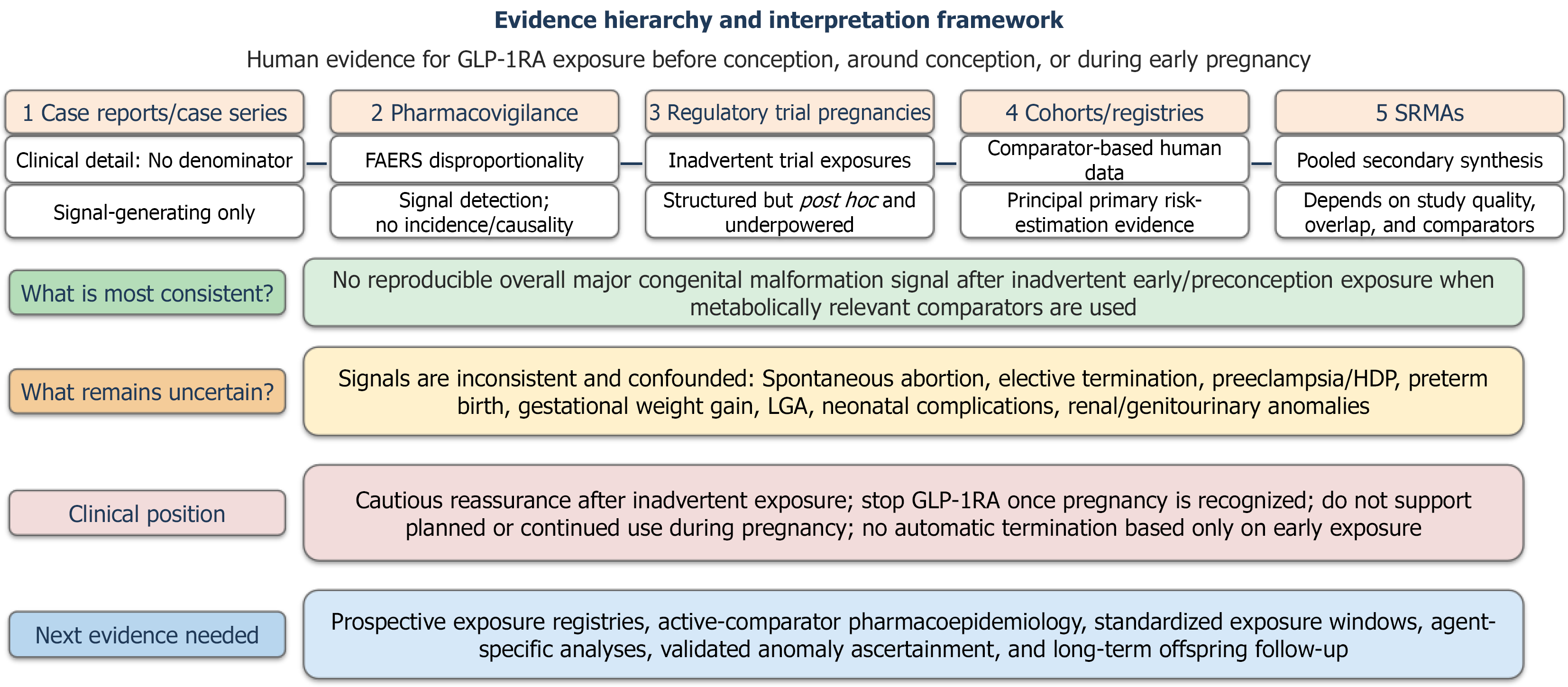
Figure 3 Evidence hierarchy and clinical interpretation framework for glucagon-like peptide-1 receptor agonist exposure around preg
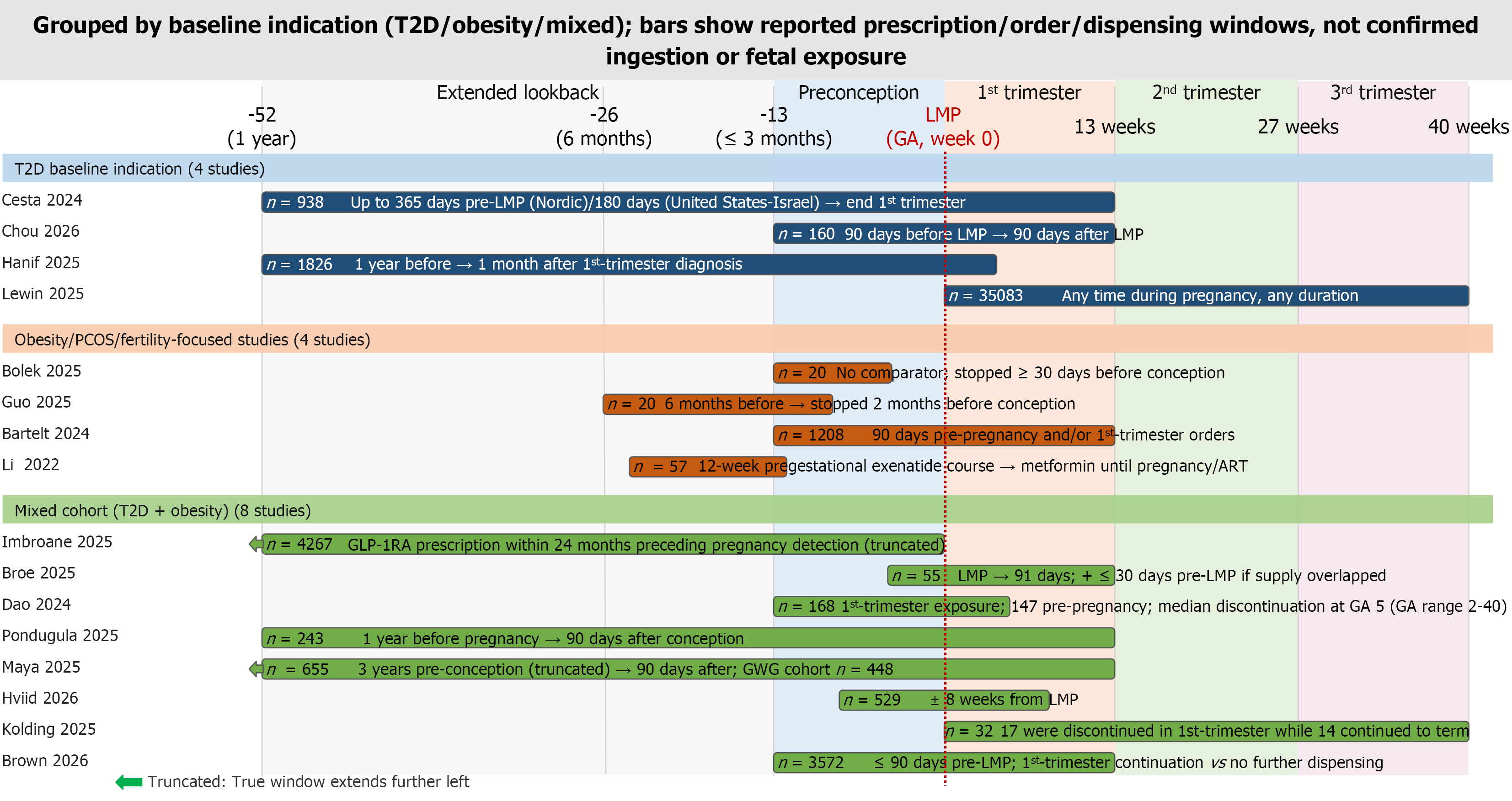
Figure 4 Glucagon-like peptide-1 receptor agonist and related incretin-therapy exposure windows across cohort studies.
n values reflect the number of exposed participants or pregnancies; definitions vary across studies. Conception-based windows are plotted on the same last menstrual period-centered axis for visual comparison. ART: Assisted reproductive technology; GA: Gestational age; GLP-1RA: Glucagon-like peptide-1 receptor agonist; LMP: Last menstrual period; PCOS: Polycystic ovary syndrome; T2D: Type 2 diabetes; GWG: Gestational weight gain.
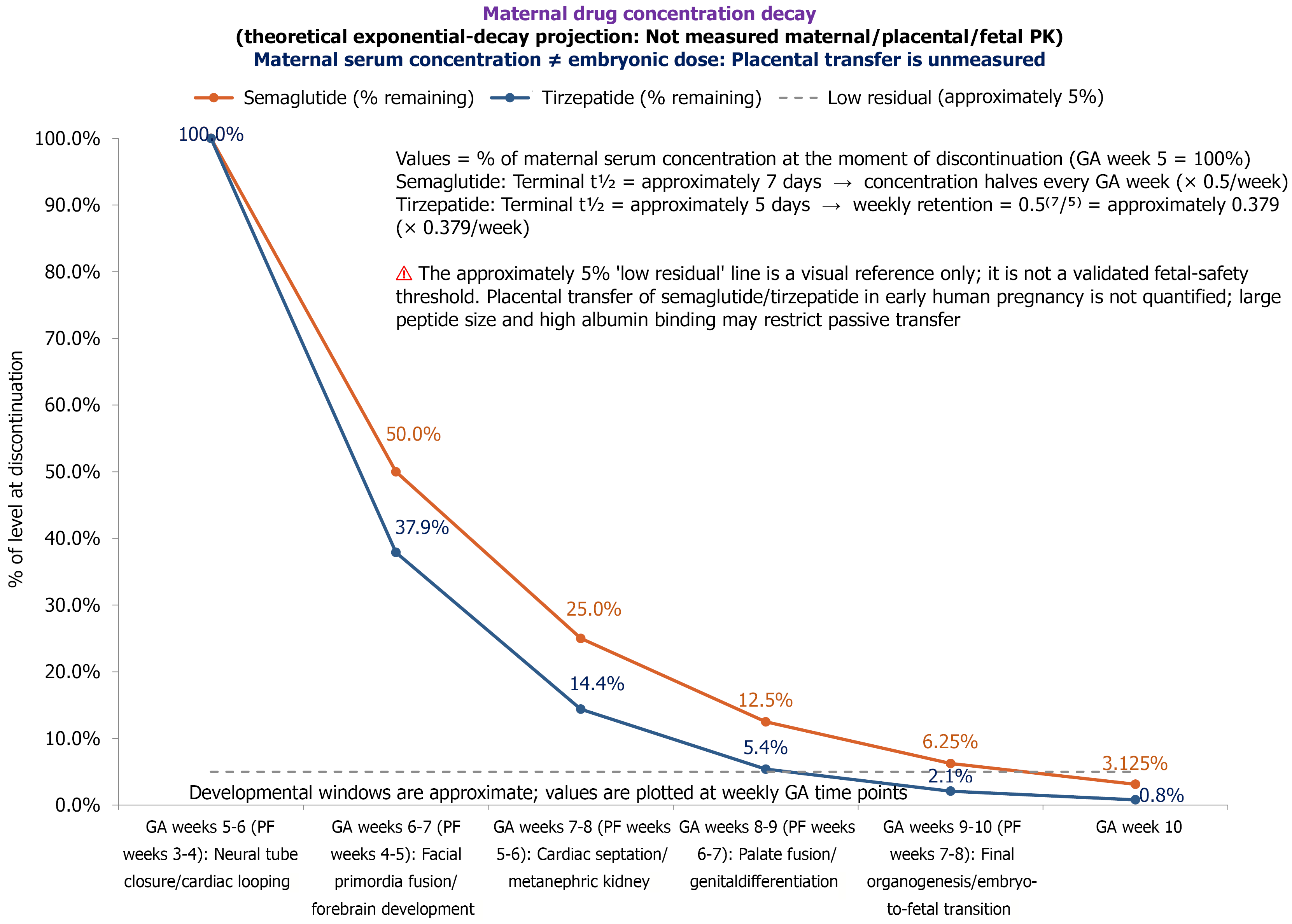
Figure 5 Theoretical maternal washout of semaglutide and tirzepatide mapped to first-trimester organogenesis.
GA: Gestational age from last menstrual period; PF: Post-fertilization age; PK: Pharmacokinetics.
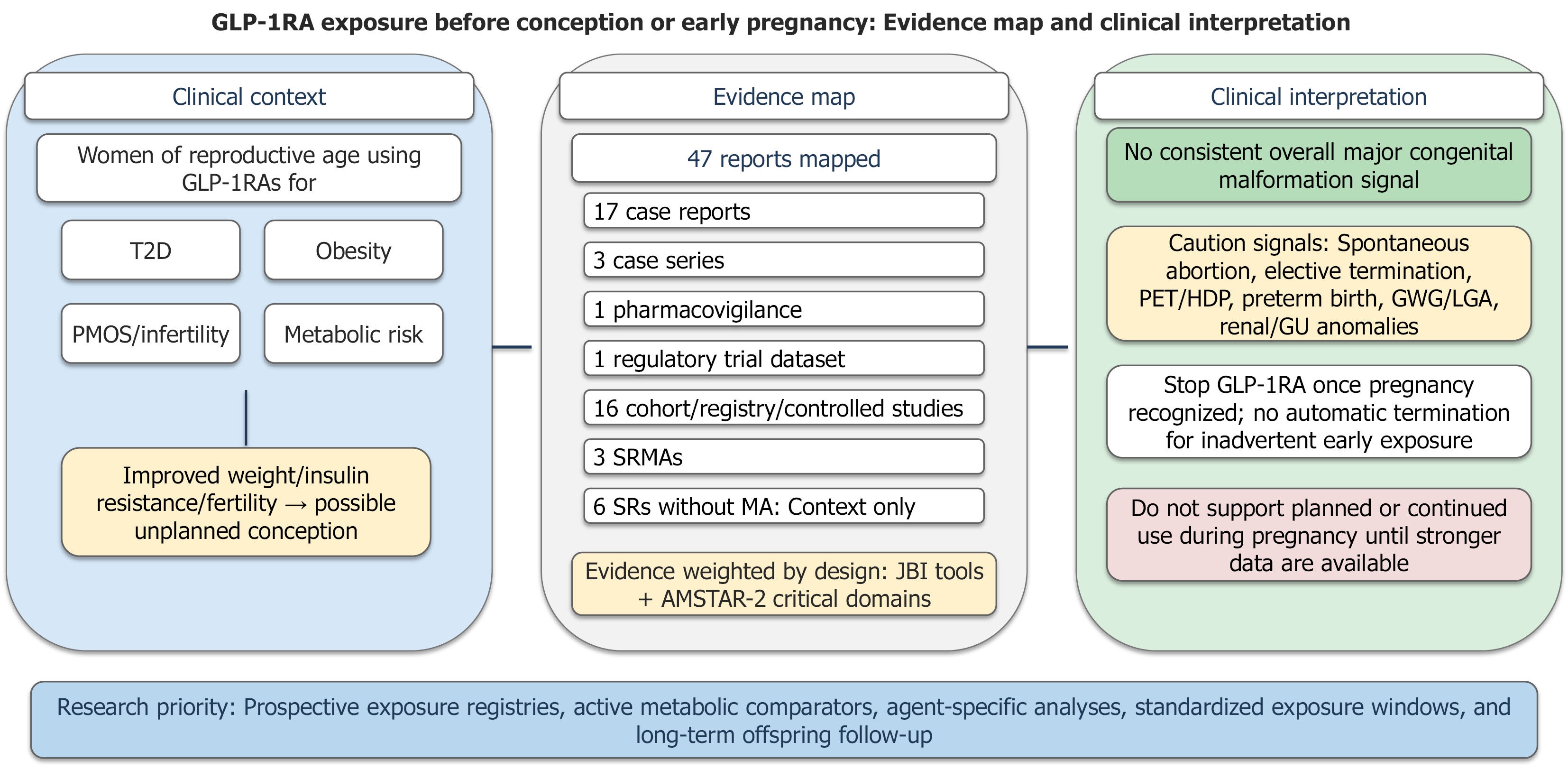
Figure 6 Overall implications of the scoping review.
AMSTAR-2: A Measurement Tool to Assess Systematic Reviews-2; GLP-1RA: Glucagon-like peptide-1 receptor agonist; GU: Genitourinary; GWG: Gestational weight gain; HDP: Hypertensive disorders of pregnancy; JBI: Joanna Briggs Institute; LGA: Large for gestational age; MA: Meta-analysis; PMOS: Polyendocrine metabolic ovarian syndrome; PET: Preeclampsia; SR: Systematic review; SRMA: Systematic review and meta-analysis; T2D: Type 2 diabetes.
- Citation: Singh R, Singh A, Singh AK. Human pregnancy outcomes after early glucagon-like peptide-1 receptor agonist exposure: A scoping review. World J Diabetes 2026; 17(10): 124799
- URL: https://www.wjgnet.com/1948-9358/full/v17/i10/124799.htm
- DOI: https://dx.doi.org/10.4239/wjd.124799