
















©The Author(s) 2025.
World J Diabetes. Dec 15, 2025; 16(12): 105241
Published online Dec 15, 2025. doi: 10.4239/wjd.v16.i12.105241
Published online Dec 15, 2025. doi: 10.4239/wjd.v16.i12.105241
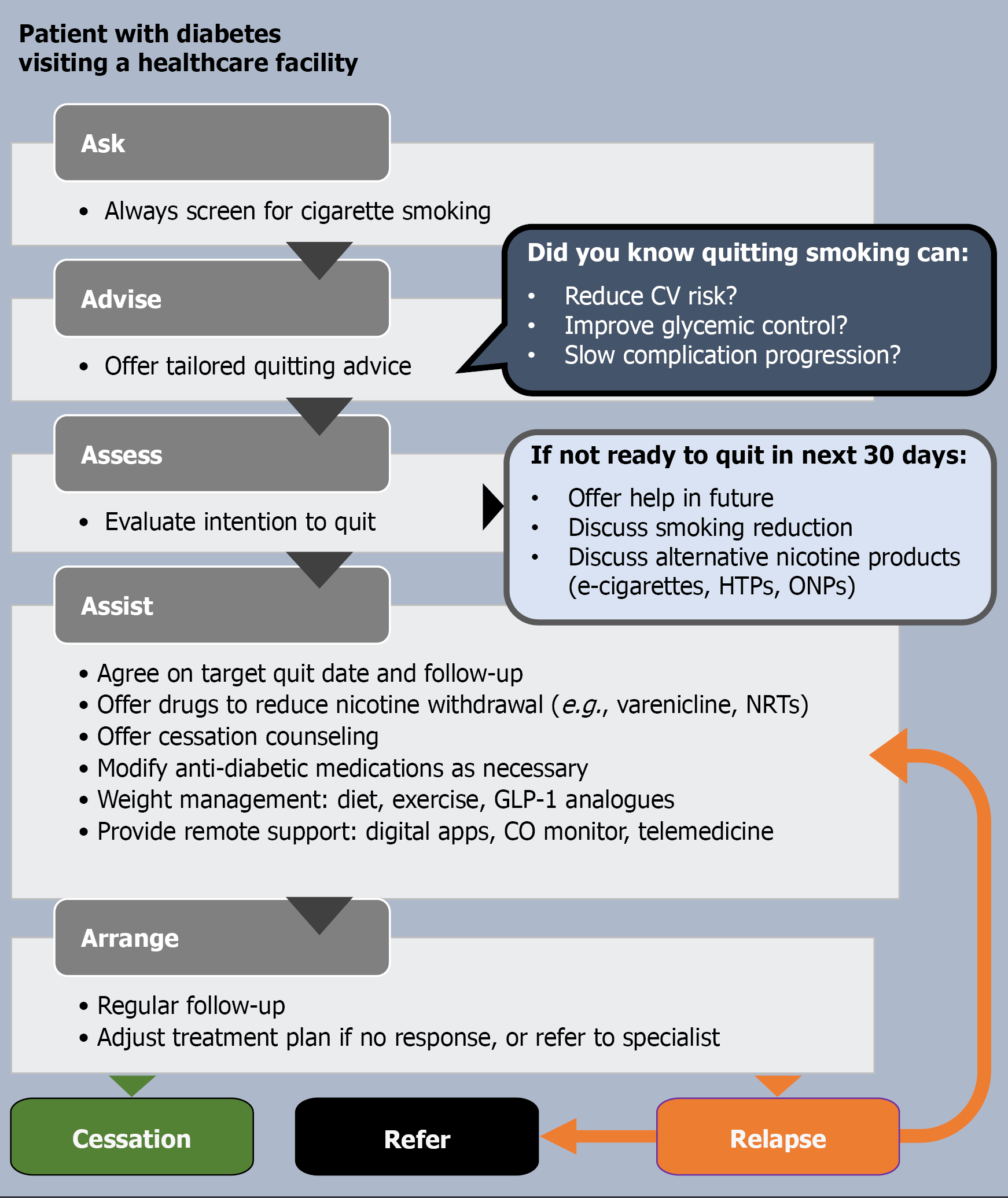
Figure 1 A five-step algorithm for assisting people with diabetes who smoke.
This flowchart outlines the decision-making process for addressing smoking cessation, relapse, and harm reduction in people with diabetes. It begins by identifying smoking behavior and progresses to personalized advice and interventions on the basis of the individual’s smoking status and preferences. A nonjudgmental, supportive approach is emphasized, focusing on the benefits of cessation, including reduced cardiovascular risk, improved glycemic control, and slower progression of diabetes complications such as nephropathy. Key steps include assessing readiness to quit and addressing concerns about cessation therapies, alternative nicotine products (e.g., e-cigarettes), weight gain, and stress management. For patients ready to quit, the framework advocates a quit plan combining psychological counseling with pharmacological support, adjusting antidiabetic medications, and incorporating weight management strategies such as exercise or glucagon-like peptide-1 receptor agonists. For patients who relapse, the framework recommends re-engagement with renewed support and referral to specialized cessation services when needed. For those not ready to quit, maintaining open dialogue, offering harm-reduction strategies (e.g., e-cigarettes), and preparing for future cessation support are emphasized. CV: Cardiovascular; HTP: Heated tobacco product; ONP: Oral nicotine pouches; CO: Carbon monoxide; GLP-1: Glucagon-like peptide-1.
- Citation: Russo C, Walicka M, Cohen G, Bellanca CM, Geraci G, Caponnetto P, Noviello DE, Chianetta R, George J, Sammut R, Franek E, Polosa R. Addressing the dual challenge: Managing smoking cessation in patients with diabetes. World J Diabetes 2025; 16(12): 105241
- URL: https://www.wjgnet.com/1948-9358/full/v16/i12/105241.htm
- DOI: https://dx.doi.org/10.4239/wjd.v16.i12.105241