
















©The Author(s) 2020.
World J Diabetes. Dec 15, 2020; 11(12): 611-621
Published online Dec 15, 2020. doi: 10.4239/wjd.v11.i12.611
Published online Dec 15, 2020. doi: 10.4239/wjd.v11.i12.611
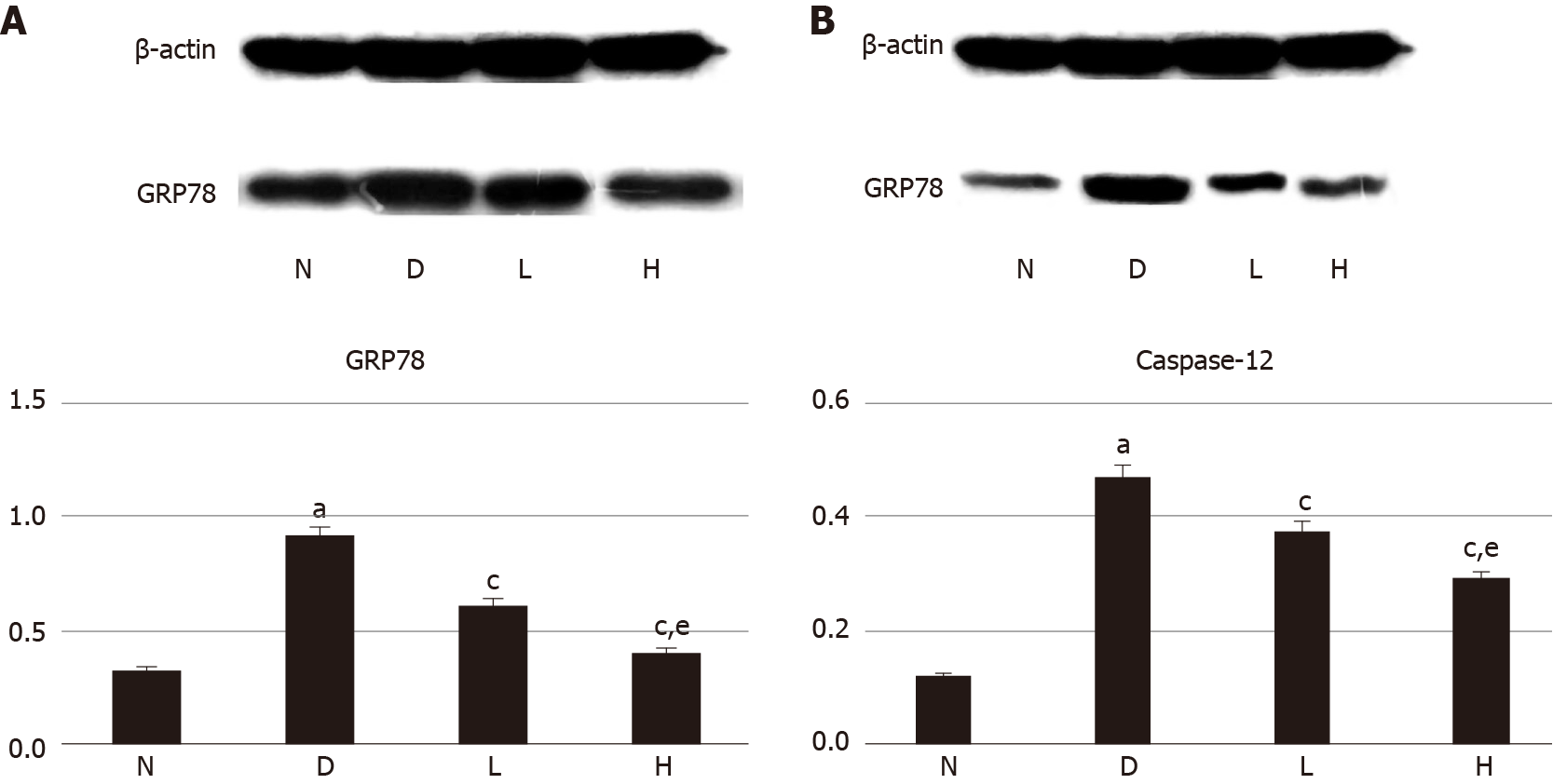
Figure 1 Western blot analysis of GRP78 and caspase-12 expression in the rat kidney.
A: GRP78; B: Caspase-12. aP < 0.05 vs the normal control group (N); cP < 0.05 vs the model group (D); eP < 0.05 vs the low-dose liraglutide group (L). There were 24 rats in total, with 6 rats in each group. N: Normal control group; D: Model group; L: Low-dose liraglutide group; H: High-dose liraglutide group.
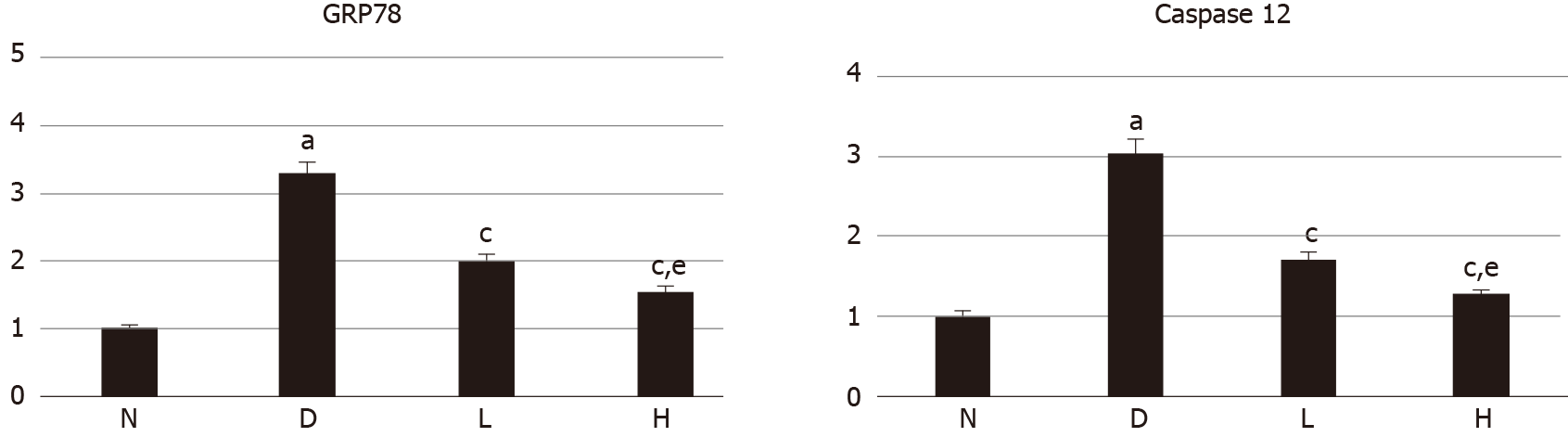
Figure 2 Analysis of rat GRP78 and caspase-12 gene expression by real-time quantitative polymerase chain reaction.
There were 24 rats in total, with 6 rats in each group. aP < 0.05 vs the normal control group (N); cP < 0.05 vs the model group (D); eP < 0.05 vs the low-dose liraglutide group (L). N: Normal control group; D: Model group; L: Low-dose liraglutide group; H: High-dose liraglutide group.
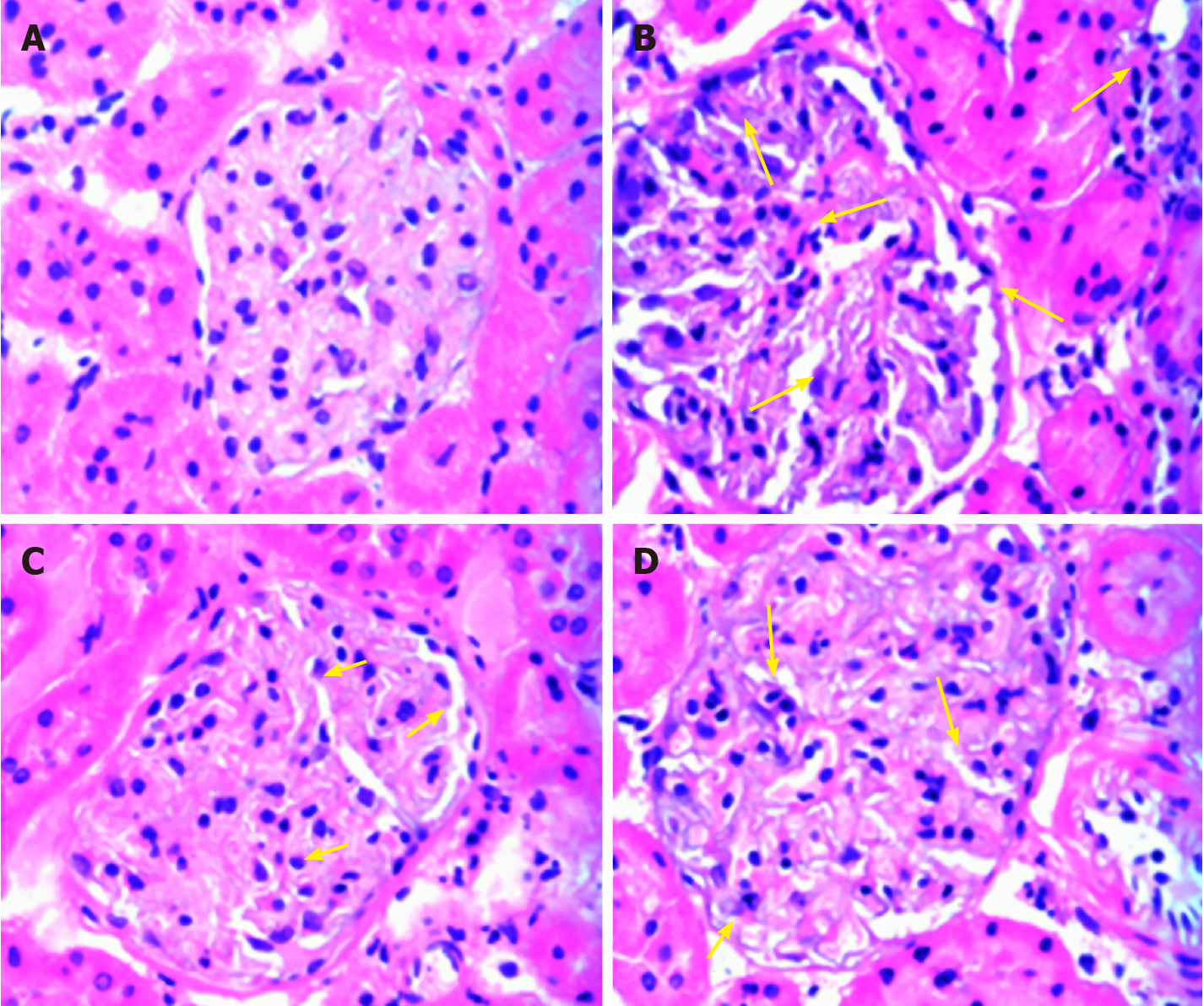
Figure 3 Hematoxylin and eosin staining images showing pathological changes of the rat kidney (40 ×).
A: Normal control group; B: Model group; C: Low-dose liraglutide group; D: High-dose liraglutide group. There were 24 rats in total, with 6 rats in each group. Yellow arrows indicate the degree of glomerular volume change and number of inflammatory cells.
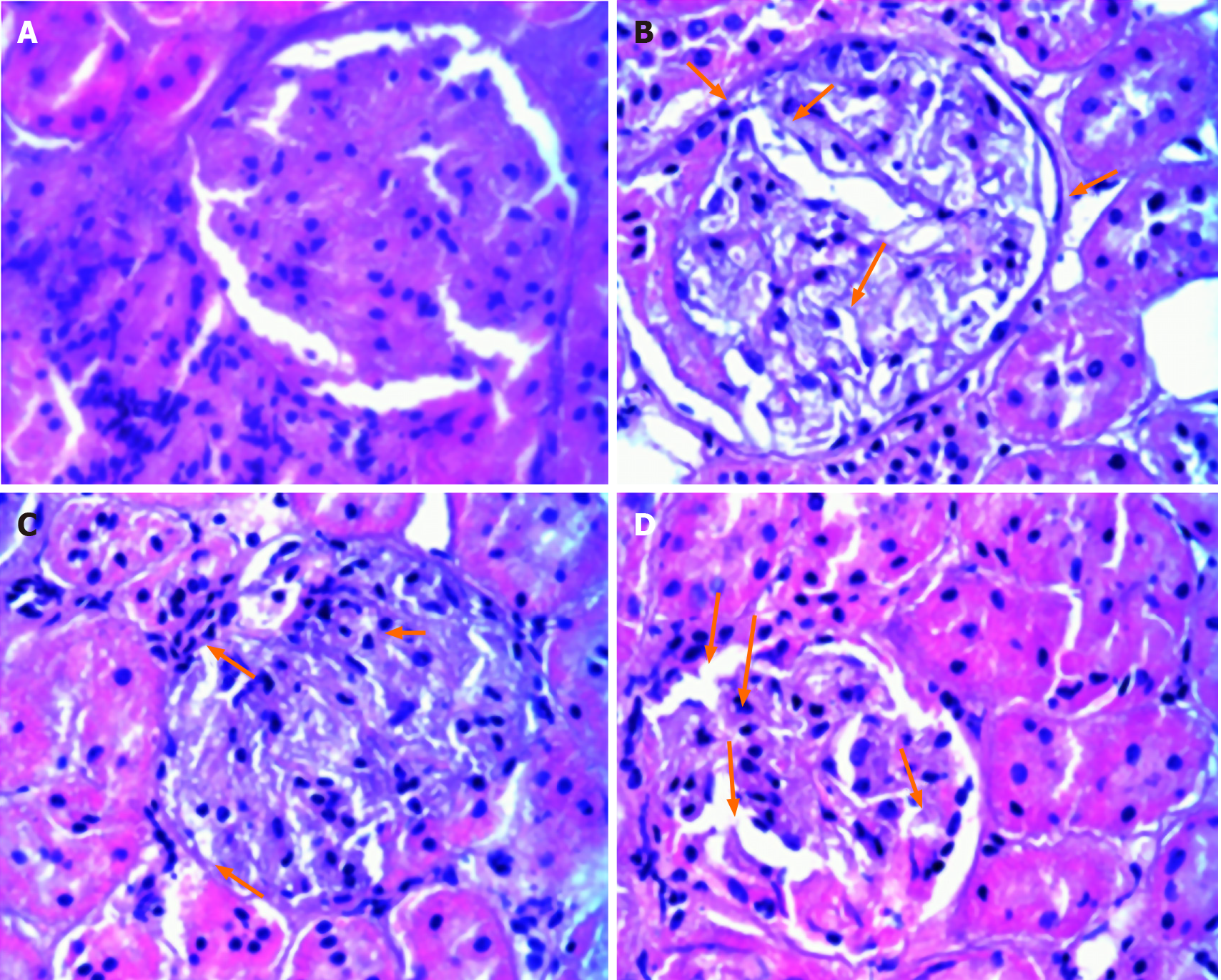
Figure 4 Periodic acid-Schiff staining images of the rat kidney tissue (40 ×).
A: Normal control group; B: Model group; C: Low-dose liraglutide group; D: High-dose liraglutide group. There were 24 rats in total, with 6 rats in each group. Yellow arrows indicate the degree of glomerular volume change, the number of inflammatory cells, and the state of glomerular basement membrane and mesangial proliferation.
- Citation: Zhao XY, Yu TT, Liu S, Liu YJ, Liu JJ, Qin J. Effect of liraglutide on endoplasmic reticulum stress in the renal tissue of type 2 diabetic rats. World J Diabetes 2020; 11(12): 611-621
- URL: https://www.wjgnet.com/1948-9358/full/v11/i12/611.htm
- DOI: https://dx.doi.org/10.4239/wjd.v11.i12.611