
















Copyright: ©Author(s) 2026.
World J Gastrointest Oncol. Aug 15, 2026; 18(8): 120240
Published online Aug 15, 2026. doi: 10.4251/wjgo.v18.i8.120240
Published online Aug 15, 2026. doi: 10.4251/wjgo.v18.i8.120240
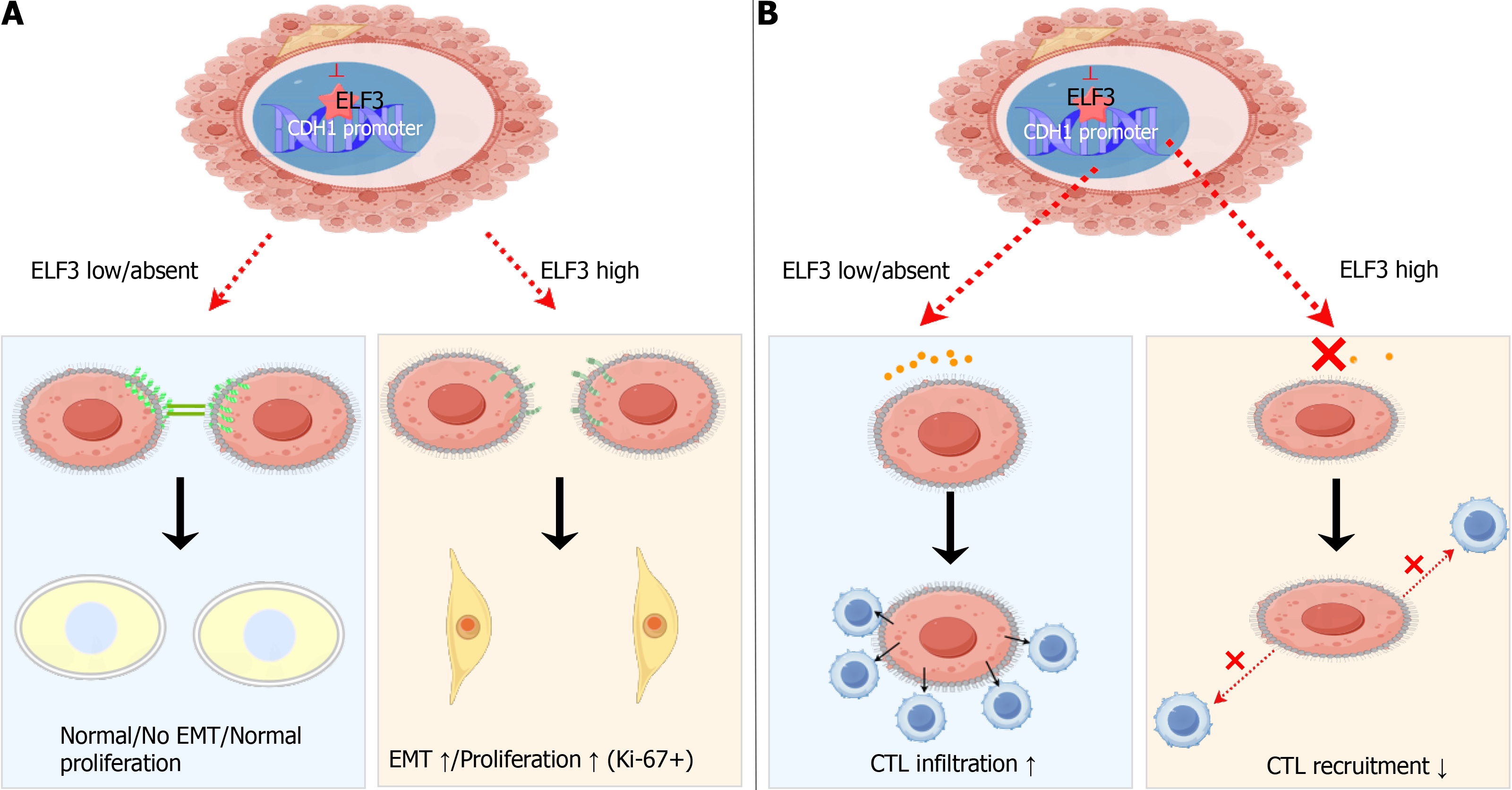
Figure 1 Schematic illustration of the dual role of E74-like E26 transformation-specific transcription factor 3 in gastric cancer pro
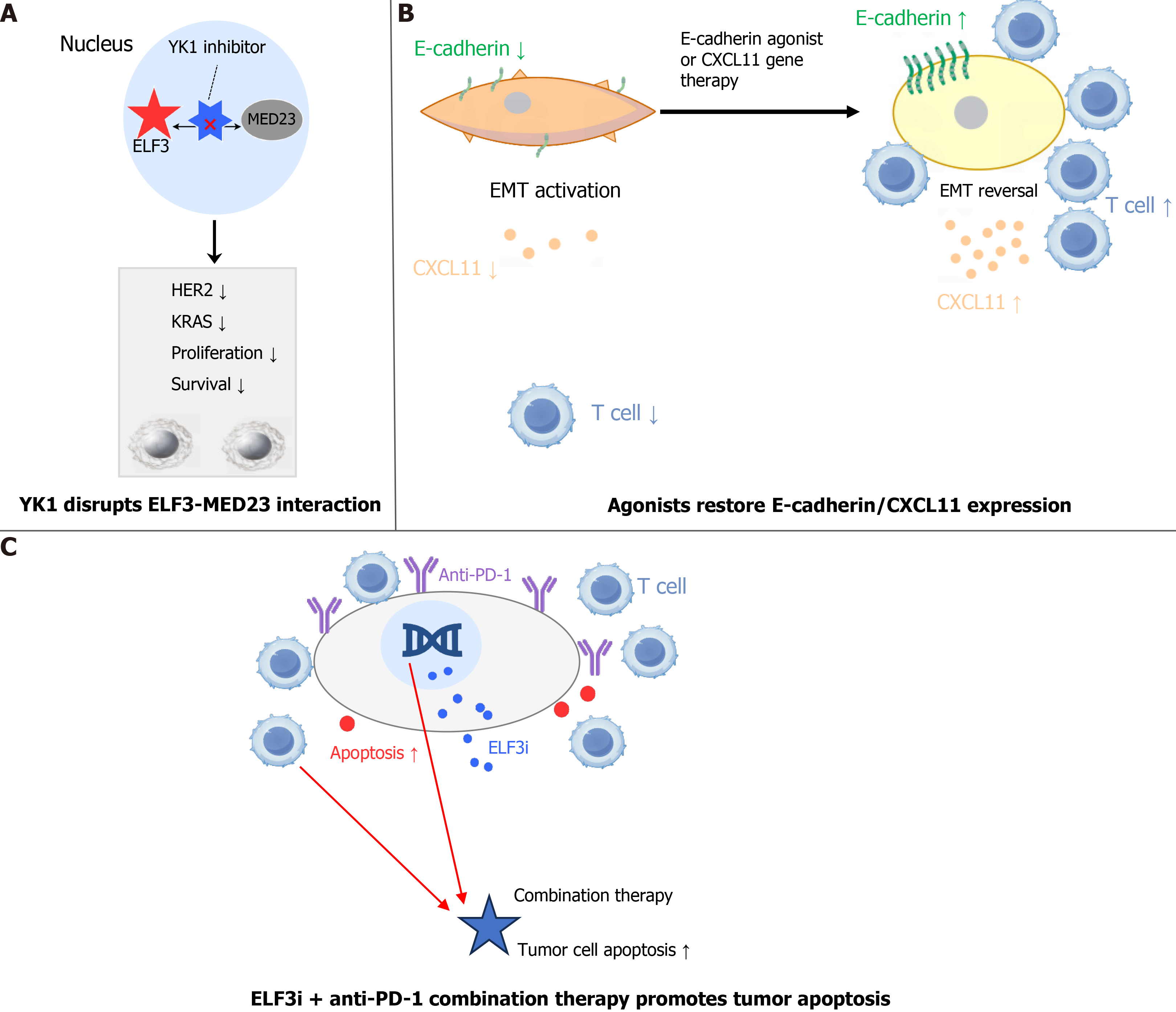
Figure 2 Potential therapeutic strategies that target E74-like E26 transformation-specific transcription factor 3.
A: Direct targeting strategies: Small molecule inhibitors (e.g., YK1) disrupt the E74-like E26 transformation-specific transcription factor 3 (ELF3)-MED23 interaction, inhibiting ELF3 transcriptional activity, with proof-of-concept established in colorectal cancer[11,55]; B: Indirect targeting strategies: Restoring the E-cadherin expression to reverse epithelial-mesenchymal transition, or restoring the CXCL11 expression to enhance cytotoxic T lymphocyte recruitment, presently at the theoretical exploration stage; C: Combination therapy approach: Combining ELF3-targeted agents with immune checkpoint inhibitors may produce synergistic effects in preclinical models. This figure is based on existing literature[11,59,64]. The above strategies await systematic evaluation in gastric cancer. The diagram is drawn by Figdraw (www.figdraw.com). EMT: Epithelial-mesenchymal transition; ELF3: E74-like E26 transformation-specific transcription factor 3.
- Citation: Yan YJ, Yang Z, Chao RY, Shi JL. E74-like E26 transformation-specific transcription factor 3 in gastric cancer: Functions, mechanisms, and clinical translation - unresolved issues. World J Gastrointest Oncol 2026; 18(8): 120240
- URL: https://www.wjgnet.com/1948-5204/full/v18/i8/120240.htm
- DOI: https://dx.doi.org/10.4251/wjgo.v18.i8.120240