
















Copyright: ©Author(s) 2026.
World J Gastrointest Oncol. Jun 15, 2026; 18(6): 118121
Published online Jun 15, 2026. doi: 10.4251/wjgo.v18.i6.118121
Published online Jun 15, 2026. doi: 10.4251/wjgo.v18.i6.118121
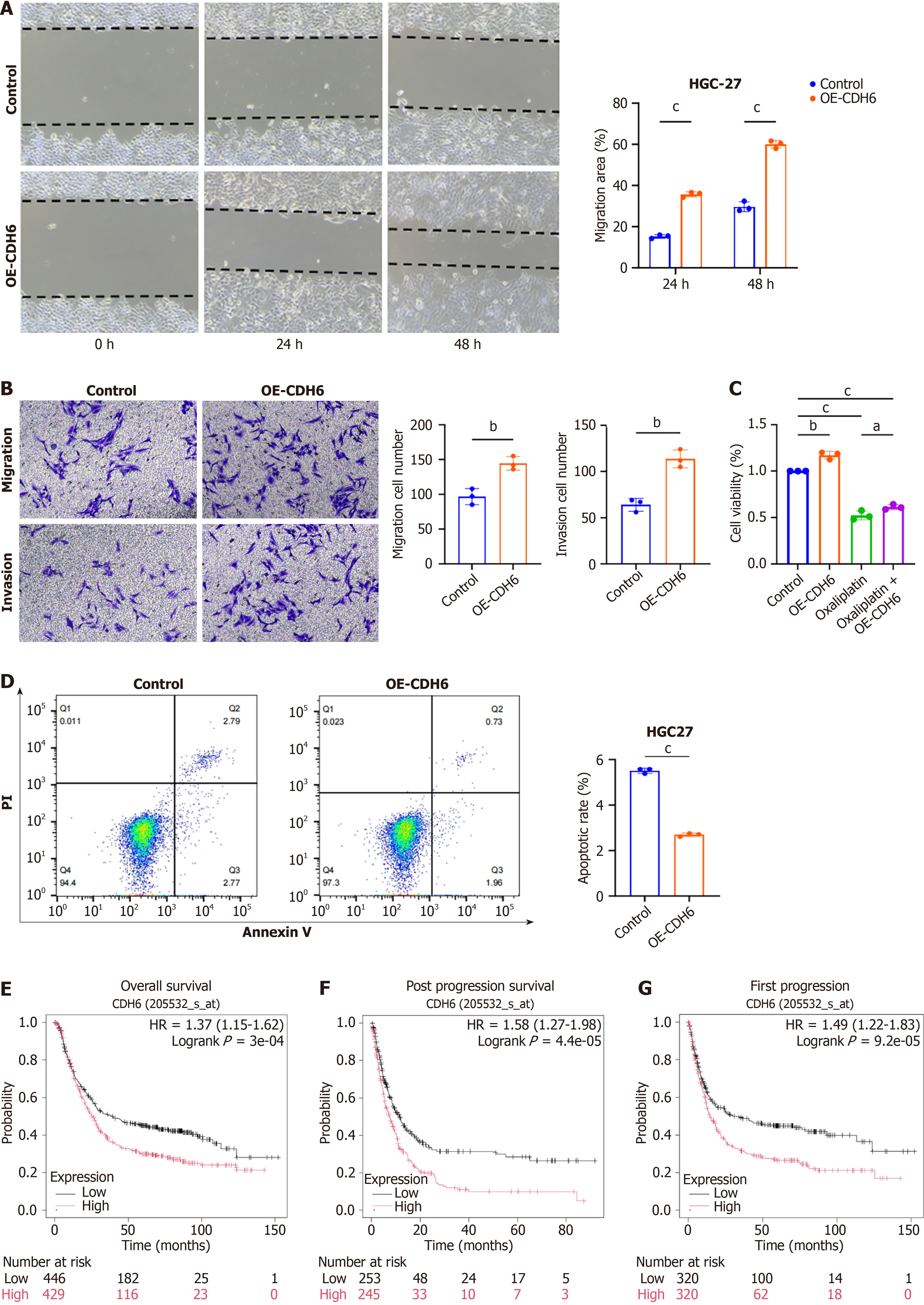
Figure 1 Cadherin 6 overexpression in gastric cancer promotes cell migration, invasion, and proliferation and predicts poor prognosis.
A: Results of wound healing assays showing that at 24 hours and 48 hours, the scratch closure area in the cadherin 6 (CDH6)-overexpression group was significantly larger than that in the control group (P < 0.001); B: Transwell assays demonstrating that CDH6 promotes migration and invasion (P < 0.01) of HGC-27 cells; C: Cell counting kit-8 assays revealing that CDH6 overexpression enhances cell proliferation (P < 0.01); D: Flow cytometry showing significantly lower proportions of apoptotic cells in the CDH6-overexpression group compared to the control group, suggesting that CDH6 overexpression suppresses apoptosis (P < 0.001); E: Survival analysis of CDH6 in gastric cancer patients from Kaplan-Meier plotter (https://kmplot.com/). Overall survival, hazard ratio (HR) = 1.37, 95% confidence interval (CI): 1.15-1.62 (P < 0.0001); F: Post-progression survival, HR = 1.58, 95%CI: 1.27-1.98 (P < 0.0001); G: First progression, HR = 1.49, 95%CI: 1.22-1.83, P < 0.0001. aP < 0.05, bP < 0.01, and cP < 0.001. OE-CDH6: Cadherin 6-overexpression; HR: Hazard ratio.
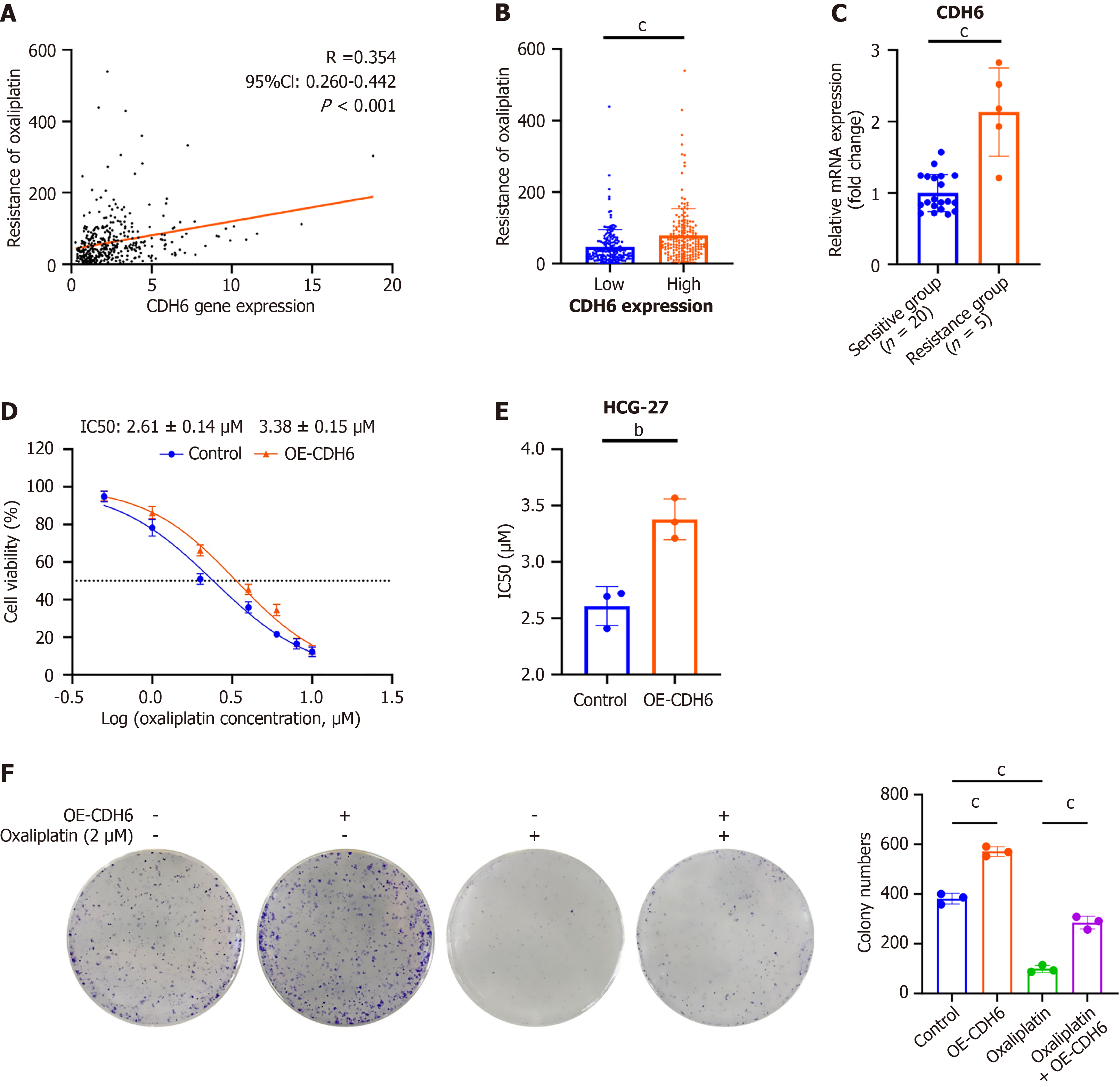
Figure 2 Cadherin 6 promotes oxaliplatin resistance in gastric cancer.
A: Analysis of the correlation between cadherin 6 (CDH6) gene expression and oxaliplatin resistance, indicating that higher CDH6 expression was associated with increased oxaliplatin resistance, r = 0.354, 95% confidence interval: 0.260-0.442 (P < 0.001); B: Comparison of oxaliplatin resistance scores between high and low CDH6 expression groups (P < 0.001); C: Quantitative real-time polymerase chain reaction analysis of CDH6 expression in oxaliplatin-sensitive (n = 20) and oxaliplatin-resistant (n = 5) clinical gastric cancer samples for validation. Sensitive group, mean ± SD: 1.00 ± 0.25; resistance group, mean ± SD: 2.14 ± 0.55 (P < 0.001); D: Oxaliplatin dose-response curves for control and CDH6-overexpression (OE-CDH6) groups. Control group, R2 = 0.983, mean ± SD: 2.61 ± 0.14 μM; OE-CDH6 groups, R2 = 0.984, mean ± SD: 3.38 ± 0.15 μM; E: Half-maximal inhibitory concentration values calculated from dose-response curves for OE-CDH6 and control groups (P < 0.01); F: Colony formation assay results; following oxaliplatin (2 μM) treatment, the OE-CDH6 group formed more colonies than the control group, P < 0.0001. bP < 0.01, cP < 0.001. CDH6: Cadherin 6; CI: Confidence interval; IC50: Half-maximal inhibitory concentration; OE-CDH6: Cadherin 6-overexpression.
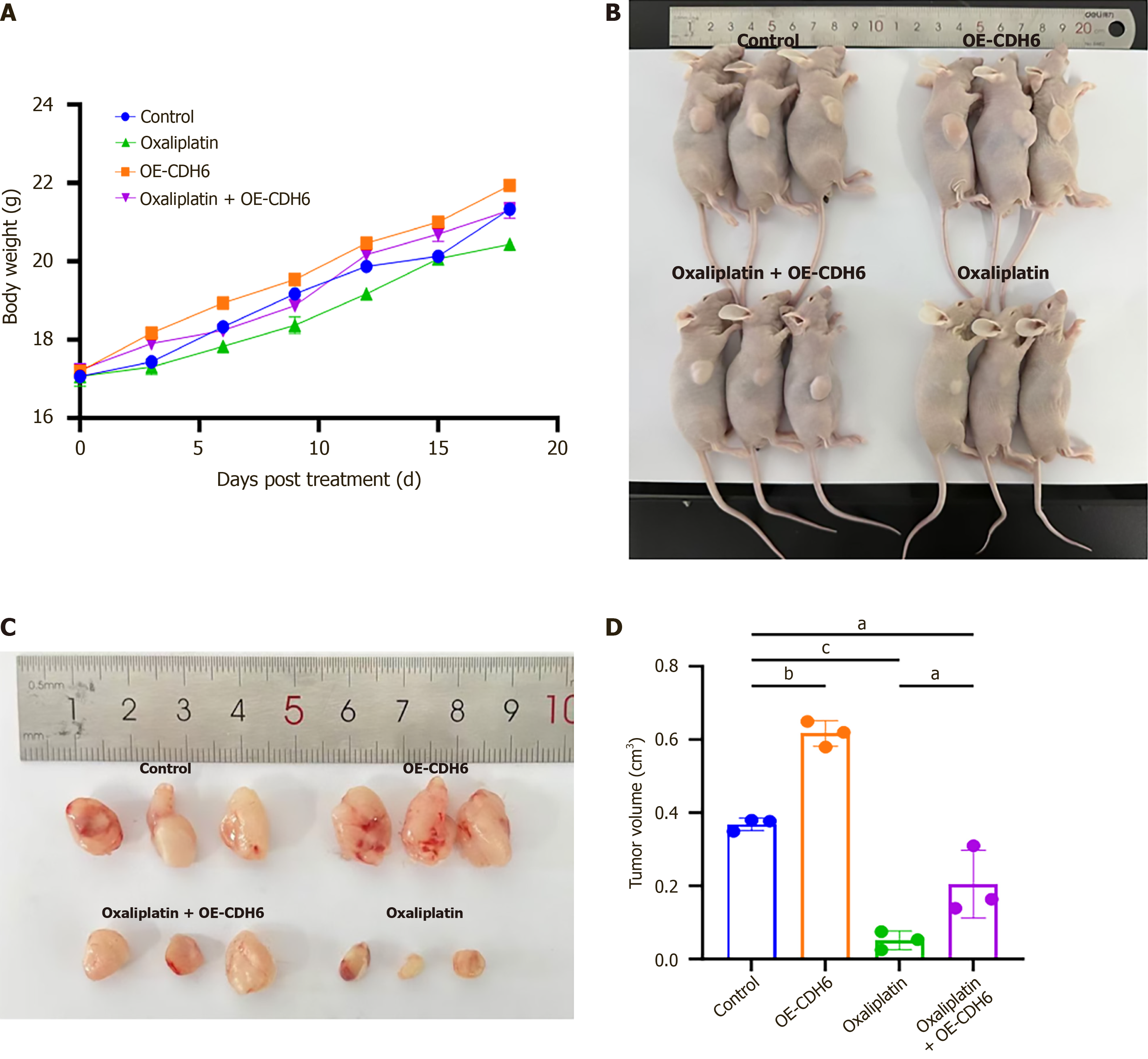
Figure 3 Cadherin 6 overexpression promotes gastric cancer growth and mediates oxaliplatin resistance in vivo.
A: Changes in mouse body weight over time. Body weights of mice in the control, cadherin 6 (CDH6)-overexpression (OE-CDH6), oxaliplatin, and oxaliplatin + OE-CDH6 groups were monitored during the experiment; B: Representative images of mice in each group; C: Gross appearance of tumors from each group; D: Tumor volume analysis. Tumor volume was significantly greater in the OE-CDH6 group than in the control group, and in the oxaliplatin + OE-CDH6 group compared to the oxaliplatin group, indicating that CDH6 overexpression drives gastric cancer proliferation and confers resistance to oxaliplatin. Control group vs OE-CDH6 group (P = 0.0017); oxaliplatin group vs oxaliplatin + OE-CDH6 group (P = 0.027). aP < 0.05, bP < 0.01, and cP < 0.001. OE-CDH6: Cadherin 6-overexpression.
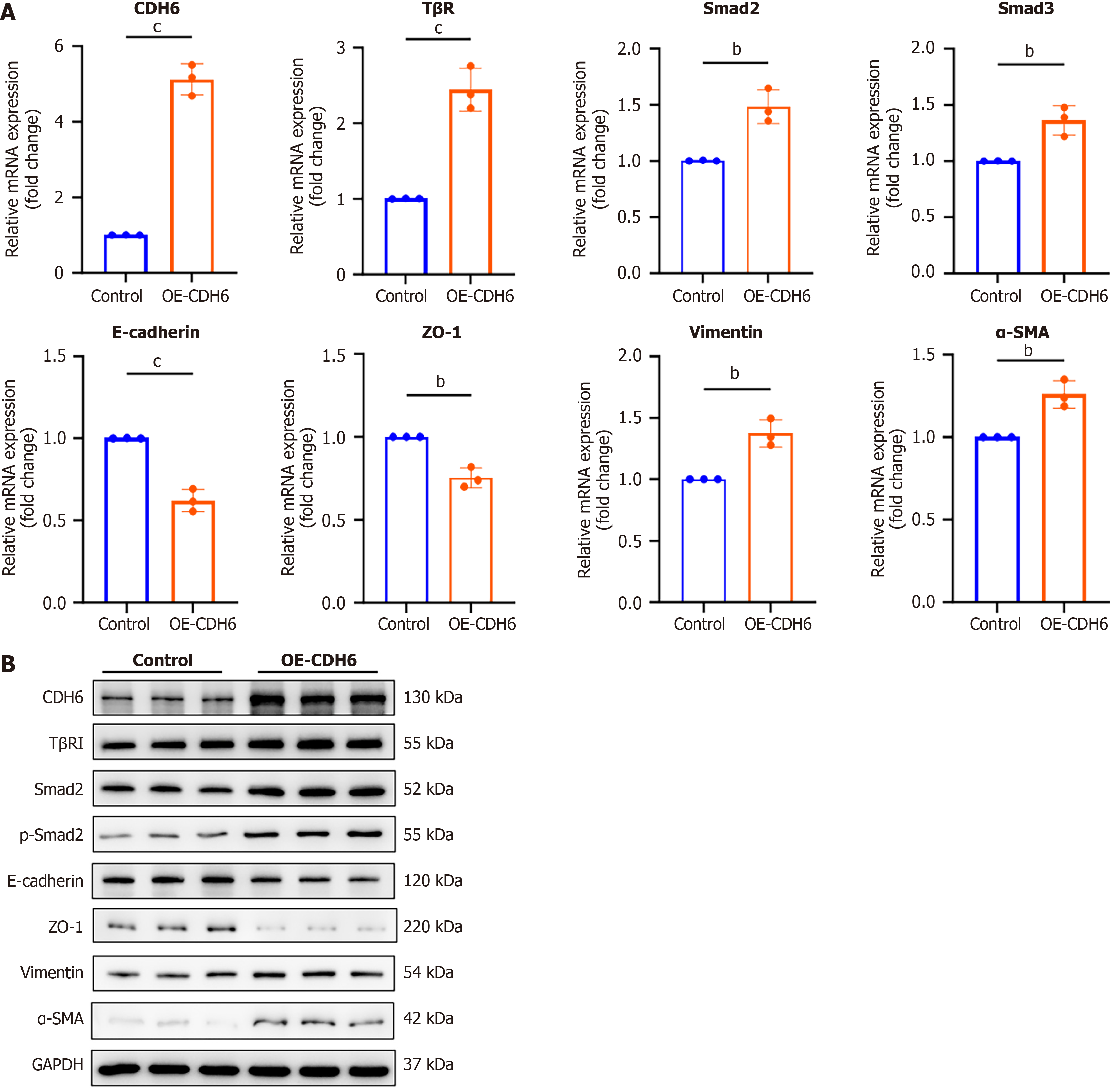
Figure 4 Quantitative real-time polymerase chain reaction and western blotting.
Key genes and proteins involved in the transforming growth factor-β signaling pathway and epithelial-mesenchymal transition were analyzed in the cadherin 6-overexpression and control groups. A: Quantitative real-time polymerase chain reaction; B: Western blotting showed increased expression of TβRI, Smad2 (total Smad2) and phosphorylated Smad2 levels in the cadherin 6-overexpression group (pathway activated), decreased expression of epithelial markers (E-cadherin and zonula occludens-1), and increased expression of mesenchymal markers (N-cadherin, vimentin, and α-smooth muscle actin). Glyceraldehyde-3-phosphate dehydrogenase was used as the normalization control. bP < 0.01, cP < 0.001. CDH6: Cadherin 6; OE-CDH6: Cadherin 6-overexpression; ZO-1: Zonula occludens-1; p-Smad2: Phosphorylated Smad2; SMA: Smooth muscle actin; GAPDH: Glyceraldehyde-3-phosphate dehydrogenase.
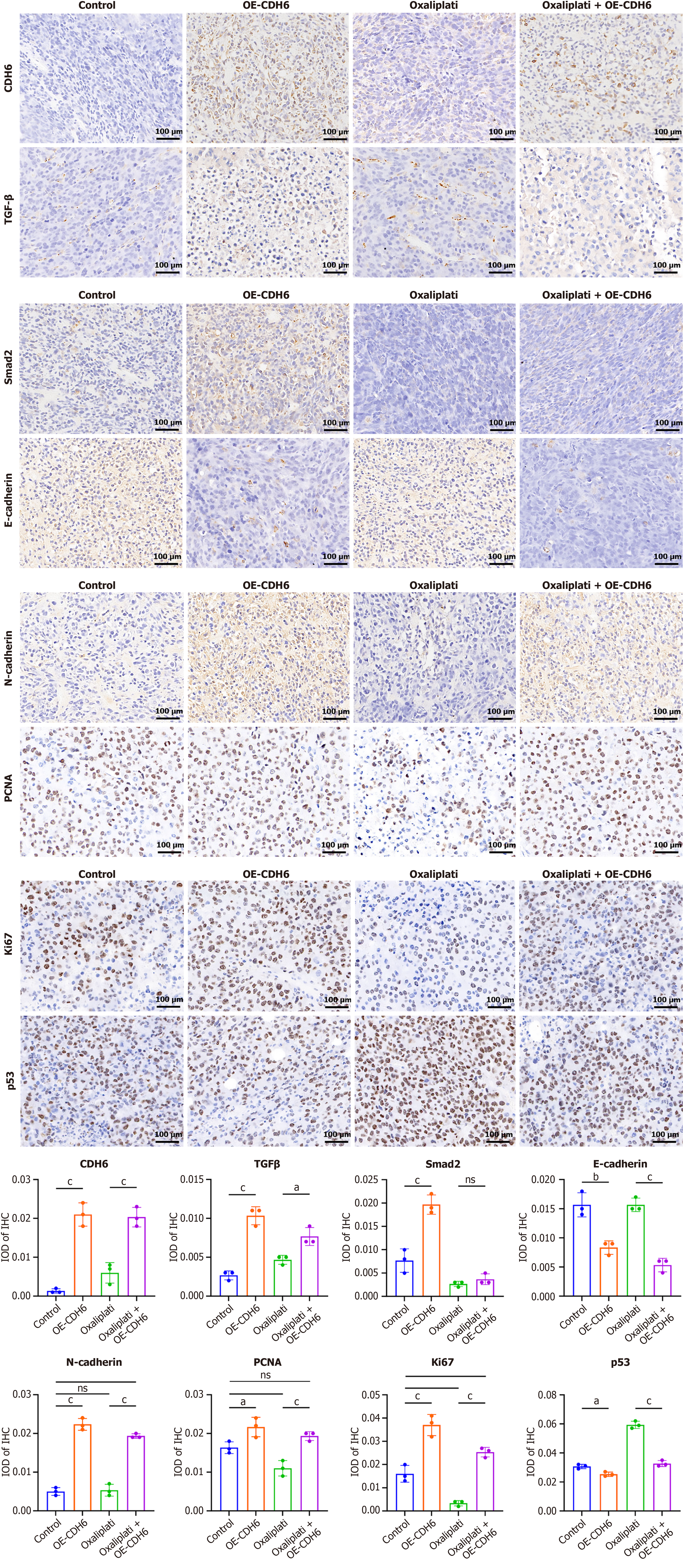
Figure 5 Immunohistochemistry of gastric cancer tissues.
Immunohistochemistry verified that cadherin 6 overexpression exerted a synergistic effect to activate the transforming growth factor-β signaling pathway and induced epithelial-mesenchymal transition. aP < 0.05, bP < 0.01, and cP < 0.001. OE-CDH6: Cadherin 6-overexpression; CDH6: Cadherin 6; TGF-β: Transforming growth factor-β; PCNA: Proliferating cell nuclear antigen; IOD: Integrated optical density; IHC: Immunohistochemistry; ns: Not significant.
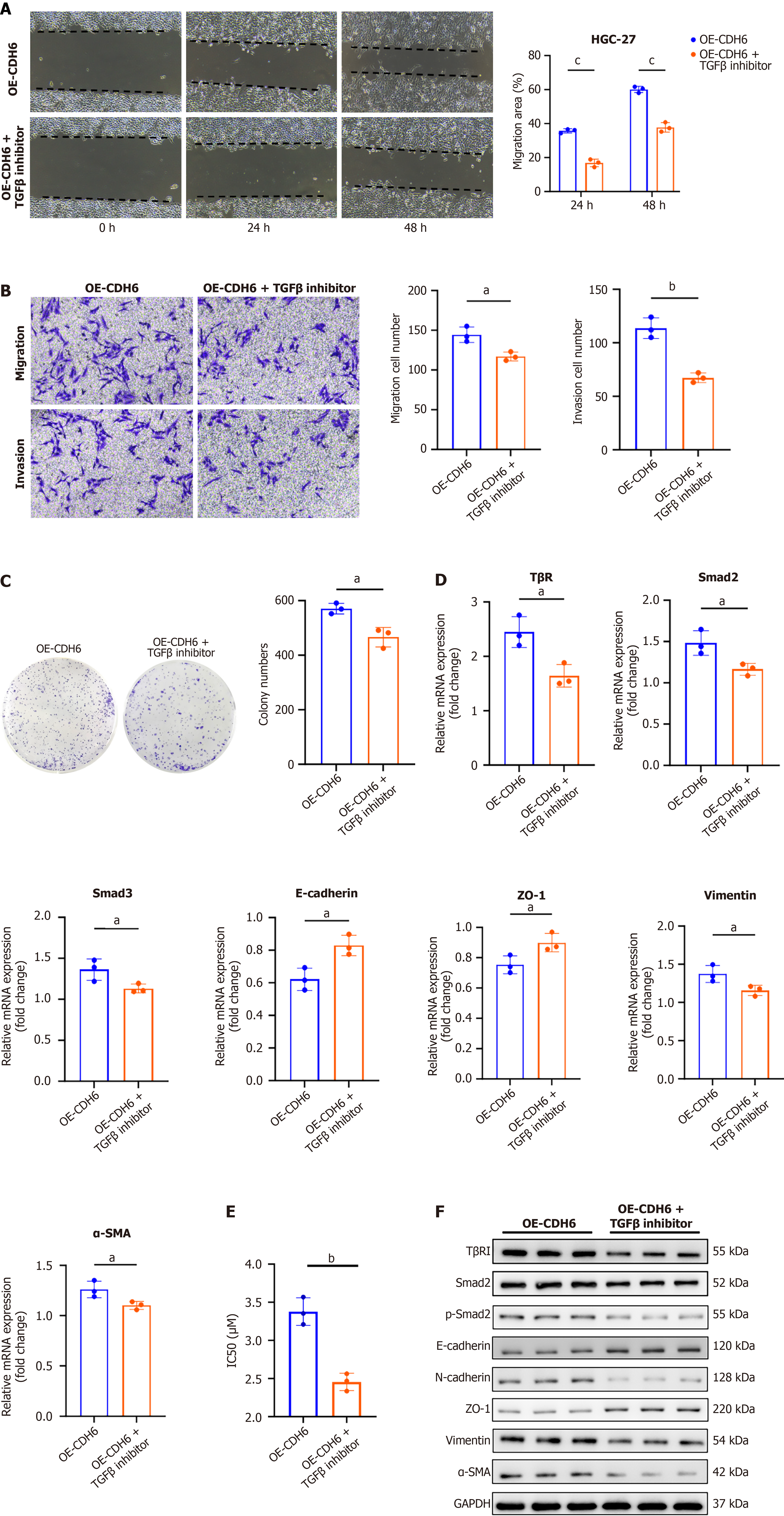
Figure 6 Rescue experiments confirming that cadherin 6 mediates phenotypes via the transforming growth factor-β pathway.
A: Images from wound healing assays for cadherin 6 (CDH6)-overexpression (OE-CDH6) and OE-CDH6 + transforming growth factor (TGF)-β inhibitor (10 μM) groups at 0, 24, and 48 hours. Right panel: Quantitative analysis showed that TGF-β inhibitor significantly rescued (reduced) the enhanced migration ability induced by CDH6 overexpression (P < 0.001); B: Images from migration and invasion assays showing that TGF-β inhibitor decreased cell migration (P = 0.0134) and invasion (P = 0.0016); C: Images from colony formation assays showed that TGF-β inhibitor suppressed colony formation in OE-CDH6 cells, suggesting that CDH6-mediated proliferation enhancement depends on the TGF-β pathway (P = 0.0113); D: Quantitative real-time polymerase chain reaction showed that TGF-β inhibitor reduced expression of TβRI (P = 0.0168), Smad2 (P = 0.0293), and Smad3 (P = 0.0486) (upregulated by CDH6 overexpression) and restored expression of epithelial markers E-cadherin (P = 0.0179) and zonula occludens-1 (P = 0.0412) while downregulating that of mesenchymal markers vimentin (P = 0.0443) and α-smooth muscle actin (P = 0.0402); E: TGF-β inhibitor treatment reduced the half-maximal inhibitory concentration of oxaliplatin, indicating reversal of oxaliplatin resistance induced by CDH6 overexpression (P = 0.0017); F: Western blotting showed that TGF-β inhibitor decreased TβRI, Smad2 (total Smad2) and phosphorylated Smad2 levels (indicating suppressed pathway activation), increased expression of epithelial markers (E-cadherin and zonula occludens-1), and decreased expression of mesenchymal markers (N-cadherin, vimentin, and α-smooth muscle actin), confirming reversal of the epithelial-mesenchymal transition phenotype and TGF-β pathway inhibition. Glyceraldehyde-3-phosphate dehydrogenase was used as the normalization control. aP < 0.05, bP < 0.01, and cP < 0.001. CDH6: Cadherin 6; OE-CDH6: Cadherin 6-overexpression; TGF: Transforming growth factor; ZO-1: Zonula occludens-1; SMA: Smooth muscle actin; p-Smad2: Phosphorylated Smad2; GAPDH: Glyceraldehyde-3-phosphate dehydrogenase; IC50: Half-maximal inhibitory concentration.
- Citation: Zhao ZX, Liu QL, Fan JX, Zhu S, Wang FS, Hu ZJ. Cadherin 6 drives epithelial-mesenchymal transition and oxaliplatin resistance in gastric cancer via transforming growth factor-β/Smad signaling axis. World J Gastrointest Oncol 2026; 18(6): 118121
- URL: https://www.wjgnet.com/1948-5204/full/v18/i6/118121.htm
- DOI: https://dx.doi.org/10.4251/wjgo.v18.i6.118121