
















Copyright: ©Author(s) 2026.
World J Gastrointest Oncol. Jun 15, 2026; 18(6): 117697
Published online Jun 15, 2026. doi: 10.4251/wjgo.v18.i6.117697
Published online Jun 15, 2026. doi: 10.4251/wjgo.v18.i6.117697
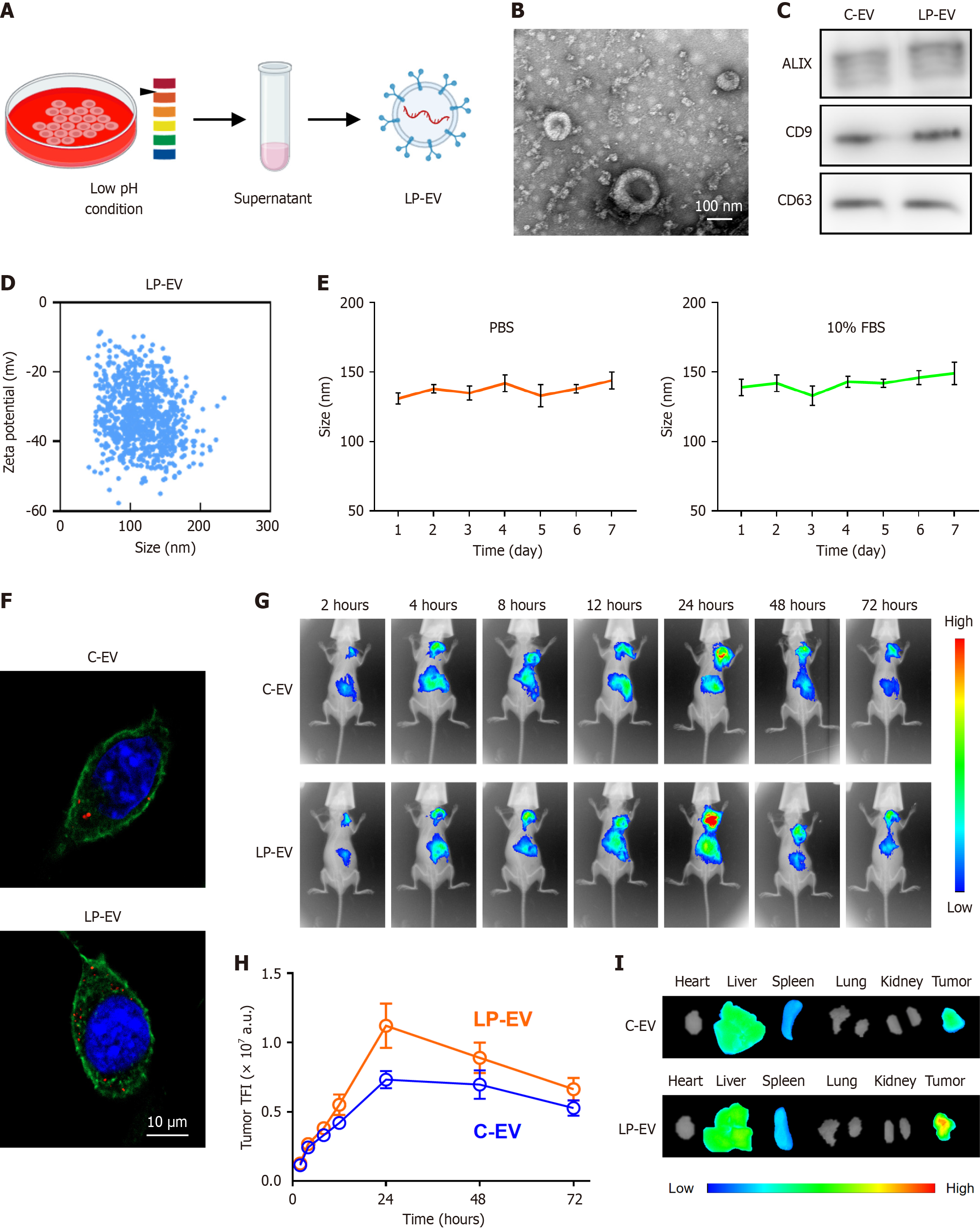
Figure 1 Preparation, characterization, and tumor-targeting ability of low-pH preconditioned macrophage-derived extracellular vesicles.
A: Schematic illustrating the generation of low-pH preconditioned macrophage-derived extracellular vesicles (EVs); B: Representative transmission electron microscopy image of low-pH preconditioned macrophage-derived extracellular vesicles (LP-EV). Scale bar: 100 nm; C: Western blot analysis of EV marker proteins (ALIX, CD9, CD63); D: Nanoparticle tracking analysis showing the size distribution and zeta potential of LP-EV; E: Stability assessment of LP-EV stored in PBS or PBS containing 10% fetal bovine serum at 4 °C for up to 7 days; F: Confocal microscopy images showing MKN45 gastric cancer cells after incubation with DiI-labeled control EVs (C-EV) or LP-EV (red). Nuclei were stained with DAPI (blue), and F-actin was stained with phalloidin (green). Scale bar: 10 μm; G: Representative in vivo fluorescence images of MKN45 tumor-bearing nude mice at indicated time points after intravenous injection of DiR-labeled C-EV or LP-EV; H: Quantification of fluorescence intensity in tumor regions from G (n = 3); I: Representative ex vivo fluorescence images of major organs and tumors harvested 72 hours post-injection. LP-EV: Low-pH preconditioned macrophage-derived extracellular vesicles; C-EV: Control extracellular vesicles; FBS: Fetal bovine serum.
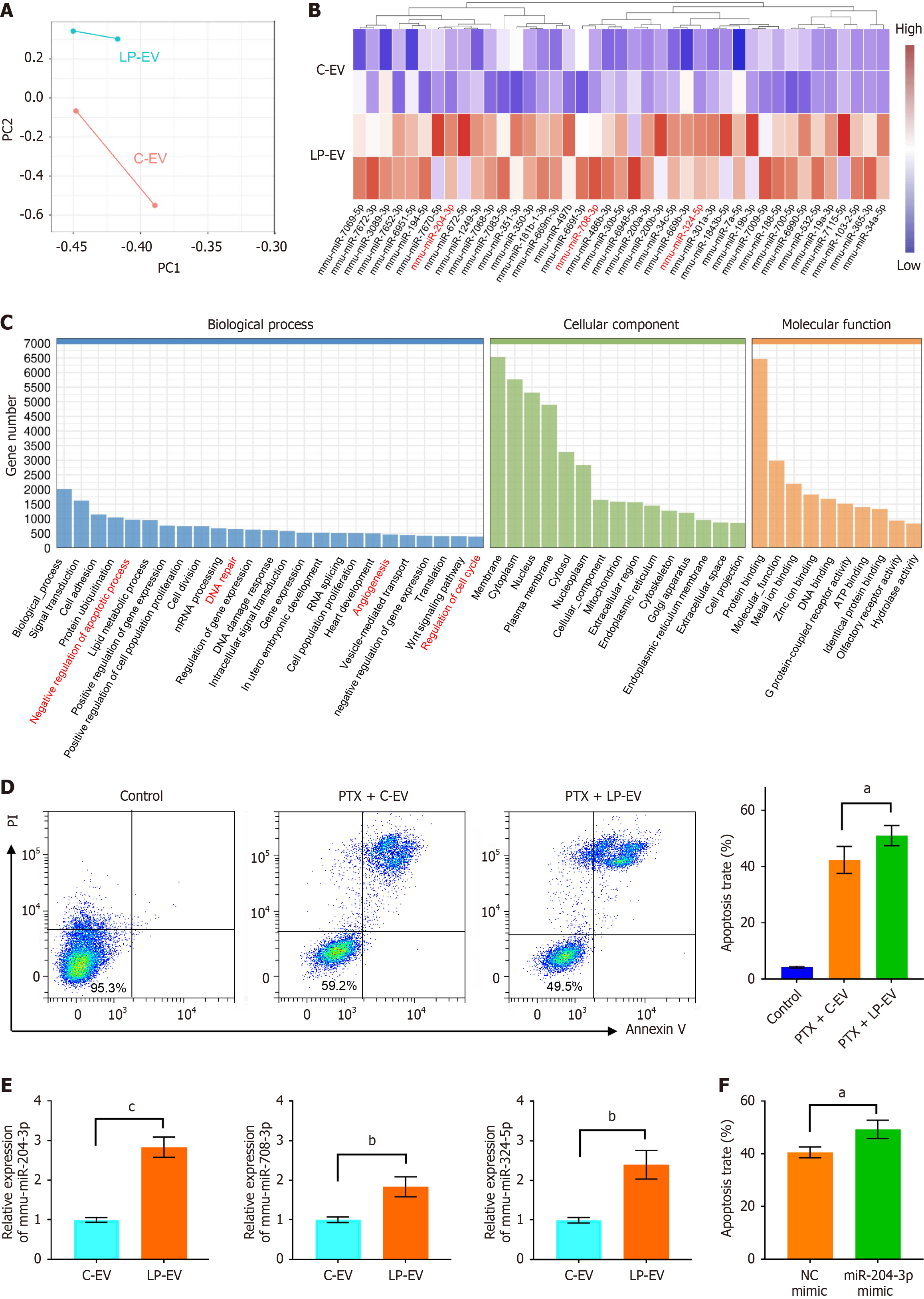
Figure 2 miRNA profiling and functional analysis of low-pH preconditioned macrophage-derived extracellular vesicles.
A: Principal component analysis of miRNA expression profiles from control-extracellular vesicles (C-EV) and low-pH preconditioned macrophage-derived EVs (LP-EV); B: Heatmap displaying upregulated miRNAs in LP-EV compared to C-EV (|log2 fold change| > 1, P < 0.05); C: Gene Ontology enrichment analysis of predicted target genes for miRNAs upregulated in LP-EV; D: Flow cytometry analysis of apoptosis in MKN45 cells treated with PBS, paclitaxel (PTX) combined with C-EV, or PTX combined with LP-EV. The right panel shows the quantitative analysis of apoptotic cell percentages; E: Quantitative real-time PCR validation of selected miRNAs (miR-204-3p, miR-708-3p, and miR-324-5p) in LP-EV compared with C-EV; F: Quantitative analysis of apoptotic cell populations in MKN45 cells transfected with negative control mimic or miR-204-3p mimic, followed by treatment with PTX in combination with C-EV. Data in (D-F) represent means ± SD. Statistical significance was tested using unpaired t test (E and F) or one-way ANOVA with multiple comparison tests (D), aP < 0.05, bP < 0.01, cP < 0.001. LP-EV: Low-pH preconditioned macrophage-derived extracellular vesicle; C-EV: Control extracellular vesicle; PTX: Paclitaxel; PI: Propidium iodide; NC: Negative control.
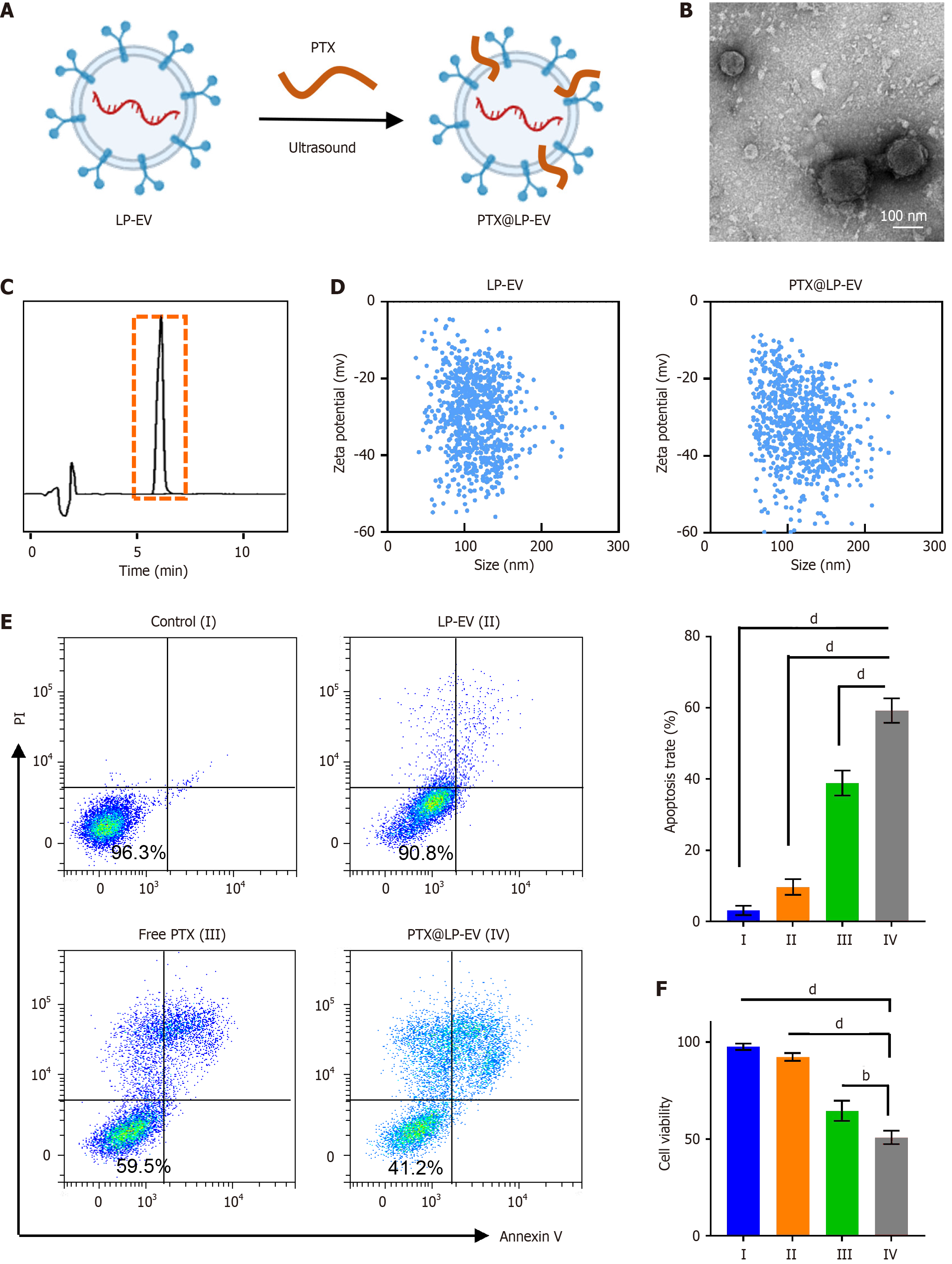
Figure 3 Preparation and in vitro anti-tumor evaluation of paclitaxel-loaded low-pH preconditioned macrophage-derived extracellular vesicles.
A: Schematic illustrating the preparation of paclitaxel (PTX)-loaded low-pH preconditioned macrophage-derived extracellular vesicles (LP-EV) (PTX@LP-EV) via sonication; B: Representative transmission electron microscopy image of PTX@LP-EV. Scale bar: 100 nm; C: High-performance liquid chromatography chromatograms of PTX@LP-EV lysate; D: Nanoparticle tracking analysis showing the size distribution and zeta potential of LP-EV and PTX@LP-EV; E: Flow cytometry analysis of apoptosis in MKN45 cells after treatment with PBS, LP-EV, free PTX, or PTX@LP-EV. Quantitative data are shown on the right; F: Viability of MKN45 cells after treatment with the indicated formulations, as assessed by Cell Counting Kit-8 assay. Data in (E and F) represent means ± SD. Statistical significance was tested using one-way ANOVA with multiple comparison tests, bP < 0.01, dP < 0.0001. LP-EV: Low-pH preconditioned macrophage-derived extracellular vesicle; PI: Propidium iodide; PTX: Paclitaxel.
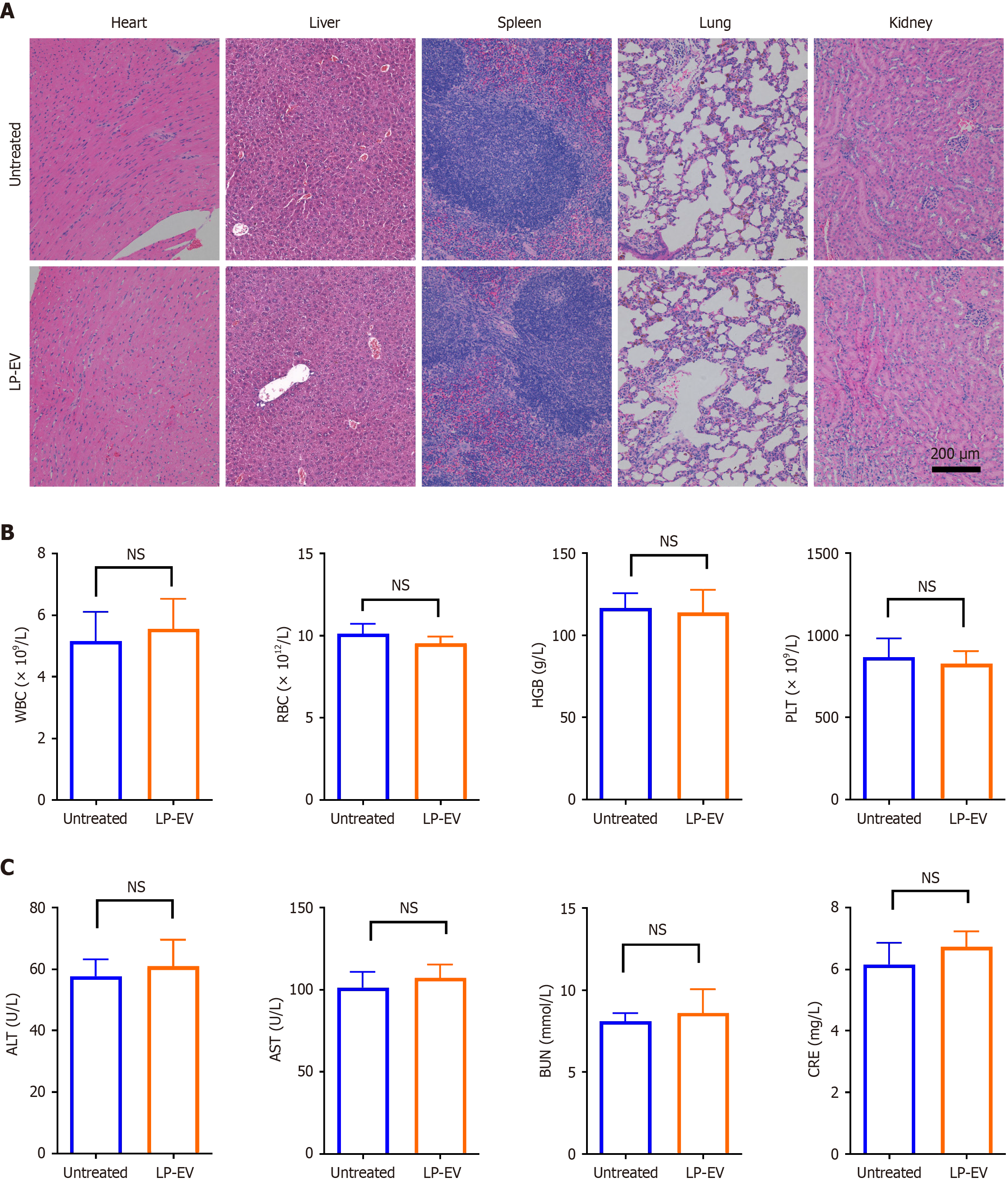
Figure 4 Biosafety assessment of low-pH preconditioned macrophage-derived extracellular vesicles in healthy mice.
A: Representative hematoxylin and eosin staining of major organs (heart, liver, spleen, lungs, kidneys) from healthy nude mice after intravenous injection of PBS or low-pH preconditioned macrophage-derived extracellular vesicles. Scale bar: 200 μm; B: Complete blood count analysis, including white blood cell, red blood cell, hemoglobin, and platelet counts; C: Serum biochemical parameters reflecting liver function (alanine aminotransferase, aspartate aminotransferase) and kidney function (blood urea nitrogen, creatinine). Data in (B and C) represent means ± SD (n = 3). Statistical significance was tested with unpaired t test. LP-EV: Low-pH preconditioned macrophage-derived extracellular vesicle; WBC: White blood cell; RBC: Red blood cell; HGB: Hemoglobin; PLT: Platelets; ALT: Alanine aminotransferase; AST: Aspartate aminotransferase; BUN: Blood urea nitrogen; CRE: Creatinine; NS: Not significant.
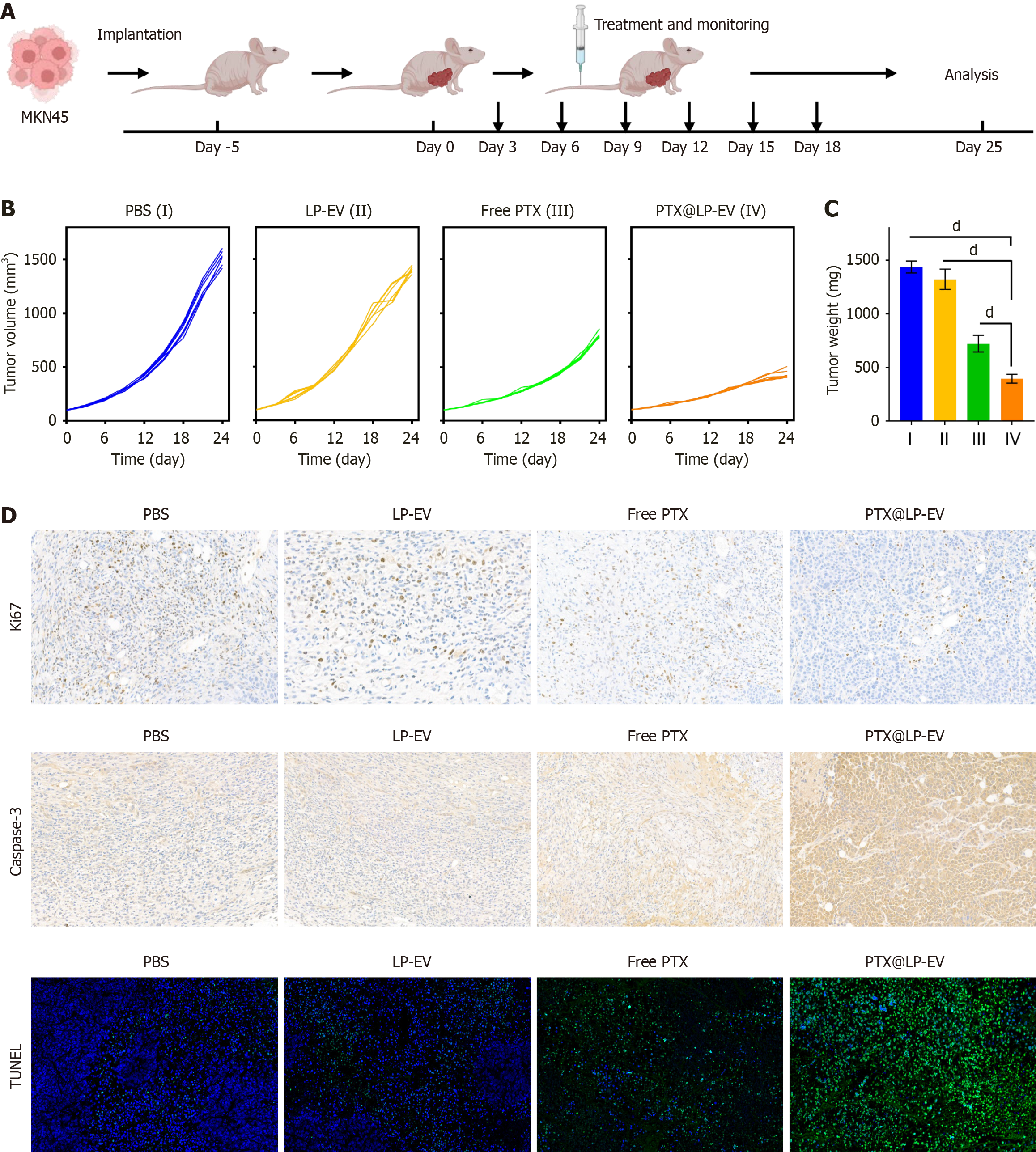
Figure 5 In vivo anti-tumor efficacy of PTX@LP-EV in MKN45 xenograft models.
A: Schematic of the therapeutic regimen in MKN45 tumor-bearing nude mice; B: Tumor growth curves of mice treated with PBS, low-pH preconditioned macrophage-derived extracellular vesicles (LP-EV), free paclitaxel (PTX), or PTX@LP-EV; C: Final tumor weights measured at the end of the experiment; D: Representative images of immunohistochemical staining for Ki-67 and cleaved caspase-3, and TUNEL staining of tumor sections. Data in (C) represent means ± SD. Statistical significance was tested using one-way ANOVA with multiple comparison tests, dP < 0.0001. LP-EV: Low-pH preconditioned macrophage-derived extracellular vesicle; PTX: Paclitaxel.
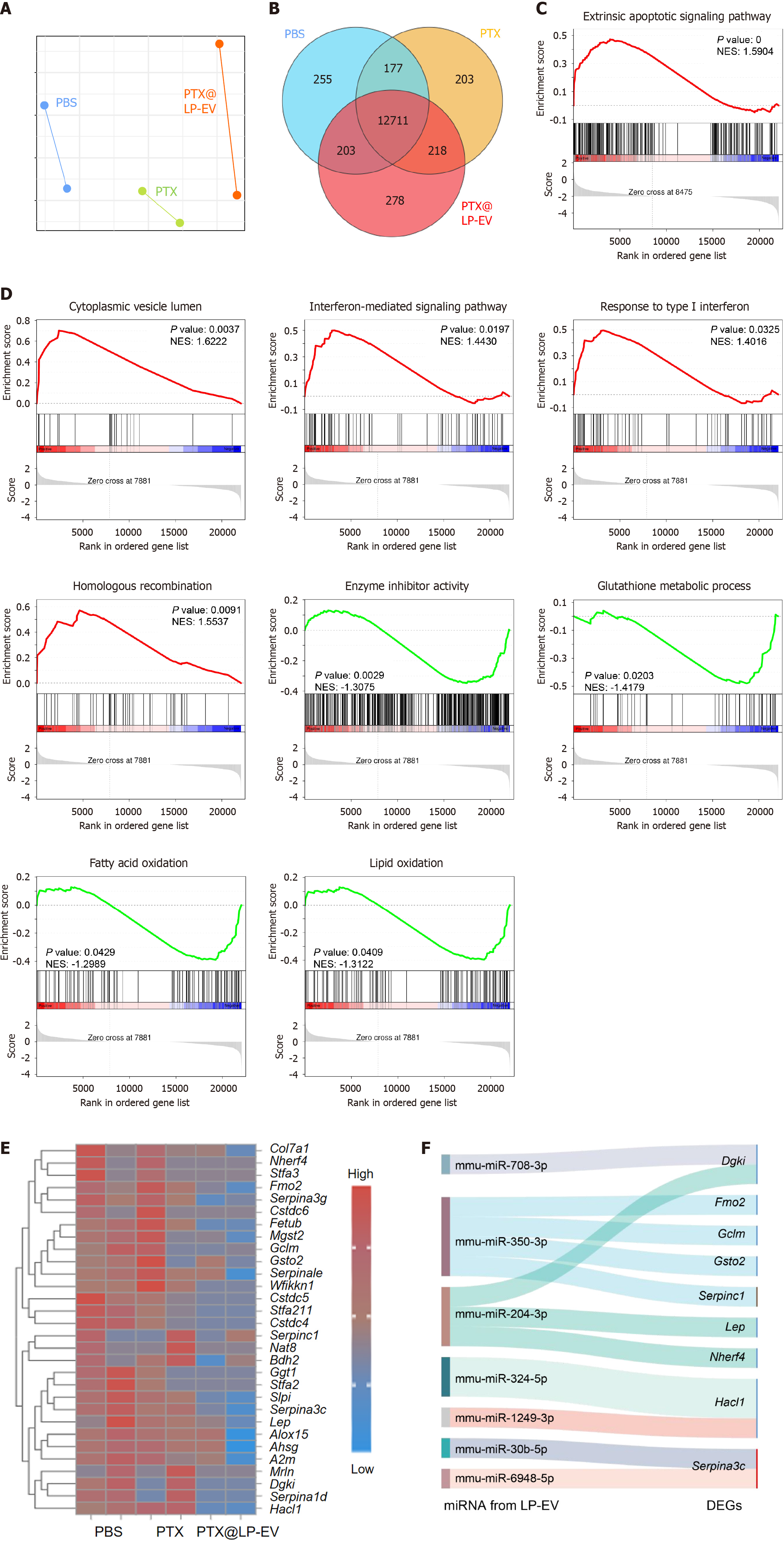
Figure 6 Transcriptomic analysis of the enhanced anti-tumor mechanism of PTX@LP-EV.
A: Principal component analysis plot of RNA-seq data from tumor tissues treated with PBS, free paclitaxel (PTX), or PTX@LP-EV; B: Venn diagram showing the overlap of differentially expressed genes (|log2 fold change| > 1, P < 0.05) between the indicated comparison groups; C: Gene Set Enrichment Analysis (GSEA) plot for the comparison of free PTX vs PBS; D: GSEA plots for the comparison of PTX@LP-EV vs free PTX; E: Heatmap showing the expression levels of selected genes across the three treatment groups; F: Sankey diagram illustrating potential regulatory connections between upregulated miRNAs in LP-EV (vs control extracellular vesicles) and downregulated genes in tumors treated with PTX@LP-EV (vs free PTX). LP-EV: Low-pH preconditioned macrophage-derived extracellular vesicle; PTX: Paclitaxel.
- Citation: Wang JH, Hu ML, Shi M, Ma JL, Yang J, Wang YG. Low-pH preconditioned macrophage-derived extracellular vesicles enable targeted and enhanced paclitaxel therapy in gastric cancer. World J Gastrointest Oncol 2026; 18(6): 117697
- URL: https://www.wjgnet.com/1948-5204/full/v18/i6/117697.htm
- DOI: https://dx.doi.org/10.4251/wjgo.v18.i6.117697