
















Copyright: ©Author(s) 2026.
World J Gastrointest Oncol. Jun 15, 2026; 18(6): 117434
Published online Jun 15, 2026. doi: 10.4251/wjgo.v18.i6.117434
Published online Jun 15, 2026. doi: 10.4251/wjgo.v18.i6.117434
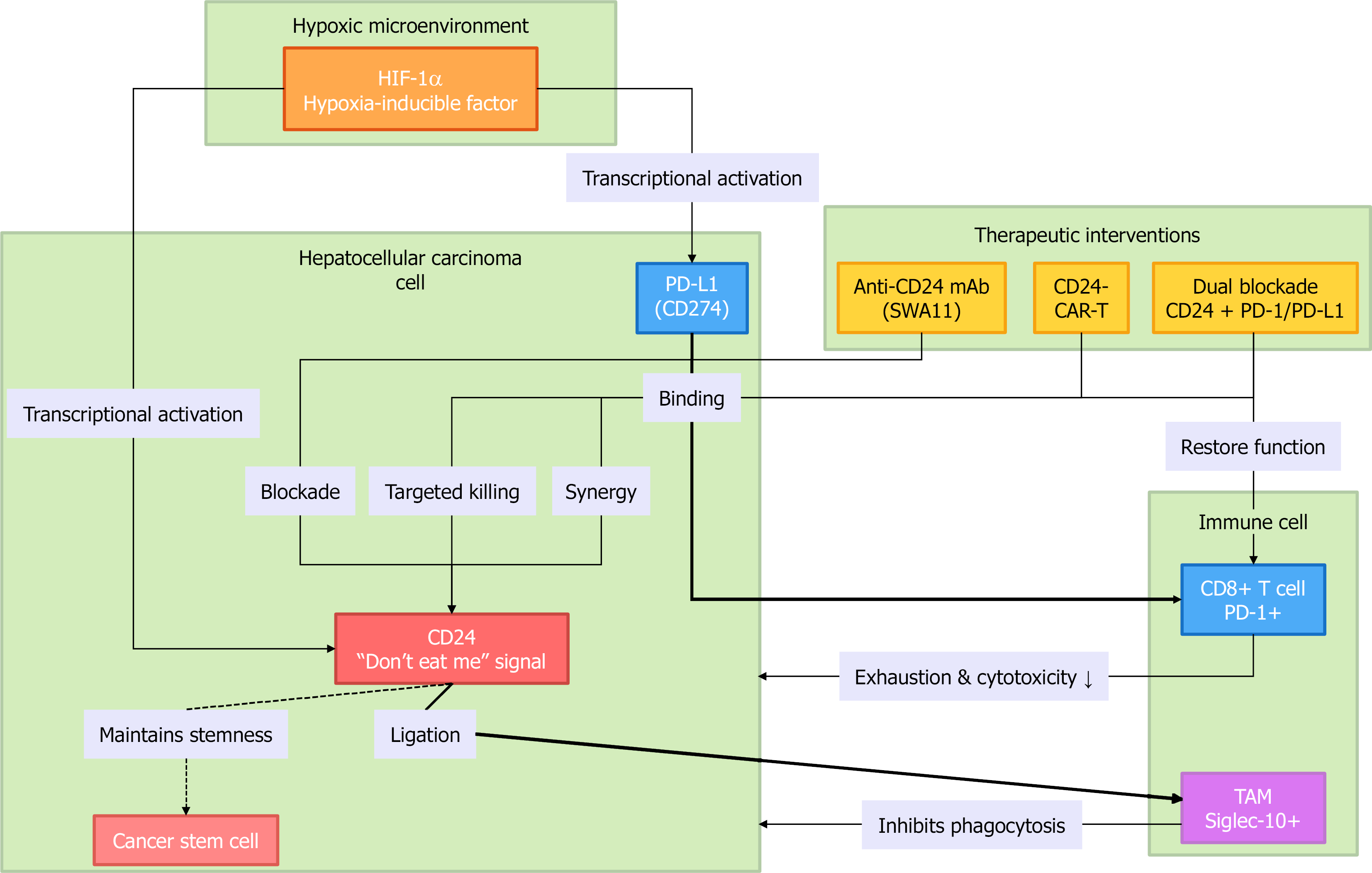
Figure 1 Cluster of differentiation 24-centered immune evasion network in hepatocellular carcinoma.
Schematic illustration depicting cluster of differentiation 24 (CD24)-mediated “don’t eat me” signaling through sialic acid-binding Ig-like lectin 10 (Siglec-10) on tumor-associated macrophages (TAMs), concurrent programmed death-ligand 1 (PD-L1)/programmed death 1 (PD-1) axis suppression of T-cell cytotoxicity, and hypoxia-driven hypoxia-inducible factor-1 alpha (HIF-1α)-mediated transcriptional co-regulation. The diagram illustrates potential therapeutic intervention points including anti-CD24 monoclonal antibodies, CD24-targeting CAR-T cells, and dual checkpoint blockade strategies.
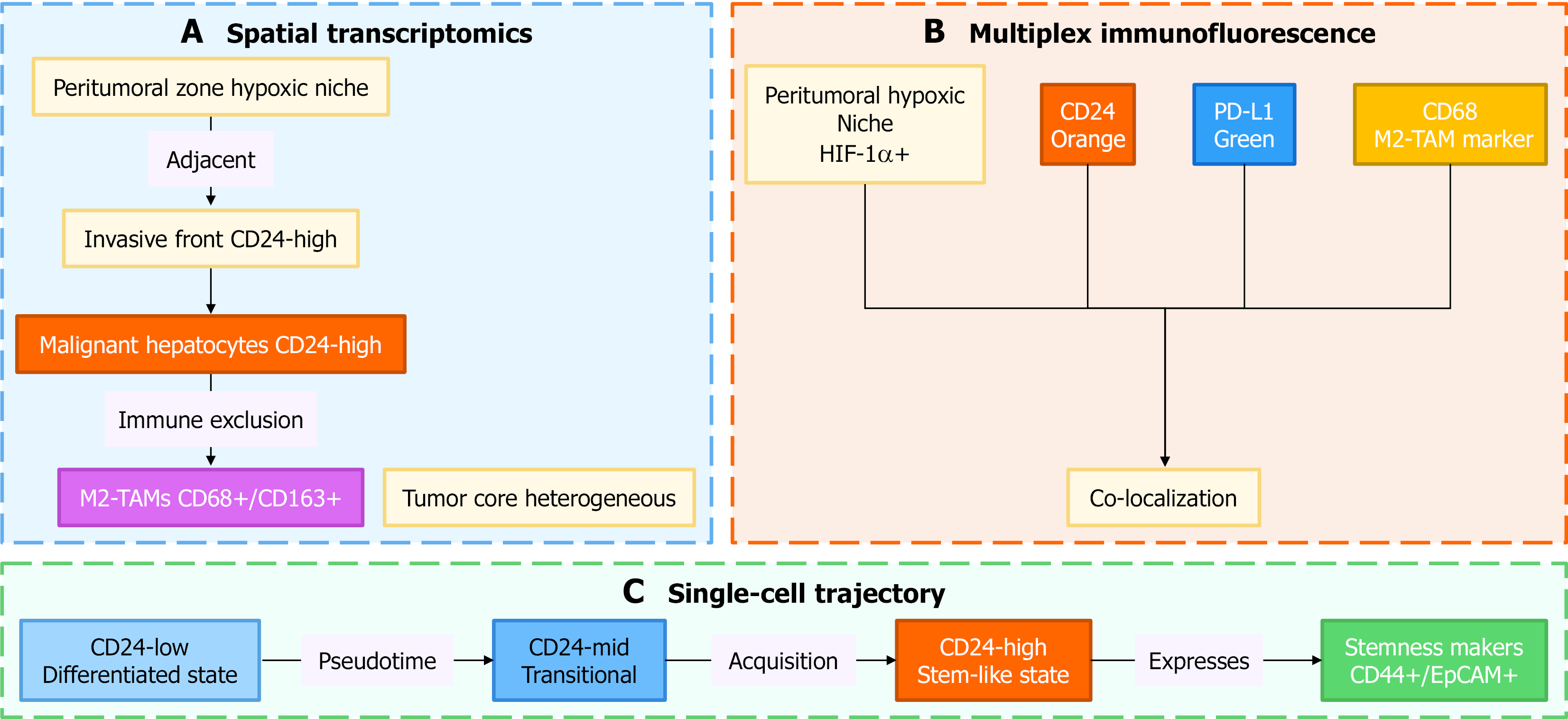
Figure 2 Spatial heterogeneity of cluster of differentiation 24 expression in the hepatocellular carcinoma tumor microenvironment.
A: Spatial transcriptomics visualization showing zonal distribution of cluster of differentiation 24 (CD24)-high malignant hepatocytes adjacent to M2-polarized tumor-associated macrophages (TAMs); B: Multiplex immunofluorescence demonstrating co-localization of CD24, programmed death-ligand 1 (PD-L1), and CD68 in peritumoral hypoxic niches; C: Single-cell trajectory analysis revealing developmental progression from CD24-low to CD24-high tumor cell states with concurrent acquisition of stemness markers (CD44, epithelial cell adhesion molecule [EpCAM]).
- Citation: Ren LN, Liu C, Jin CQ, Zhang XH. From association to intervention: Rethinking CD24’s causal role in hepatocellular carcinogenesis. World J Gastrointest Oncol 2026; 18(6): 117434
- URL: https://www.wjgnet.com/1948-5204/full/v18/i6/117434.htm
- DOI: https://dx.doi.org/10.4251/wjgo.v18.i6.117434