
















Copyright: ©Author(s) 2026.
World J Gastrointest Oncol. May 15, 2026; 18(5): 115697
Published online May 15, 2026. doi: 10.4251/wjgo.v18.i5.115697
Published online May 15, 2026. doi: 10.4251/wjgo.v18.i5.115697
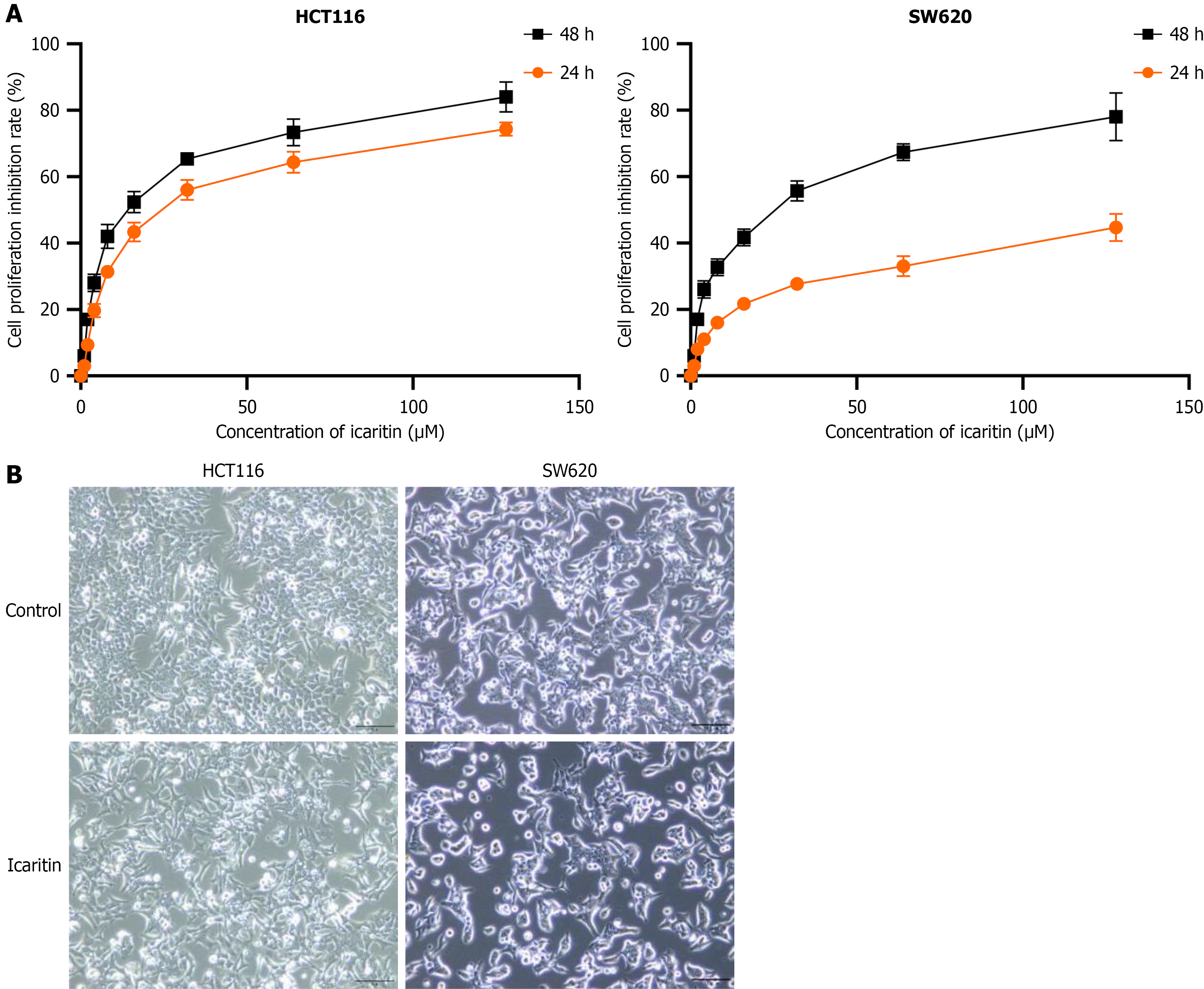
Figure 1 Icaritin inhibits growth of colorectal cancer cells.
A: Cell counting kit-8 assay confirmed the suppressive effect of icaritin on HCT116 and SW620 cell proliferation, clearly showing a significant time-dependent decrease in cell growth; B: Impact of icaritin on cell proliferation and morphological alterations of human colon cancer. Morphological transformations after icaritin treatment were observed under the microscope (200 × and 400 ×). HCT116 and SW620 cells lost their fibroblast-like shape and adopted an epithelial morphology.
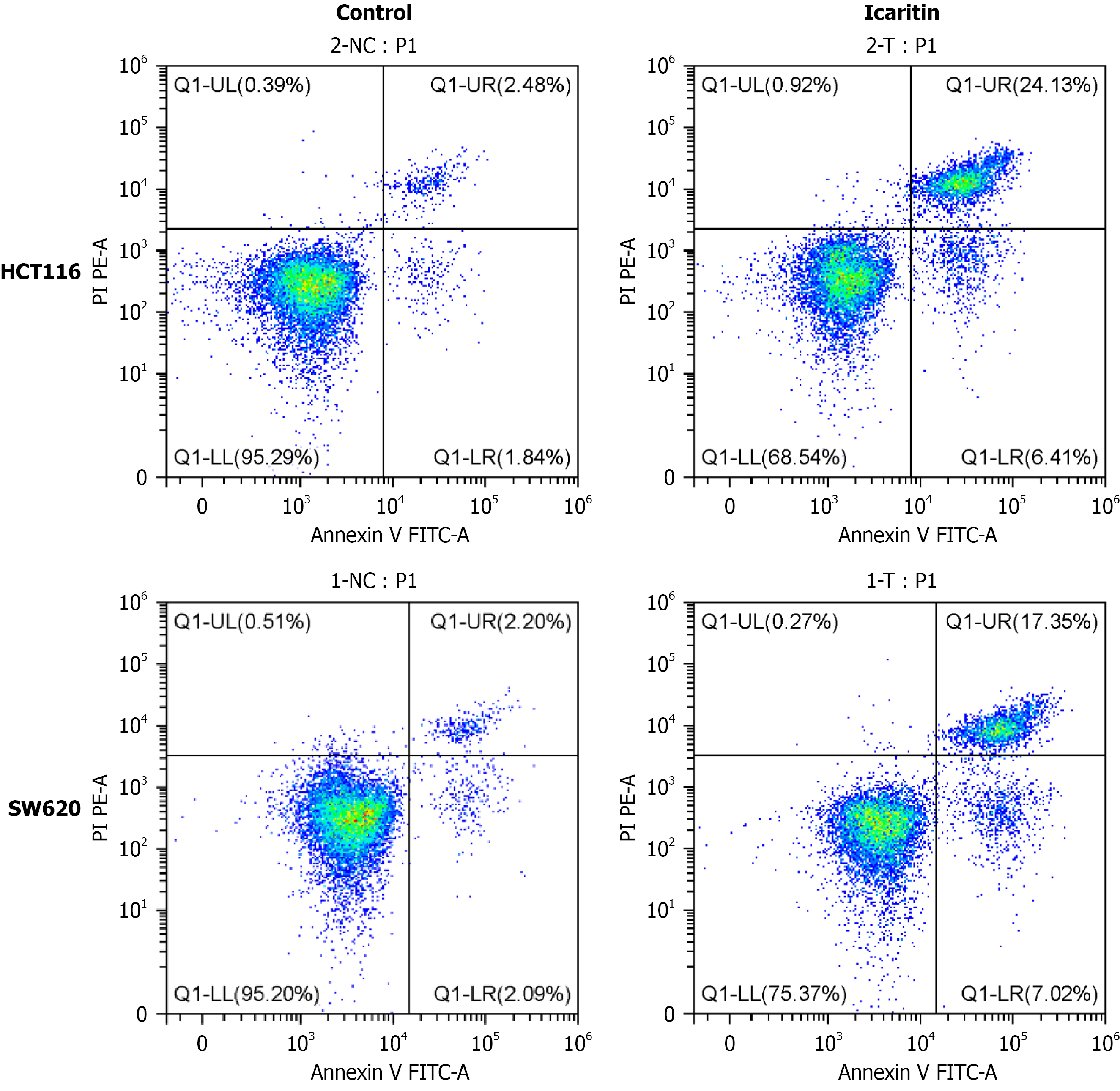
Figure 2 Annexin V/propidium iodide double staining.
Colorectal cancer cel (HCT116 and SW620) apoptosis markedly increased upon icaritin treatment compared with the control group (P < 0.01). The results are presented as mean ± SD (n = 3). FITC: Fluorescein isothiocyanate; PI: Propidium iodide.
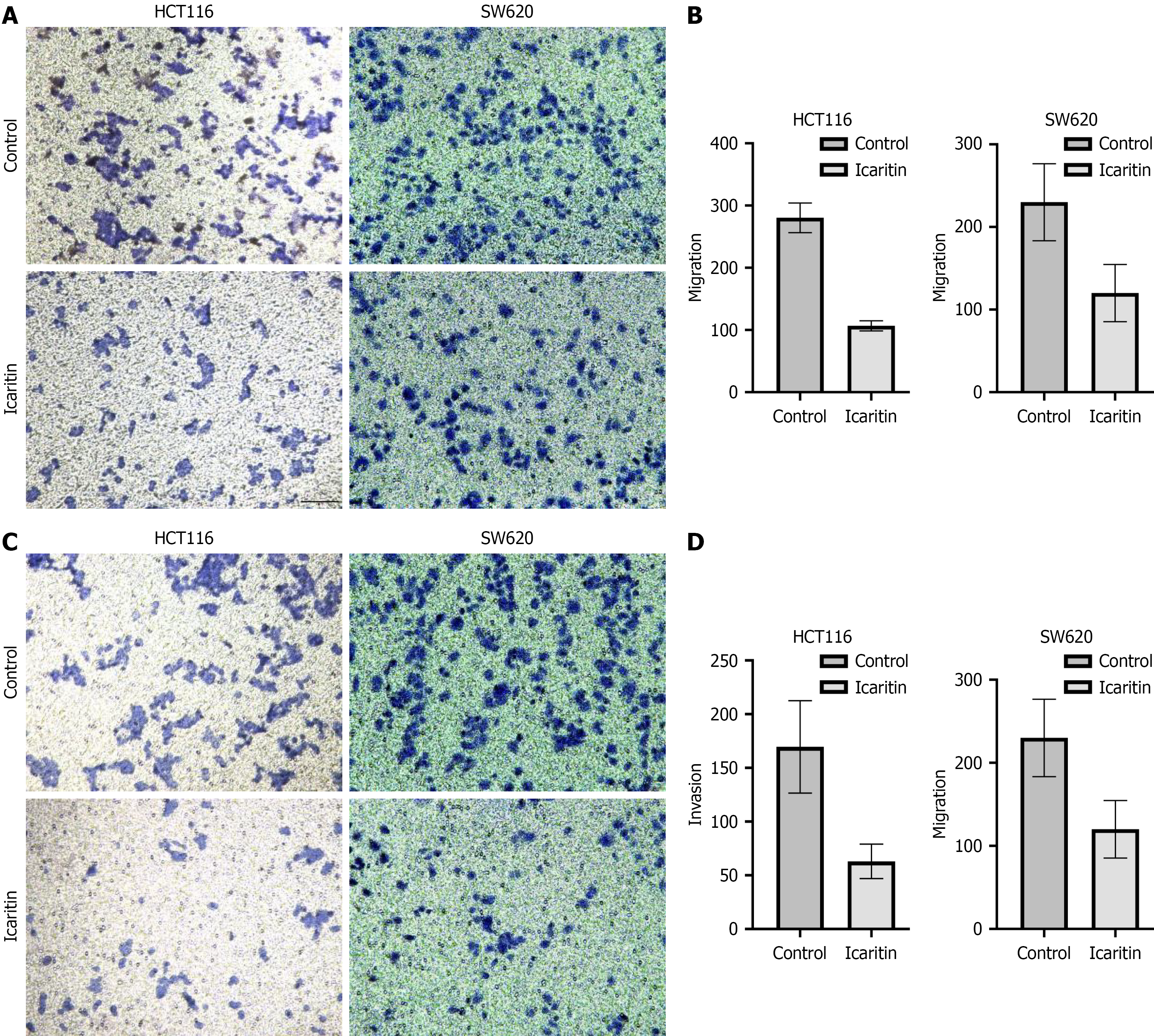
Figure 3 Impact of icaritin on HCT116 and SW620 cell migration and invasive behavior.
A and B: Effect of icaritin on colon cancer cell migration (crystal violet 200 ×), assessed by Transwell assay without Matrigel. The number of migrating cells was quantified for HCT116 and SW620 cells; C and D: The impact of Clostridium butyricum on colon cancer cell invasion was evaluated using a Transwell assay incorporating Matrigel (crystal violet 200 ×). The number of invasive cells was quantified for HCT116 and SW620 cells. The results are displayed as the mean ± SD (n = 3), with P < 0.01 denoting a significant difference compared with the controls.
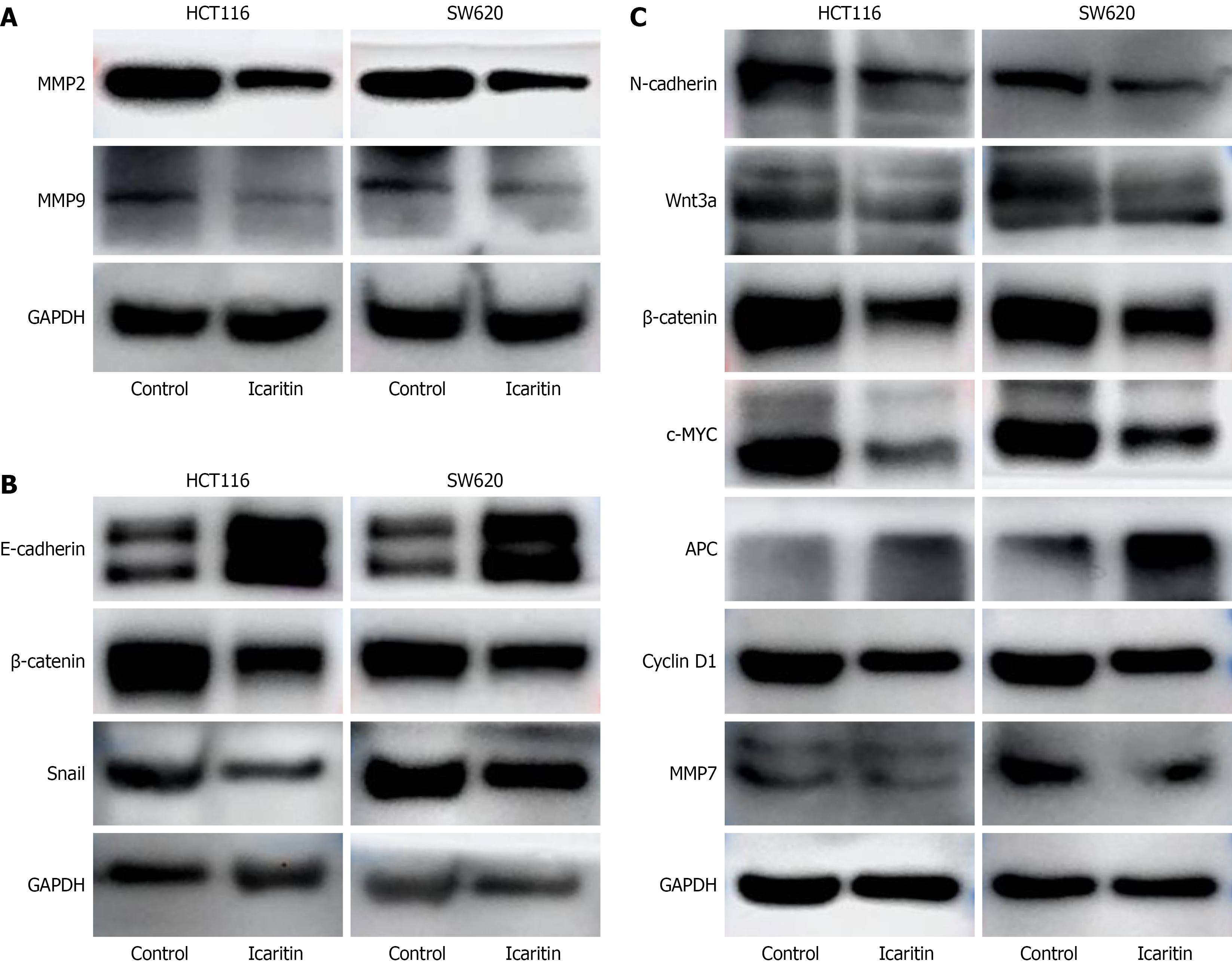
Figure 4 Effects of icaritin on epithelial-mesenchymal transition and the Wnt/β-catenin signaling pathway.
A: Matrix metalloproteinase 2 (MMP2) and MMP9, associated with migration and invasion, showed decreased expression following icaritin treatment; B: Epithelial-mesenchymal transition-related gene expression of E-cadherin showed an increase and decrease in N-cadherin, Snail, and β-catenin; C: Expression of all the Wnt/β-catenin signaling-related genes, except adenomatous polyposis coli, decreased after icaritin treatment, including Wnt3a, β-catenin, c-MYC, cyclin D1, and MMP7. All data are displayed as mean ± SD (n = 3). P < 0.05 compared with the control group. MMP: Matrix metalloproteinase.
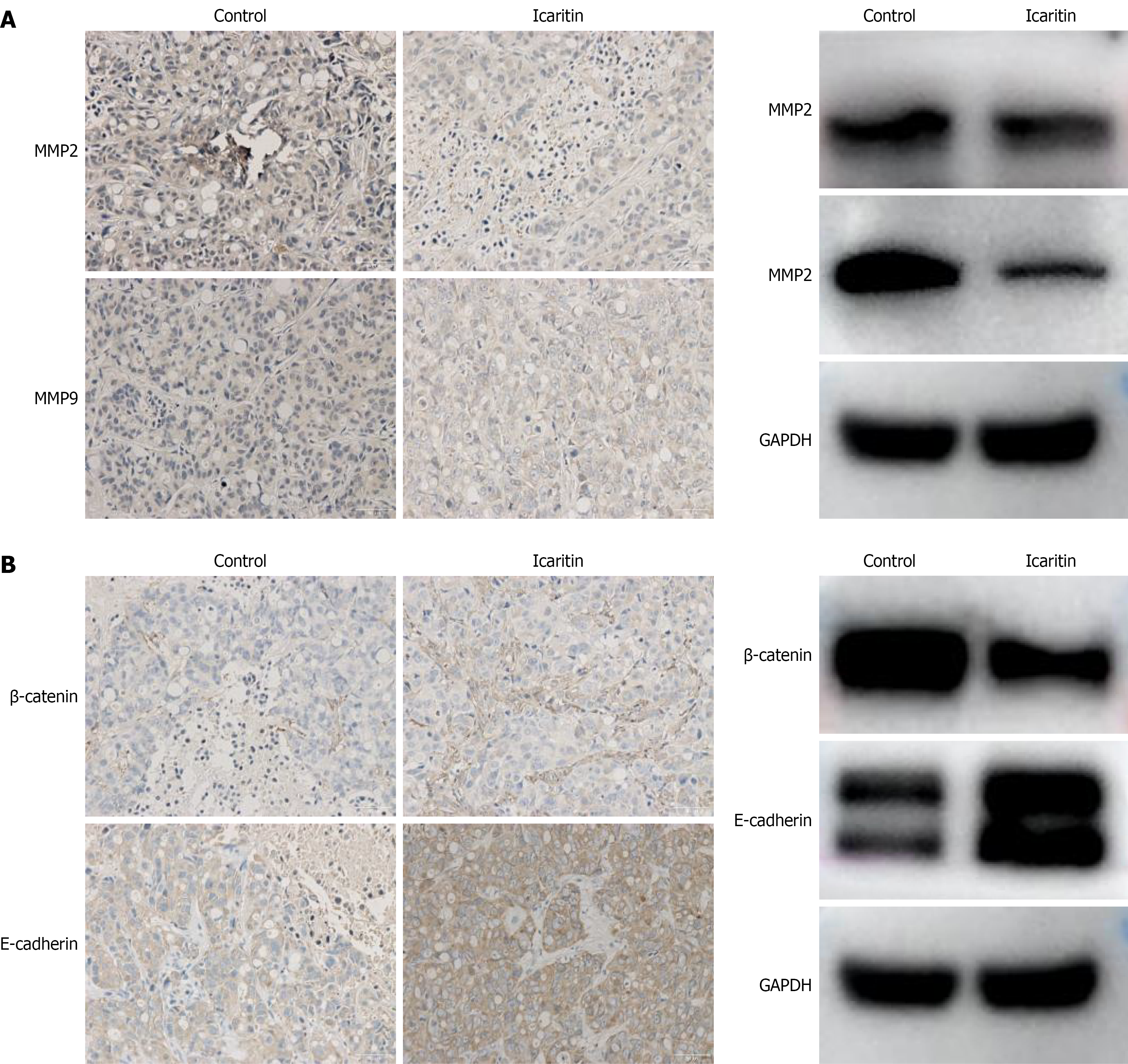
Figure 5 Effects of icaritin on epithelial-mesenchymal transition-related genes in colorectal cancer in vivo.
A: Immunohistochemistry assay was used to examine the expression of tumor-metastasis-related genes matrix metalloproteinase 2, matrix metalloproteinase 9, and epithelial-mesenchymal transition-related genes β-catenin and E-cadherin. Positive cells were characterized by brown granules in the cytoplasm (immunohistochemistry 200 ×); B: Western blotting. GAPDH served as a reference for determining expression levels. The data are shown as mean ± SD (n = 10), P < 0.05 compared with the control group. MMP: Matrix metalloproteinase.
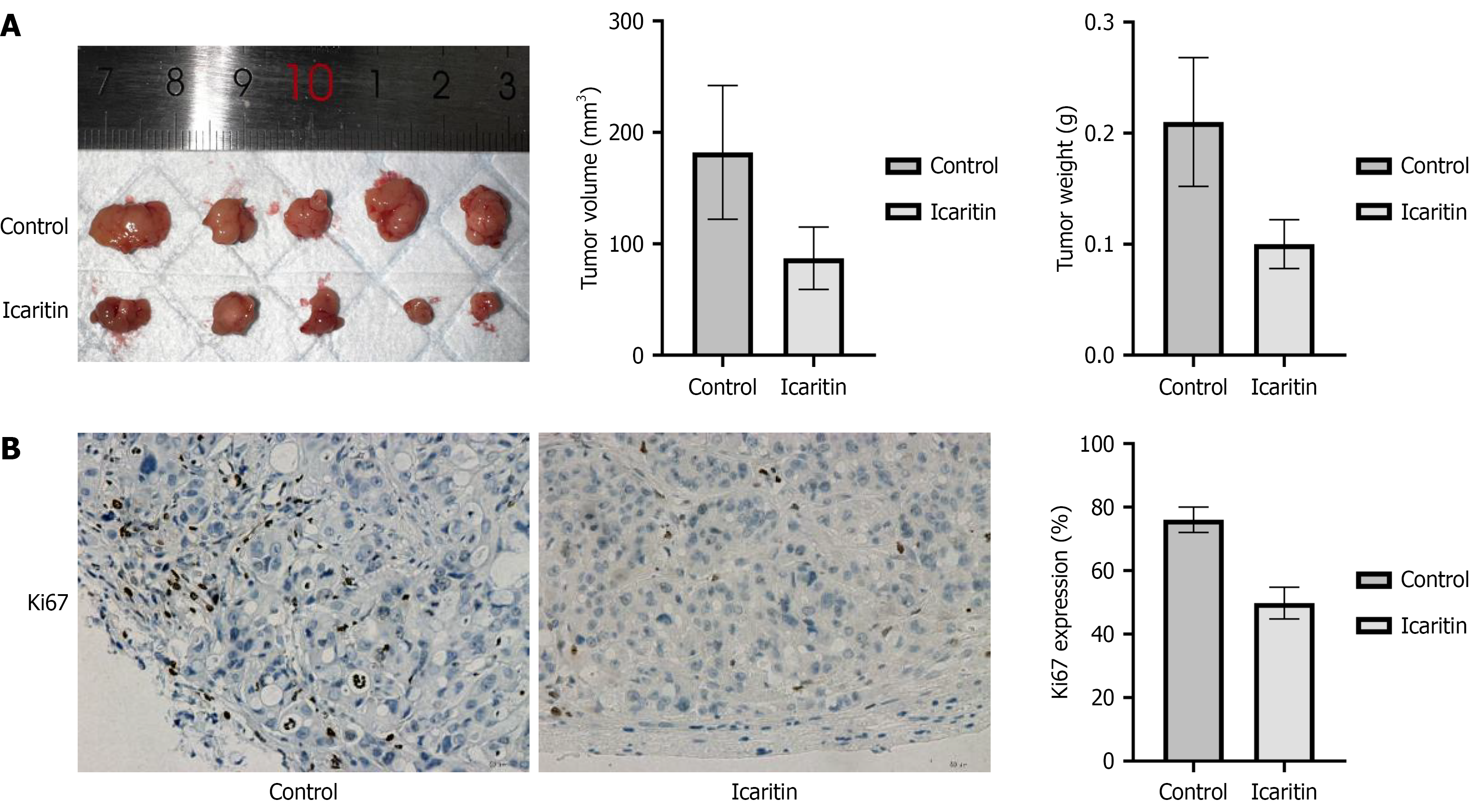
Figure 6 Effects of icaritin on colon cancer formation in vivo.
Thirty-nine days after establishment of the xenograft model, all mice were sacrificed and subcutaneous tumors were dissected. A: Volume and weight of dissected tumors; B: Positive cells, characterized by brown granules in the nuclei, were identified in the immunohistochemistry assay assessing Ki67. Indexes are shown as mean ± SD (n = 5), P < 0.05 compared with the control group.
- Citation: Li X, Li YJ, Ren DD, Yuan M, Qi YR, Li HW, Zhang Y, Wang RY. Icaritin suppresses colorectal cancer invasion and metastasis through regulation of epithelial-mesenchymal transition and the Wnt/β-catenin signaling pathway. World J Gastrointest Oncol 2026; 18(5): 115697
- URL: https://www.wjgnet.com/1948-5204/full/v18/i5/115697.htm
- DOI: https://dx.doi.org/10.4251/wjgo.v18.i5.115697