
















Copyright: ©Author(s) 2026.
World J Gastrointest Oncol. May 15, 2026; 18(5): 115303
Published online May 15, 2026. doi: 10.4251/wjgo.v18.i5.115303
Published online May 15, 2026. doi: 10.4251/wjgo.v18.i5.115303
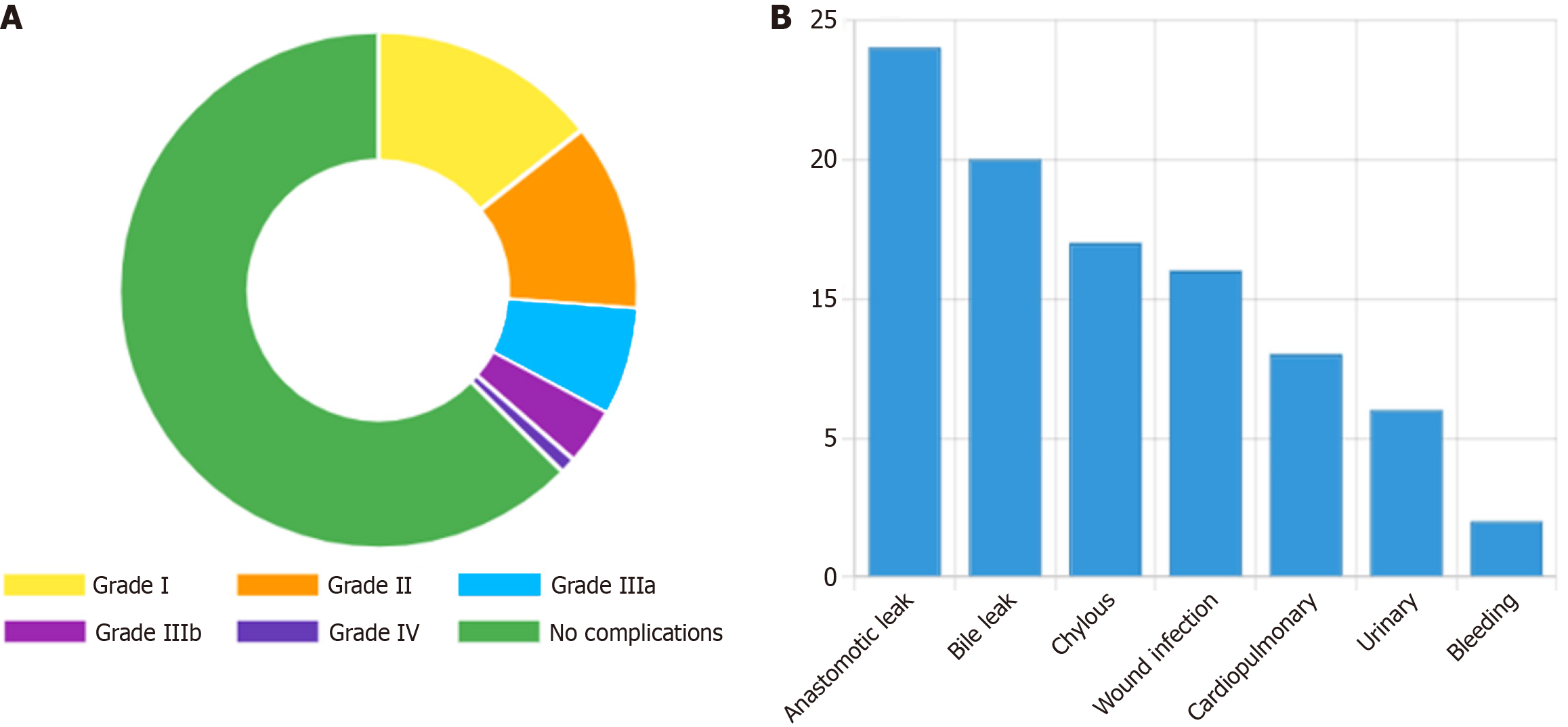
Figure 1 Postoperative complications classification and distribution in colorectal cancer patients (n = 195).
A: Distribution by Clavien-Dindo classification: 122 patients (62.6%) had no complications, while 73 (37.4%) developed complications of varying severity (Grade I-IV); B: Types of complications: Anastomotic leakage (n = 19) was most common, followed by intra-abdominal infection (n = 15), intestinal obstruction (n = 12), and other complications.
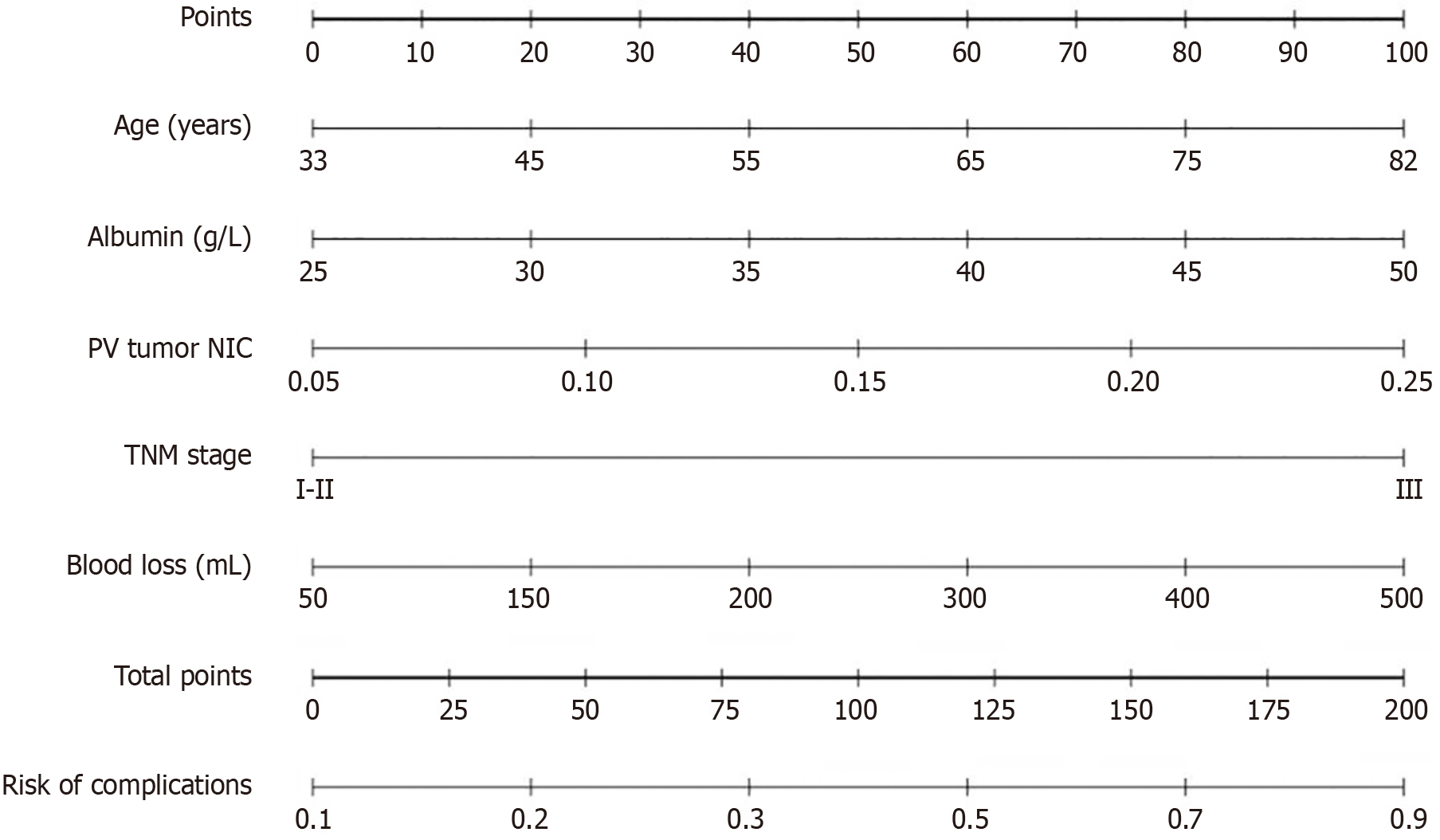
Figure 2 Nomogram for predicting postoperative complications in colorectal cancer patients.
A nomogram for predicting the risk of postoperative complications. This model integrates clinical indicators including patient age, serum albumin level, portal vein tumor microvascular invasion (portal venous phase tumor normalized iodine concentration), tumor-nodes-metastasis stage, and intraoperative blood loss. Instructions for use: Locate the corresponding value on each variable axis, draw a line upward to the Points axis to obtain individual scores, sum all scores to get the total points, and finally read the predicted probability of complication occurrence on the risk of complications axis. NIC: Normalized iodine concentration; TNM: Tumor-nodes-metastasis; PV: Portal venous phase.
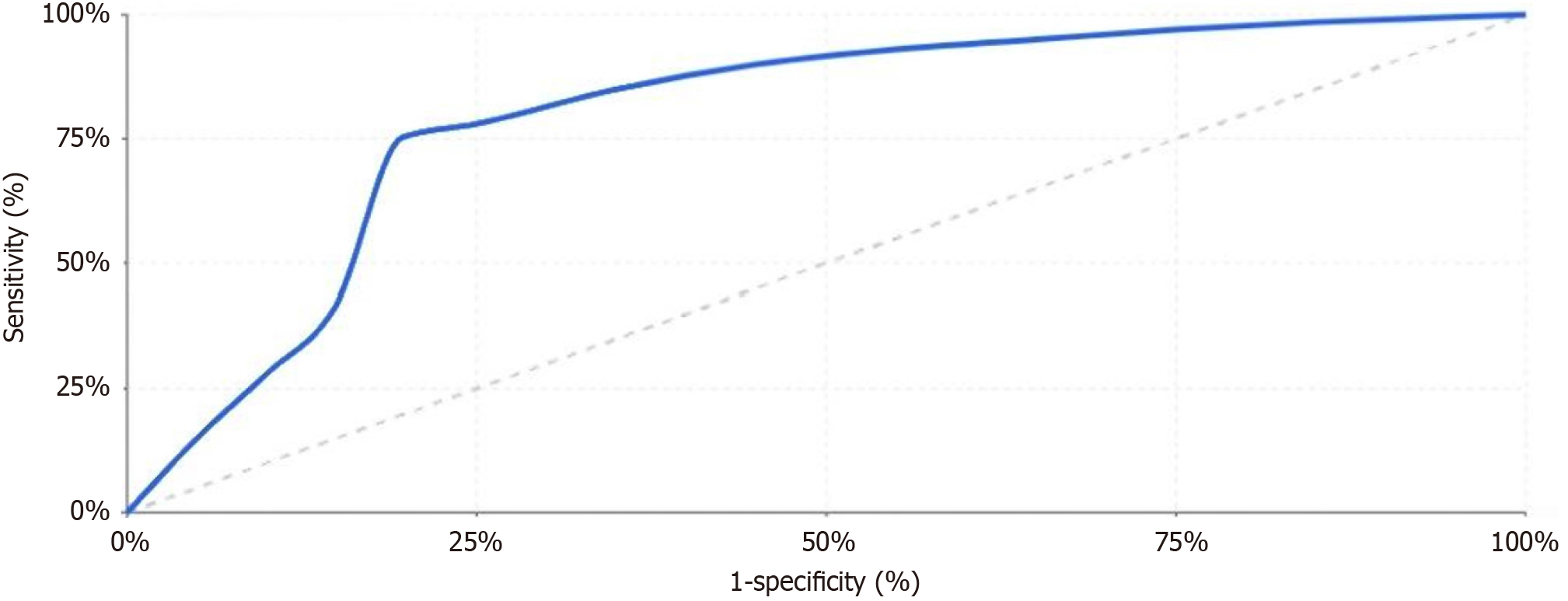
Figure 3 Receiver operating characteristic curve analysis for postoperative complications prediction model.
Receiver operating characteristic curve for the nomogram model. The blue curve represents the predictive performance of the model, while the gray dashed diagonal line indicates the reference line (random chance). The area under the curve demonstrates the model’s discriminative ability in predicting postoperative complications, with values closer to 1.0 indicating better predictive accuracy.
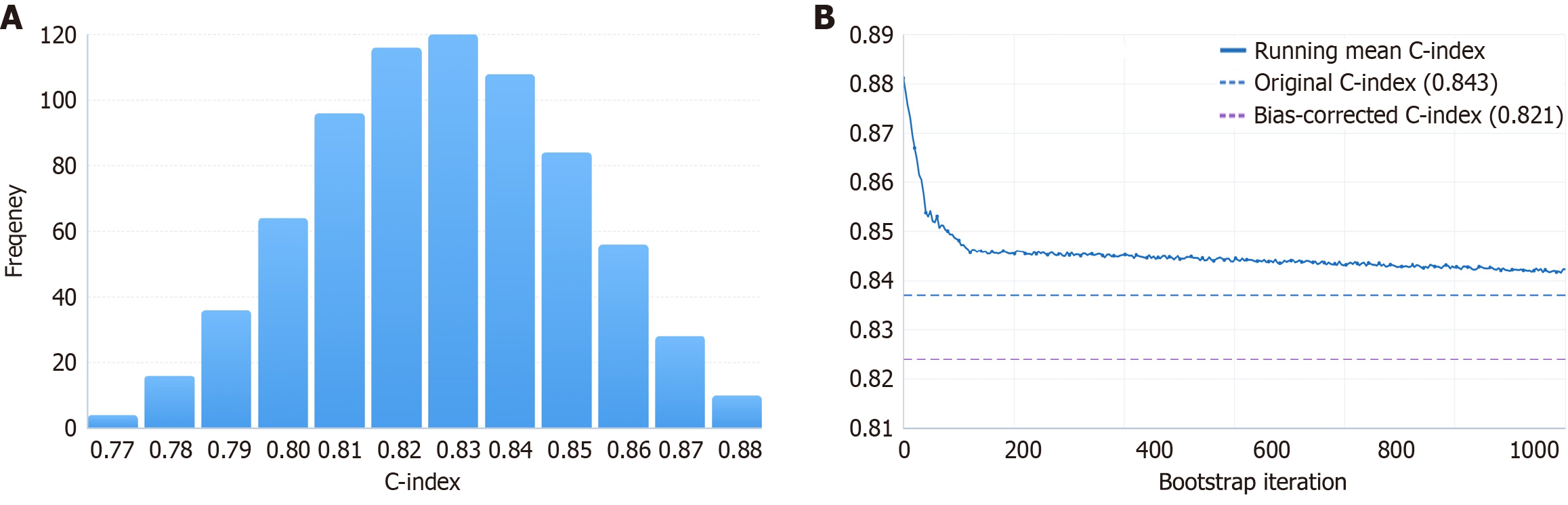
Figure 4 Bootstrap validation of the nomogram model.
A: Histogram showing the distribution of C-index values obtained from bootstrap resampling, demonstrating the stability of model performance across different samples; B: C-index trends across bootstrap iterations, where the blue line represents the bootstrap mean C-index, the blue dashed line indicates the original C-index, and the purple dashed line shows the bias-corrected C-index. This analysis validates the model's discriminative ability and internal consistency.
- Citation: Duan R, Li HL, Deng L, Zhao Q, Yang RW, Wu ZL. Preoperative spectral computed tomography multi-parameter prediction of postoperative complications in colorectal cancer: A single-center retrospective cohort study. World J Gastrointest Oncol 2026; 18(5): 115303
- URL: https://www.wjgnet.com/1948-5204/full/v18/i5/115303.htm
- DOI: https://dx.doi.org/10.4251/wjgo.v18.i5.115303