
















Copyright: ©Author(s) 2026.
World J Gastrointest Oncol. Apr 15, 2026; 18(4): 114220
Published online Apr 15, 2026. doi: 10.4251/wjgo.v18.i4.114220
Published online Apr 15, 2026. doi: 10.4251/wjgo.v18.i4.114220
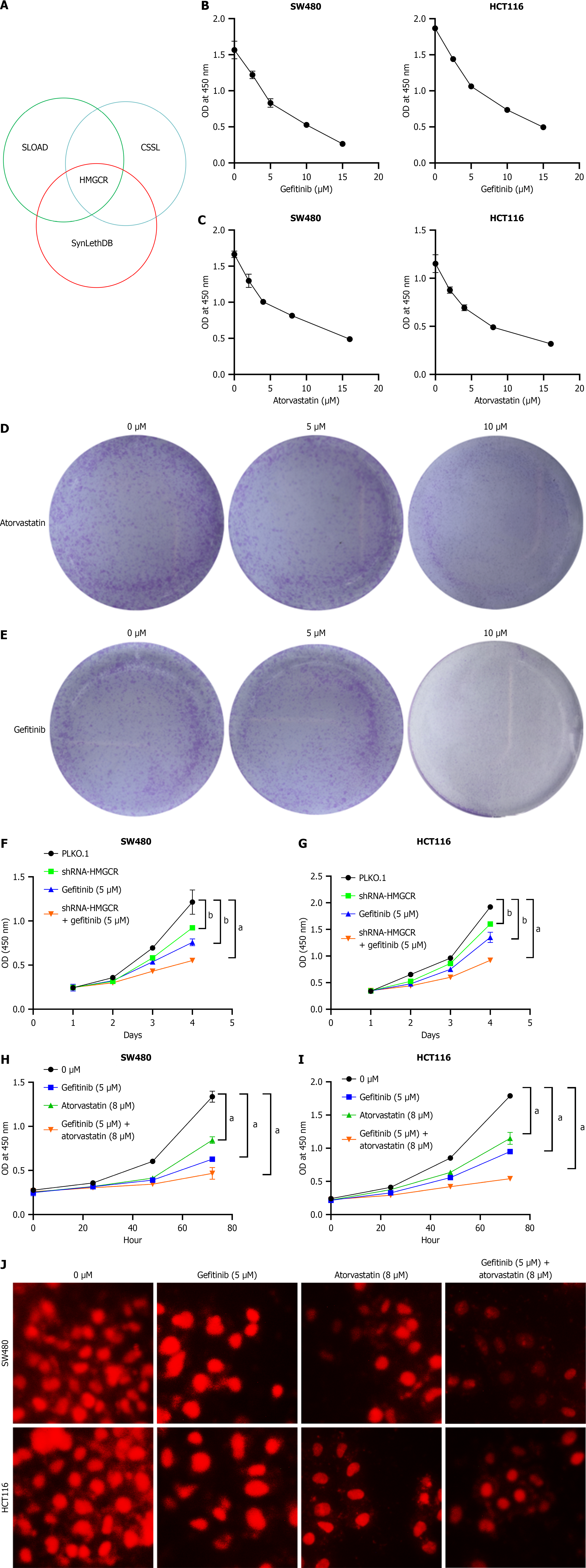
Figure 1 HMGCR loss is synthetic lethal with PIK3CD inhibition in colorectal cancer cells.
A: As indicated in the SOLAD, CSSL and SynLethDB online databases, HMGCR is synthetic lethal with PIK3CD in colorectal cancer (CRC); B: Cell Counting Kit-8 (CCK-8) results show that gefitinib enhanced the toxicity of CRC SW480 and HCT116 cells, and cell viability decreased in a concentration-dependent manner; C: CCK-8 results show that atorvastatin enhanced the toxicity of CRC SW480 and HCT116 cells, and cell viability decreased in a concentration-dependent manner; D and E: Clone formation assay showed that gefitinib or atorvastatin alone can enhance the toxicity of CRC SW480; F and G: HMGCR depletion significantly attenuated the anti-proliferative effects of the gefitinib-atorvastatin combination in both cell lines; H and I: Compared with atorvastatin or gefitinib alone, the combination of atorvastatin and gefitinib increased inhibition of the activity of SW480 cells and HCT116 cells; J: 5-ethynyl-2'-deoxyuridine assay revealed that compared with atorvastatin or gefitinib alone, the combination of atorvastatin and gefitinib increased inhibition of the activity of SW480 cells and HCT116 cells. Data are presented as the mean ± SD. aP < 0.001, bP < 0.01. OD: Optical density.
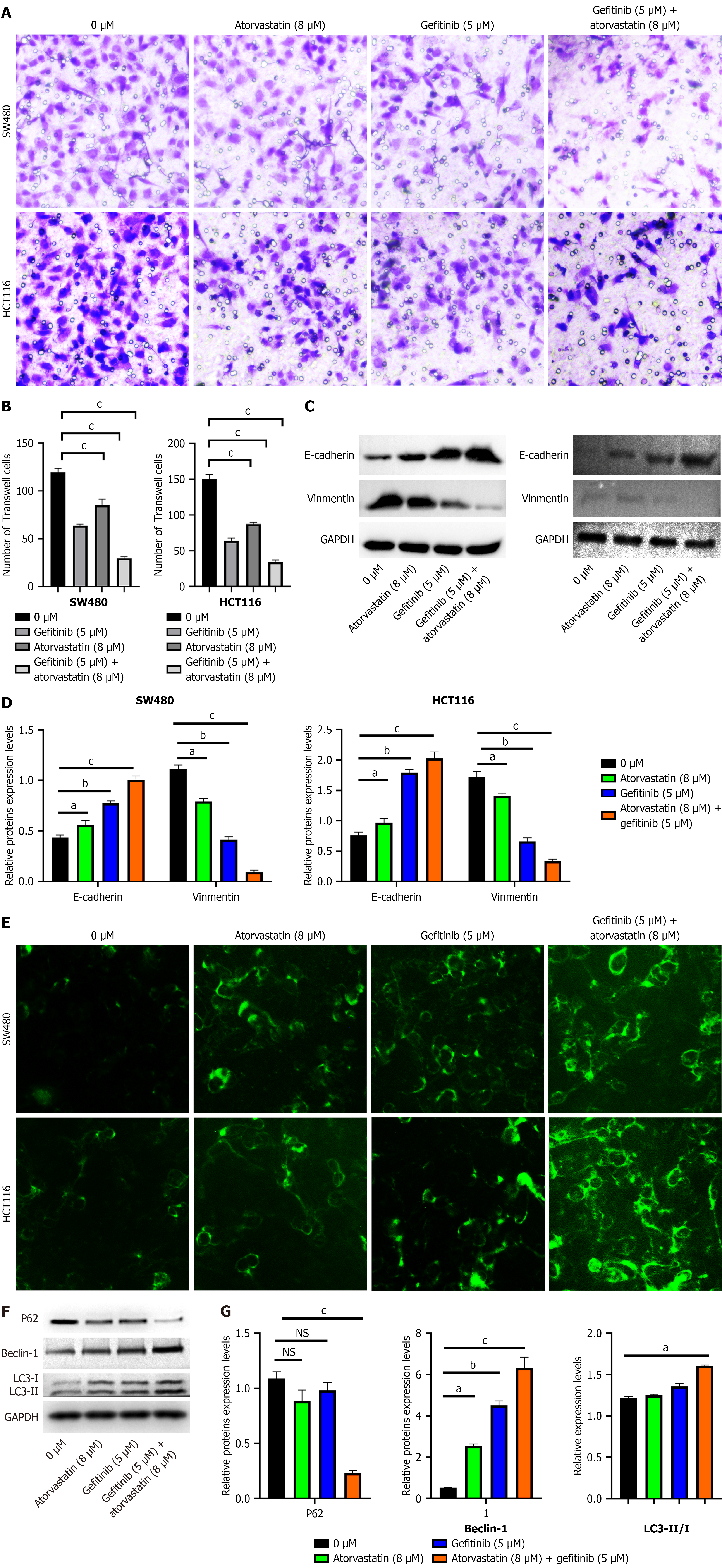
Figure 2 Atorvastatin combined with gefitinib had an enhanced inhibitory effect on colorectal cancer cell metastasis and promotes autophagy.
A and B: Transwell assay showed that compared with atorvastatin or gefitinib alone, atorvastatin combined with gefitinib increased the inhibition of SW480 cells and HCT116 cell metastasis; C and D: Western blotting results showed that after atorvastatin and gefitinib treatment, the expression of E-cadherin increased, and the expression of vimentin decreased, compared with atorvastatin or gefitinib alone. The combination of atorvastatin and gefitinib had a stronger effect on protein expression; E: Compared with atorvastatin or gefitinib alone, the combination of atorvastatin and gefitinib showed more autophagy spots; F and G: Western blotting showed that compared with atorvastatin or gefitinib alone, the combination of atorvastatin and gefitinib increased the expression of autophagy-related genes LC3-II/I and Beclin-1, and decreased the expression of P62. Data are presented as the mean ± SD. aP < 0.05, bP < 0.01, cP < 0.001; NS: Not significant.
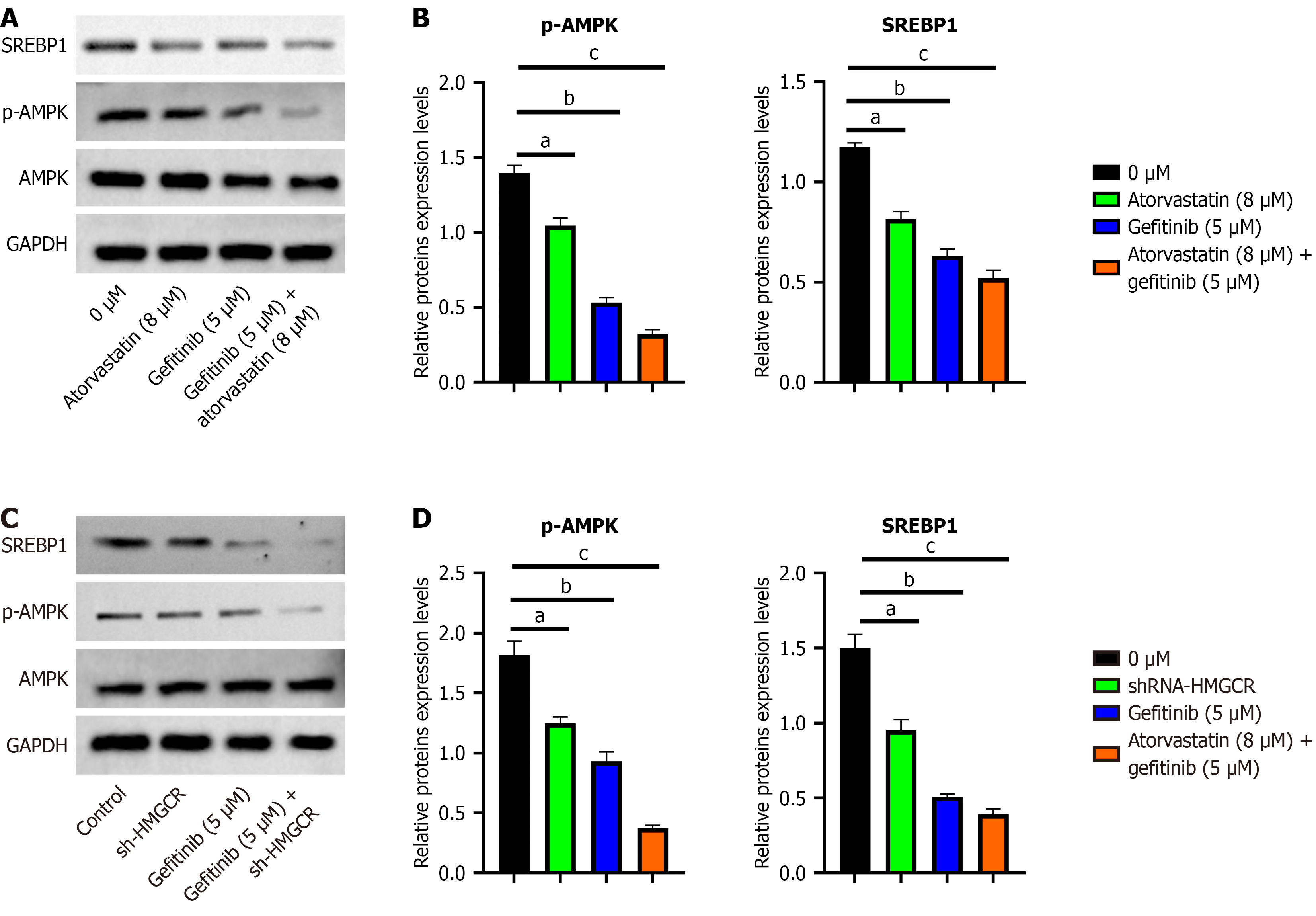
Figure 3 Atorvastatin combined with gefitinib inhibited the AMPK-SREBP1 signaling pathway.
A and B: Western blotting analysis revealed that, after combination treatment with atorvastatin and gefitinib, the expression of p-AMPK and SREBP1 decreased compared with that in the single-agent atorvastatin or gefitinib groups; C and D: Western blotting analysis revealed that, after combination treatment with sh-HMGCR and gefitinib, the expression of p-AMPK and SREBP1 decreased compared with that in the single-agent sh-HMGCR or gefitinib groups. Data are presented as the mean ± SD. aP < 0.05, bP < 0.01, cP < 0.001.
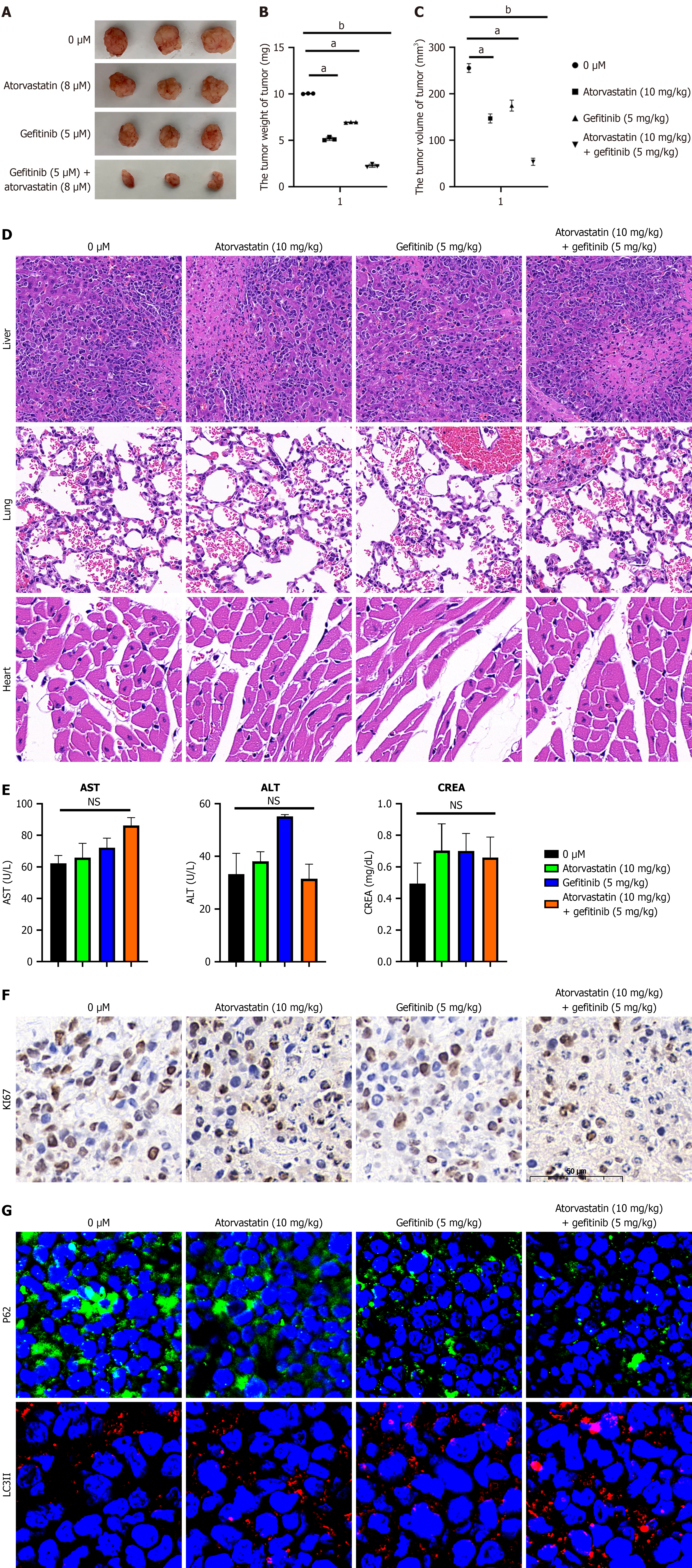
Figure 4 Atorvastatin combined with gefitinib enhanced the inhibition of tumorigenesis in mice.
A: The photograph shows that compared with atorvastatin or gefitinib alone, the combination of atorvastatin and gefitinib inhibited tumor formation in mice; B: Compared with atorvastatin or gefitinib alone, the combination of atorvastatin and gefitinib inhibited tumor weight; C: Compared with atorvastatin or gefitinib alone, the combination of atorvastatin and gefitinib inhibited tumor volume; D: The hematoxylin and eosin staining results showed that there was no obvious damage to the heart, lungs and liver of mice; E: There were no significant differences in liver function markers (alanine aminotransferase, aspartate aminotransferase) or creatinine levels between the control and treatment groups, indicating a favorable safety profile; F: KI67 staining showed that the combination of atorvastatin and gefitinib inhibited tumor proliferation; G: Immunofluorescence results showed that the number of LC3 fluorescence spots increased and P62 reduced following atorvastatin and gefitinib treatment. Data are presented as the mean ± SD. aP < 0.05, bP < 0.001. NS: Not significant; ALT: Alanine aminotransferase; AST: Aspartate aminotransferase; CREA: Creatinine.
- Citation: Huang JH, Ma JQ. HMGCR loss is synthetic lethal with PIK3CD inhibition in colorectal cancer cells. World J Gastrointest Oncol 2026; 18(4): 114220
- URL: https://www.wjgnet.com/1948-5204/full/v18/i4/114220.htm
- DOI: https://dx.doi.org/10.4251/wjgo.v18.i4.114220