
















©The Author(s) 2024.
World J Gastrointest Oncol. Oct 15, 2024; 16(10): 4092-4103
Published online Oct 15, 2024. doi: 10.4251/wjgo.v16.i10.4092
Published online Oct 15, 2024. doi: 10.4251/wjgo.v16.i10.4092
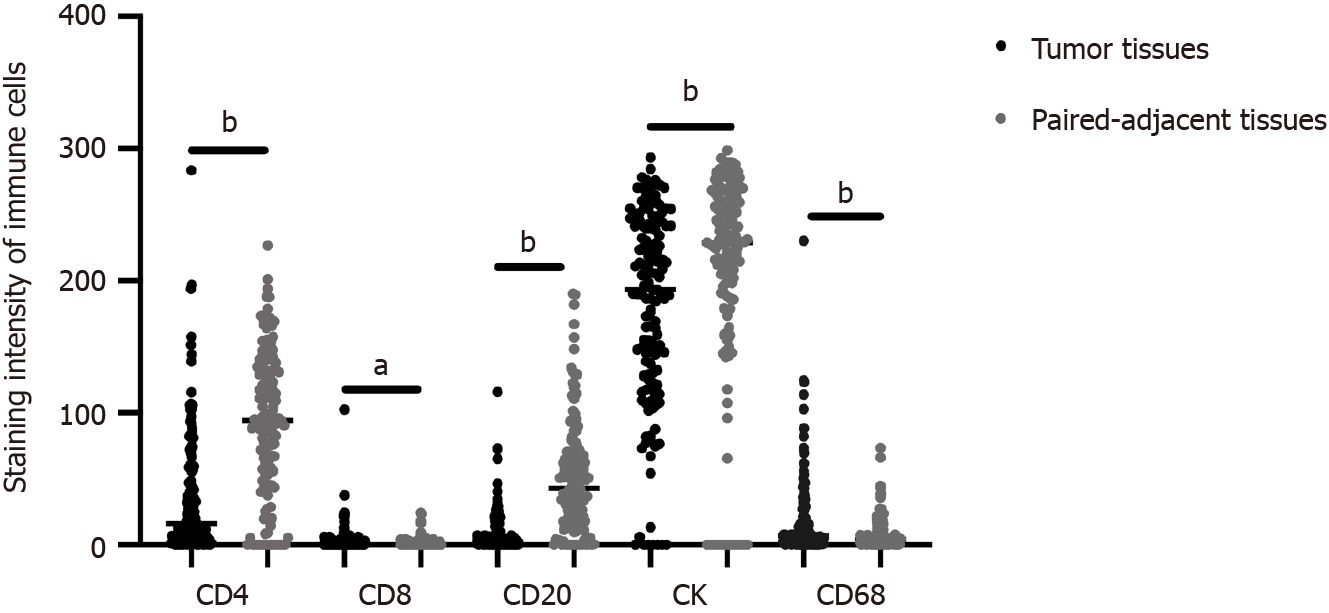
Figure 1 Staining intensity of immune cells in intrahepatic cholangiocarcinoma and paired adjacent tissues.
aP < 0.05; bP < 0.001.
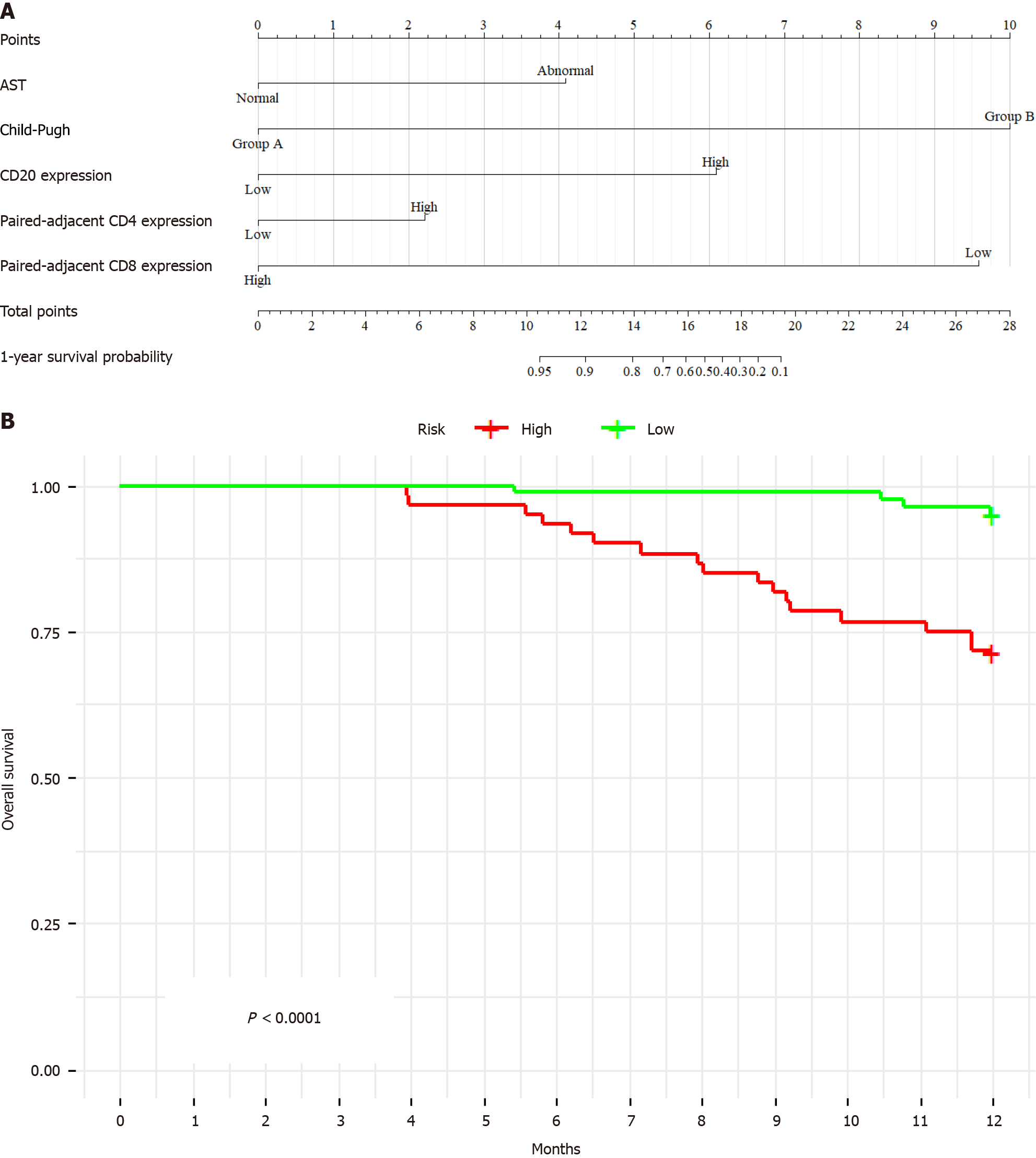
Figure 2 Establishing a 1-year Cox proportional hazards prognosis model for intrahepatic cholangiocarcinoma using stepwise selection and Cox multivariate regression.
A: 1-year prognosis model nomogram established through multivariate COX regression using variables from stepwise selection of the 1-year prognostic model; B: Kaplan-Meier analysis of the 1-year prognosis model indicates a significant worsening in prognosis for high-risk vs low-risk individuals within 1 year (P < 0.001). AST: Aspartate aminotransferase.
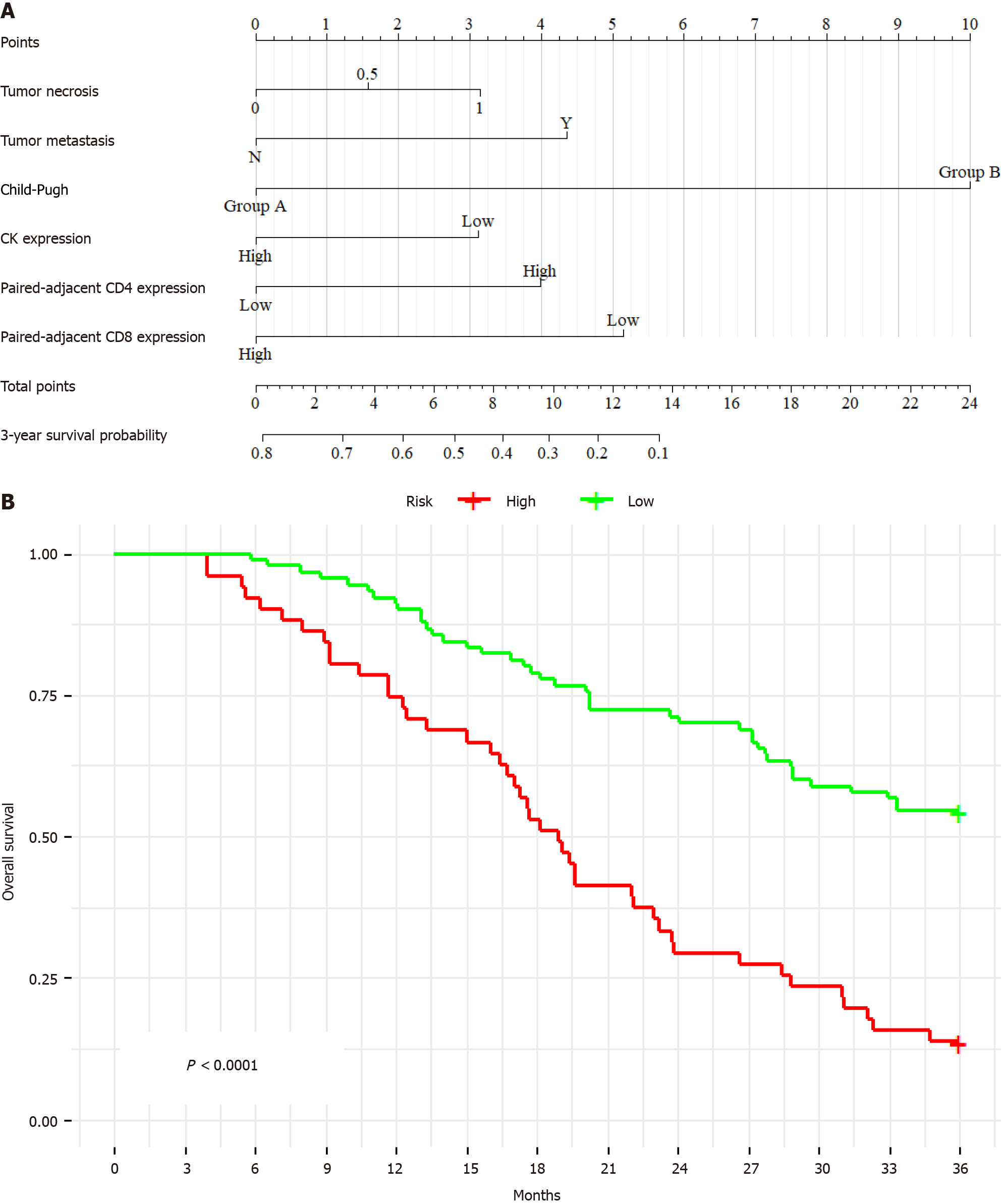
Figure 3 Establishing a 3-year Cox proportional hazards prognosis model using stepwise selection and Cox multivariate regression.
A: 3-year prognosis model nomogram established through multivariate Cox regression using variables from model selection of the 3-year prognostic model; B: Kaplan-Meier analysis of the 3-year prognosis model indicates a significant decrease in prognosis in high-risk vs low-risk individuals within 3 years (P < 0.001). N: No; Y: Yes; 0: No necrosis; 0.5: Partial necrosis; 1: Large or complete necrosis.
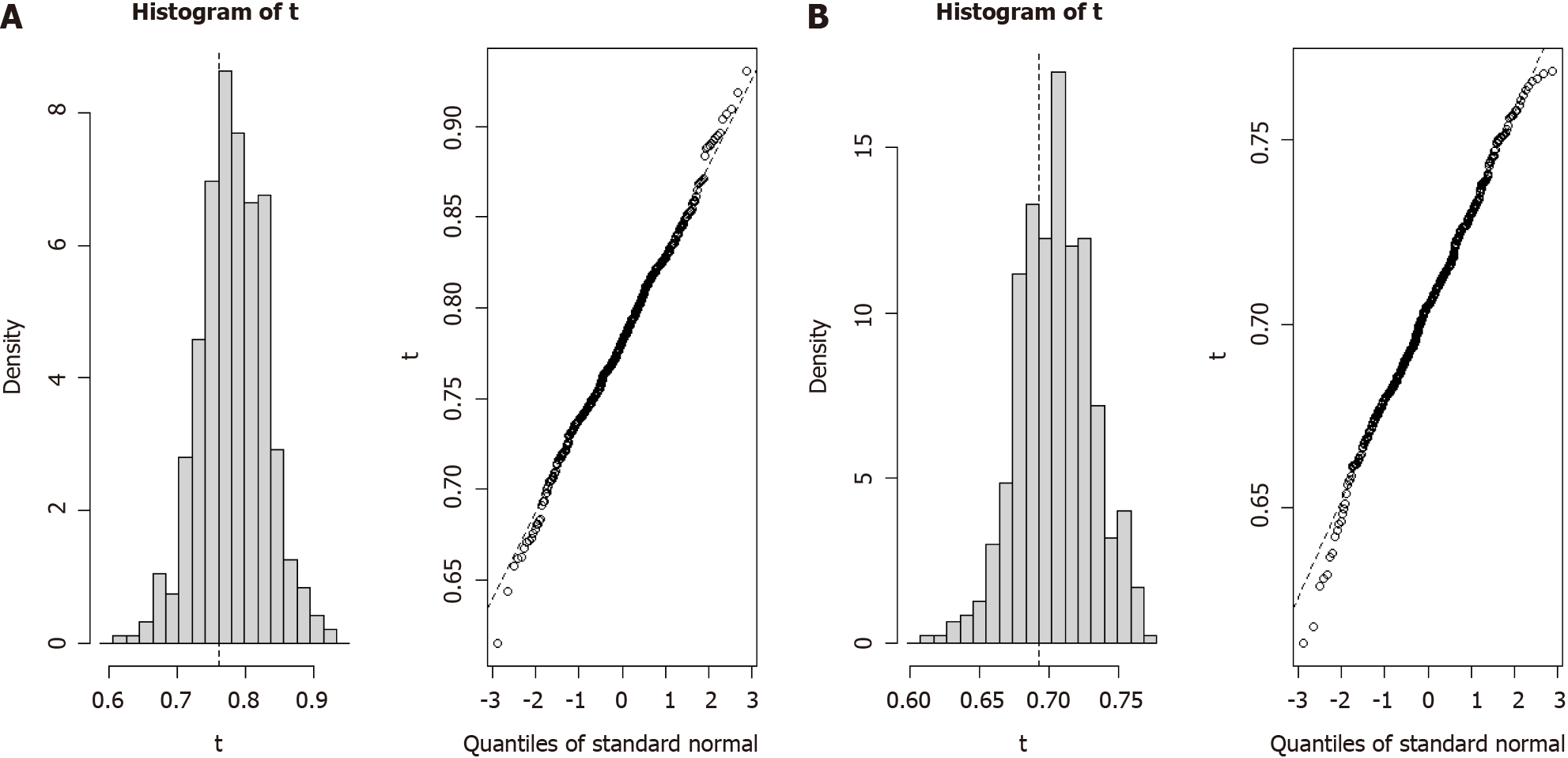
Figure 4 Bootstrap analysis for model efficiency.
A: Histogram of bootstrap validation for the 1-year prognostic model; B: Histogram of bootstrap validation for the 3-year prognostic model. The left image in each panel represents the efficiency obtained from bootstrap validation, while the right image shows the quality standard curve during the validation process.
- Citation: Wang ZR, Zhang CZ, Ding Z, Li YZ, Yin JH, Li N. Establishing prognostic models for intrahepatic cholangiocarcinoma based on immune cells. World J Gastrointest Oncol 2024; 16(10): 4092-4103
- URL: https://www.wjgnet.com/1948-5204/full/v16/i10/4092.htm
- DOI: https://dx.doi.org/10.4251/wjgo.v16.i10.4092