















Copyright: ©Author(s) 2026.
World J Gastrointest Endosc. Mar 16, 2026; 18(3): 116646
Published online Mar 16, 2026. doi: 10.4253/wjge.v18.i3.116646
Published online Mar 16, 2026. doi: 10.4253/wjge.v18.i3.116646
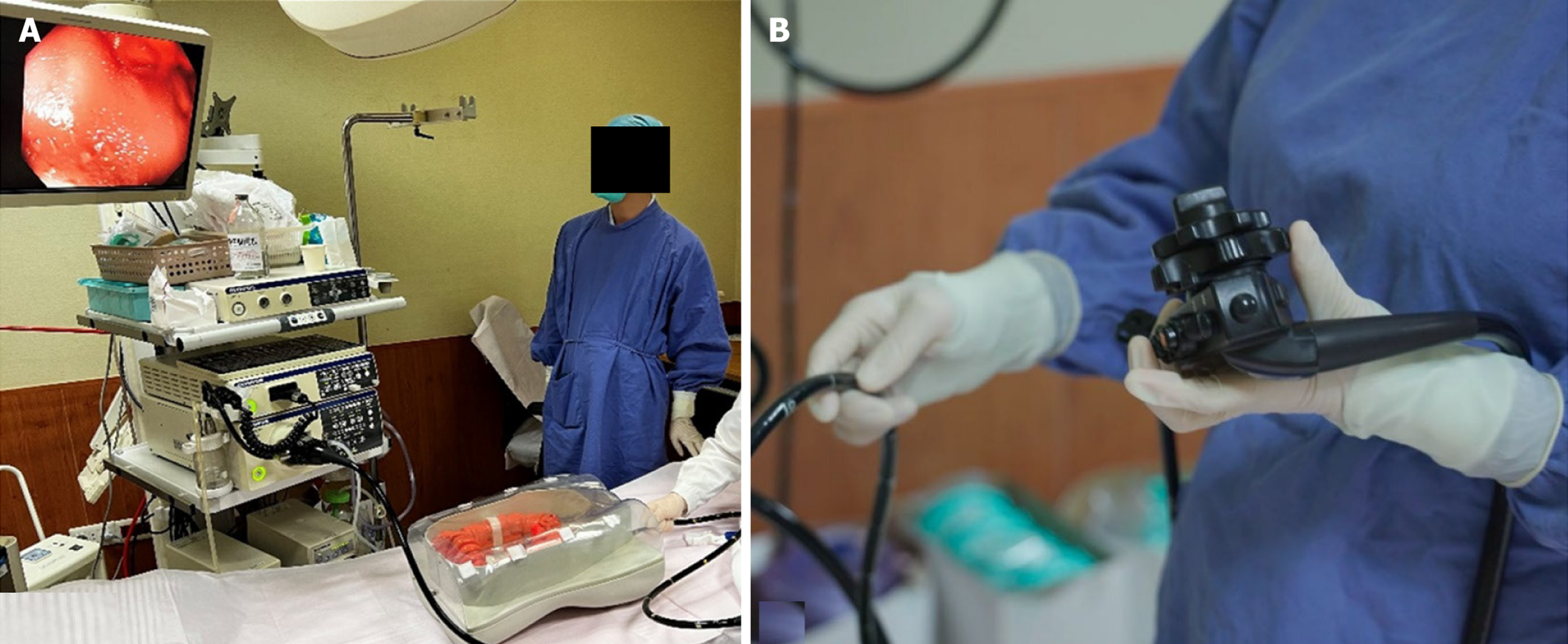
Figure 1 The equipment used in this study.
A: Scene of single-operator colonoscopy insertion; B: Holding mode of single-operator colonoscope operation.
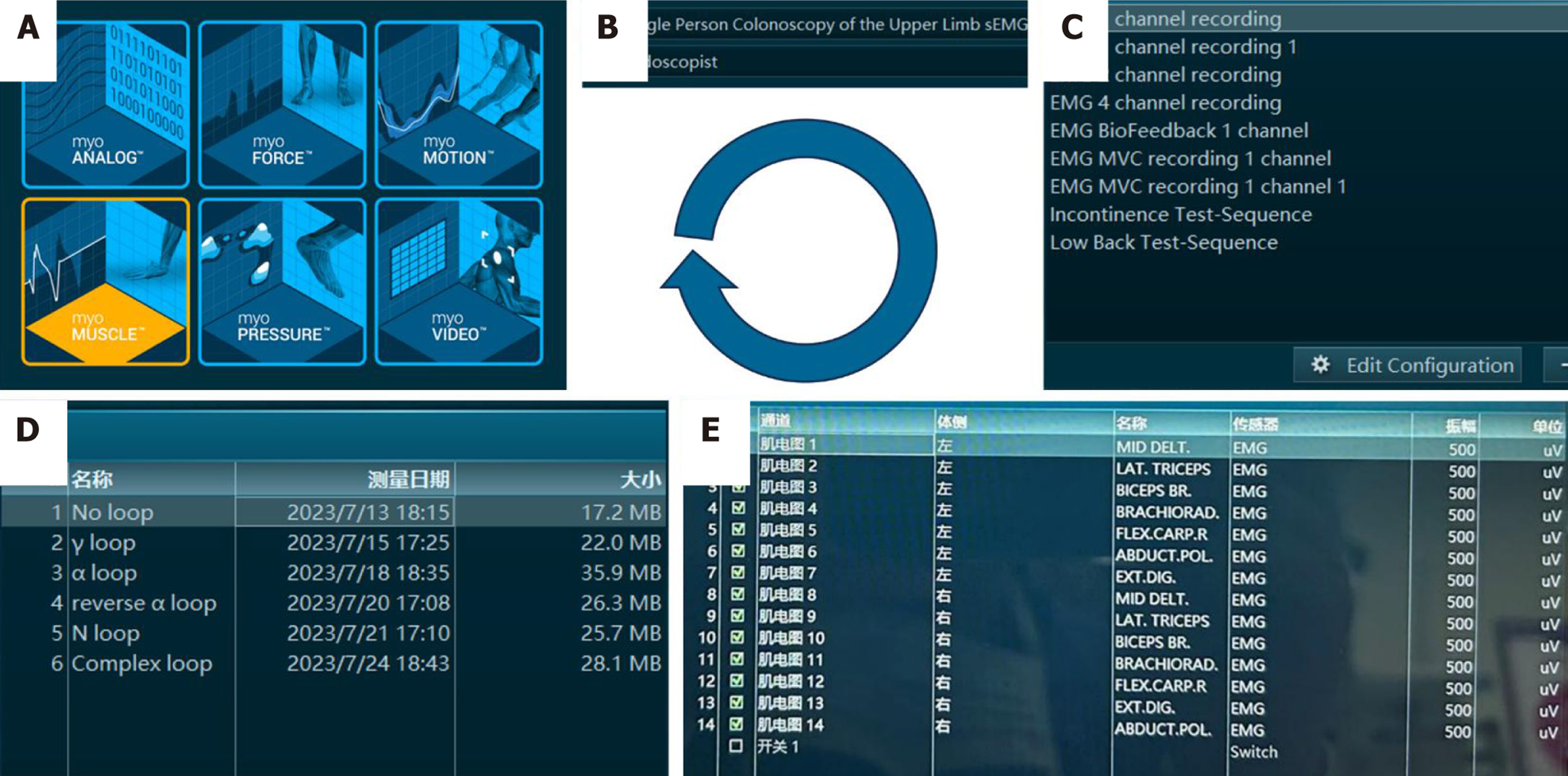
Figure 2 Acquisition flowchart of surface electromyography.
A: Select the myoMUSCLE module; B: Create the name for this stud; C: Configure equipment compatibility to ensure surface electromyography acquisition devices are operational; D: Attach electrodes to the surface of 14 bilateral upper limb muscles; E: Six intestinal loop states were configured on the colonoscopy training model, and surface electromyography data were recorded during colonoscopy examinations.
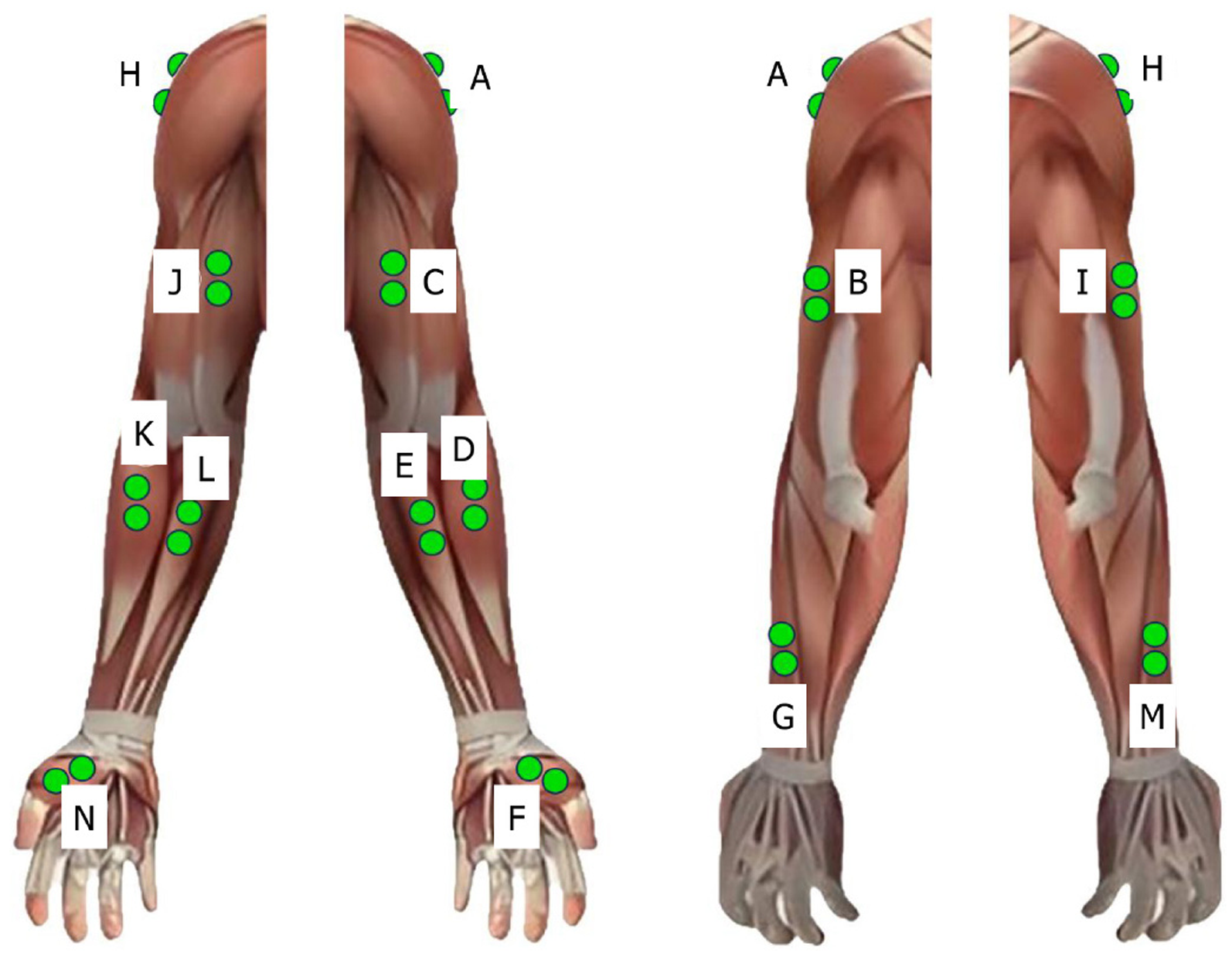
Figure 3 Muscle sites of both upper limbs used for surface electromyography collection in this study.
A: Left middle deltoid; B: Left lateral head of the triceps; C: Left biceps brachii; D: Left brachioradialis; E: Left flexor carpi radialis; F: Left abductor pollicis longus; G: Left extensor digitorum; H: Right middle deltoid; I: Right lateral head of the triceps; J: Right biceps brachii; K: Right brachioradialis; L: Right flexor carpi radialis; M: Right extensor digitorum; N: Right abductor pollicis longus.
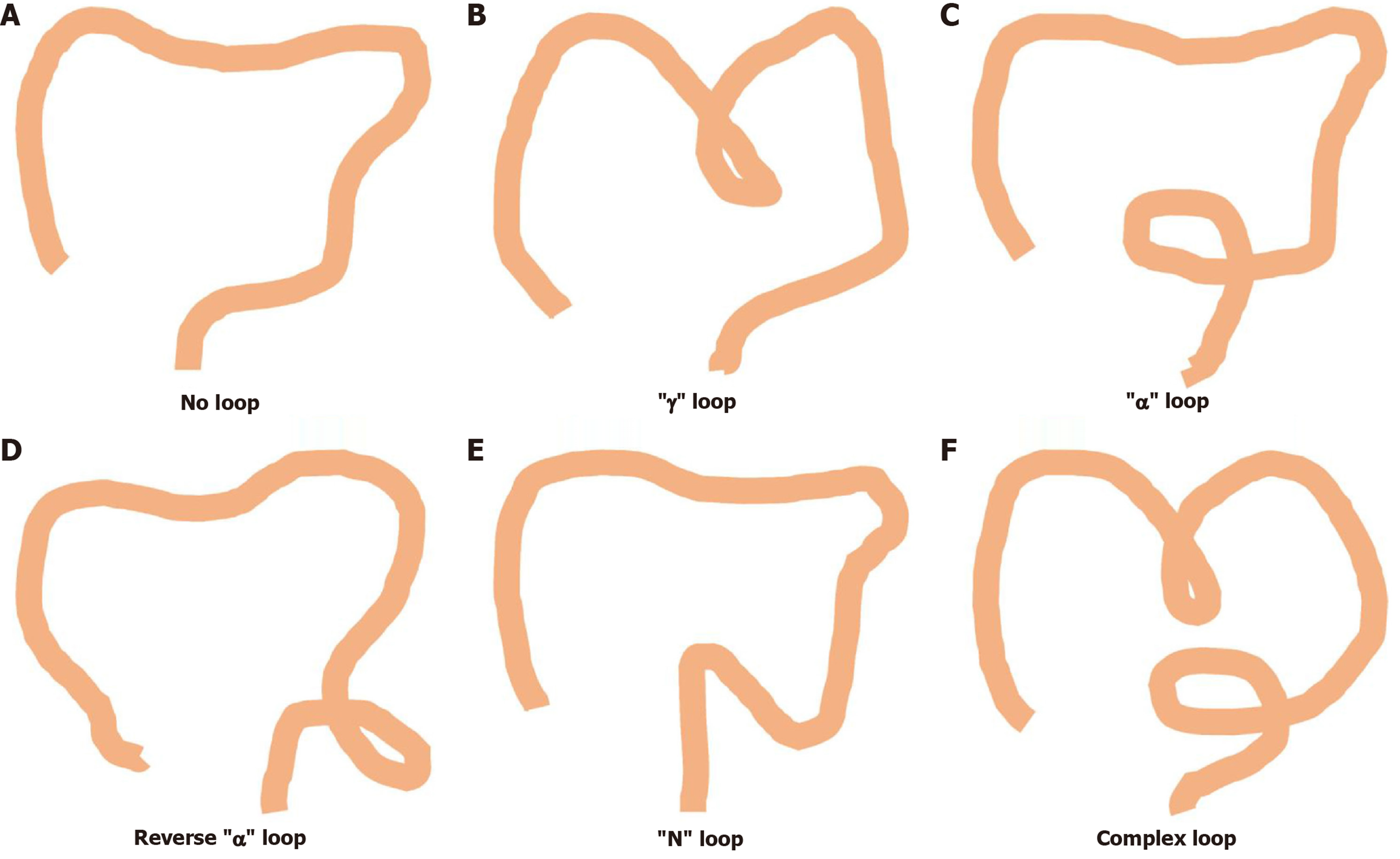
Figure 4 Pattern diagram of different intestinal loops.
A: The entire colon is devoid of loops; B: Mid-transverse colon “γ” loop; C: Sigmoid colon “α” loop; D: Sigmoid colon reverse “α” loop; E: Sigmoid colon “N” loop; F: Sigmoid colon “α” loop and transverse colon “γ” loop represent complex loops.
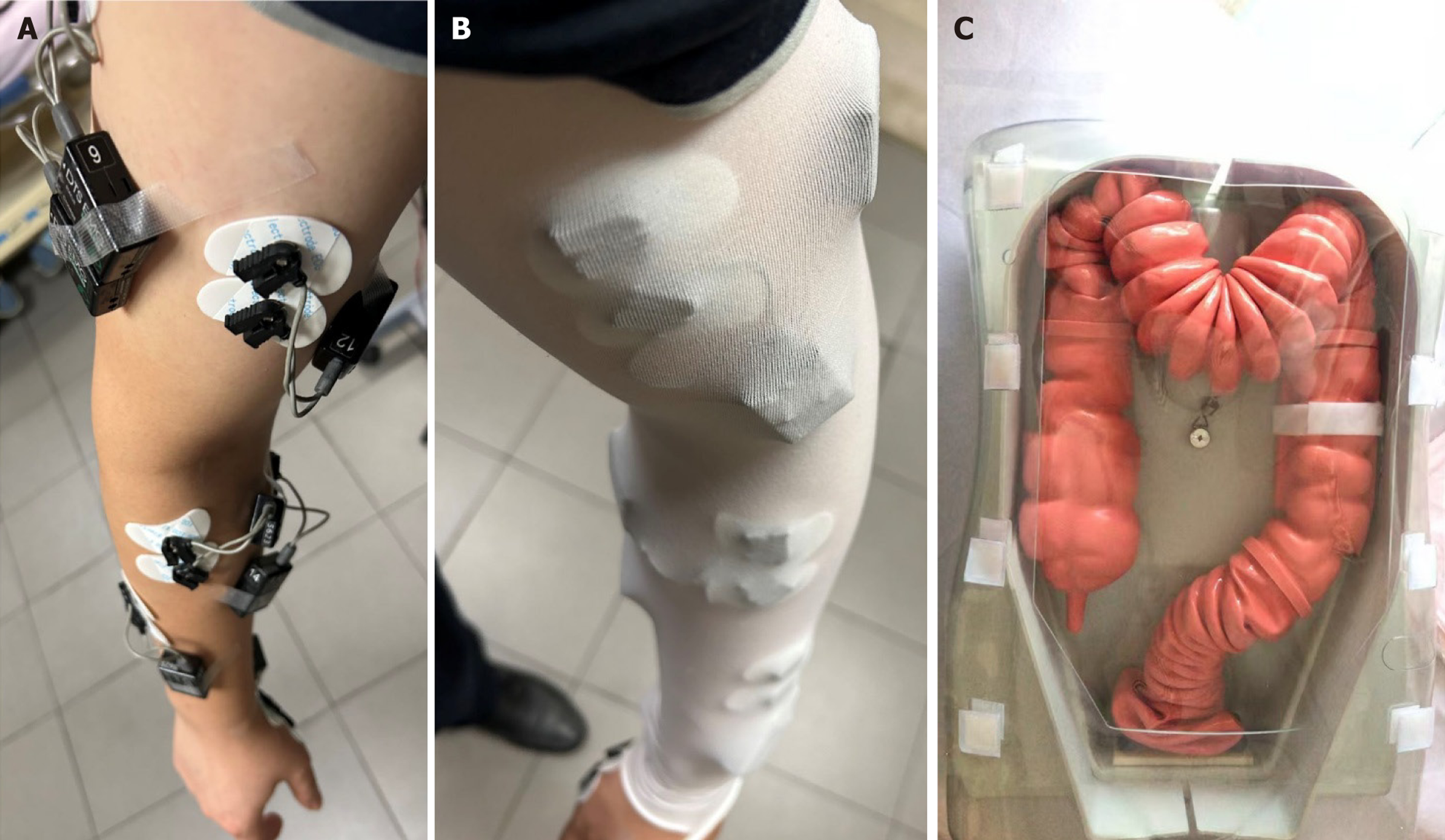
Figure 5 The practical implementation process in this study.
A: The site where the electrodes were affixed to the muscle surface of the upper limb; B: The measures taken for stable signal acquisition; C: A model for training in the operation of colonoscopy used in the experiments.
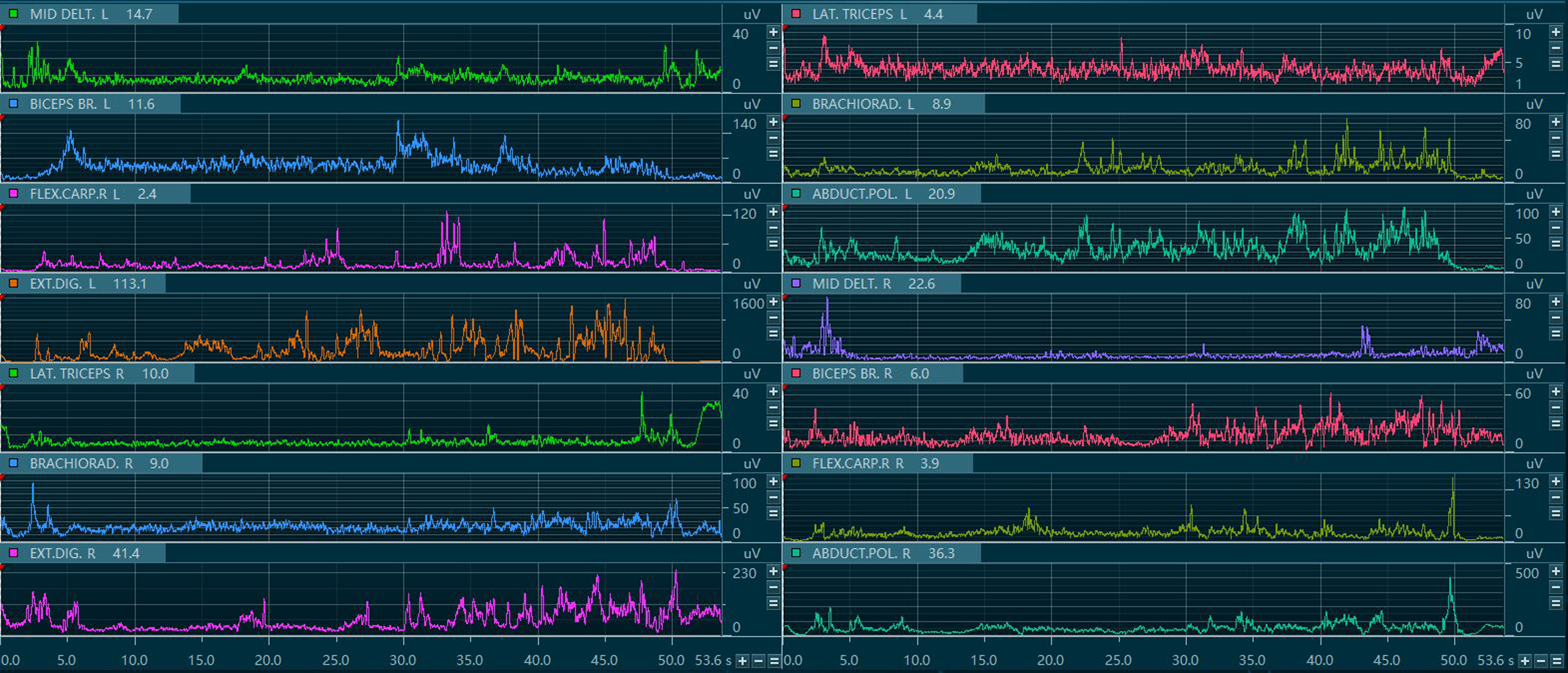
Figure 6 Bilateral upper limb surface electromyography signals after root mean square filtering and noise reduction.
MID DELT. L: Left middle deltoid; MID DELT. R: Right middle deltoid; LAT. TRICEPS. L: Left lateral head of the triceps; LAT. TRICEPS. R: Right lateral head of the triceps; BICEPS BR. L: Left biceps brachii; BICEPS BR. R: Right biceps brachii; BRACHIORAD. L: Left brachioradialis; BRACHIORAD. R: Right brachioradialis; FLEX.CARP.R. L: Left flexor carpi radialis; FLEX.CARP.R. R: Right flexor carpi radialis; ABDUCT.POL. L: Left abductor pollicis longus; ABDUCT.POL. R: Right abductor pollicis longus; EXT.DIG. L: Left extensor digitorum; EXT.DIG. R: Right extensor digitorum.
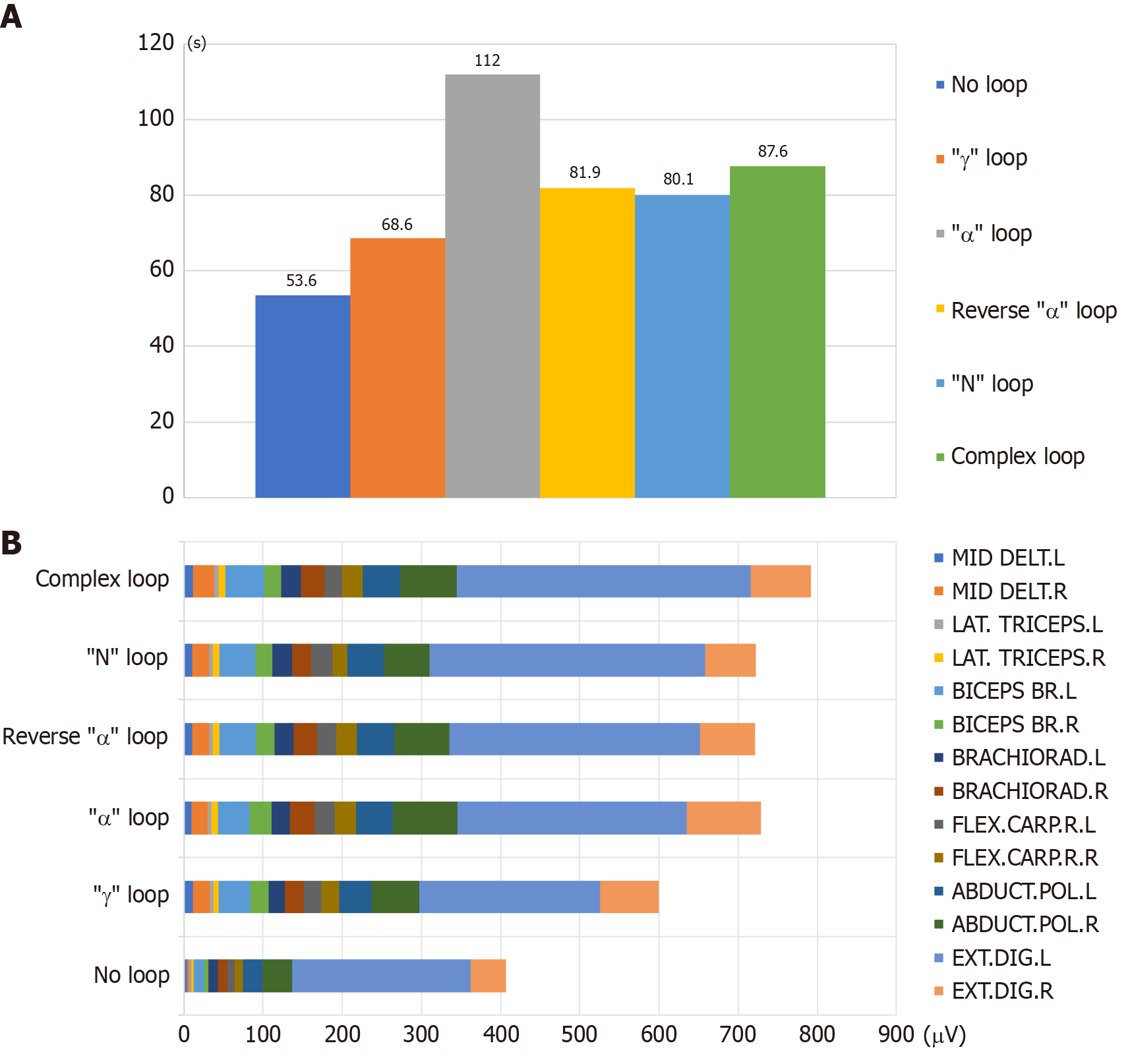
Figure 7 Result of single person colonoscopy operation.
A: Time consuming insertion of each intestinal loops during single person colonoscopy operation; B: The root mean square values for surface electromyography of both upper limb muscles during single person colonoscopy operation. MID DELT. L: Left middle deltoid; MID DELT. R: Right middle deltoid; LAT. TRICEPS. L: Left lateral head of the triceps; LAT. TRICEPS. R: Right lateral head of the triceps; BICEPS BR. L: Left biceps brachii; BICEPS BR. R: Right biceps brachii; BRACHIORAD. L: Left brachioradialis; BRACHIORAD. R: Right brachioradialis; FLEX.CARP.R. L: Left flexor carpi radialis; FLEX.CARP.R. R: Right flexor carpi radialis; ABDUCT.POL. L: Left abductor pollicis longus; ABDUCT.POL. R: Right abductor pollicis longus; EXT.DIG. L: Left extensor digitorum; EXT.DIG. R: Right extensor digitorum.
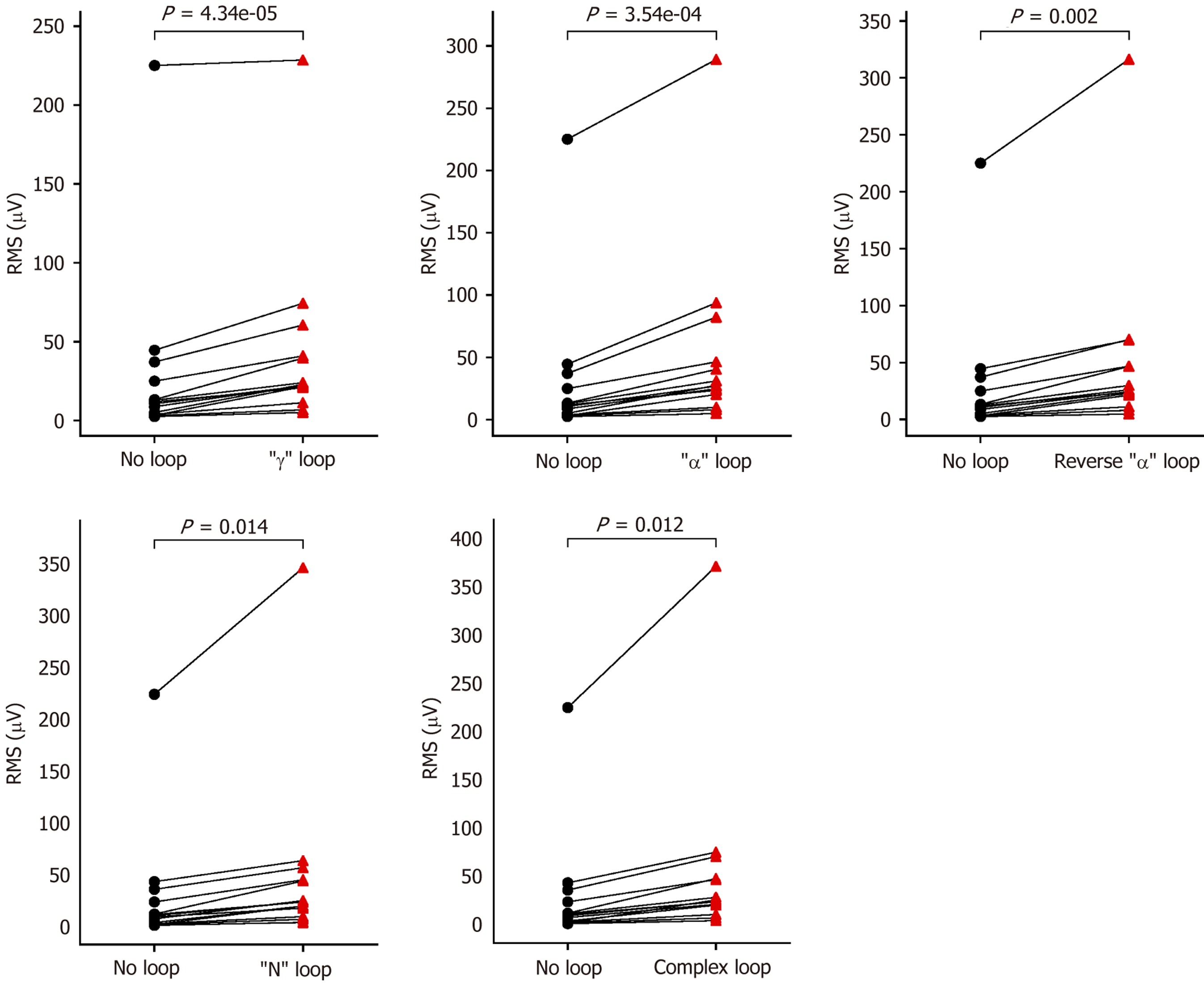
Figure 8 Difference between root mean square of surface electromyography of both upper limb muscles during insertion of no loop and other intestinal loops.
RMS: Root mean square.
- Citation: Wang RG, Wang YQ, Cao H. Bilateral upper limb surface electromyography analysis during single-operator colonoscopy: Implications for ergonomics and occupational health. World J Gastrointest Endosc 2026; 18(3): 116646
- URL: https://www.wjgnet.com/1948-5190/full/v18/i3/116646.htm
- DOI: https://dx.doi.org/10.4253/wjge.v18.i3.116646