
















©The Author(s) 2026.
World J Gastrointest Endosc. Feb 16, 2026; 18(2): 114779
Published online Feb 16, 2026. doi: 10.4253/wjge.v18.i2.114779
Published online Feb 16, 2026. doi: 10.4253/wjge.v18.i2.114779
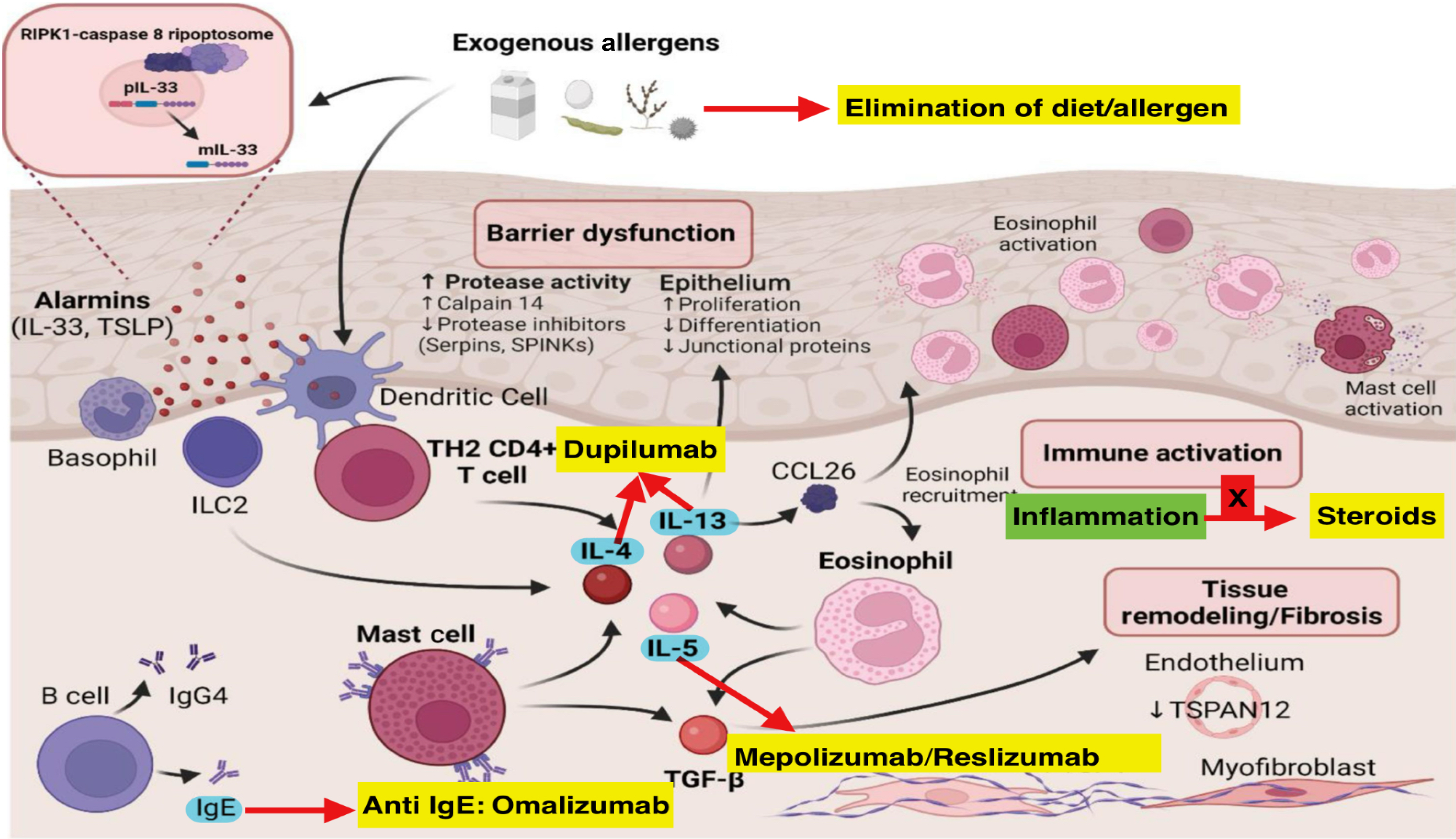
Figure 1 Various steps in the pathogenesis of eosinophilic esophagitis and the drugs targeting specific therapeutic targets.
Food and aeroallergens act as triggers. Altered epithelial integrity helps increase antigen exposure to antigen-presenting cells that starts a type 2 helper T cell-mediated inflammatory cascade. This causes tissue inflammation and damage. Activation of transforming growth factor-beta leads to fibrosis and tissue remodeling. Various group of drugs have been depicted, targeting specific target molecules along the proinflammatory cascade. CCL26: Chemokine (C-C motif) ligand 26; Ig: Immunoglobulin; IL: Interleukin; ILC2: Innate lymphoid cell 2; TGF-β: Transforming growth factor beta; TSLP: Thymic stromal lymphopoietin; TSPAN: Tetraspanin; pIL-33: Plasmin interleukin 33; mIL-33: Murine interleukin 33; RIPK1: Receptor interacting serine/threonine protein kinase 1; SPINK: Serine protease inhibitor Kazal; TH2: T helper 2; CD4: Cluster of differentiation 4.
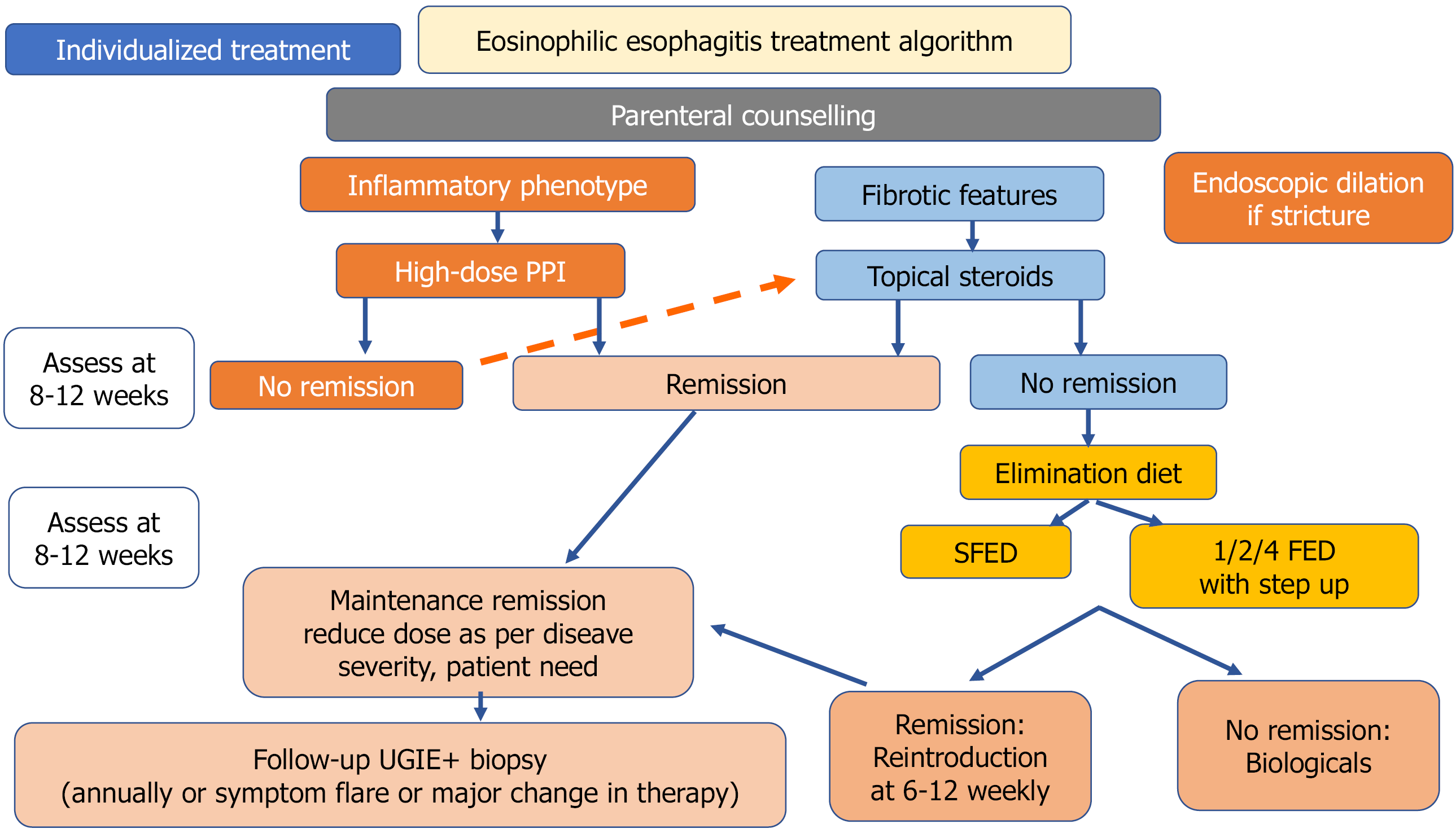
Figure 2 Stepwise approach to deciding therapeutic modalities, follow-up evaluation, and long-term monitoring.
FED: Food elimination diet; PPI: Proton pump inhibitor; SFED: Six-food elimination diet; UGIE: Upper gastrointestinal endoscopy.
- Citation: Samanta A, Singh V, Chakraborty B, Ray G. Eosinophilic esophagitis in children: Clinical perspectives and evolving therapeutic strategies. World J Gastrointest Endosc 2026; 18(2): 114779
- URL: https://www.wjgnet.com/1948-5190/full/v18/i2/114779.htm
- DOI: https://dx.doi.org/10.4253/wjge.v18.i2.114779