
















©The Author(s) 2026.
World J Hepatol. Feb 27, 2026; 18(2): 115563
Published online Feb 27, 2026. doi: 10.4254/wjh.v18.i2.115563
Published online Feb 27, 2026. doi: 10.4254/wjh.v18.i2.115563
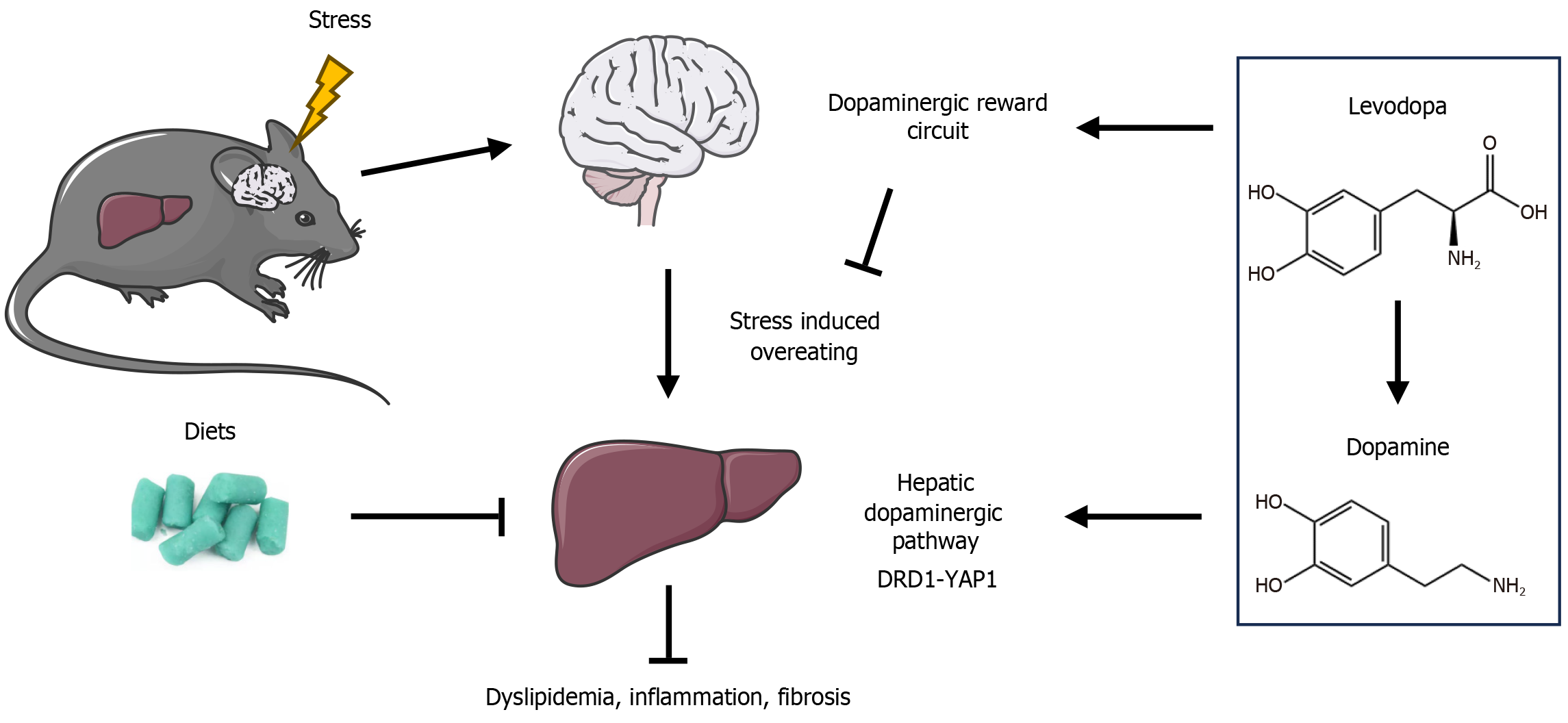
Figure 1 The schematic illustration of the putative mechanisms underlying levodopa-mediated therapeutic effects in liver disease.
DRD1: Dopamine receptor D1; YAP1: Yes-associated protein 1.
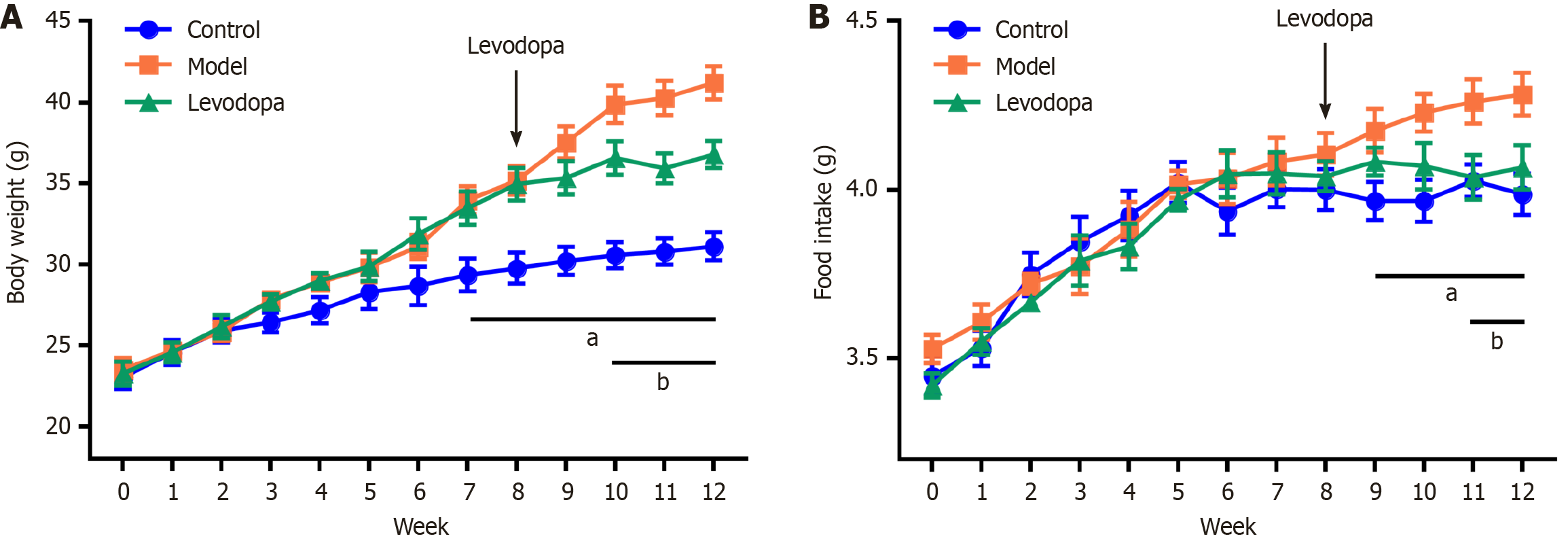
Figure 2 The therapeutic effect of levodopa on the body weight and the food consumption in chronic stress-exacerbated metabolic dysfunction-associated steatotic liver disease mice.
A: The body weight was recorded weekly; B: The food consumption was recorded weekly. Male C57BL/6 mice aged 6-8 weeks were used in this study (n = 6). A murine model was constructed by a chronic restraint stress experiment combined with high fat, high fructose, and high cholesterol diets, while the levodopa (10 mg/kg) was intraperitoneally injected as intervention from the eighth week. This experiment was conducted under the supervision of the Institutional Animal Ethics Committee of the Shanghai Hospital of Traditional Chinese Medicine. Repeated-measures analysis of variance was employed for the statistical analysis of body weight and food intake. aP < 0.05, compared between the control group and the model group; bP < 0.05, compared between the model group and the levodopa group.
- Citation: Xu J, Qian Y, Wang JM, Wu XL, Zheng YY. Levodopa: A novel therapeutic prospect for liver disease. World J Hepatol 2026; 18(2): 115563
- URL: https://www.wjgnet.com/1948-5182/full/v18/i2/115563.htm
- DOI: https://dx.doi.org/10.4254/wjh.v18.i2.115563