
















Copyright: ©Author(s) 2026.
World J Hepatol. Nov 27, 2026; 18(11): 125990
Published online Nov 27, 2026. doi: 10.4254/wjh.125990
Published online Nov 27, 2026. doi: 10.4254/wjh.125990
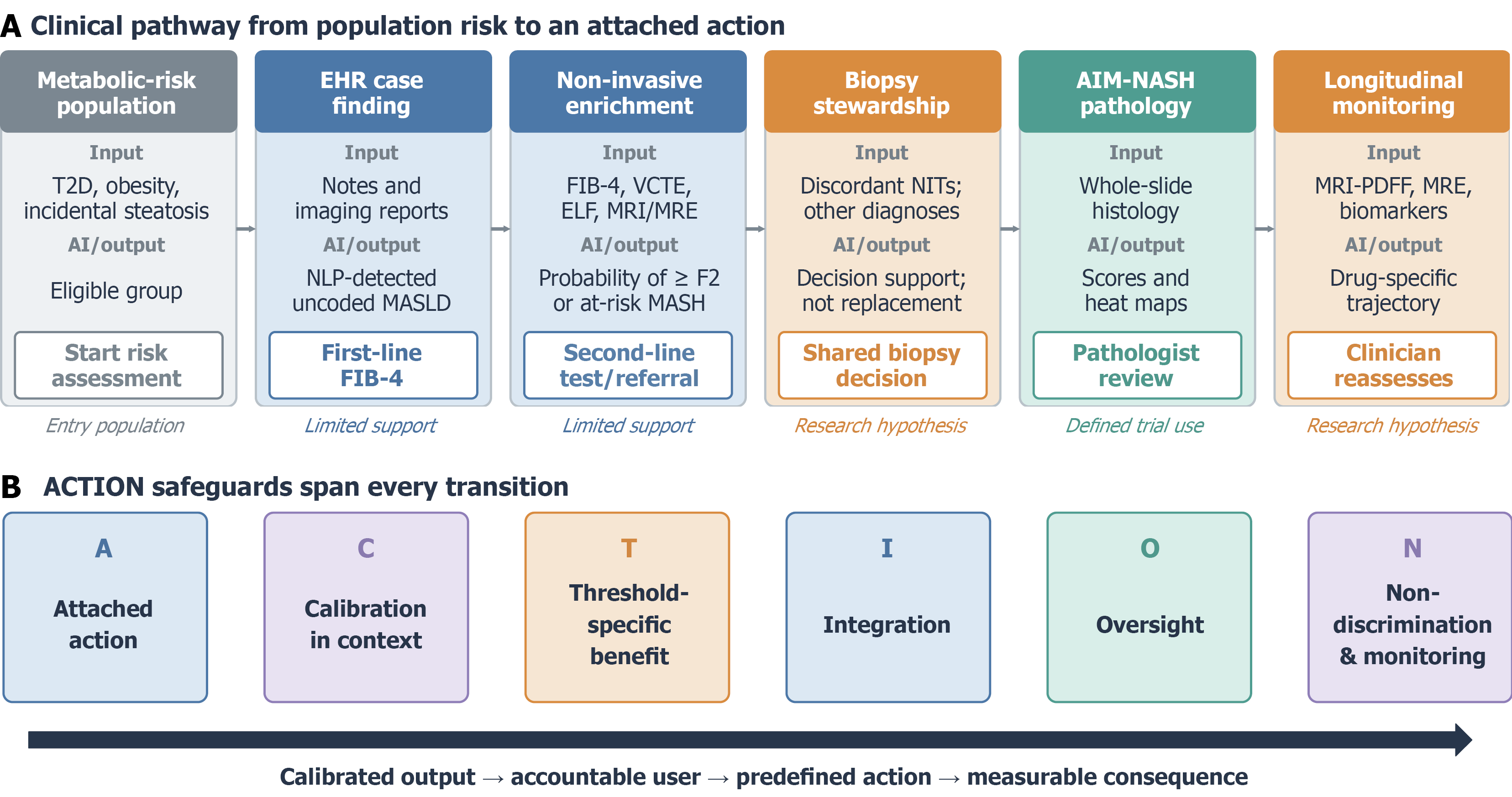
Figure 1 From the metabolic dysfunction-associated steatotic liver disease population to treatment-actionable metabolic dysfunction-associated steatohepatitis.
A: The therapeutic pathway narrows from a metabolic-risk population through electronic health record case finding, non-invasive enrichment, biopsy stewardship, digital pathology and longitudinal monitoring. Specific examples include imaging-report natural language processing, fibrosis-4 index followed by vibration-controlled transient elastography/Enhanced Liver Fibrosis or imaging, artificial intelligence (AI)-based measurement tool for non-alcoholic steatohepatitis trial pathology and drug-specific magnetic resonance imaging proton density fat fraction or magnetic resonance elastography trajectories. Each stage distinguishes the input, output and attached action. Evidence labels show the present boundary: Case finding and enrichment have limited closed-loop support; biopsy stewardship and AI-guided longitudinal management remain research hypotheses; and human-reviewed digital pathology has a defined clinical-trial use; B: The six ACTION safeguards apply across every transition: A: Attached action; C: Calibration in context; T: Threshold-specific benefit; I: Integration; O: Oversight; and N: Non-discrimination and monitoring. An AI output becomes clinically meaningful only when it is calibrated for the intended context, assigned to an accountable user, linked to a predefined action and evaluated by a measurable consequence. T2D: Type 2 diabetes; AI: Artificial intelligence; NLP: Natural language processing; MASLD: Metabolic dysfunction-associated steatotic liver disease; FIB-4: Fibrosis-4 index; VCTE: Vibration-controlled transient elastography; ELF: Enhanced Liver Fibrosis; MRI: Magnetic resonance imaging; MRE: Magnetic resonance elastography; MASH: Metabolic dysfunction-associated steatohepatitis; NIT: Non-invasive test; AIM-NASH: Artificial intelligence-based measurement tool for non-alcoholic steatohepatitis; MRI-PDFF: Magnetic resonance imaging proton density fat fraction.
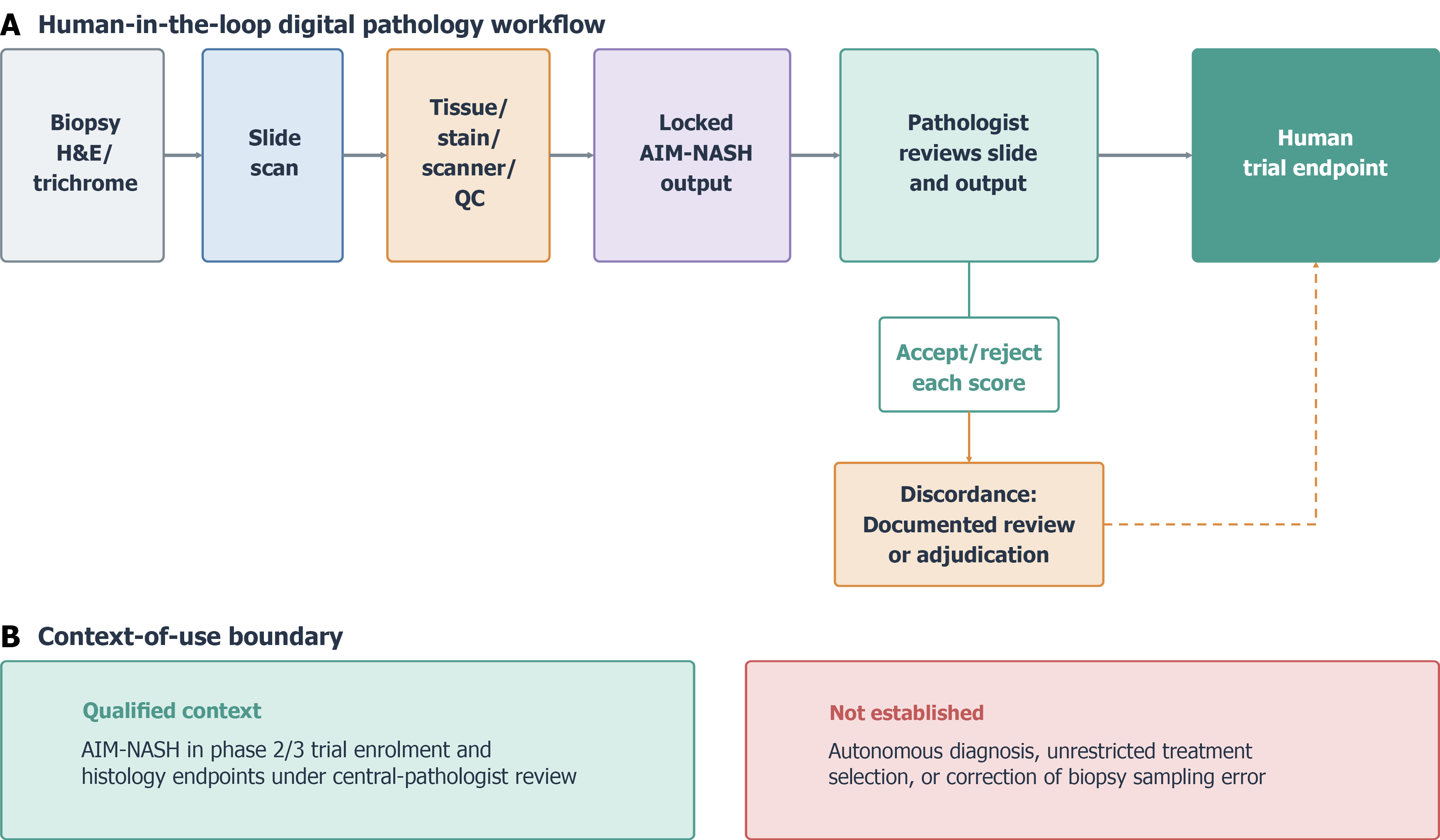
Figure 2 Human-in-the-loop digital pathology for regulatory-grade metabolic dysfunction-associated steatohepatitis endpoints.
A: The specified artificial intelligence-based measurement tool for non-alcoholic steatohepatitis (AIM-NASH) workflow proceeds from liver biopsy and whole-slide scanning through tissue, stain and scanner quality control, a locked model, and review of the complete slide and artificial intelligence output by a central pathologist. The pathologist accepts or rejects each component score; discordant cases undergo documented review or adjudication before a human-issued trial endpoint is released. Solid arrows show the primary workflow and the dashed arrow shows return from discordance review to the final endpoint; B: The qualified context is phase 2/3 metabolic dysfunction-associated steatohepatitis (MASH)-trial enrolment and histology-based endpoint assessment under central-pathologist review. Autonomous routine diagnosis, unrestricted treatment selection and correction of biopsy sampling error are not established. AIM-NASH/artificial intelligence-based measurement tool for MASH should not be treated as interchangeable with second harmonic generation/two-photon excitation fluorescence qFibrosis, which uses a distinct platform and has different validation evidence. H&E: Haematoxylin and eosin; QC: Quality control; AIM-NASH: Artificial intelligence-based measurement tool for non-alcoholic steatohepatitis.
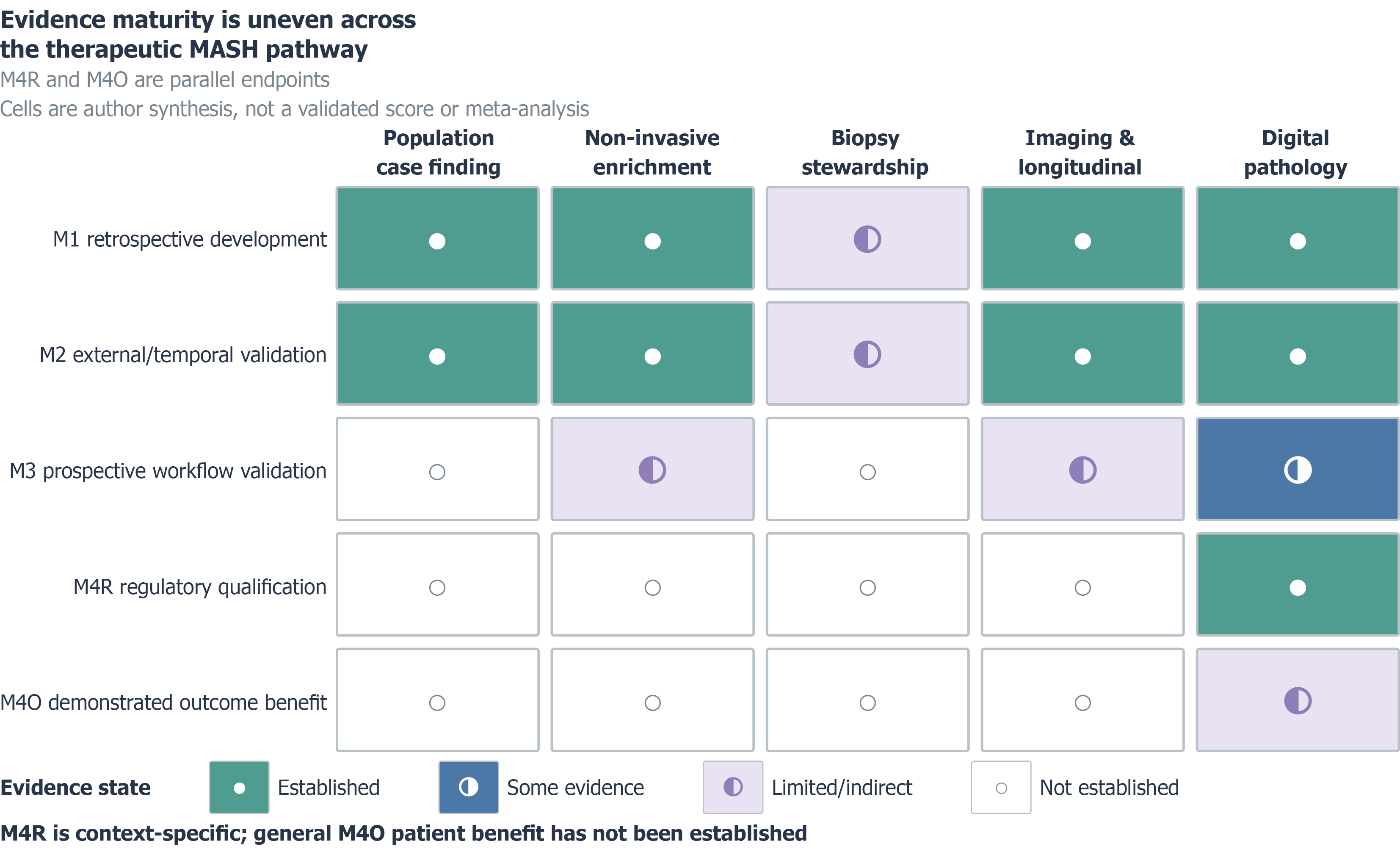
Figure 3 Evidence maturity matrix for artificial intelligence across the therapeutic metabolic dysfunction-associated steatohepatitis pathway.
The matrix maps five decision domains to a descriptive maturity framework proposed in this review. M1 denotes retrospective development or internal validation; M2, independent external or temporal validation; M3, prospective workflow or assisted-reader validation; M4R, regulatory qualification in a specified context of use; and M4O, demonstrated patient or trial-outcome benefit from model-guided action. Colour and symbol states indicate established evidence, some evidence, limited or indirect evidence, or no established evidence. M4R and M4O are parallel endpoints: Regulatory qualification does not by itself demonstrate patient benefit. Digital pathology reaches M4R only for the qualified human-reviewed trial context; general M4O benefit is not established. Cells represent an author synthesis of the reviewed evidence and are neither a validated score nor a meta-analysis. MASH: Metabolic dysfunction-associated steatohepatitis.
- Citation: Liu YH, Li SY, Zhang ST, Zhu ZX. Translational artificial intelligence in therapeutic-era metabolic dysfunction-associated steatohepatitis: The ACTION framework. World J Hepatol 2026; 18(11): 125990
- URL: https://www.wjgnet.com/1948-5182/full/v18/i11/125990.htm
- DOI: https://dx.doi.org/10.4254/wjh.125990