
















Copyright: ©Author(s) 2026.
World J Hepatol. Nov 27, 2026; 18(11): 121224
Published online Nov 27, 2026. doi: 10.4254/wjh.121224
Published online Nov 27, 2026. doi: 10.4254/wjh.121224
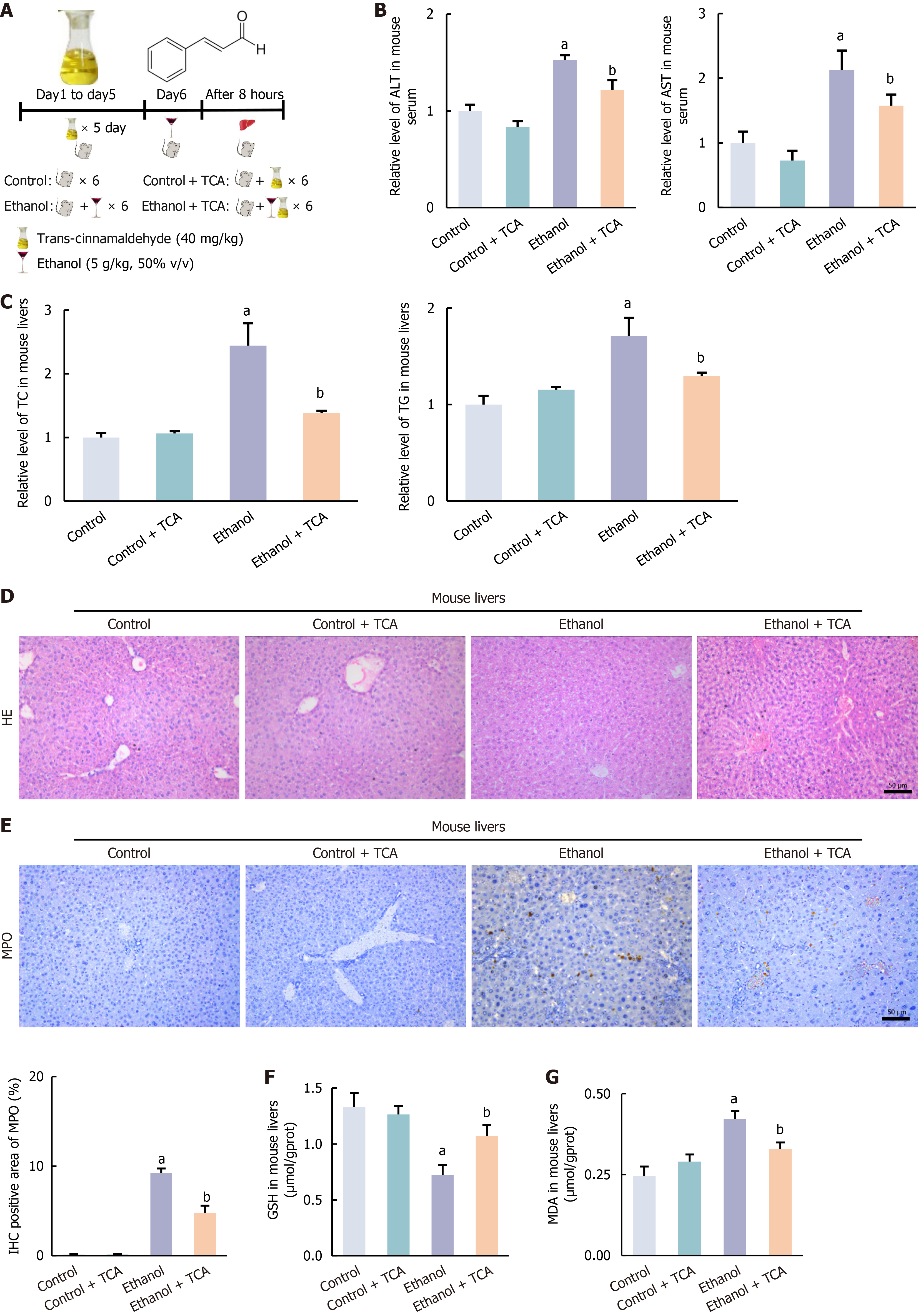
Figure 1 Trans-cinnamaldehyde alleviates ethanol-induced liver injury and oxidative stress in mice.
A: Physicochemical properties and molecular formula of trans-cinnamaldehyde, experimental timeline and group of acute ethanol-induced liver injury mice model; B: Relative serum alanine aminotransferase and aspartate aminotransferase levels in mouse; C: Relative level of total cholesterol and triglyceride levels in mouse liver; D: Representative hematoxylin and eosin-stained liver sections (scale bar: 50 μm); E: Myeloperoxidase immunohistochemistry staining and quantitative analysis in liver tissues (scale bar: 50 μm); F: Glutathione levels in mouse livers; G: Malondialdehyde levels in mouse livers; n = 6/group. aP < 0.05 vs the control group. bP < 0.05 vs the ethanol group. TCA: Trans-cinnamaldehyde; ALT: Alanine aminotransferase; AST: Aspartate aminotransferase; TC: Total cholesterol; TG: Triglyceride; MPO: Myeloperoxidase; HE: Hematoxylin and eosin; IHC: Immunohistochemistry; GSH: Glutathione; MDA: Malondialdehyde.
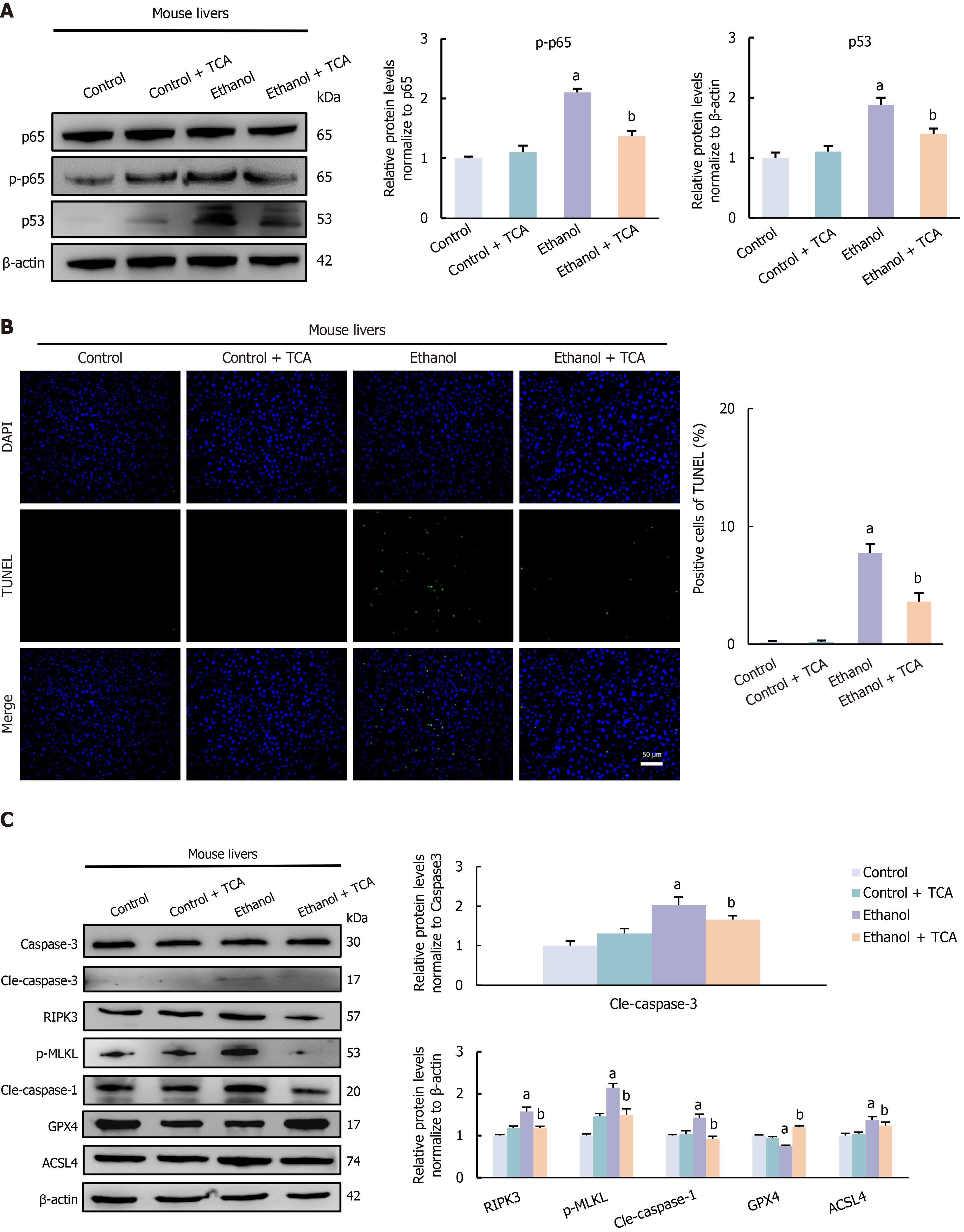
Figure 2 Trans-cinnamaldehyde alleviates ethanol-induced hepatic cell death.
A: Protein levels of phospho-p65 and p53 in mice livers; B: Terminal deoxynucleotidyl transferase deoxyuridine triphosphate nick-end labeling staining and quantification of mice livers (scale bar: 50 μm); C: Western blotting analysis of cysteinyl aspartate specific proteinase-3, cleaved cysteinyl aspartate specific proteinase-3, receptor-interacting serine/threonine-protein kinase 3, phosphorylated mixed lineage kinase domain-like protein, cleaved cysteinyl aspartate specific proteinase-1 (cleaved-caspase1), glutathione peroxidase 4, acyl-CoA synthetase long-chain family member 4 levels in mice livers; n = 6/group. aP < 0.05 vs the control group. bP < 0.05 vs the ethanol group. TCA: Trans-cinnamaldehyde; p-p65: Phospho-p65; DAPI: 4’,6-diamidino-2-phenylindole; TUNEL: Terminal deoxynucleotidyl transferase deoxyuridine triphosphate nick-end labeling; Cle-caspase-3: Cleaved cysteinyl aspartate specific proteinase-3; RIPK3: Receptor-interacting serine/threonine-protein kinase 3; p-MLKL: Phosphorylated mixed lineage kinase domain-like protein; GPX4: Glutathione peroxidase 4; ACSL4: Acyl-CoA synthetase long-chain family member 4.
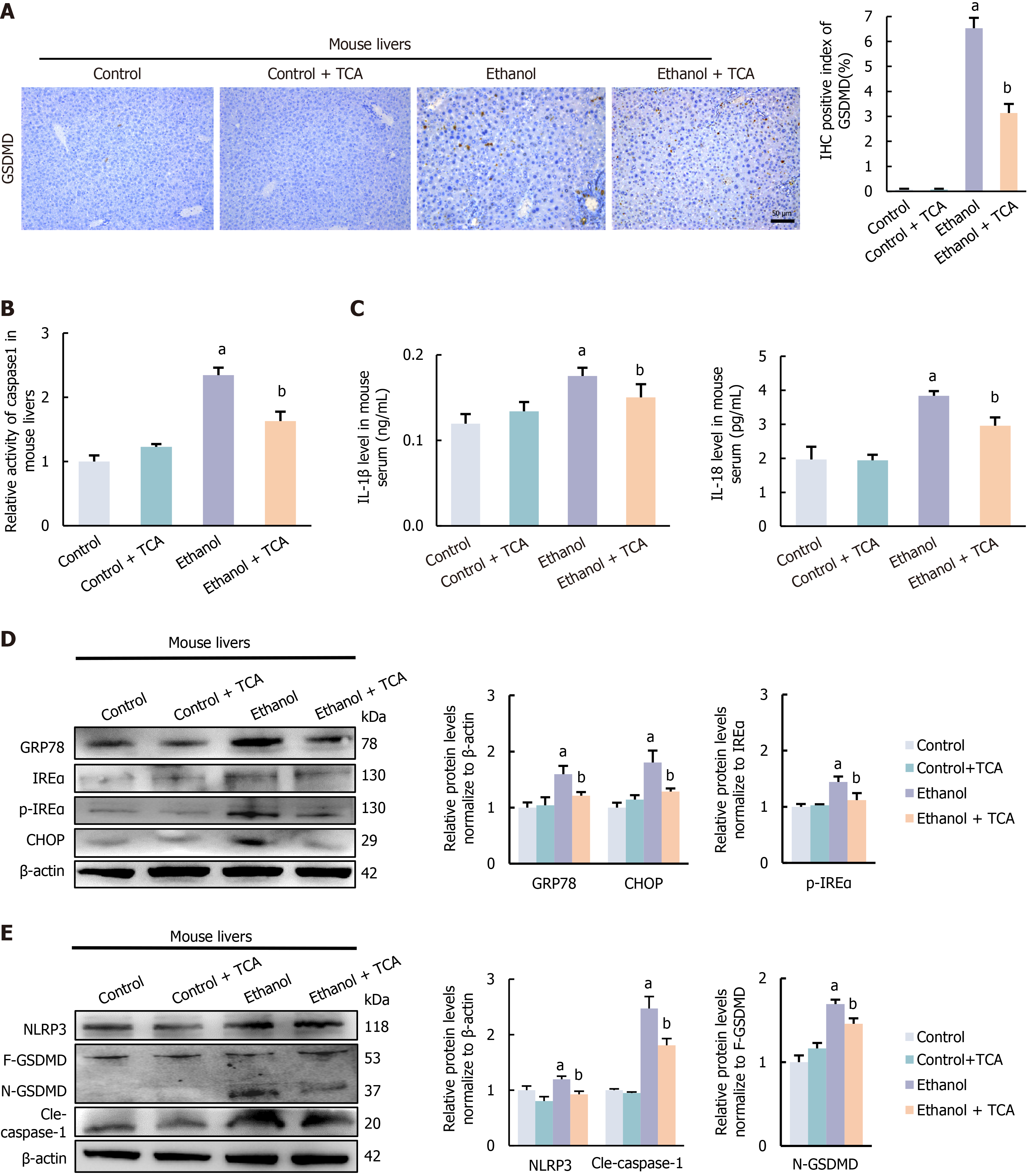
Figure 3 Trans-cinnamaldehyde alleviates ethanol-induced endoplasmic reticulum stress and pyroptosis in vivo.
A: Gasdermin D immunohistochemistry and quantification in mice livers (scale bar: 50 μm); B: Relative hepatic caspase-1 activity levels of acute alcoholic liver injury (ALI) model mice livers; C: Levels of interleukin-18 and interleukin-1β in serum of acute ALI model mice; D: Protein levels of glucose-regulated protein 78, phosphorylated inositol-requiring enzyme 1α, C/EBP homologous protein in mice livers; E: Protein levels of NOD-like receptor family pyrin domain containing 3, cleaved cysteinyl aspartate specific proteinase-1, N-terminal gasdermin D in mice livers; n = 6/group. aP < 0.05 vs the control group. bP < 0.05 vs the ethanol group. TCA: Trans-cinnamaldehyde; IHC: Immunohistochemistry; GSDMD: Gasdermin D; IL: Interleukin; GRP78: Glucose-regulated protein 78; IRE1α: Inositol-requiring enzyme 1α; p-IRE1α: Phosphorylated inositol-requiring enzyme 1α; CHOP: C/EBP homologous protein; NLRP3: NOD-like receptor family pyrin domain containing 3; Cle-caspase-1: Cleaved cysteinyl aspartate specific proteinase-1.
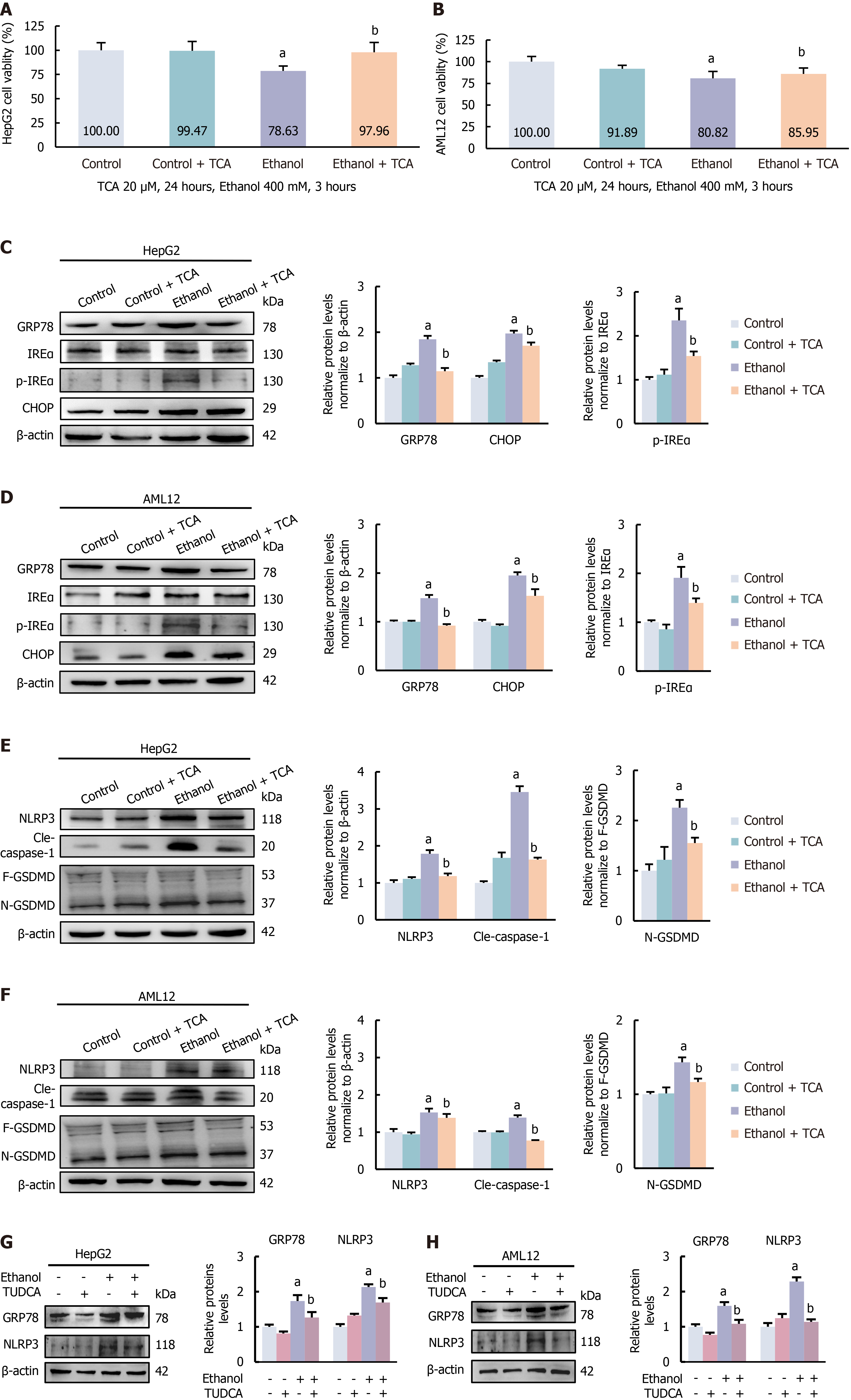
Figure 4 Trans-cinnamaldehyde alleviates ethanol-induced endoplasmic reticulum stress and pyroptosis in vitro.
A and B: Cell counting kit-8 assay for viability of HepG2 (A) and AML12 (B) cells treated with trans-cinnamaldehyde (TCA) followed by ethanol; C and D: Protein levels of endoplasmic reticulum (ER) stress-related proteins in HepG2 (C) and AML12 (D) cells treated with TCA followed by ethanol; E and F: Protein levels of pyroptosis-related proteins in HepG2 (E) and AML12 (F) cells treated with TCA followed by ethanol; G and H: Protein levels of glucose-regulated protein 78 and NOD-like receptor family pyrin domain containing 3 in HepG2 (G) and AML12 (H) cells treated with ER stress inhibitor tauroursodeoxycholic acid; n = 3/group. aP < 0.05 vs the control group. bP < 0.05 vs the ethanol group. GSDMD: Gasdermin D; TUDCA: Tauroursodeoxycholic acid; TCA: Trans-cinnamaldehyde; GRP78: Glucose-regulated protein 78; IRE1α: Inositol-requiring enzyme 1α; p-IRE1α: Phosphorylated inositol-requiring enzyme 1α; CHOP: C/EBP homologous protein; NLRP3: NOD-like receptor family pyrin domain containing 3; Cle-caspase-1: Cleaved cysteinyl aspartate specific proteinase-1.
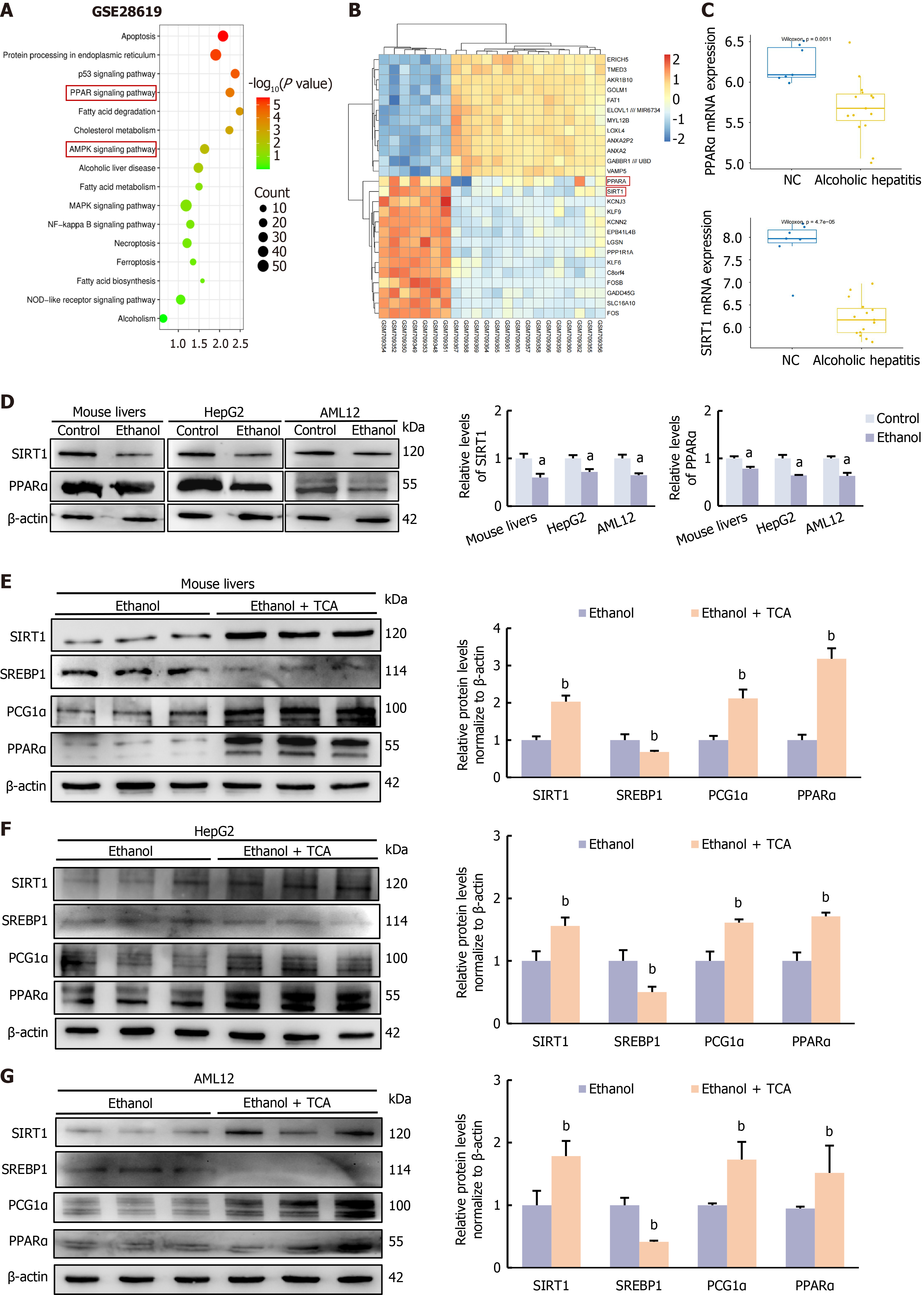
Figure 5 Trans-cinnamaldehyde improves the expression of sirtuin 1 and peroxisome proliferator-activated receptor alpha and attenuate lipid metabolic dysregulation.
A: Kyoto Encyclopedia of Genes and Genomes enrichment analysis of peroxisome proliferator-activated receptor (PPAR) and adenosine monophosphate-activated protein kinase signaling pathways in alcoholic hepatitis using the Gene Expression Omnibus (GEO) dataset (GSE28619); B and C: Sirtuin 1 (SIRT1) and PPARα messenger RNA expression in alcoholic hepatitis patients (n = 15) vs healthy volunteers (n = 7), P < 0.05. Data sourced from GEO; D: Protein levels of SIRT1 and PPARα in mouse livers, HepG2 cells, and AML12 cells, aP < 0.05 vs the control group; E-G: Protein levels of SIRT1, sterol regulatory element-binding protein 1, PPAR γ coactivator 1α, and PPARα in mice livers (n = 6/group), HepG2 cells (n = 3), and AML12 cells (n = 3) in the ethanol and the ethanol + trans-cinnamaldehyde groups, bP < 0.05 vs the ethanol group. PPAR: Peroxisome proliferator-activated receptor; AMPK: Adenosine monophosphate-activated protein kinase; MAPK: Mitogen-activated protein kinase; SIRT1: Sirtuin 1; NC: Negative control; TCA: Trans-cinnamaldehyde; SREBP1: Sterol regulatory element-binding protein 1; PCG1α: Peroxisome proliferator-activated receptor γ coactivator 1α.
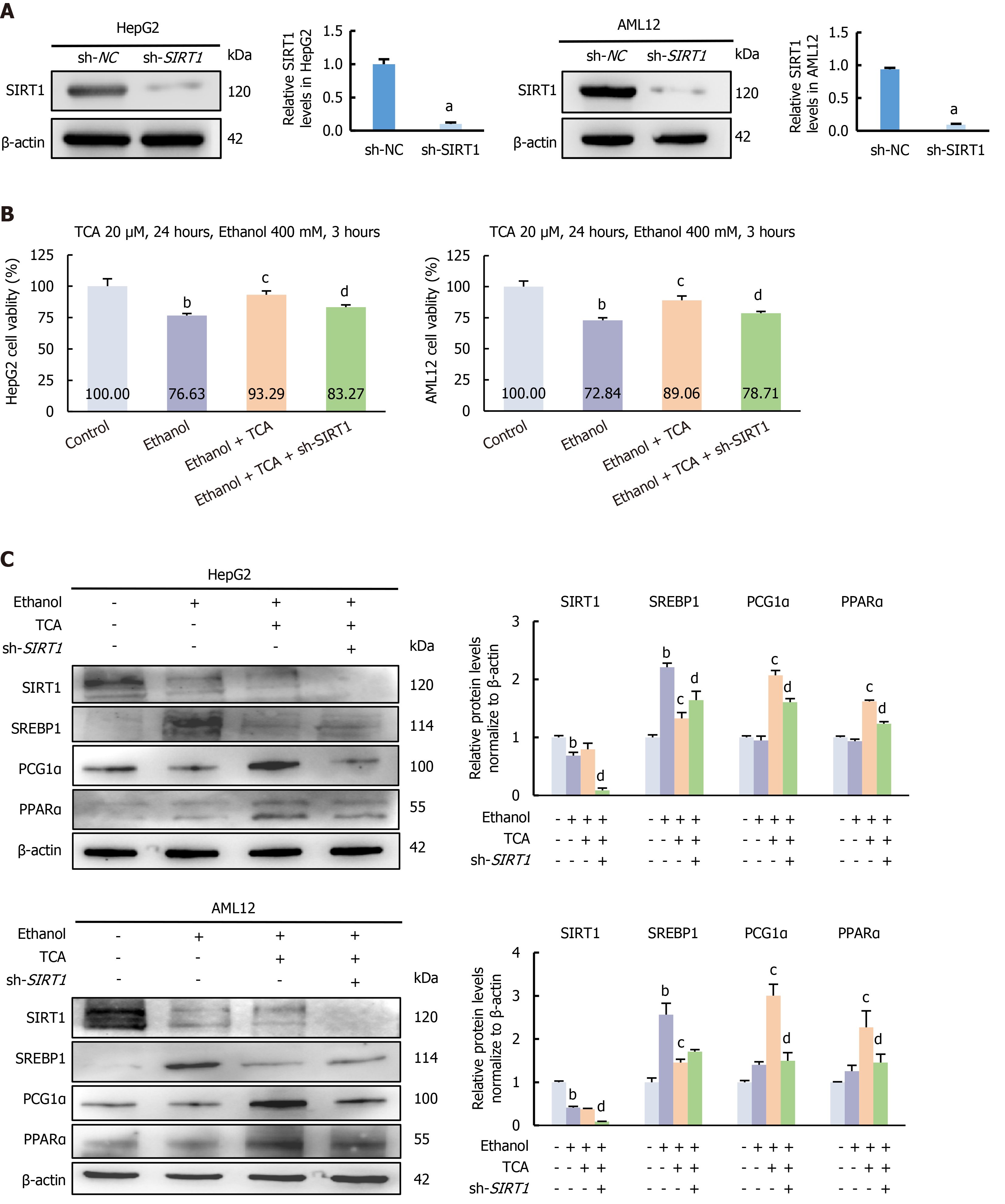
Figure 6 Sirtuin 1 depletion attenuated the hepatic protection effect of trans-cinnamaldehyde in vitro.
A: Protein levels of sirtuin 1 (SIRT1) in HepG2 and AML12 cells transfected with short hairpin RNA-negative control or SIRT1-targeting short hairpin RNA (sh-SIRT1) plasmids (n = 3/group); B: Cell viability of HepG2 and AML12 cells in each group detected by cell counting kit-8 assay; C: Protein levels of SIRT1, sterol regulatory element-binding protein 1, peroxisome proliferator-activated receptor γ coactivator 1α and peroxisome proliferator-activated receptor α in HepG2 and AML12 cells in each group (n = 3/group). aP < 0.05 compared with the short hairpin RNA-negative control group. bP < 0.05 vs the control group. cP < 0.05 the ethanol + trans-cinnamaldehyde group vs the ethanol group. dP < 0.05 the ethanol + trans-cinnamaldehyde + SIRT1-targeting short hairpin RNA group vs the ethanol + trans-cinnamaldehyde group. SIRT1: Sirtuin 1; sh-NC: Short hairpin RNA-negative control; sh-SIRT1: SIRT1-targeting short hairpin RNA; TCA: Trans-cinnamaldehyde; SREBP1: Sterol regulatory element-binding protein 1; PPAR: Peroxisome proliferator-activated receptor; PCG1α: Peroxisome proliferator-activated receptor γ coactivator 1α.
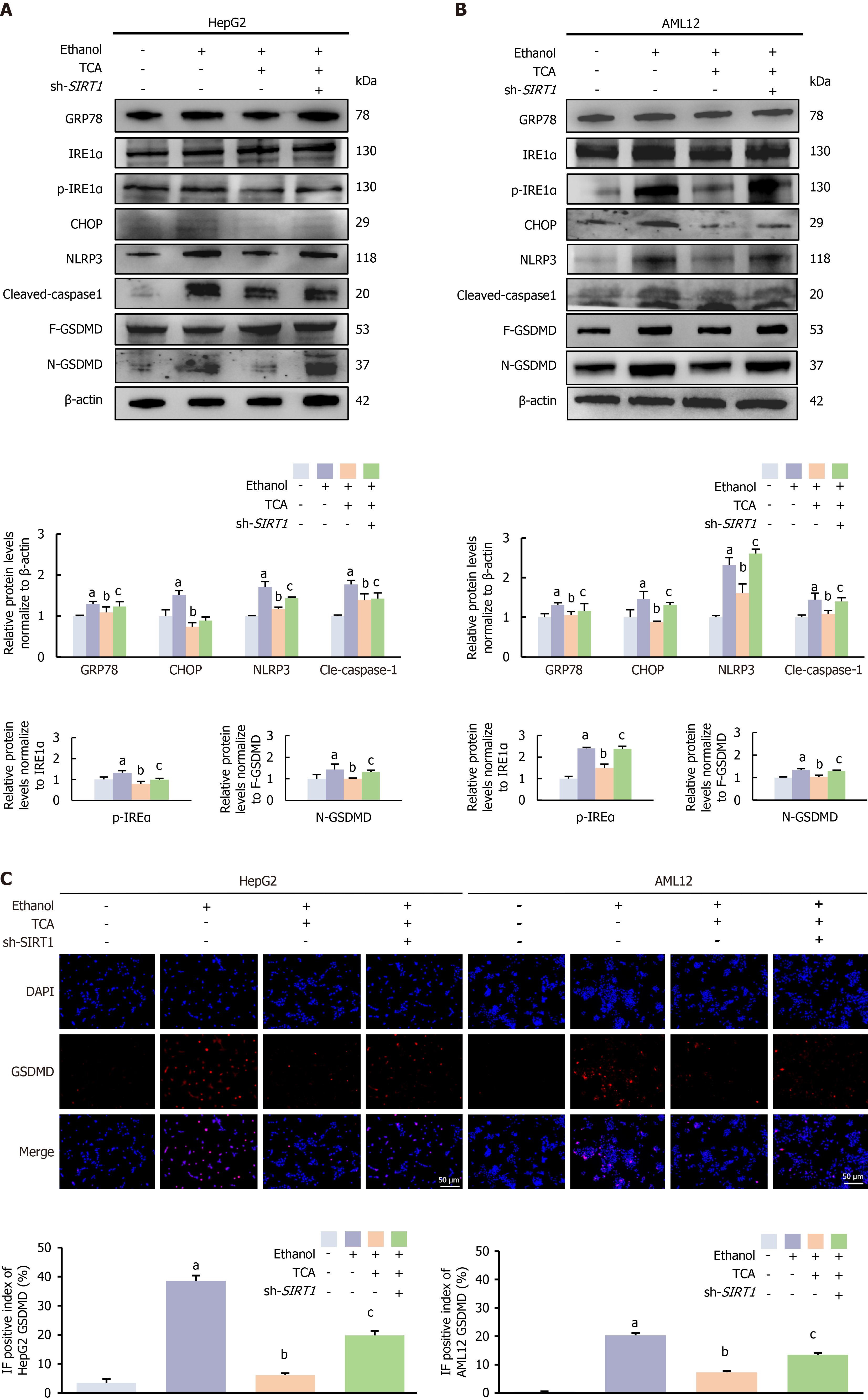
Figure 7 Trans-cinnamaldehyde alleviates ethanol-induced endoplasmic reticulum stress and pyroptosis via sirtuin 1.
A and B: Levels of endoplasmic reticulum stress-associated proteins (glucose-regulated protein 78, phosphorylated inositol-requiring enzyme 1α, C/EBP homologous protein) and pyroptosis-associated proteins (NOD-like receptor family pyrin domain containing 3, cleaved-caspase1, N-gasdermin D) in HepG2 and AML12 cells; C: Immunofluorescence staining of gasdermin D in HepG2 and AML12 cells from the indicated groups (scale bar: 50 μm); n = 3/group. aP < 0.05 vs the control group. bP < 0.05 the ethanol + trans-cinnamaldehyde group vs the ethanol group. cP < 0.05 the ethanol + trans-cinnamaldehyde + SIRT1-targeting short hairpin RNA group vs the ethanol + trans-cinnamaldehyde group. sh-SIRT1: SIRT1-targeting short hairpin RNA; TCA: Trans-cinnamaldehyde; GRP78: Glucose-regulated protein 78; IRE1α: Inositol-requiring enzyme 1α; p-IRE1α: Phosphorylated inositol-requiring enzyme 1α; CHOP: C/EBP homologous protein; NLRP3: NOD-like receptor family pyrin domain containing 3; DAPI: 4’,6-diamidino-2-phenylindole; GSDMD: Gasdermin D; Cle-caspase-1: Cleaved cysteinyl aspartate specific proteinase-1.
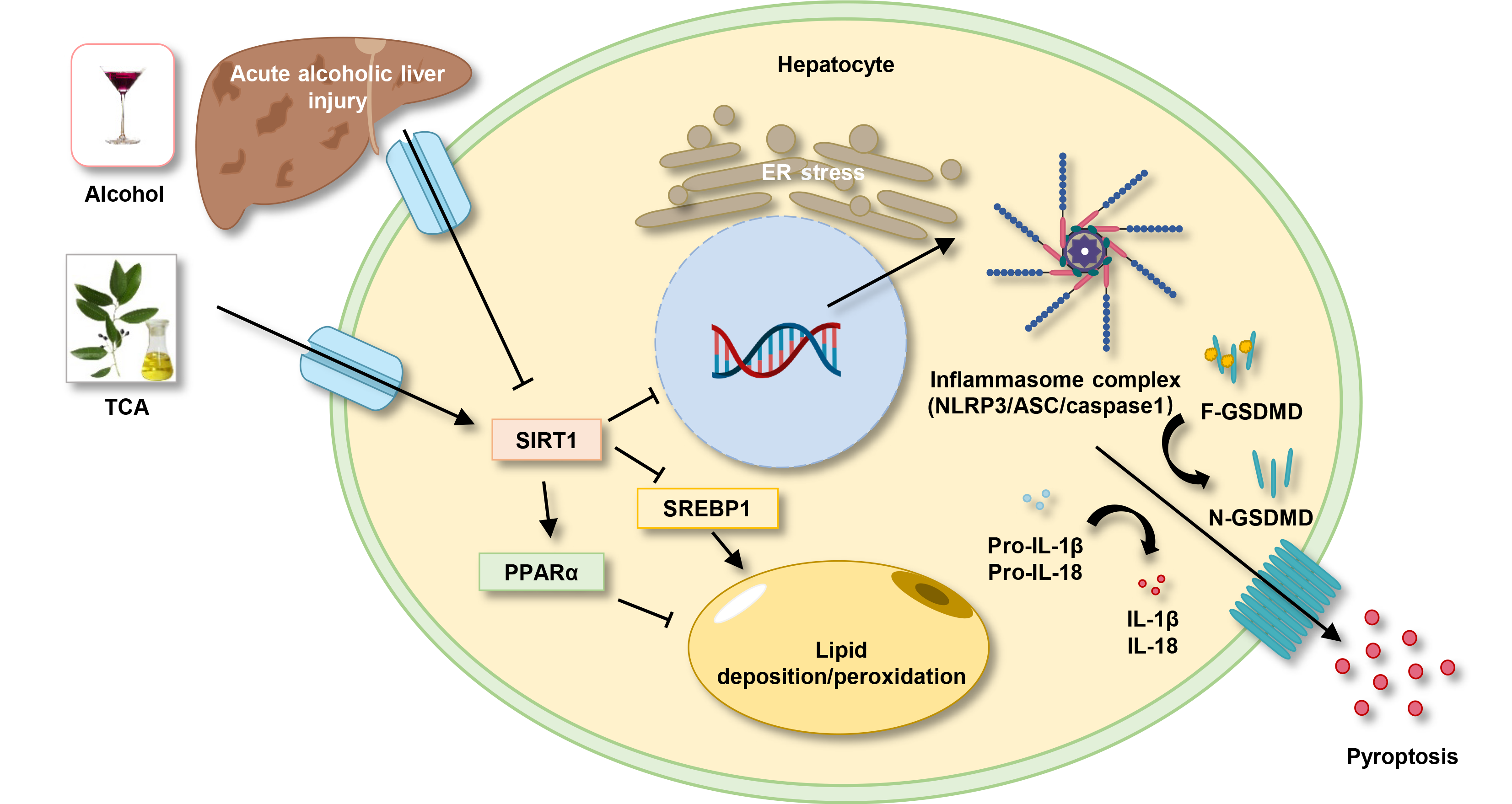
Figure 8 Mechanistic diagram of Trans-cinnamaldehyde protection against acute alcoholic liver injury.
Trans-cinnamaldehyde improves ethanol-induced lipid accumulation, endoplasmic reticulum stress and pyroptosis by activating sirtuin 1 (SIRT1). This downregulates sterol regulatory element-binding protein 1 to inhibit lipogenesis, while promoting peroxisome proliferator-activated receptor-α-mediated fatty acid oxidation. Simultaneously, SIRT1 alleviates endoplasmic reticulum stress to suppress NOD-like receptor family pyrin domain containing 3 inflammasome activation and prevents gasdermin D cleavage, thereby blocking pyroptosis. TCA: Trans-cinnamaldehyde; SIRT1: Sirtuin 1; SREBP1: Sterol regulatory element-binding protein 1; PPAR: Peroxisome proliferator-activated receptor; ER: Endoplasmic reticulum; GSDMD: Gasdermin D; IL: Interleukin; NLRP3: NOD-like receptor family pyrin domain containing 3.
- Citation: Tien S, Deng BY, Pan XM, Yu HS, Zhou HX, Guo YW, Wu B. Trans-cinnamaldehyde alleviates hepatic steatosis and pyroptosis via SIRT1 activation in acute alcoholic liver injury. World J Hepatol 2026; 18(11): 121224
- URL: https://www.wjgnet.com/1948-5182/full/v18/i11/121224.htm
- DOI: https://dx.doi.org/10.4254/wjh.121224