
















Copyright: ©Author(s) 2026.
World J Hepatol. Oct 27, 2026; 18(10): 124748
Published online Oct 27, 2026. doi: 10.4254/wjh.124748
Published online Oct 27, 2026. doi: 10.4254/wjh.124748
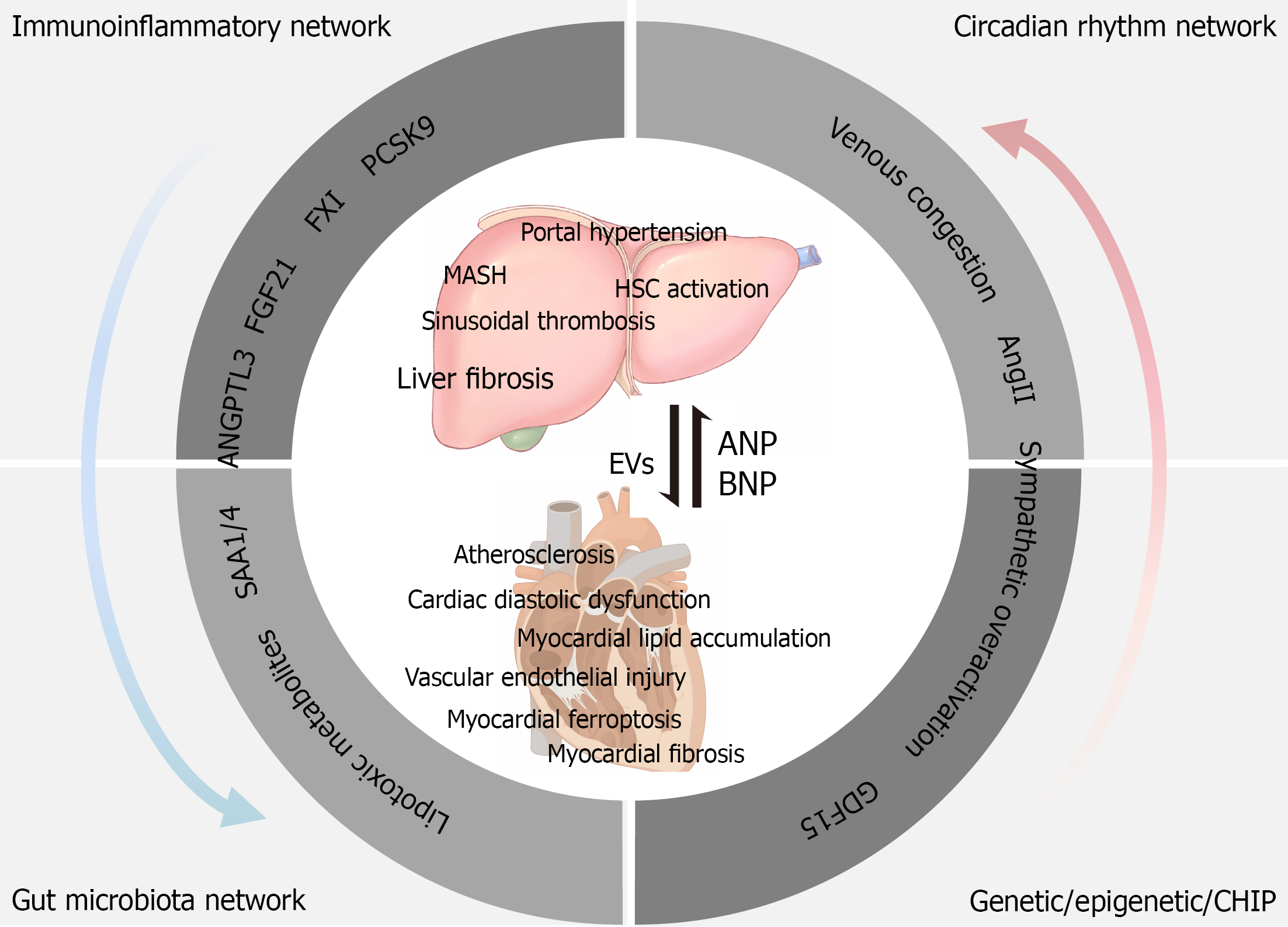
Figure 1 Schematic diagram of bidirectional crosstalk and systemic regulatory networks in the cardio-hepatic axis in metabolic dys
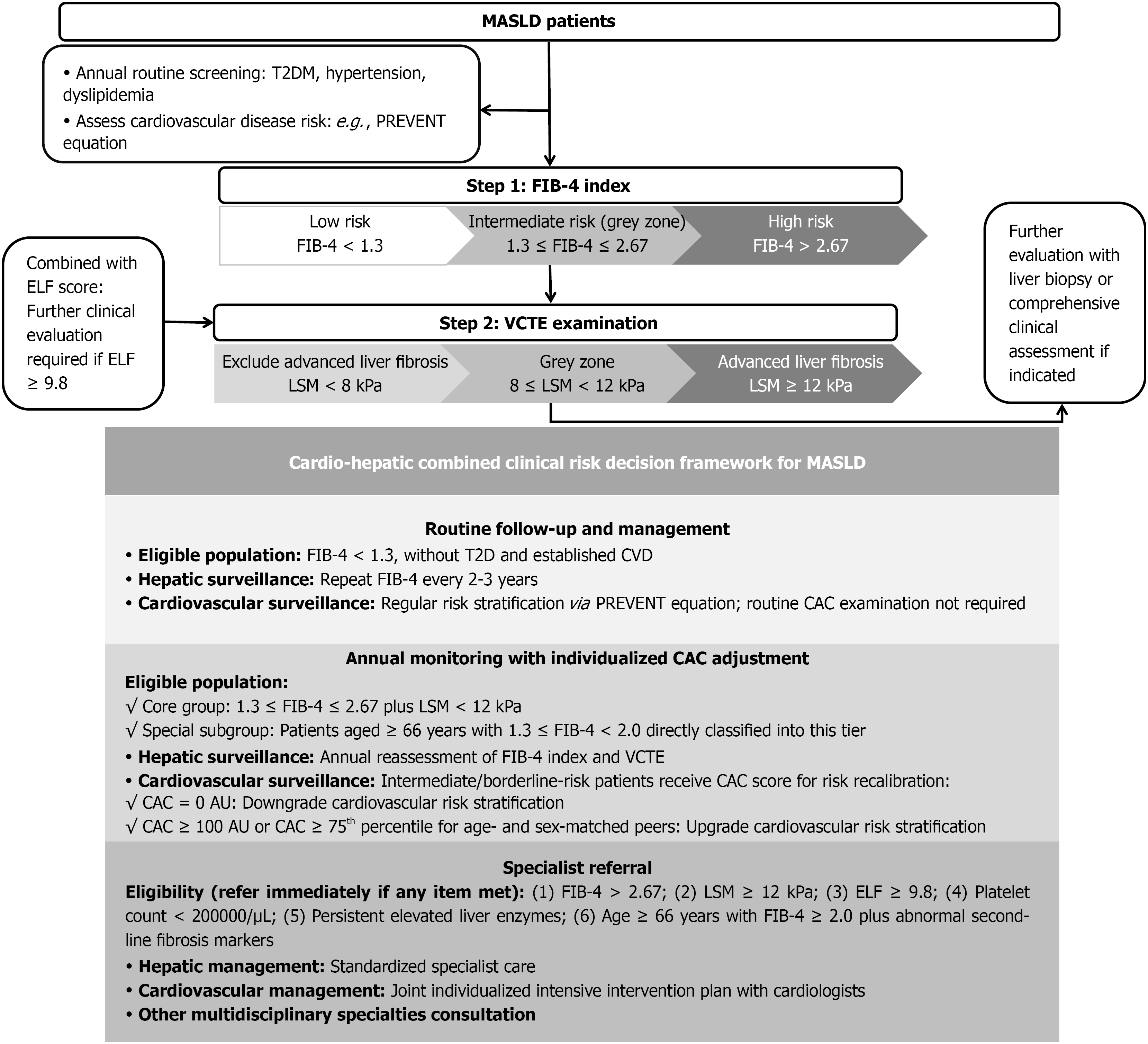
Figure 2 Integrated cardio-hepatic risk stratification workflow for metabolic dysfunction-associated steatotic liver disease.
All patients receive annual screening for type 2 diabetes mellitus, hypertension and dyslipidaemia plus baseline atherosclerotic cardiovascular disease risk assessment via the PREVENT equation. Step 1: Fibrosis-4 (FIB-4) index initial fibrosis screening (low: FIB-4 < 1.3; grey zone: 1.3 ≤ FIB-4 ≤ 2.67; high: FIB-4 > 2.67). Grey zone patients proceed to vibration-controlled transient elastography liver stiffness measurement (LSM) measurement (exclude advanced fibrosis: LSM < 8 kPa; grey zone: 8 kPa ≤ LSM < 12 kPa; advanced fibrosis: LSM ≥ 12 kPa); enhanced liver fibrosis score (cutoff ≥ 9.8) serves as a vibration-controlled transient elastography substitute. Three management tiers are defined: (1) Routine biennial follow-up for low-risk patients; (2) Annual monitoring with coronary artery calcium recalibration for intermediate-risk individuals; and (3) Urgent multidisciplinary specialist referral for high-risk patients. All patients with type 2 diabetes mellitus or established cardiovascular disease require yearly fibrosis reassessment. XL probe is suggested for obese patients to measure controlled attenuation parameter steatosis grade simultaneously. MASLD: Metabolic dysfunction-associated steatotic liver disease; T2DM: Type 2 diabetes mellitus; FIB-4: Fibrosis-4; ELF: Enhanced liver fibrosis; LSM: Liver stiffness measurement; CVD: Cardiovascular disease; CAC: Coronary artery calcium; VCTE: Vibration-controlled transient elastography.
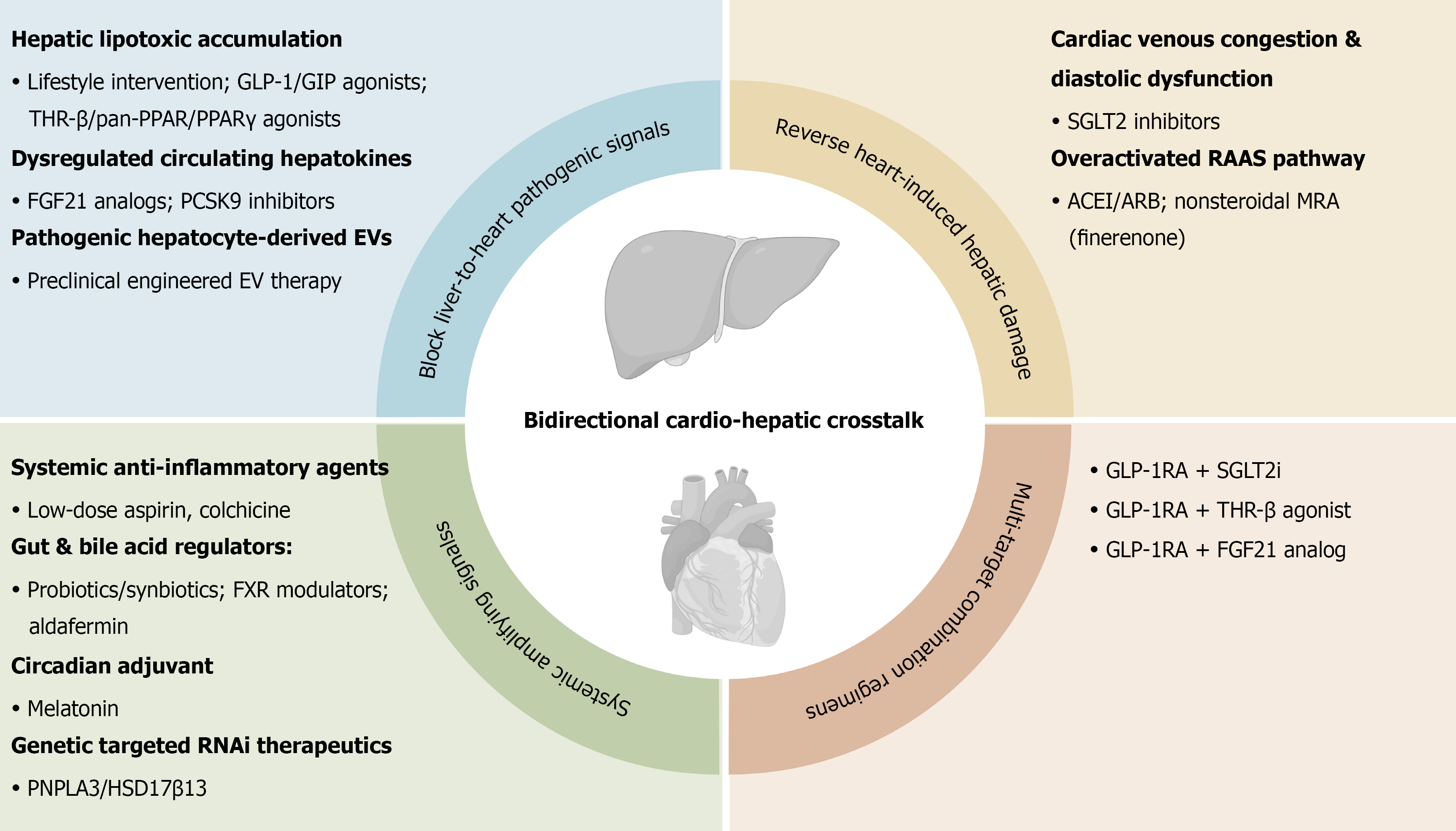
Figure 3 Mechanism-targeted therapeutic strategies for cardio-hepatic crosstalk in metabolic dysfunction-associated steatotic liver disease.
Central panel: Bidirectional cardio-hepatic pathogenic signalling loops. Four therapeutic modules encircle the core: (1) Upper left: Agents blocking liver-derived pathogenic mediators; (2) Upper right: Therapies reversing heart-induced hepatic injury; (3) Lower left: Interventions suppressing systemic amplification pathways; (4) Lower right: Synergistic combination regimens. Key therapeutic agents are listed within each corresponding module. Full molecular mediators are detailed in Table 1; evidence grading of each intervention is summarised in Table 2. GLP-1: Glucagon-like peptide-1; GIP: Glucose-dependent insulinotropic polypeptide; THR-β: Thyroid hormone receptor-β; pan-PPAR: Pan-peroxisome proliferator-activated receptor; PPARγ: Peroxisome proliferator-activated receptor-γ; FGF21: Fibroblast growth factor 21; PCSK9: Proprotein convertase subtilisin/kexin type 9; EVs: Extracellular vesicles; SGLT2: Sodium-glucose cotransporter 2; RAAS: Renin-angiotensin-aldosterone system; ACEI: Angiotensin-converting enzyme inhibitor; ARB: Angiotensin II receptor blocker; MRA: Mineralocorticoid receptor antagonist; GLP-1RA: Glucagon-like peptide-1 receptor agonist; SGLT2i: Sodium-glucose cotransporter 2 inhibitor; FXR: Farnesoid X receptor; RNAi: RNA interference; PNPLA3: Patatin-like phospholipase domain-containing protein 3; HSD17β13: Hydroxysteroid 17-beta dehydrogenase 13.
- Citation: Zhao R, Zheng JL, Wang Y, Lu BJ, Zhang Y, Deng BC. Cardio-hepatic axis in metabolic dysfunction-associated steatotic liver disease: Mechanisms, clinical implications and therapeutic opportunities. World J Hepatol 2026; 18(10): 124748
- URL: https://www.wjgnet.com/1948-5182/full/v18/i10/124748.htm
- DOI: https://dx.doi.org/10.4254/wjh.124748