
















Copyright: ©Author(s) 2026.
World J Hepatol. Oct 27, 2026; 18(10): 124519
Published online Oct 27, 2026. doi: 10.4254/wjh.124519
Published online Oct 27, 2026. doi: 10.4254/wjh.124519
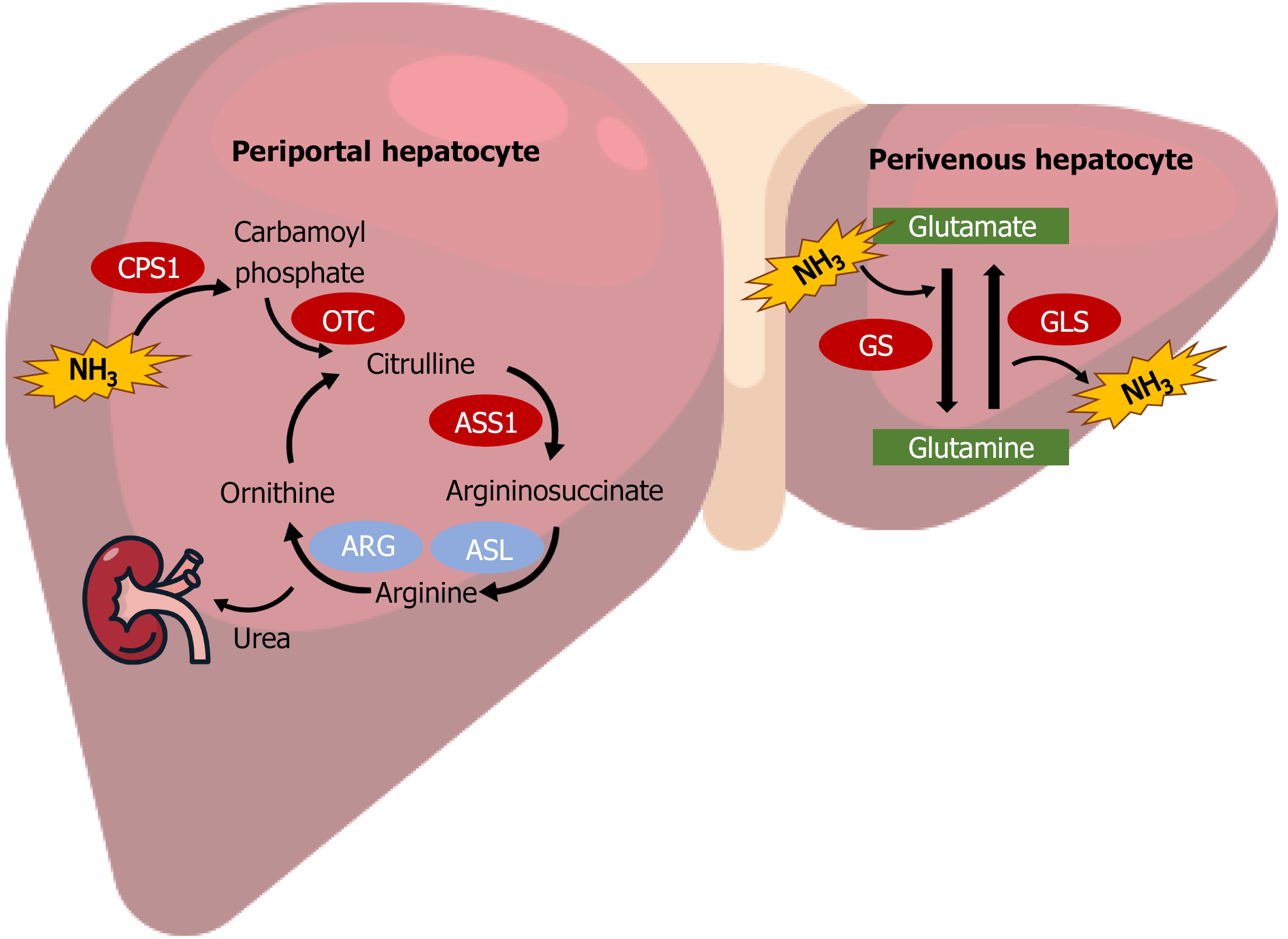
Figure 1 Ammonia metabolism in the liver.
Detoxification of ammonia in the liver occurs via two spatially separated pathways: The highly efficient urea cycle, or ureagenesis, in periportal hepatocytes converts ammonia to urea, whereas residual ammonia is utilized by glutamine synthetase in perivenous hepatocytes by binding ammonia with glutamate to form glutamine. OTC: Ornithine transcarbamylase; CPS1: Carbamoyl phosphate synthetase 1; ASS1: Argininosuccinate synthetase 1; ASL: Argininosuccinate lyase; ARG: Arginase; GS: Glutamine synthetase; GLS: Glutaminase.
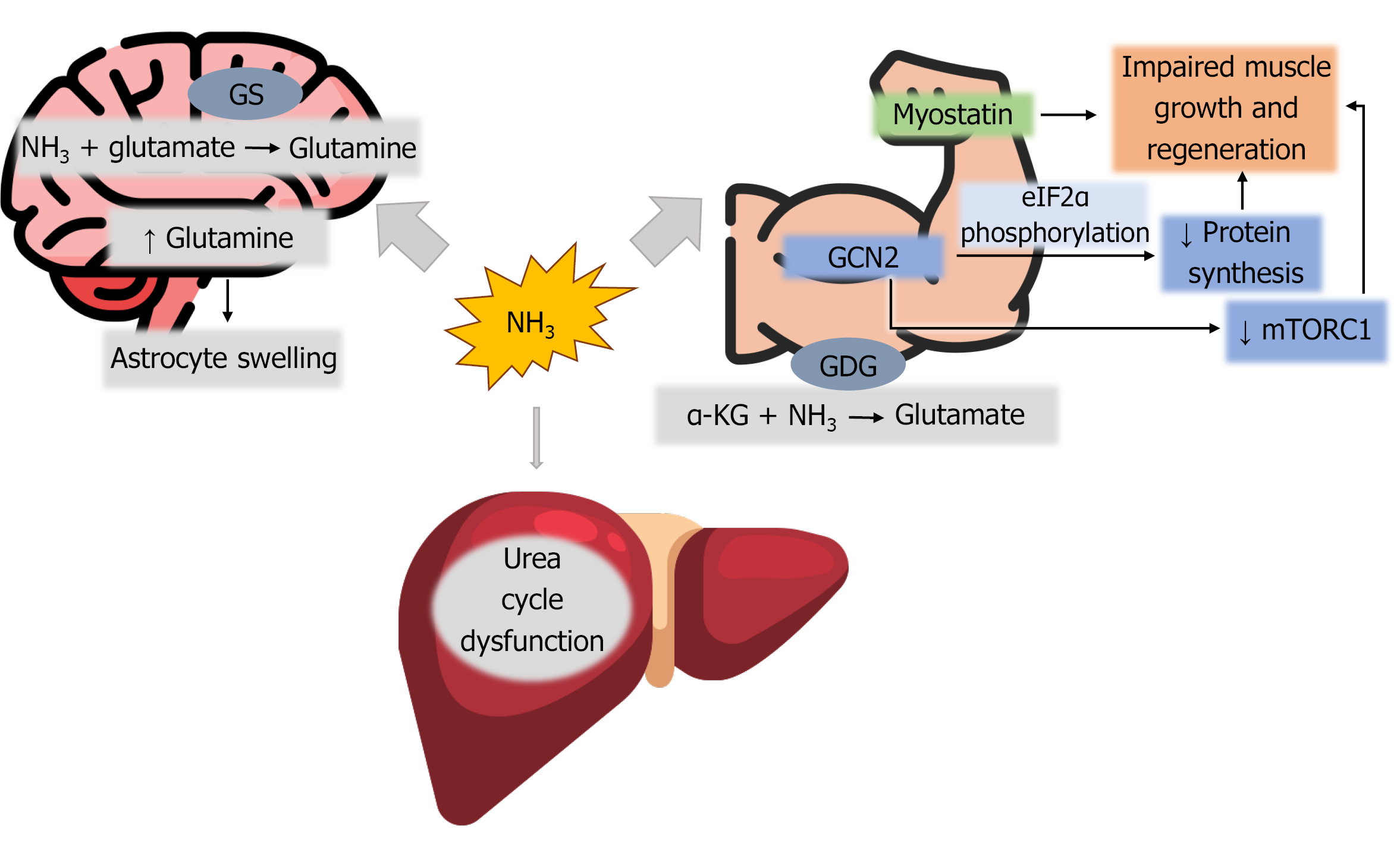
Figure 2 The role of ammonia in the development of central and peripheral fatigue.
When the detoxifying function of the liver is impaired, ammonia is utilized primarily in skeletal muscle and brain astrocytes. Glutamine synthetase converts glutamate into glutamine in the brain. Excessive intracellular accumulation of the latter can lead to osmotic cerebral edema and astrocyte swelling. In muscles, chronic hyperammonemia activates myostatin (which suppresses muscle growth) and general control nonderepressible 2 kinase. Through phosphorylation of alpha subunit of eukaryotic translation initiation factor 2, the latter inhibits protein synthesis and the mammalian target of rapamycin complex 1 pathway, which is necessary for muscle growth and repair. GS: Glutamine synthetase; α-KG: Alpha-ketoglutarate; eIF2α: Eukaryotic translation initiation factor 2α; GCN2: General control nonderepressible 2; GDG: Glutamate dehydrogenase; mTORC1: Mechanistic target of rapamycin complex 1.
- Citation: Sheptulina AF, Golubeva JA, Valeeva DL, Kiselev AR, Drapkina OM. Hyperammonemia as a potential contributor to fatigue in metabolic dysfunction-associated steatotic liver disease: A mechanistic review. World J Hepatol 2026; 18(10): 124519
- URL: https://www.wjgnet.com/1948-5182/full/v18/i10/124519.htm
- DOI: https://dx.doi.org/10.4254/wjh.124519