
















©The Author(s) 2026.
World J Hepatol. Jan 27, 2026; 18(1): 113485
Published online Jan 27, 2026. doi: 10.4254/wjh.v18.i1.113485
Published online Jan 27, 2026. doi: 10.4254/wjh.v18.i1.113485

Figure 1 Schematic representation of ABCB4 variants, exons and domains in the present cohort.
NBD: Nucleotide binding domain; TMD: Transmembrane domain.
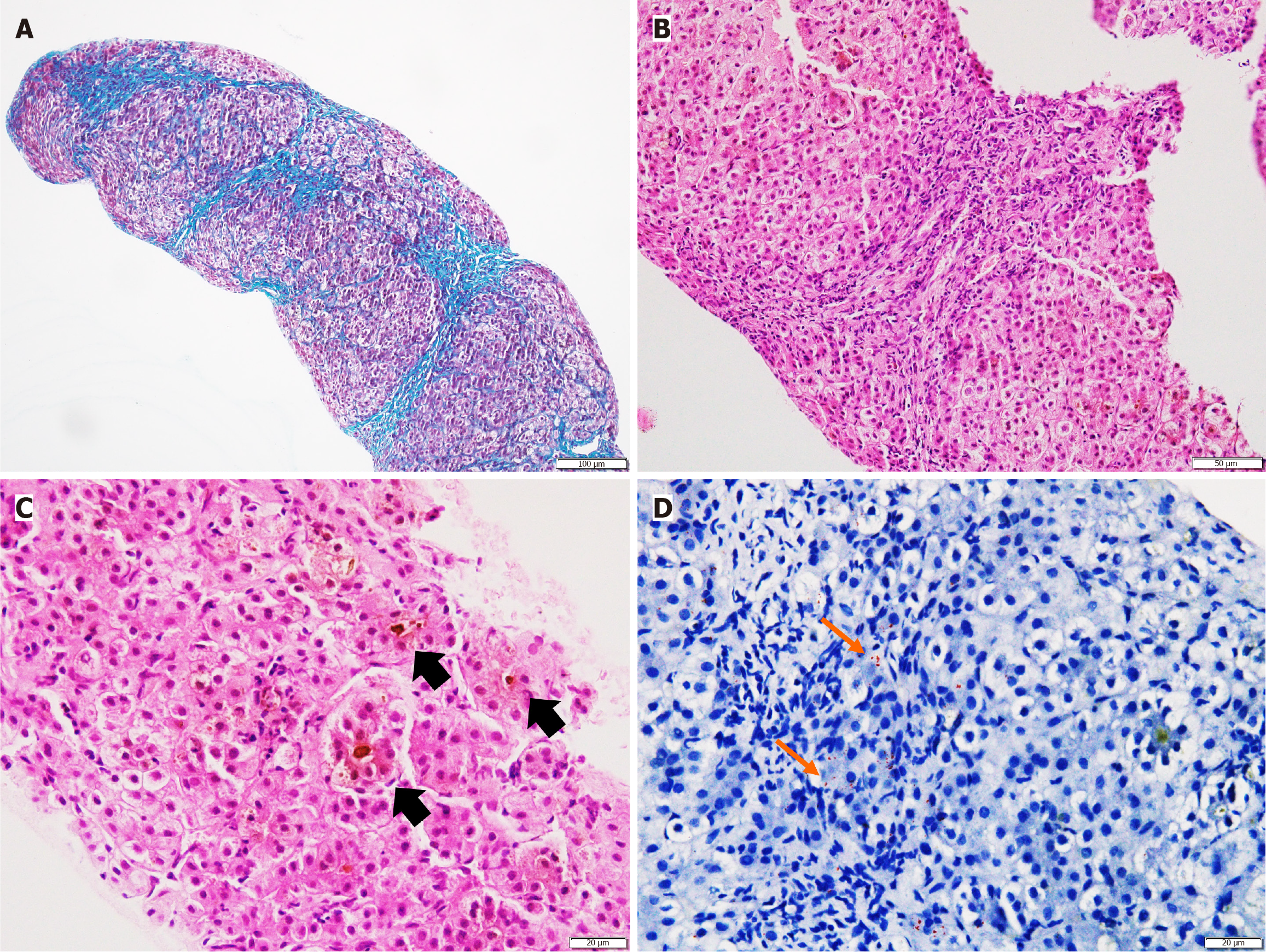
Figure 2 Histopathology of a case of Progressive familial intrahepatic cholestasis type 3.
A: The lobular architecture was distorted with porto-portal and occasional slender porto-central bridging fibrosis with the formation of incomplete nodules (masson trichrome, 100 ×); B: The fibrous septa showed variable lymphocytic sprinkling and moderate ductular reaction (hematoxylin and eosin, 200 ×); C: The hepatic lobules showed hepatocanalicular cholestasis and cholestatic rosettes (thick black arrows) (hematoxylin and eosin, 400 ×); D: Periportal/periseptal hepatocytes showed copper retention visualized as tiny red specks (thin orange arrows) (Rhodanine, 400 ×).
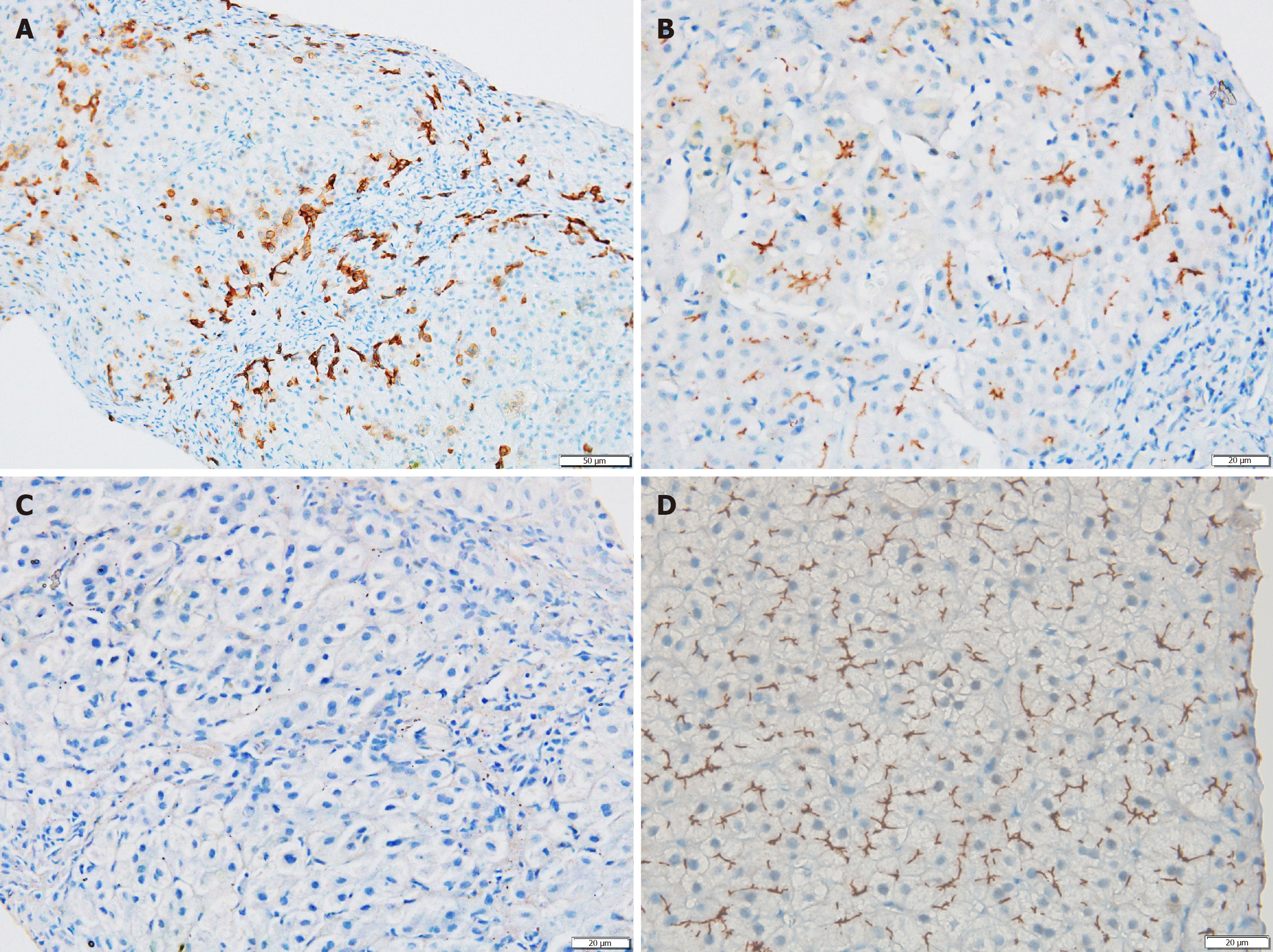
Figure 3 Immunohistochemical panel of a case of progressive familial intrahepatic cholestasis type 3.
A: CK7 immunostain showed ductular reaction and periseptal to panacinar biliary metaplasia (200 ×); B: Bile salt export pump immunostain showed retained canalicular expression (400 ×); C: Multidrug resistance protein 3 immunostain which showed complete loss of canalicular stain (400 ×); D: A case of primary sclerosing cholangitis (control case) showing retained multidrug resistance protein 3 immunostaining (400 ×).
- Citation: Thunga C, Mitra S, Babbar A, Lal R, Pal A, Kakkar N, Lal SB. Clinical spectrum and genotype-phenotype correlation of ABCB4 mutations in children: Insights from a North Indian cohort. World J Hepatol 2026; 18(1): 113485
- URL: https://www.wjgnet.com/1948-5182/full/v18/i1/113485.htm
- DOI: https://dx.doi.org/10.4254/wjh.v18.i1.113485