
















©The Author(s) 2026.
World J Hepatol. Jan 27, 2026; 18(1): 111902
Published online Jan 27, 2026. doi: 10.4254/wjh.v18.i1.111902
Published online Jan 27, 2026. doi: 10.4254/wjh.v18.i1.111902
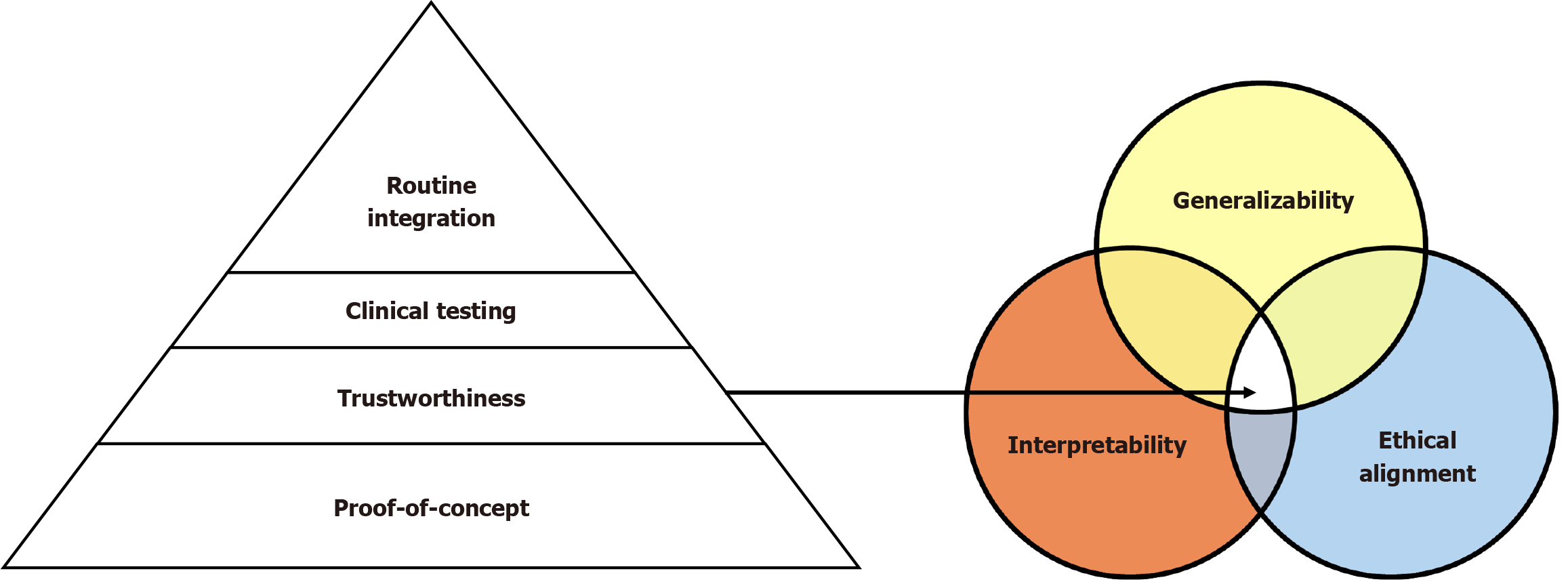
Figure 1 Generic hype cycle applied to artificial intelligence methodologies.
Artificial intelligence innovations typically follow a trajectory from the innovation trigger and peak of inflated expectations, through the trough of disillusionment, slope of enlightenment, and eventually reach the plateau of productivity. Each methodology (e.g., supervised learning, unsupervised learning, reinforcement learning, foundation models) traverses this pathway at its own pace, influenced by data availability, regulatory maturity, interpretability, and clinical need.
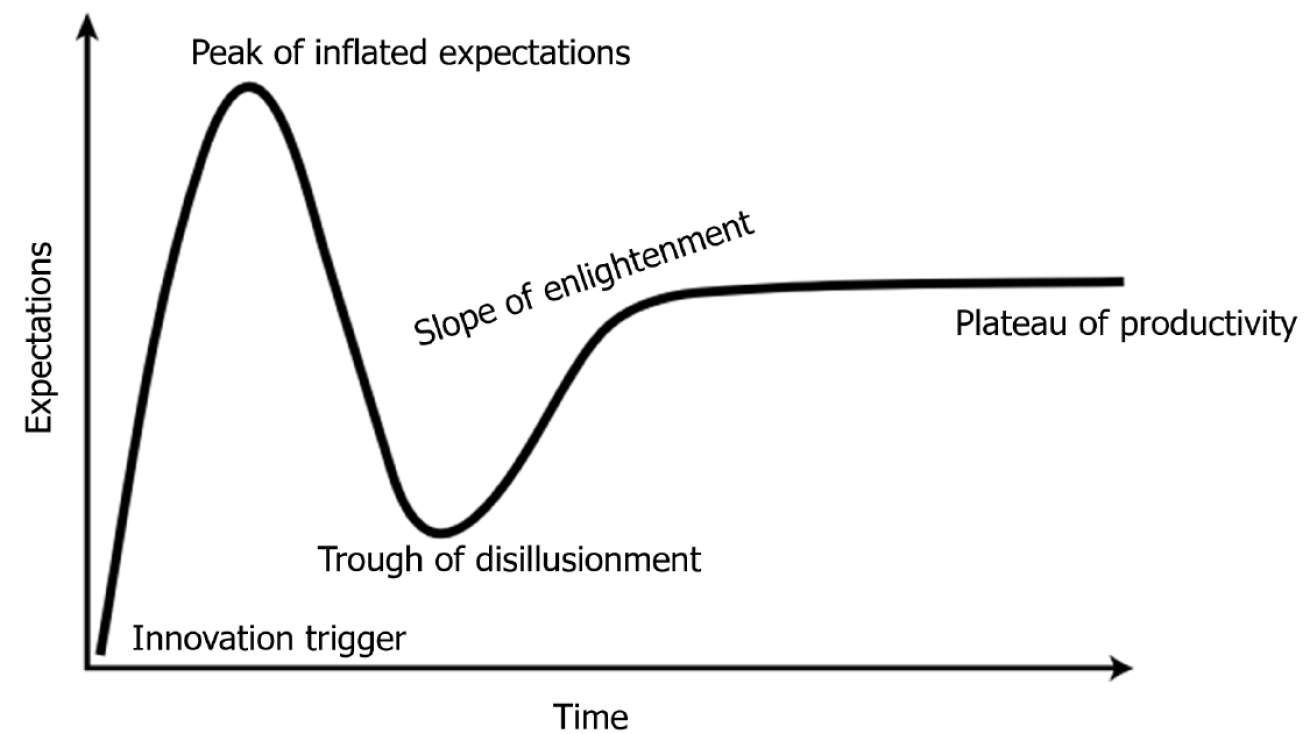
Figure 2 Artificial intelligence readiness pyramid and trustworthiness Venn diagram.
The artificial intelligence (AI) readiness pyramid can be conceptualized in four ascending tiers. At the base lies the proof-of-concept phase, where algorithms are developed and validated in silico or on retrospective datasets. The “Trustworthiness” tier highlights the essential requirement for generalizability, interpretability, and ethical alignment - illustrated through the adjacent Venn diagram. The overlap of these three elements defines an AI system’s trustworthiness, which is a prerequisite for safe and responsible clinical deployment. The clinical testing level represents, encompassing prospective studies and real-world validation. The top tier signifies Routine Integration, where AI systems are seamlessly embedded into clinical workflows and used in daily practice.
- Citation: Boutos P, Karakasi KE, Katsanos G, Antoniadis N, Kofinas A, Tsoulfas G. Harnessing artificial intelligence in gastroenterology and hepatology: Current applications and future perspectives. World J Hepatol 2026; 18(1): 111902
- URL: https://www.wjgnet.com/1948-5182/full/v18/i1/111902.htm
- DOI: https://dx.doi.org/10.4254/wjh.v18.i1.111902