
















©The Author(s) 2025.
World J Hepatol. Nov 27, 2025; 17(11): 112315
Published online Nov 27, 2025. doi: 10.4254/wjh.v17.i11.112315
Published online Nov 27, 2025. doi: 10.4254/wjh.v17.i11.112315
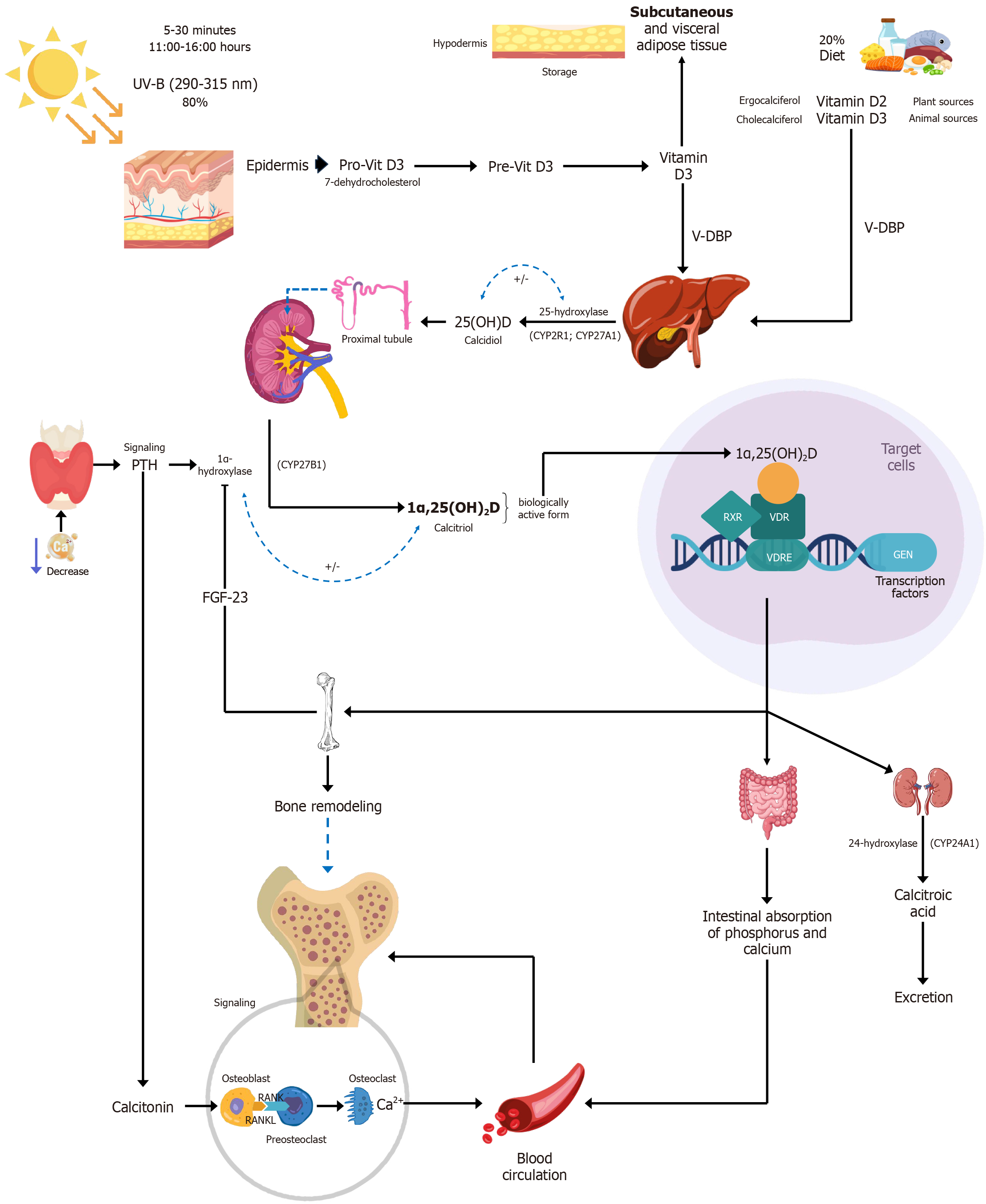
Figure 1 An integrated view of vitamin D metabolism.
UVB: Ultraviolet B; VDBP: Vitamin D-binding protein; VDR: Vitamin D receptor; RXR: Retinoid X receptor; VDRE: Vitamin D response element; PTH: Parathyroid hormone. Created in Canva (Supplementary material).
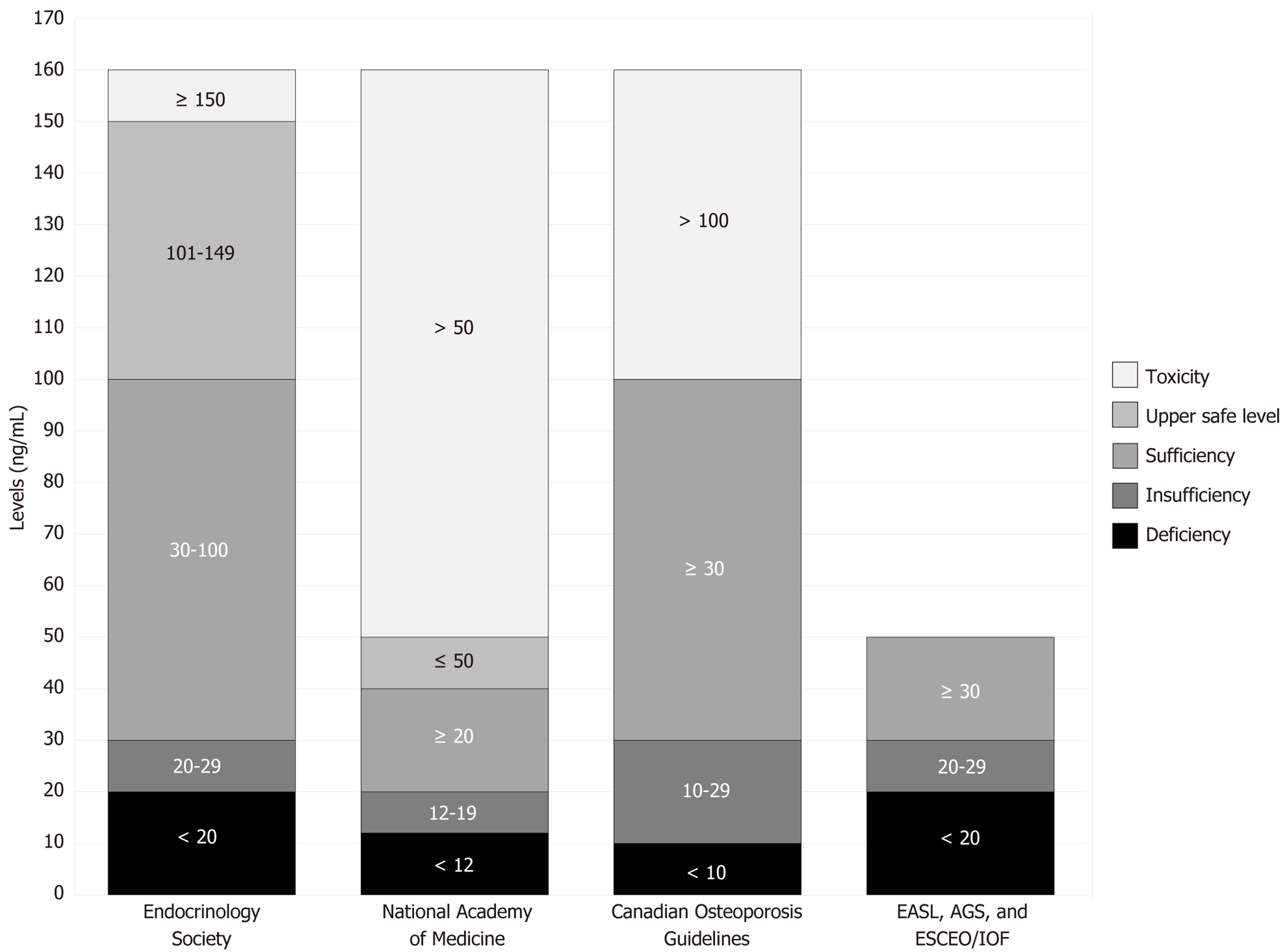
Figure 2 Calcidiol serum levels proposed by major professional organizations, illustrating the ranges designated as deficiency, insufficiency, sufficiency, upper safe level, and toxicity.
EASL: European Association for the Study of the Liver; AGS: American Geriatrics Society; ESCEO: European Society for Clinical and Economic Aspects of Osteoporosis and Osteoarthritis; IOF: International Osteoporosis Foundation.
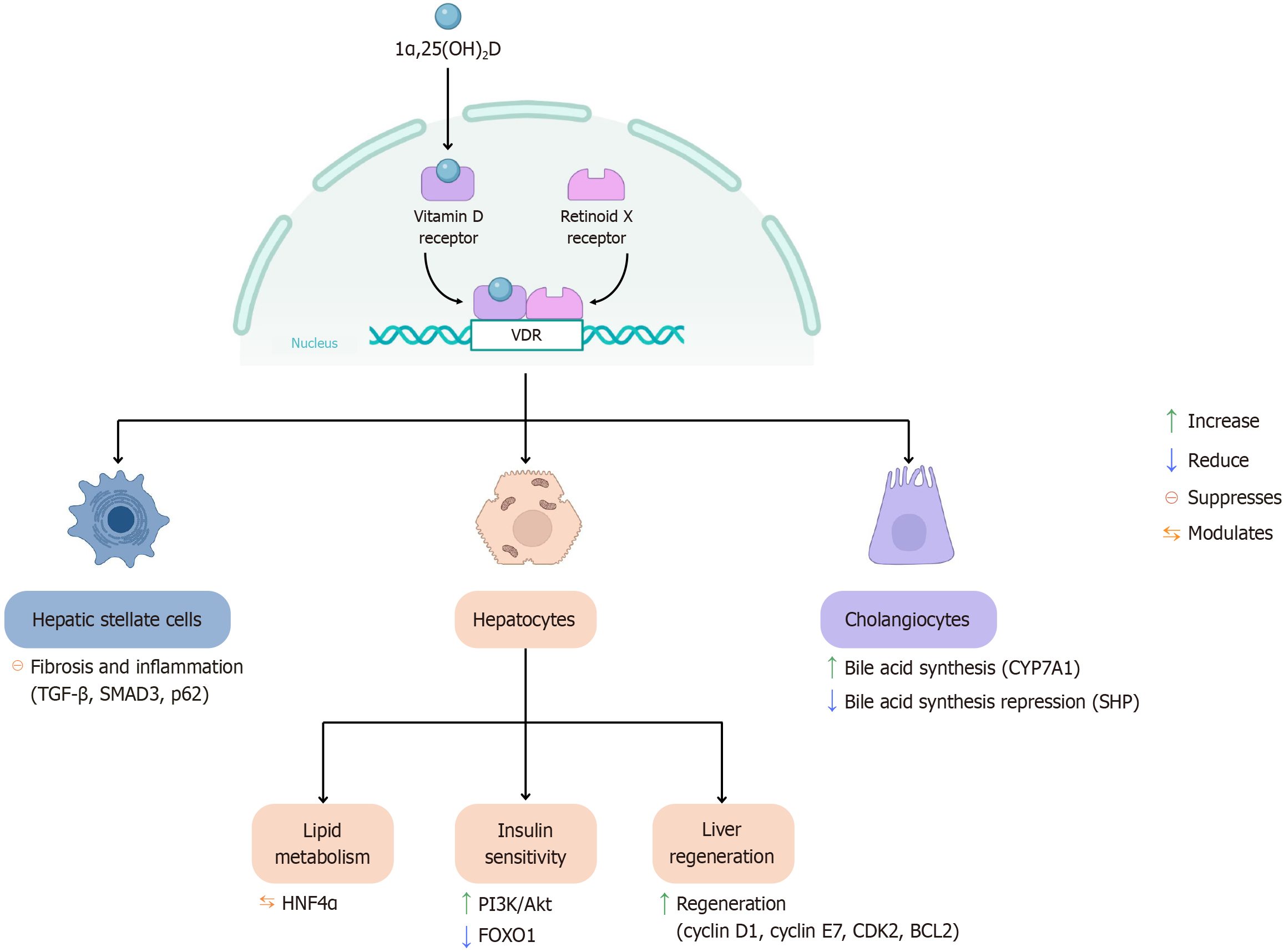
Figure 3 Vitamin D receptor signals in liver cell populations.
VDR: Vitamin D receptor. Created in BioRender (Supplementary material).
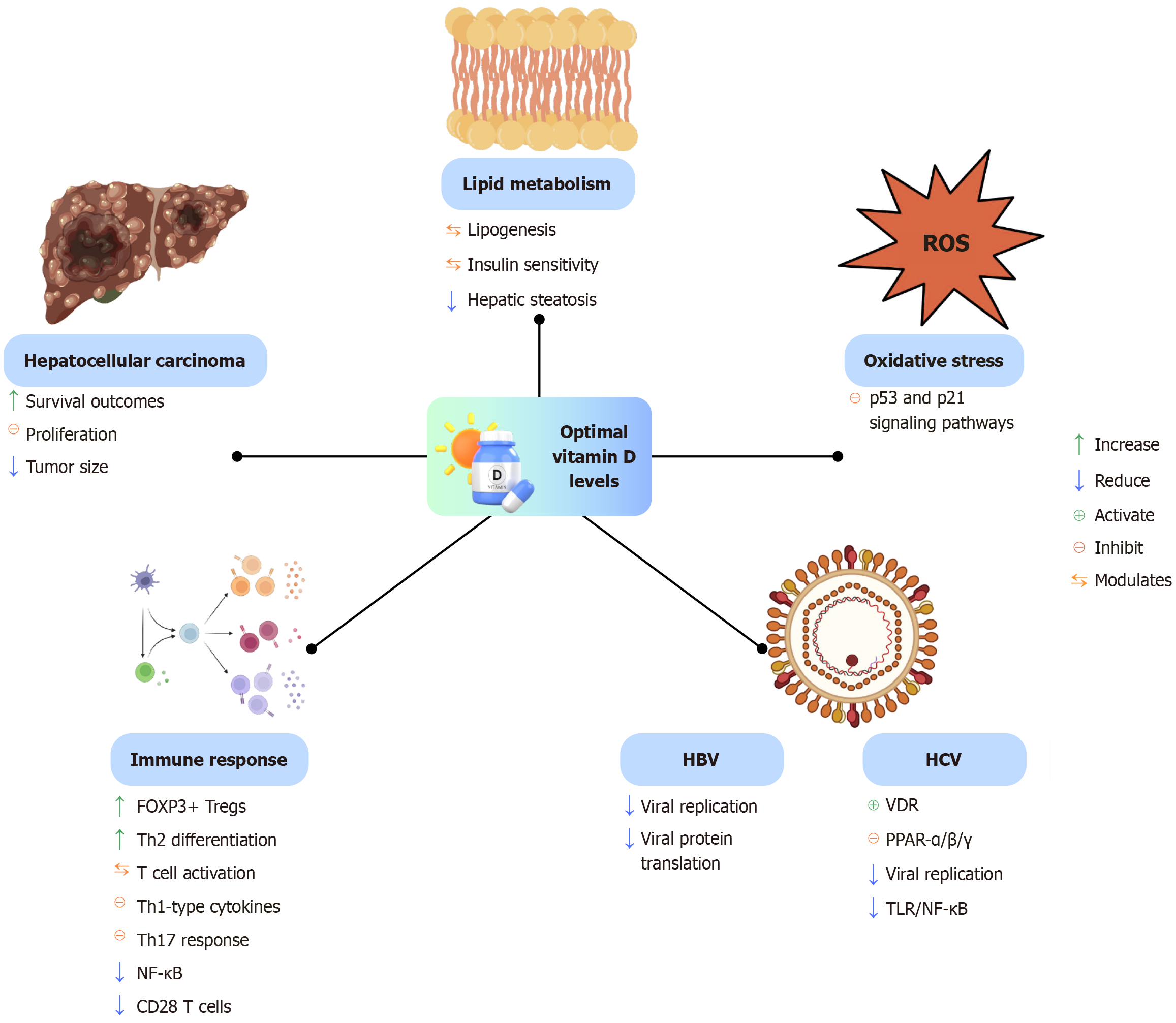
Figure 4 Systemic effects of optimal vitamin D levels on hepatic metabolism, oxidative stress, immunity, oncogenesis, and viral hepatitis.
ROS: Reactive oxygen species; HBV: Hepatitis B virus; HCV: Hepatitis C virus; VDR: Vitamin D receptor. Created in BioRender (Supplementary material).
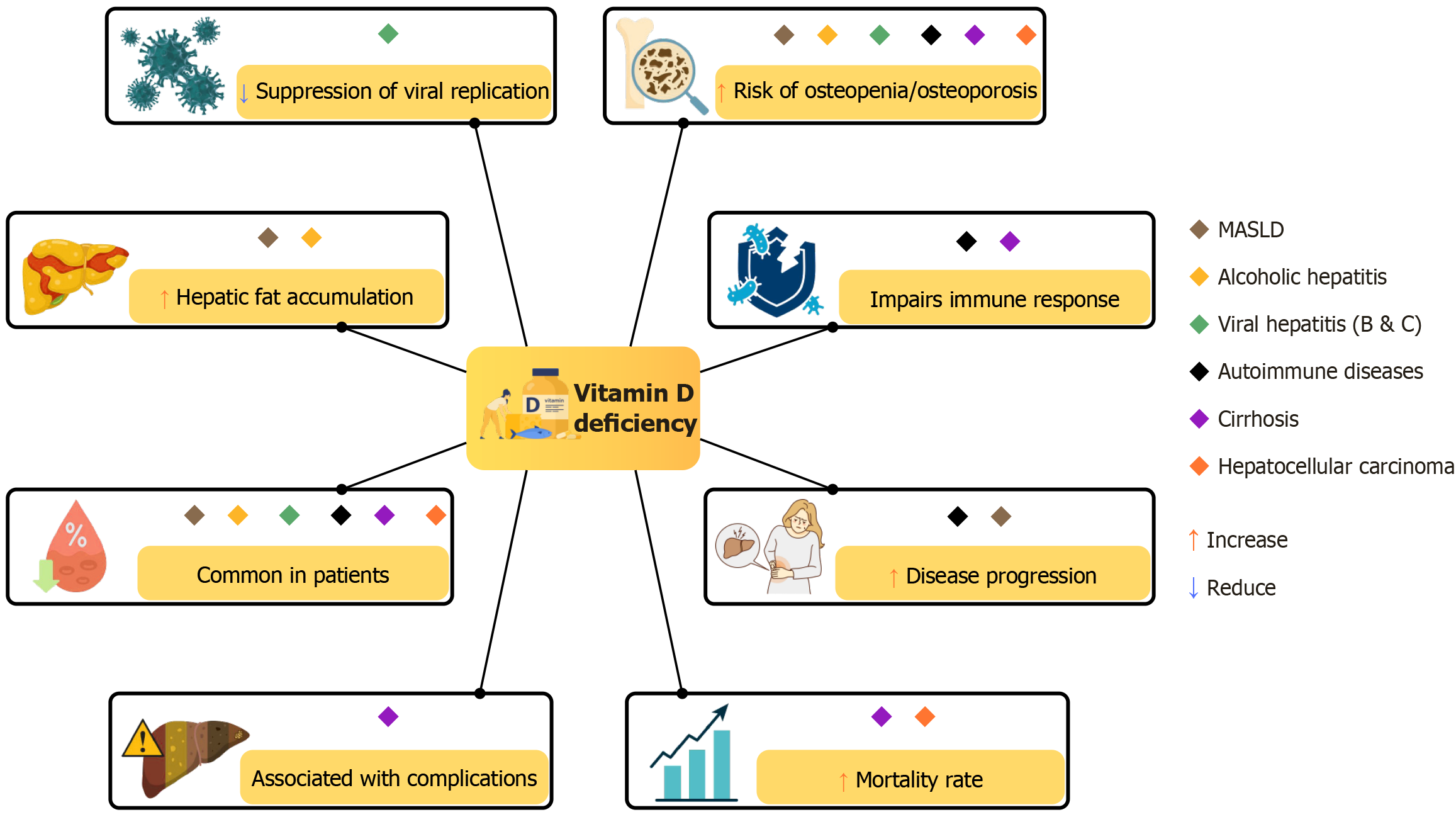
Figure 5 Clinical landscape of vitamin D deficiency in liver disease.
MASLD: Metabolic-associated steatotic liver disease. Created in Canva (Supplementary material).
- Citation: Guerrero-Guerrero R, Mendez-Guerrero O, Carranza-Carrasco A, Tejeda F, Ardon-Lopez A, Navarro-Alvarez N. Beyond bones: Revisiting the role of vitamin D in chronic liver disease. World J Hepatol 2025; 17(11): 112315
- URL: https://www.wjgnet.com/1948-5182/full/v17/i11/112315.htm
- DOI: https://dx.doi.org/10.4254/wjh.v17.i11.112315