
















©The Author(s) 1998.
World J Gastroenterol. Oct 15, 1998; 4(Suppl2): 41-44
Published online Oct 15, 1998. doi: 10.3748/wjg.v4.iSuppl2.41
Published online Oct 15, 1998. doi: 10.3748/wjg.v4.iSuppl2.41
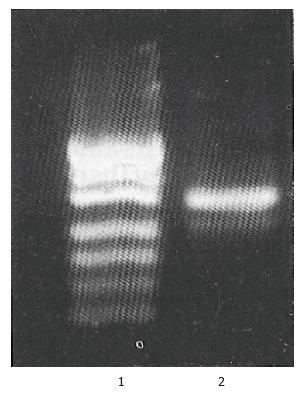
Figure 1 mRNA expression of MGC-803 cells analyzed by RT-PCR.
Lane 1: pUC19/ MspI Molecular Markers. Lane 2: products of RT-PCR using primer of bcl-2 and internal control GAPDH
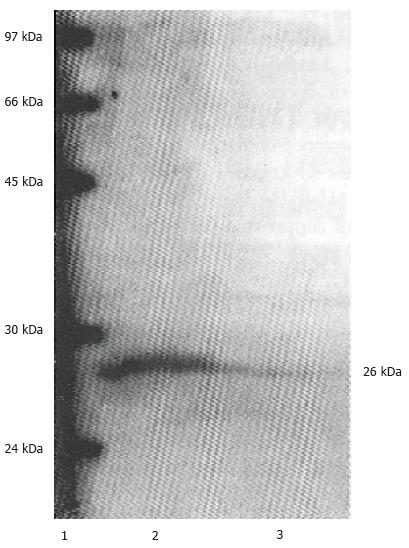
Figure 2 Western blotting of BCL-2 protein.
Lane 1: Standard pr otein molelular marker. Lane 2: MGC-803 cells transduced with control virus (pLXSN vector). Lane 3: MGC-803 cells transduced with retrovirus expressing bcl-2 ant isense RNA.
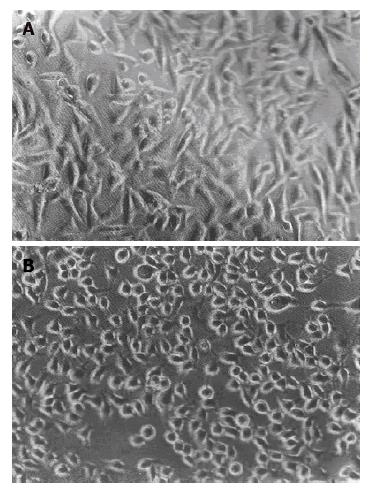
Figure 3 Morphological alteration of MGC-803 cells.
(A) MGC-803 cells transduced with retrovirus expressing bcl-2 antisense R NA. (B) MGC-803 cells transduced with control pLXSN virus.
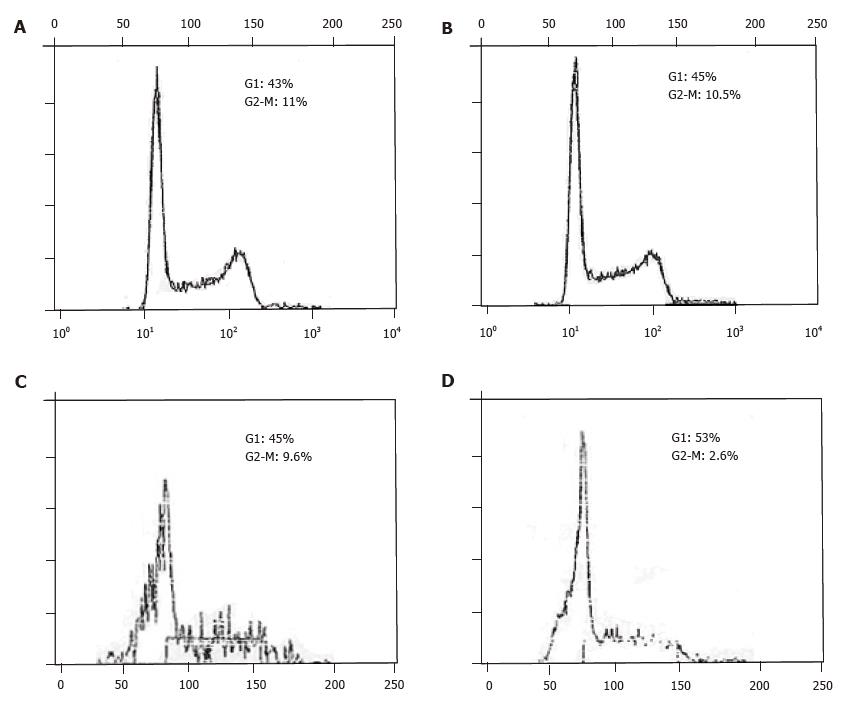
Figure 4 Cell cycle analyzed by fluid cytometry.
A: MGC-neo cells in 60% confluence; B: MGC-anti-bcl-2 cells in 60% confluence; C: MGC-neo cells recultured for 24 h after rearching 100% confluence; D: MGC-anti-bcl-2 cells recultured for 24 h after rearching 100% confluence.
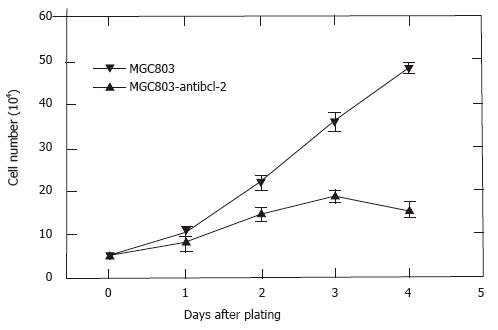
Figure 5 Growth curve of MGC-anti-bcl-2 and MG C-neo cells.
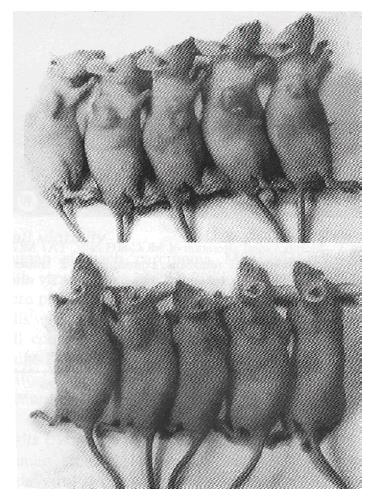
Figure 6 Tumorigenicity in nude mice.
The left side is tumor formed by injection of MGC-anti-bcl-2 cells, and the right side is MGC-neo cells.
- Citation: Cao GD, Wang SW, Wu SS, Li HF, Zhang WG. Retrovirus-ediated antisense RNA to bcl-2 alter the biological behavior of stomach carcinoma MGC-03 cell lines. World J Gastroenterol 1998; 4(Suppl2): 41-44
- URL: https://www.wjgnet.com/1007-9327/full/v4/iSuppl2/41.htm
- DOI: https://dx.doi.org/10.3748/wjg.v4.iSuppl2.41