
















Copyright: ©Author(s) 2027.
World J Gastroenterol. Jan 7, 2027; 33(1): 123087
Published online Jan 7, 2027. doi: 10.3748/wjg.123087
Published online Jan 7, 2027. doi: 10.3748/wjg.123087
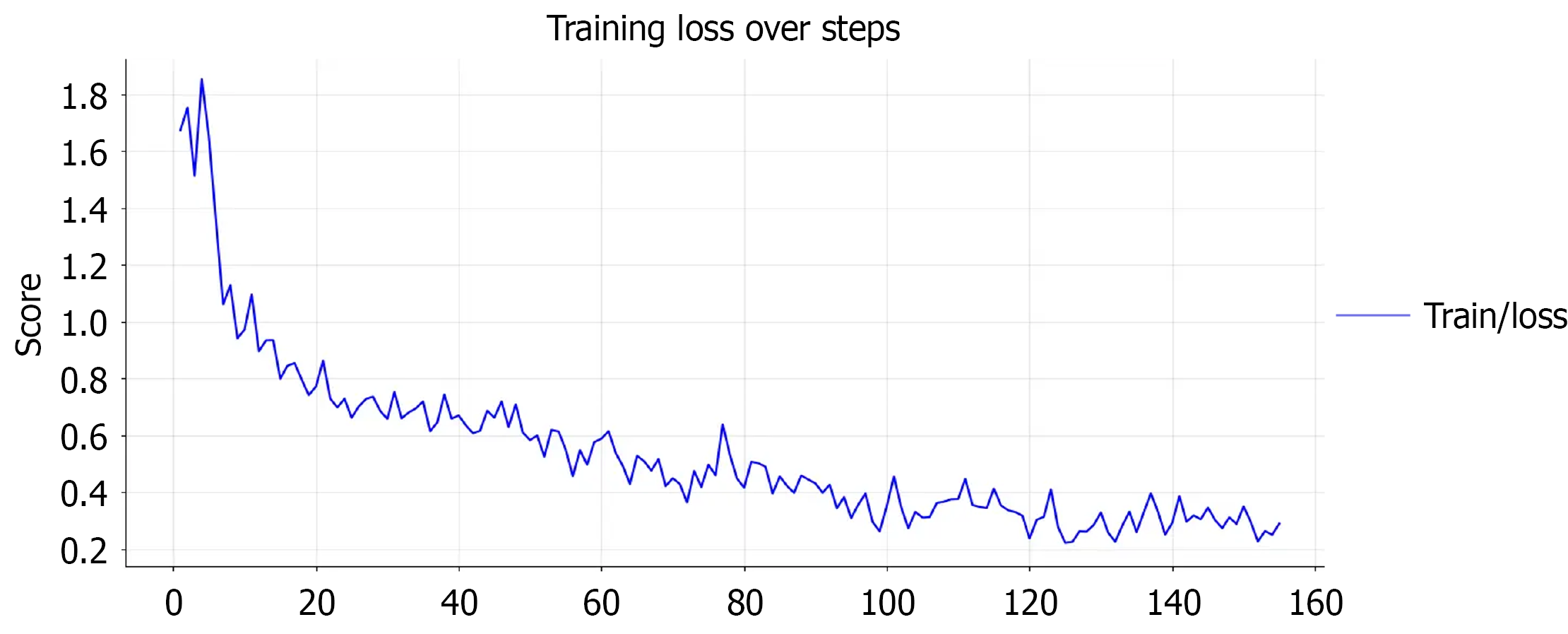
Figure 1
The final training loss curve.
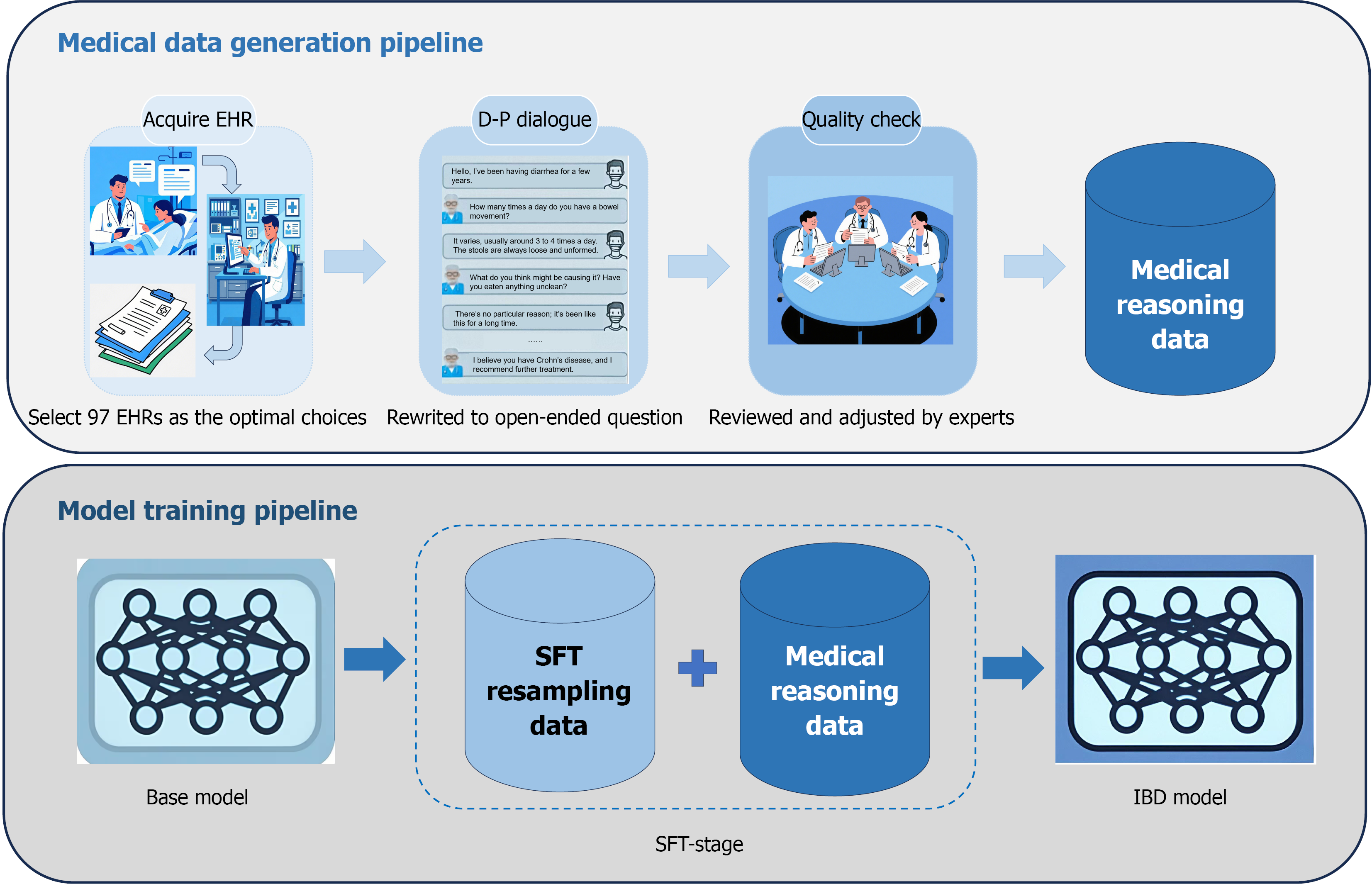
Figure 2 The process of constructing the medical corpus and training the model.
EHR: Electronic health record; D-P: Doctor-patient; SFT: Sup

Figure 3
Testing and scoring process of the general large language model.
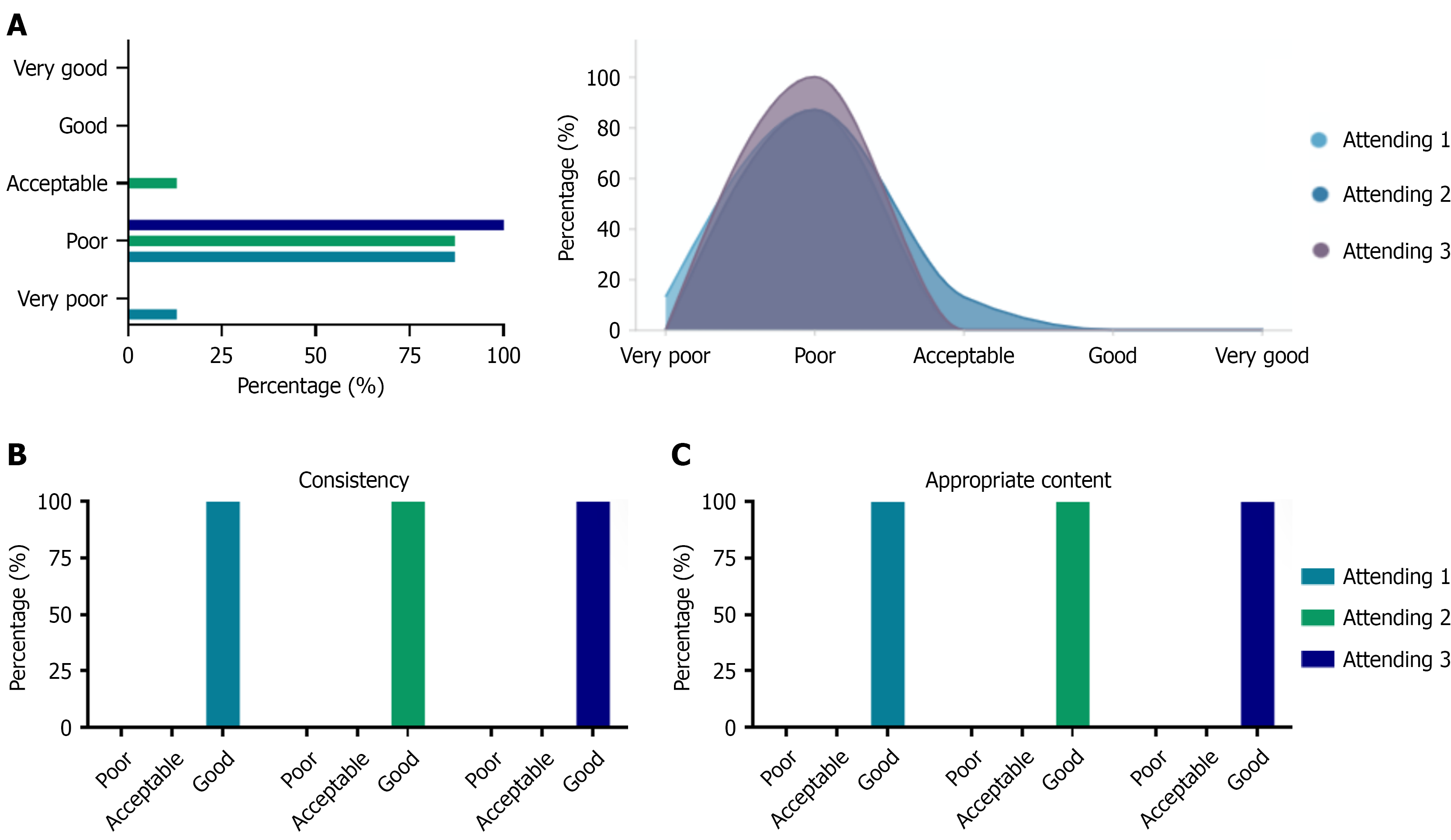
Figure 4 The assessment results of the Doubao.
A: The ability in medical history collection and disease diagnosis; B: The ability in output stability; C: The ability of the appropriateness of the output content.
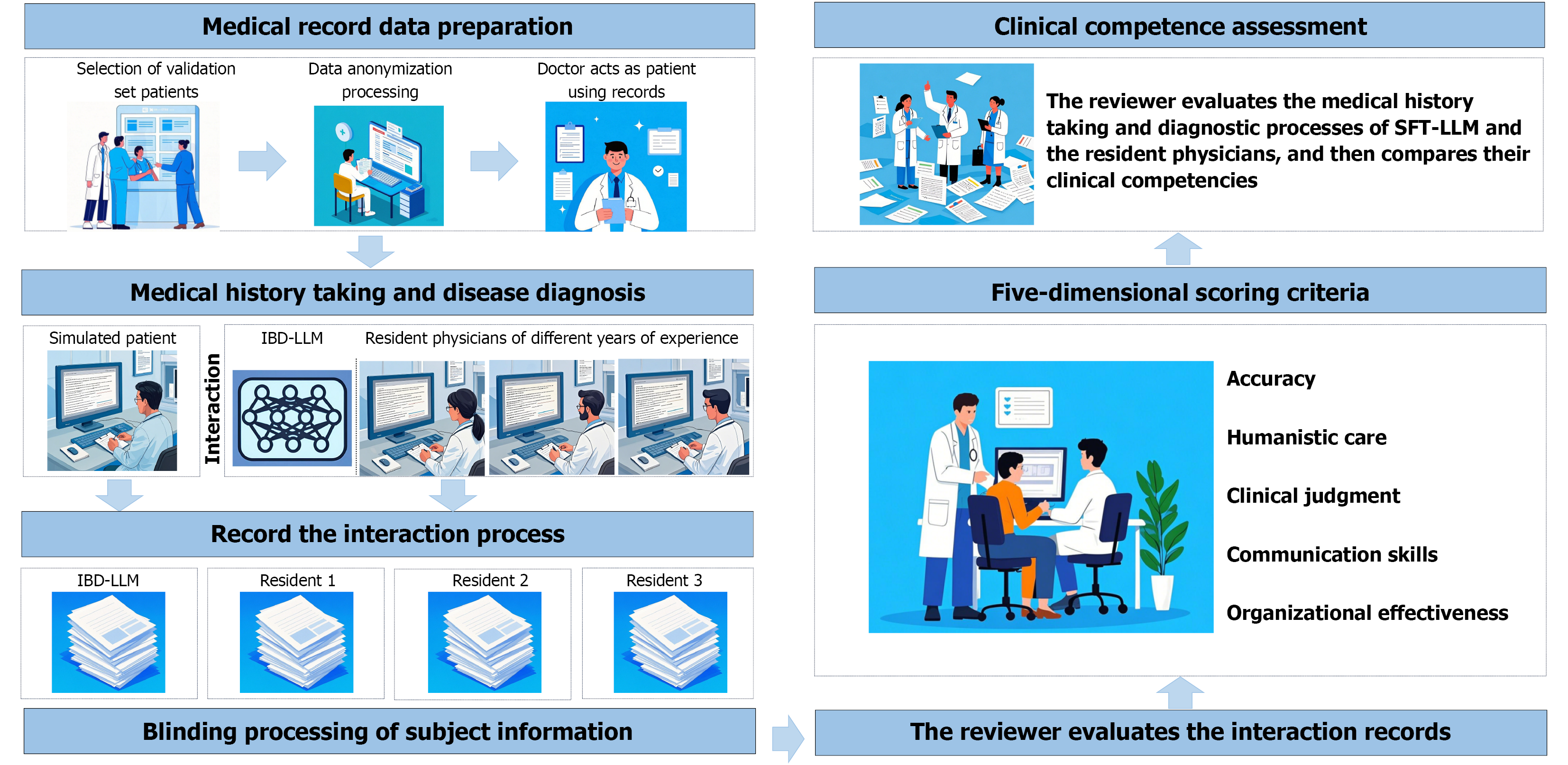
Figure 5 Head-to-head comparison between resident physicians and the inflammatory bowel disease-large language model.
LLM: Large language model; SFT: Supervised fine-tuning; IBD: Inflammatory bowel disease.
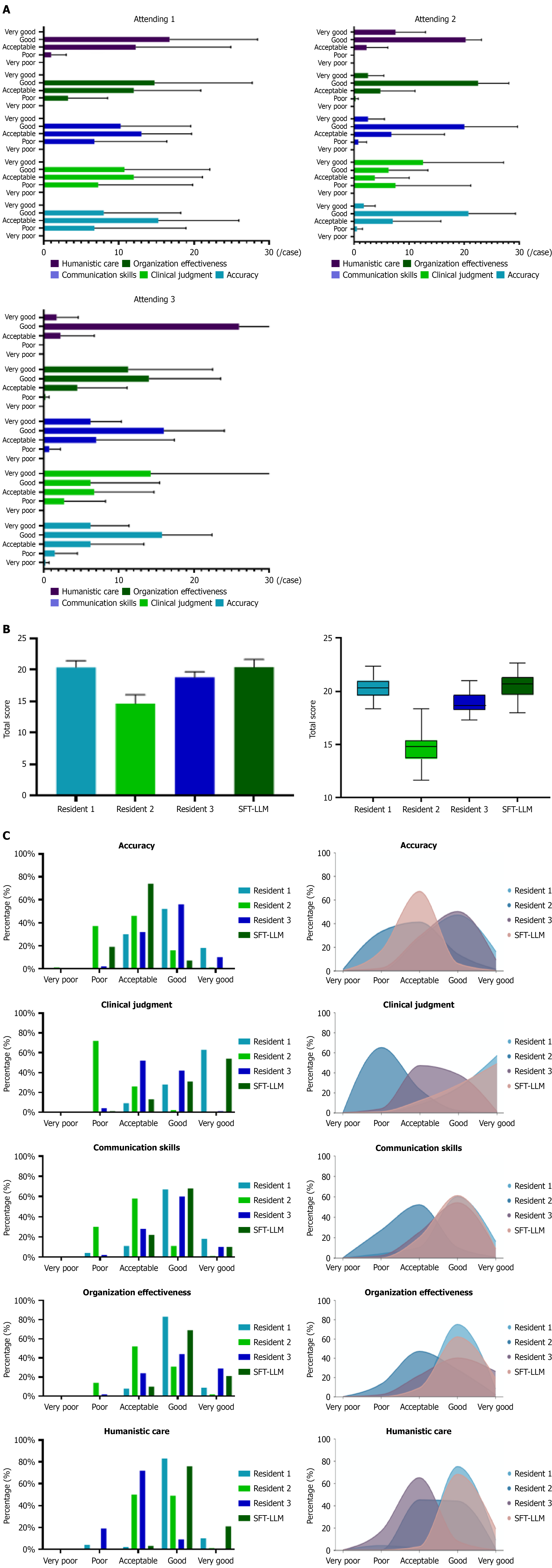
Figure 6 Evaluated and averaged across three consultant-level gastroenterologists.
A: Rating in five domains; B: Total scores (defined as the sum of domain-specific scores); C: Evaluated and averaged across three consultant-level gastroenterologists. LLM: Large language model; SFT: Supervised fine-tuning.
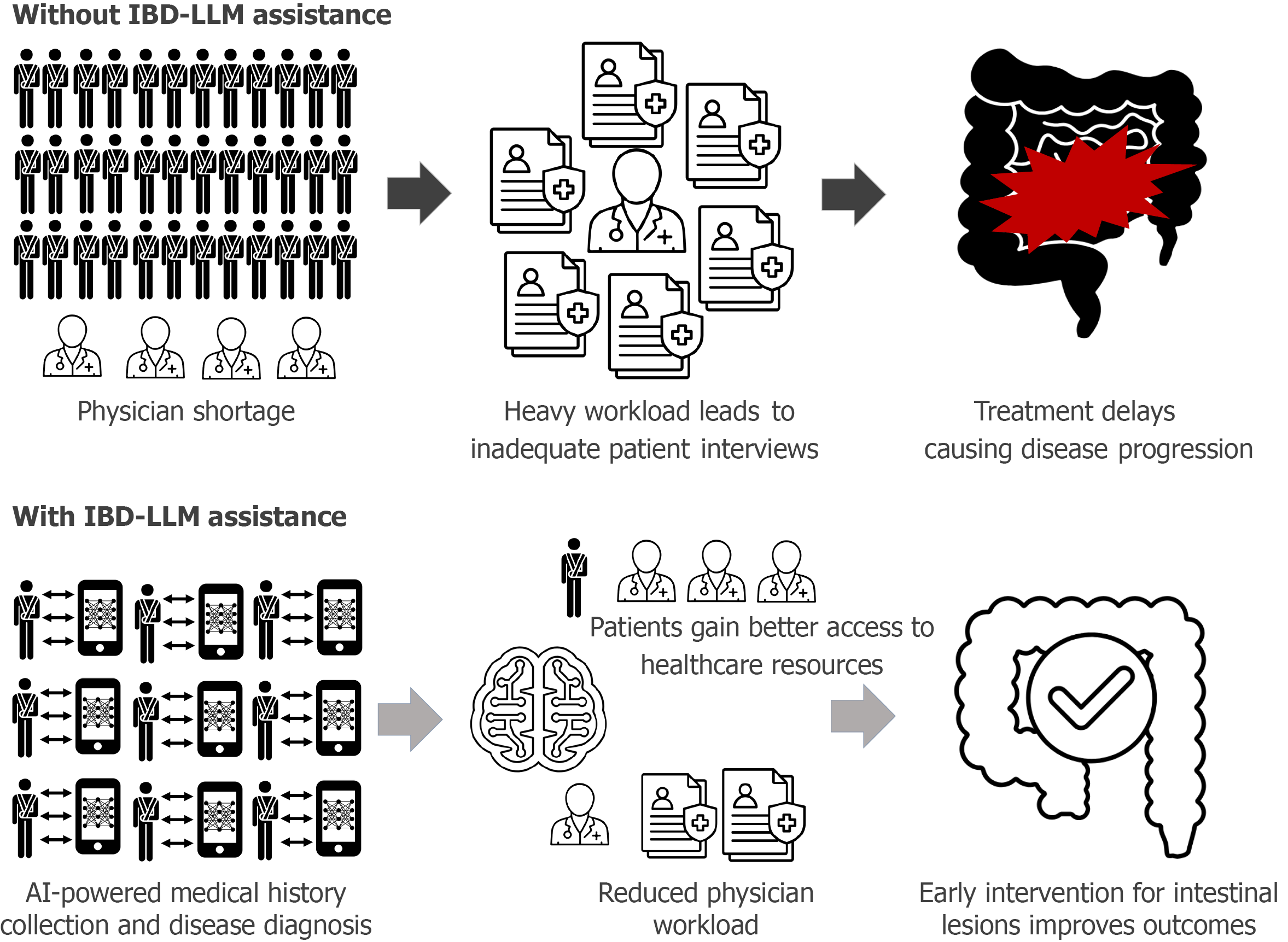
Figure 7 Clinical scenarios with and without inflammatory bowel disease-large language model assistance.
LLM: Large language model; AI: Artificial intelligence; IBD: Inflammatory bowel disease.
- Citation: Zhou SM, Zhang MJ, Zhang SL, Chen T, Wei ZJ, Dong HB, Cui Q, Li M, Wang D, Wang HC, Guan YR, Yang HH, Jiangtulu B, Cui B, Xu Q, Zhao Y, Jiang X. Large language models with supervised fine-tuning for inflammatory bowel disease diagnosis and prognosis. World J Gastroenterol 2027; 33(1): 123087
- URL: https://www.wjgnet.com/1007-9327/full/v33/i1/123087.htm
- DOI: https://dx.doi.org/10.3748/wjg.123087