











Copyright
©The Author(s) 2026.
World J Gastroenterol. Feb 7, 2026; 32(5): 115009
Published online Feb 7, 2026. doi: 10.3748/wjg.v32.i5.115009
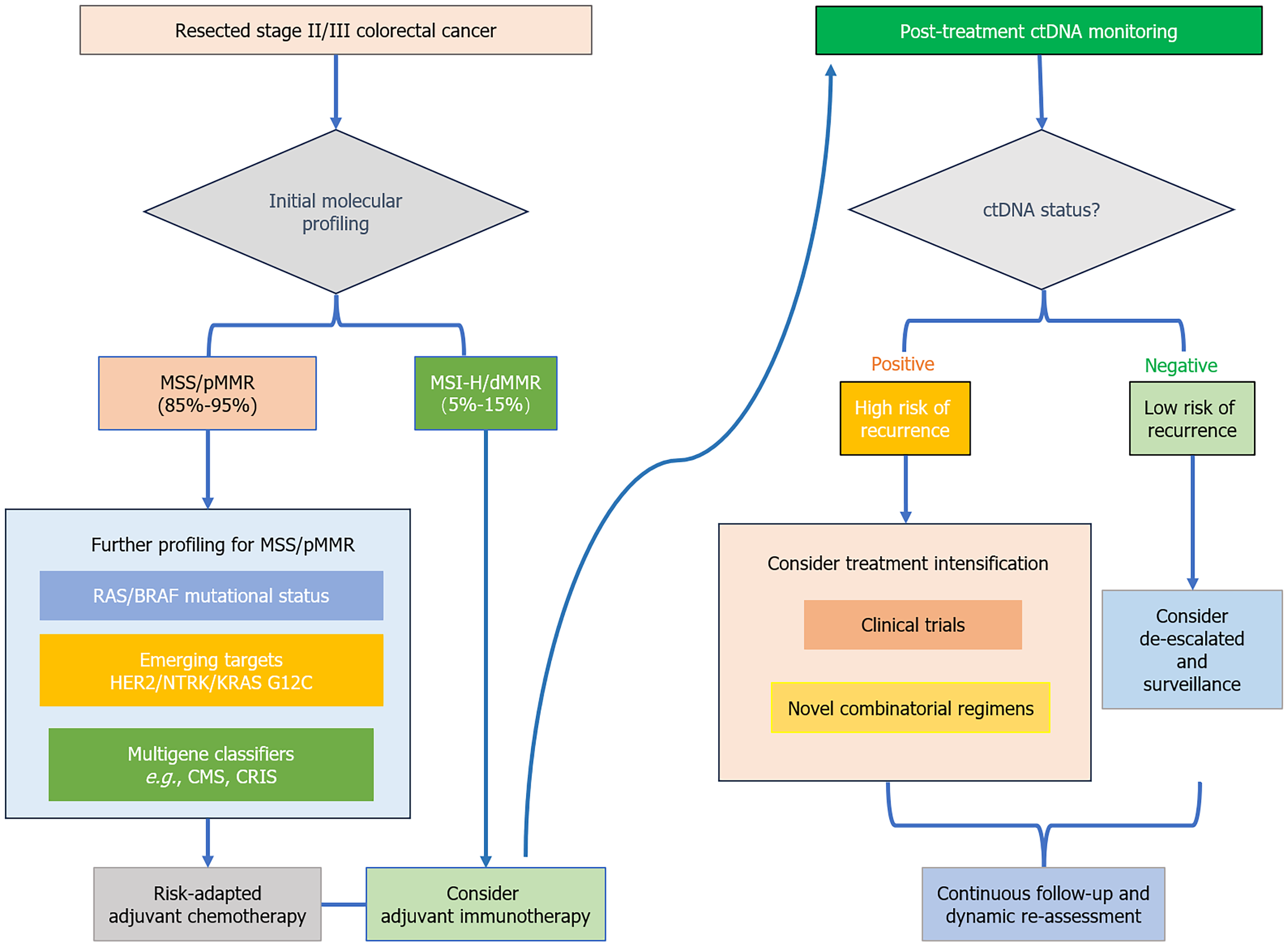
Figure 1 Molecular profiling-guided decision-making in the adjuvant therapy of stage II/III colorectal cancer.
This algorithm illustrates the per sonalized management pathway following surgical resection. Initial molecular profiling by mismatch repair status segregates patients into microsatellite instability-high/mismatch repair deficient (representing a candidate for clinical trials evaluating adjuvant immunotherapy) and microsatellite stability/proficient mismatch repair streams. For the majority microsatellite stability/proficient mismatch repair cohort, further profiling (e.g., rat sarcoma viral oncogene homolog/B-rapidly accelerated fibrosarcoma, multigene classifiers) informs risk-adapted chemotherapy. For all patients, post-treatment circulating tumor DNA (ctDNA) monitoring dynamically stratifies recurrence risk, guiding subsequent decisions on treatment intensification (for ctDNA-positive) or de-escalated surveillance (for ctDNA-negative). MSS: Microsatellite stability; pMMR: Proficient mismatch repair; MSI-H: Microsatellite instability-high; dMMR: Mismatch repair deficient; RAS: Rat sarcoma viral oncogene homolog; BRAF: B-rapidly accelerated fibrosarcoma; HER2: Human epidermal growth factor receptor 2; NTRK: Neurotrophic tyrosine receptor kinase; KRAS: Kirsten rat sarcoma viral oncogene homolog; CMS: Consensus molecular subtype; CRIS: Colorectal cancer intrinsic subtype; ctDNA: Circulating tumor DNA.
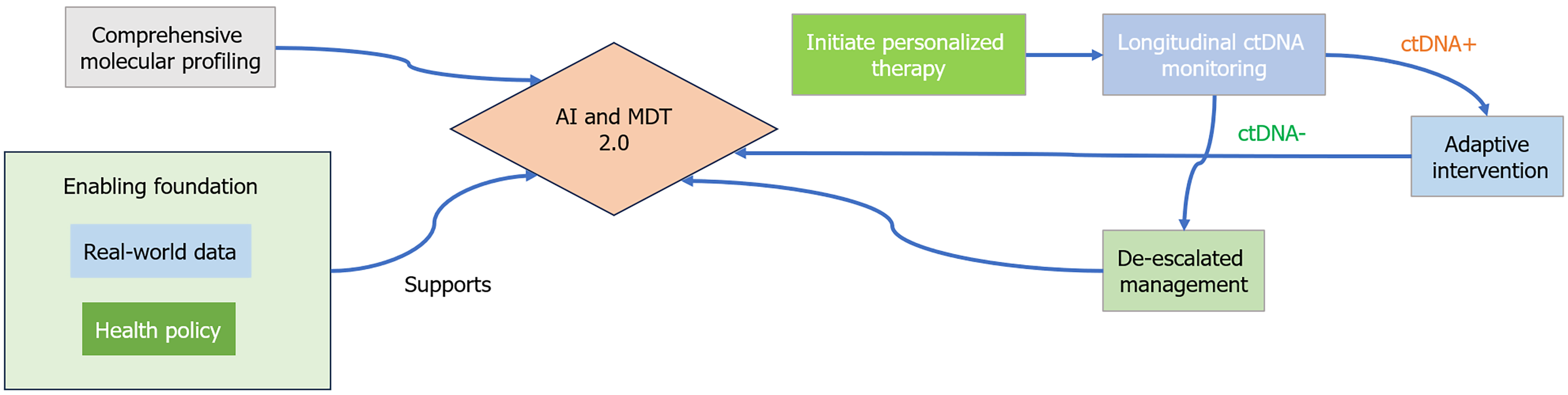
Figure 2 A dynamic and adaptable precision medicine framework for colorectal cancer adjuvant care.
This model integrates tiered molecular pro filing at diagnosis (ranging from core biomarker testing to comprehensive multi-omics based on resource availability) with adaptable longitudinal circulating tumor DNA (ctDNA) monitoring (with cadences adjustable to local capacities) to guide personalized therapy. The entire process is supported by an enabling foundation of real-world data and health policy, and driven by artificial intelligence and MDT 2.0 for collaborative decision-making. The system enables adaptive intervention for ctDNA-positive (minimal residual disease) patients or de-escalated management for ctDNA-negative patients, facilitating a continuous cycle of personalized care. The framework is designed to be implemented across a spectrum of resource settings through prioritized testing, tiered algorithms, and flexible monitoring cadences, ensuring practicality in diverse healthcare environments from high-resource centers to resource-constrained clinics. AI: Artificial intelligence; ctDNA: Circulating tumor DNA.
- Citation: Cheng XF. Molecular profiling-directed individualized adjuvant therapy in colorectal cancer: Bridging consensus guidelines to clinical disparities. World J Gastroenterol 2026; 32(5): 115009
- URL: https://www.wjgnet.com/1007-9327/full/v32/i5/115009.htm
- DOI: https://dx.doi.org/10.3748/wjg.v32.i5.115009
