















Copyright: ©Author(s) 2026.
World J Gastroenterol. Dec 21, 2026; 32(47): 122954
Published online Dec 21, 2026. doi: 10.3748/wjg.122954
Published online Dec 21, 2026. doi: 10.3748/wjg.122954
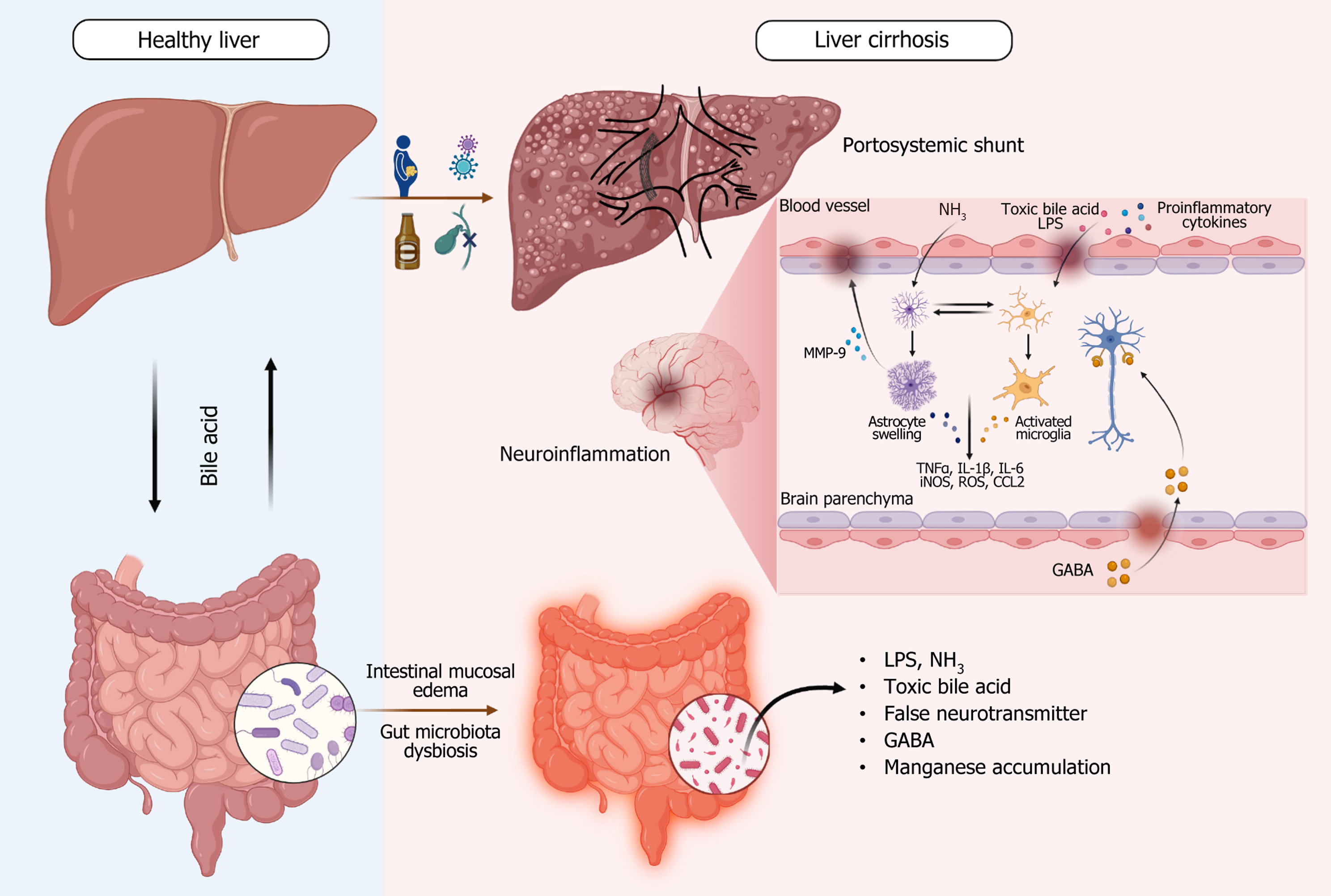
Figure 1 Schematic diagram of the mechanism of hepatic encephalopathy induced by gut-liver-brain axis imbalance in cirrhosis.
In healthy individuals, the liver maintains intestinal homeostasis via normal enterohepatic circulation of bile acids (BAs). In cirrhosis, destruction of liver structure accompanied by portosystemic shunting, together with disordered BA metabolism, intestinal mucosal edema and gut microbiota dysbiosis, leads to the entry of gut-derived toxins such as ammonia, lipopolysaccharide and toxic BAs into the systemic circulation. These toxins cross the blood-brain barrier, inducing neuroinflammation and neurotransmitter imbalance, and ultimately resulting in hepatic encephalopathy. CCL2: Chemokine ligand 2; GABA: Γ-Aminobutyric acid; IL: Interleukin; iNOS: Inducible nitric oxide synthase; LPS: Lipopolysaccharide; MMP-9: Matrix metalloproteinase-9; ROS: Reactive oxygen species; TNF-α: Tumor necrosis factor-α. Created in BioRender.
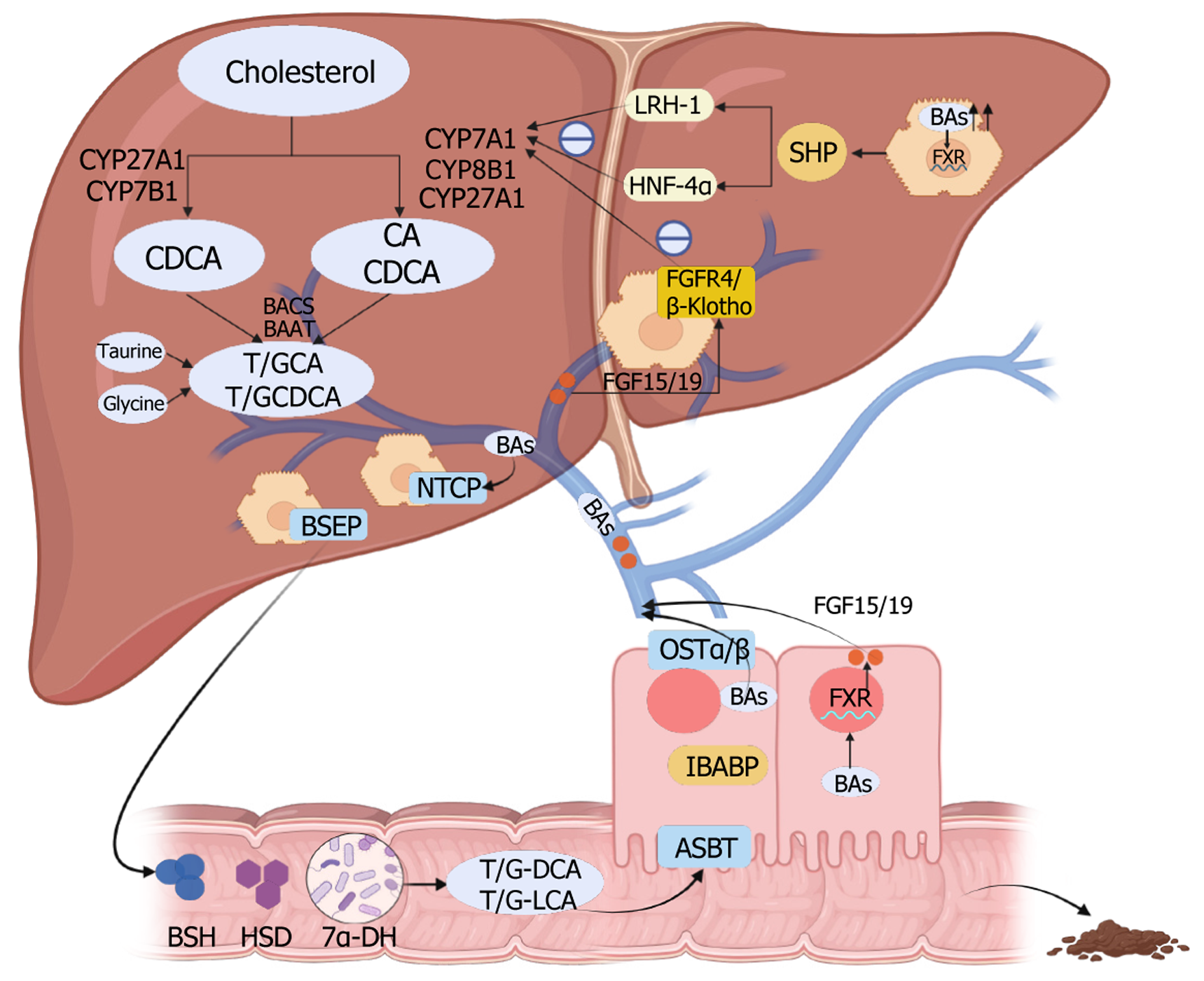
Figure 2 Bile acid synthesis, transformation, reabsorption, and negative feedback regulation.
In the liver, cholesterol undergoes a series of enzymatic reactions to produce primary bile acids (BAs), which then enter the intestine and are converted into secondary BAs. Both primary and secondary BAs can conjugate with glycine or taurine. Most BAs are eventually reabsorbed into the bloodstream, with only a small portion excreted in feces. This process is negatively regulated by small heterodimer partner and intestine-derived fibroblast growth factor 15/19. FGFR4: Fibroblast growth factor receptor 4; GCA: Glycocholic acid; GCDCA: Glycochenodeoxycholic acid; BAs: Bile acids; CYP7A1: Cholesterol 7α-hydroxylase; CYP8B1: Sterol 12α-hydroxylase; CYP27A1: Sterol 27-hydroxylase; CYP7B1: Oxysterol 7α-hydroxylase; CA: Cholic acid; CDCA: Chenodeoxycholic acid; BACS: Bile acid-CoA synthetase; BAAT: Bile acid-CoA: Amino acid N-acyltransferase; BSEP: Bile salt export pump; T: Taurine; G: Glycine; BSH: Bile salt hydrolase; HSD: Hydroxysteroid dehydrogenase; DCA: Deoxycholic acid; LCA: Lithocholic acid; ASBT: Apical sodium-dependent bile acid transporter; IBABP: Ileal bile acid-binding protein; OSTα/β: Organic solute transporter α/β; NTCP: Sodium taurocholate cotransporting polypeptide; FXR: Farnesoid X receptor; SHP: Small heterodimer partner; LRH-1: Liver receptor homolog-1; HNF-4α: Hepatocyte nuclear factor 4 α; FGF15/19: Fibroblast growth factor 15/19. The double upward arrows (↑↑) indicate elevated levels or increased expression. Created in BioRender.
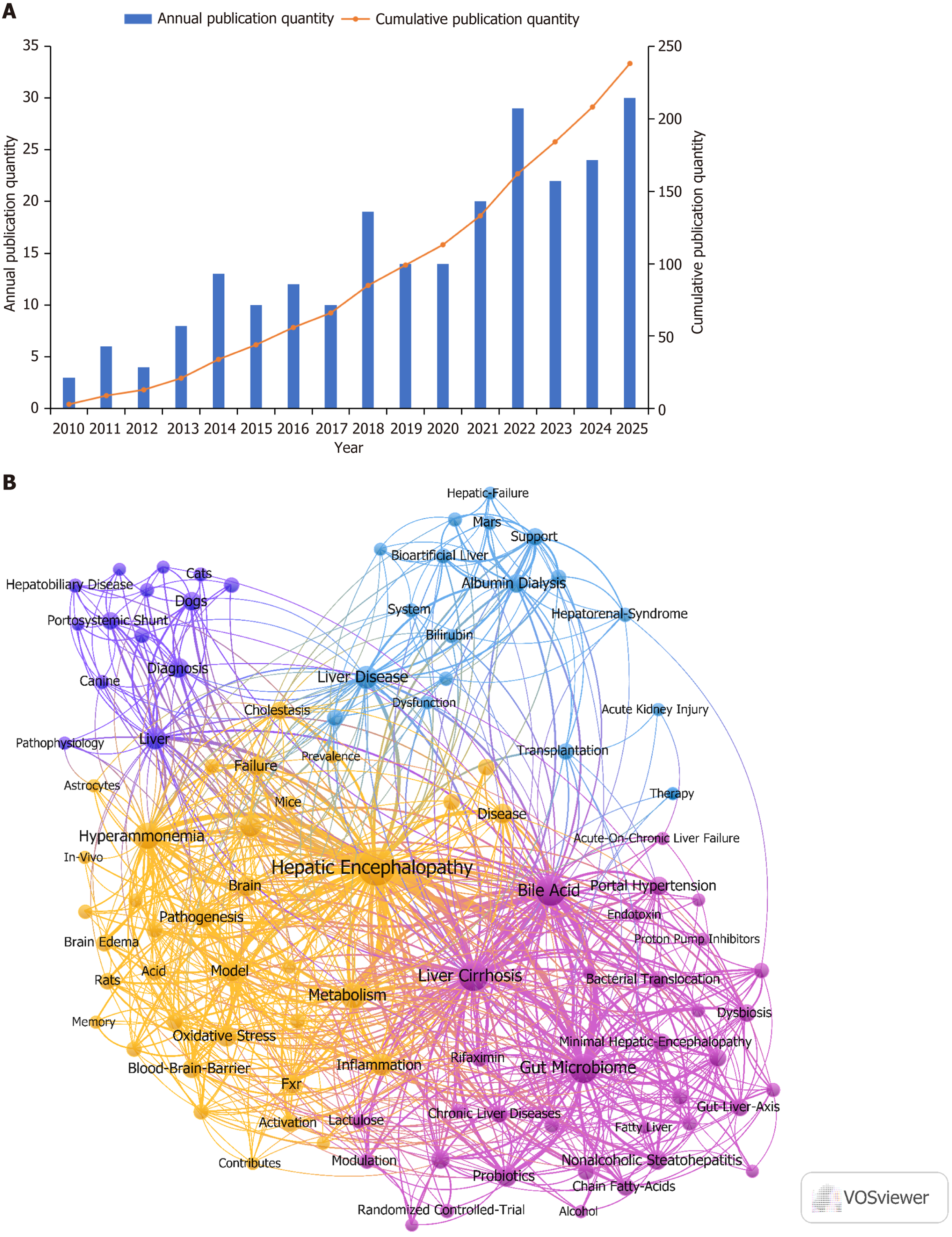
Figure 3 Bibliometric analysis and keyword co-occurrence analysis.
A: Bibliometric analysis of annual and cumulative publications on bile acid and hepatic encephalopathy based on MeSH terms in Web of Science (2010-2025); B: Keyword co-occurrence analysis of “bile acid” and “hepatic encephalopathy” based on VOSviewer Software.
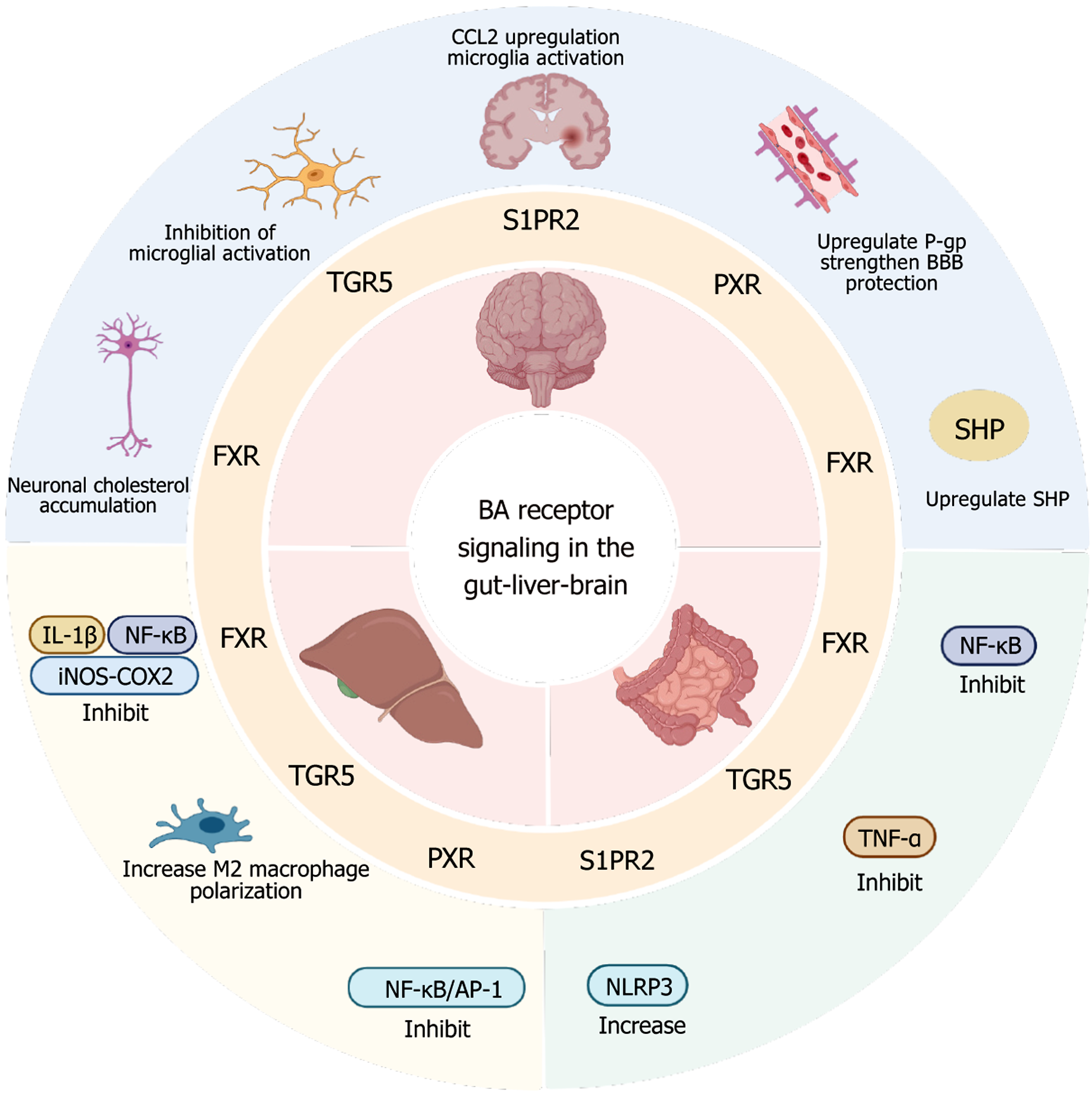
Figure 4 Bile acid receptor signaling in the gut-liver-brain axis.
Bile acids act as signaling molecules to regulate the gut-liver-brain axis through nuclear receptors (farnesoid X receptor and pregnane X receptor) and membrane receptors (Takeda G protein-coupled receptor 5 and sphingosine-1-phosphate receptor 2). Farnesoid X receptor and pregnane X receptor maintain Bile acid homeostasis, enhance intestinal and blood-brain barrier (BBB) integrity, and suppress inflammation. Takeda G protein-coupled receptor 5 exerts anti-neuroinflammatory effects by inhibiting microglial activation and NACHT, LRR and PYD domains-containing protein 3 inflammasome. In contrast, sphingosine-1-phosphate receptor 2 disrupts the BBB, promotes chemokine ligand 2 release, and triggers neuroinflammation. These receptors jointly mediate intestinal barrier damage, liver fibrosis, BBB dysfunction, and central neuroinflammation, thereby driving the pathogenesis of hepatic encephalopathy. BA: Bile acid; S1PR2: Sphingosine-1-phosphate receptor 2; TGR5: Takeda G protein-coupled receptor 5; PXR: Pregnane X receptor; FXR: Farnesoid X receptor; SHP: Small heterodimer partner; BBB: Blood-brain barrier; CCL2: Chemokine ligand 2; P-gp: P-glycoprotein; IL-1β: Interleukin-1β; NF-κB: Nuclear factor κB; iNOS: Inducible nitric oxide synthase; COX2: Cyclooxygenase-2; TNF-α: Tumor necrosis factor-α; NLRP3: NACHT, LRR and PYD domains-containing protein 3; AP-1: Activator protein-1. Created in BioRender.
- Citation: Huo YJ, Liang ZX, Bian JX, Zhang JT, Cha L, Yang QY, Zhao CJ, Li JY, Feng DP, Gao L. Bile acid metabolic disorders and their role in hepatic encephalopathy of cirrhosis. World J Gastroenterol 2026; 32(47): 122954
- URL: https://www.wjgnet.com/1007-9327/full/v32/i47/122954.htm
- DOI: https://dx.doi.org/10.3748/wjg.122954