
















Copyright: ©Author(s) 2026.
World J Gastroenterol. Dec 14, 2026; 32(46): 127449
Published online Dec 14, 2026. doi: 10.3748/wjg.127449
Published online Dec 14, 2026. doi: 10.3748/wjg.127449
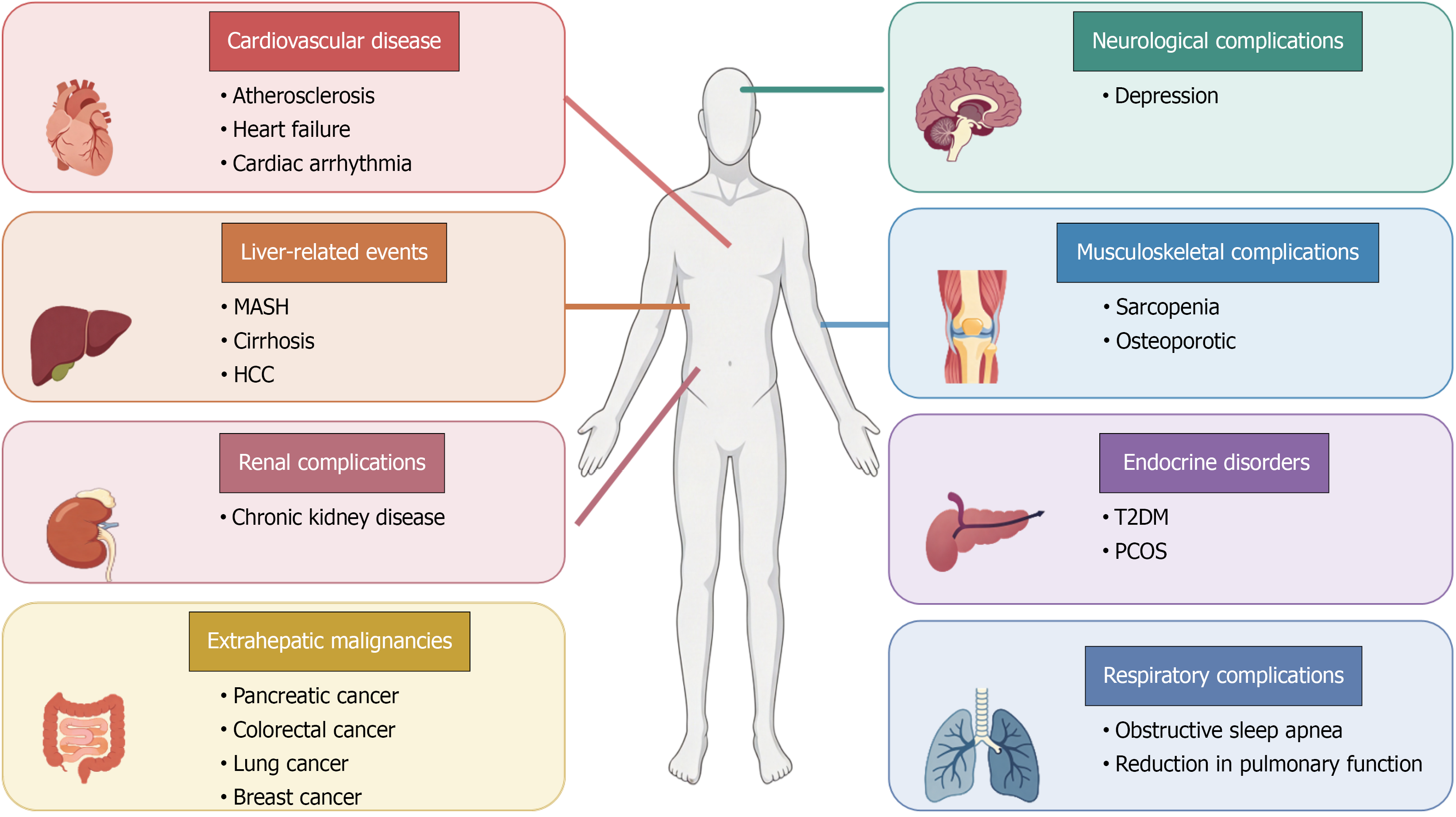
Figure 2 Hepatic and extrahepatic complications associated with metabolic dysfunction-associated steatotic liver disease.
Metabolic dysfunction-associated liver disease represents a multisystem metabolic disorder in which hepatic disease progression and extrahepatic manifestations arise through overlapping but distinct biological pathways. Hepatic outcomes reflect the progressive spectrum from steatosis to metabolic dysfunction-associated steatohepatitis, fibrosis, cirrhosis, and hepatocellular carcinoma, whereas extrahepatic outcomes represent clinically relevant associations involving cardiovascular, renal, metabolic, oncological, and other organ systems. The magnitude and mechanisms underlying these associations vary across outcomes and remain an active area of investigation. MASH: Metabolic dysfunction-associated steatohepatitis; HCC: Hepatocellular carcinoma; T2DM: Type 2 diabetes mellitus; PCOS: Polycystic ovary syndrome.
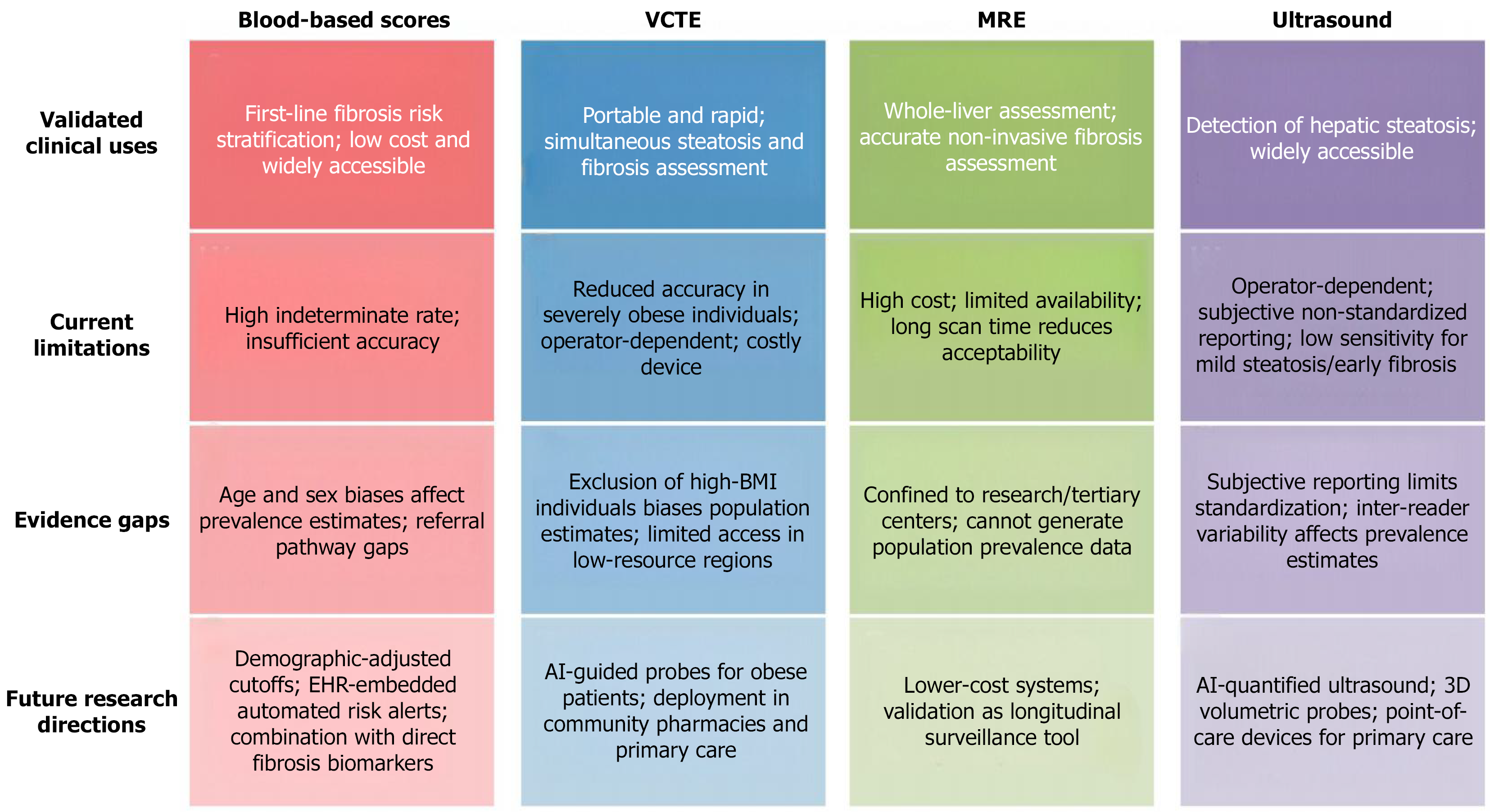
Figure 3 Non-invasive tests for metabolic dysfunction-associated steatotic liver disease screening and surveillance.
This framework summarizes the clinical applications, limitations, and future directions of non-invasive tests for metabolic dysfunction-associated liver disease. Established approaches, including serum-based fibrosis scores and imaging-based assessments, have been incorporated into current clinical pathways for risk stratification and fibrosis assessment. Emerging technologies, such as artificial intelligence-assisted ultrasound, three-dimensional volumetric imaging, and electronic health record-integrated risk assessment, show potential for improving case identification and personalized management but require further validation before broader clinical implementation. The diagnostic performance and clinical utility of each approach depend on the target condition, patient population, technical characteristics, and clinical setting. VCTE: Vibration-controlled transient elastography; MRE: Magnetic resonance elastography; EHR: Electronic health record; BMI: Body mass index; AI: Artificial intelligence; 3D: Three-dimensional.
- Citation: Xiao T, Chew NW, Targher G, Byrne CD, Lip GY, Zhou XD, Zheng MH. Global epidemiology of metabolic dysfunction-associated steatotic liver disease: 2026 update. World J Gastroenterol 2026; 32(46): 127449
- URL: https://www.wjgnet.com/1007-9327/full/v32/i46/127449.htm
- DOI: https://dx.doi.org/10.3748/wjg.127449