
















Copyright: ©Author(s) 2026.
World J Gastroenterol. Dec 7, 2026; 32(45): 122523
Published online Dec 7, 2026. doi: 10.3748/wjg.122523
Published online Dec 7, 2026. doi: 10.3748/wjg.122523
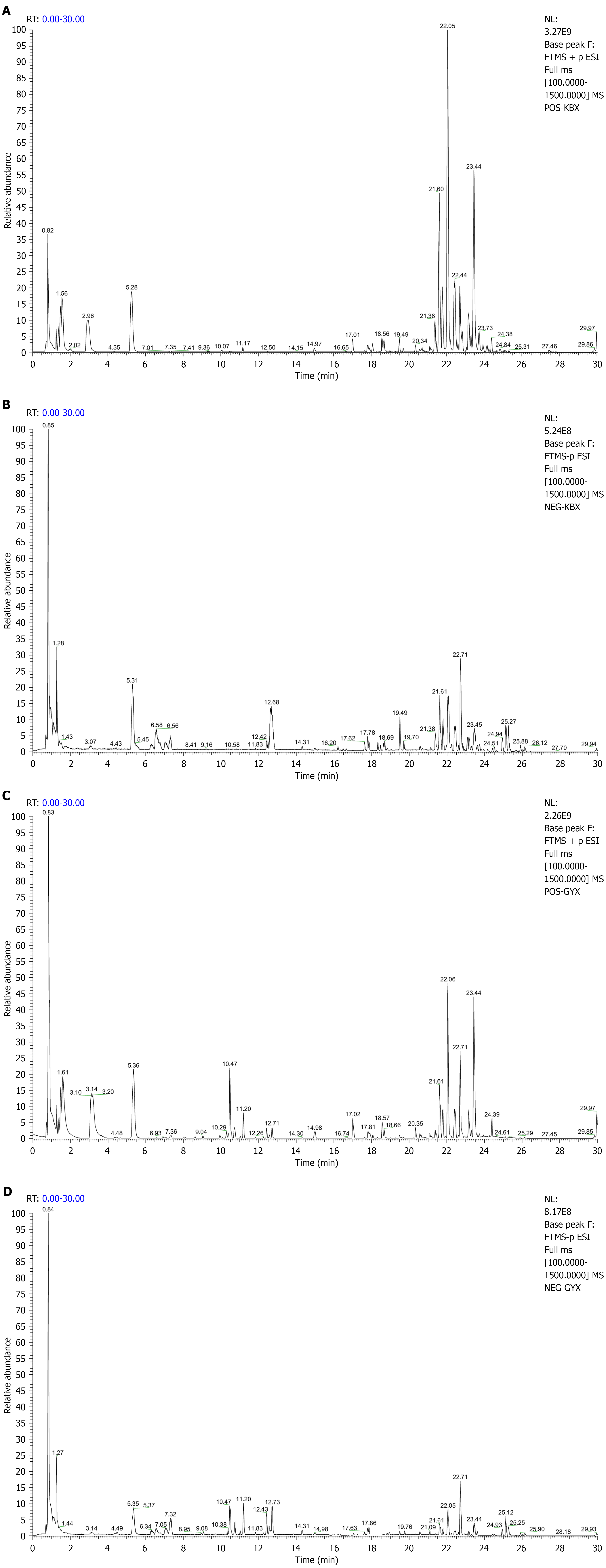
Figure 1 The ultra-performance liquid chromatography coupled with a hybrid quadrupole-Orbitrap high-resolution mass spectrometer analysis results of Tangwei’an.
A and B: Base peak ion chromatograms of Tangwei’an were acquired in positive and negative ion modes; C and D: Cor
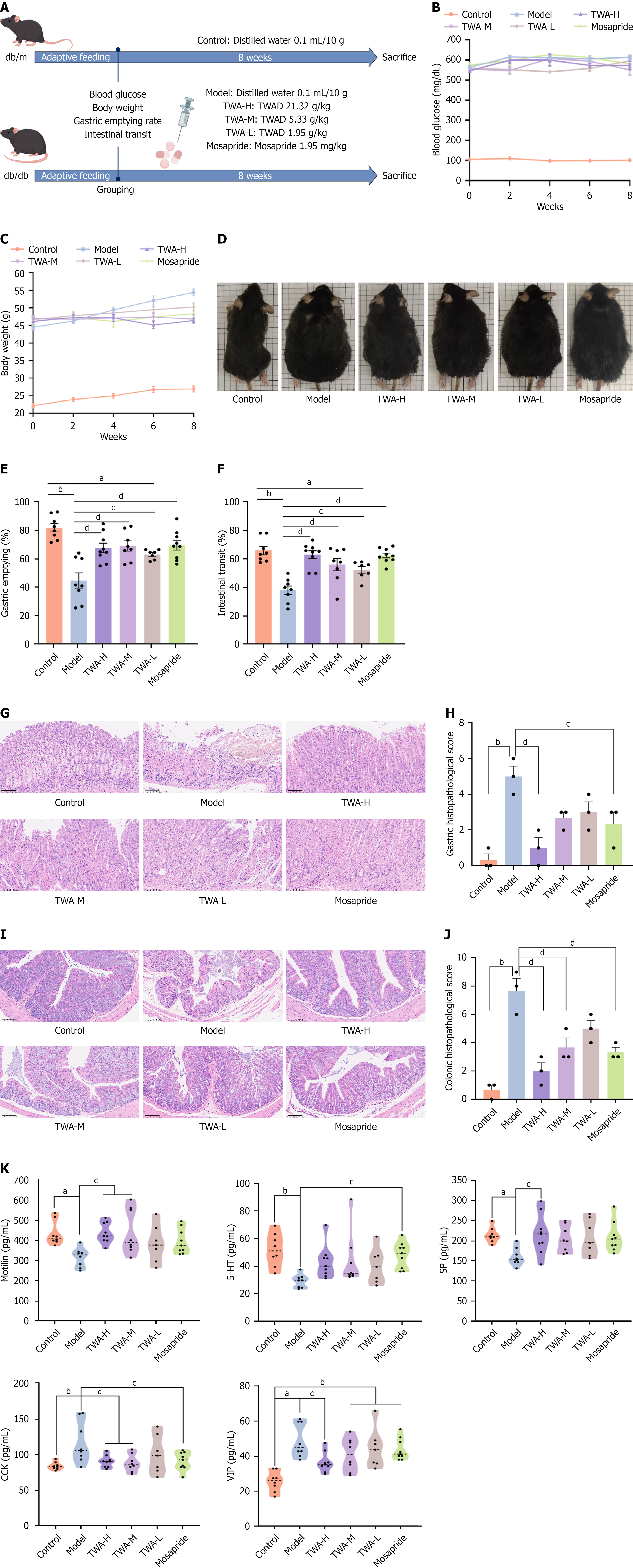
Figure 2 Tangwei’an alleviates pathological injury and improves gastrointestinal motility in diabetic gastroparesis mice.
A: Experimental workflow of the diabetic gastroparesis model and treatment procedure; B: Fasting blood glucose levels of mice at different time points (n = 7-9); C: Body weight of mice at different time points (n = 7-9); D: Representative photographs of mice from each experimental group; E: Gastric emptying rate of each group (n = 7-9); F: Intestinal transit rate of each group (n = 7-9); G: Hematoxylin & eosin staining of gastric tissues in each group. Scale bar = 100 μm; H: Gastric histopathological score (n = 3); I: Hematoxylin & eosin staining of colonic tissues in each group. Scale bar = 100 μm; J: Colonic histopathological score (n = 3); K: Serum levels of Motilin, serotonin, substance P, cholecystokinin, and vasoactive intestinal peptide in mice (n = 7-9). Data are presented as the means ± SEM. aP < 0.05 vs Control group, bP < 0.01 vs Control group, cP < 0.05 vs the Model group, dP < 0.01 vs the Model group. TWA-H: Tangwei’an decoction high-dose group; TWA-M: Tangwei’an decoction medium-dose group; TWA-L: Tangwei’an decoction low-dose group; 5-HT: Serotonin; SP: Substance P; CCK: Cholecystokinin; VIP: Vasoactive intestinal peptide.
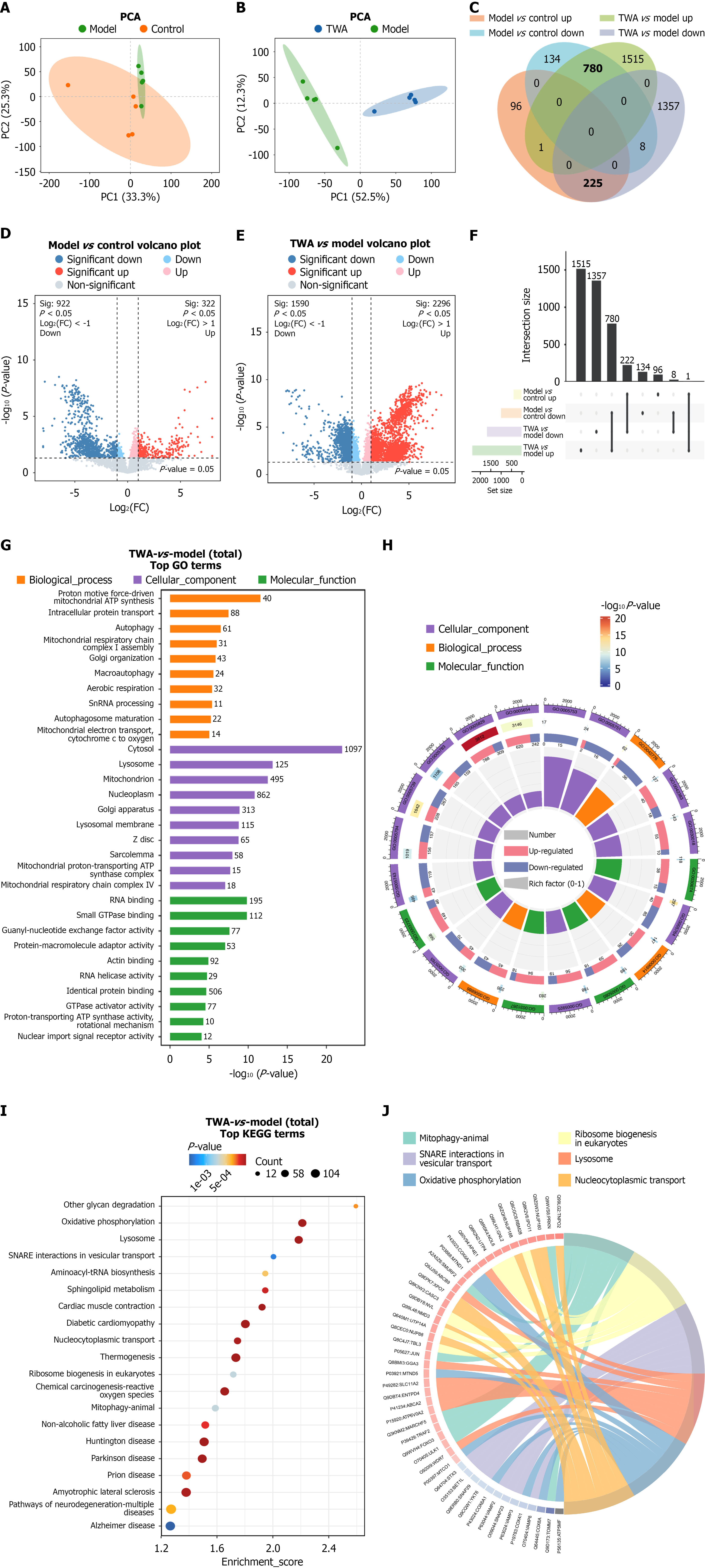
Figure 3 Proteomics analysis of Tangwei’an treated diabetic gastroparesis mice.
A: Principal component analysis score plot of Model and Control groups; B: Principal component analysis score plot of Tangwei’an (TWA) and Model groups; C: Venn diagram of differentially expressed proteins (DEPs); D: Volcano plots illustrating DEPs of Model vs Control; E: Volcano plots illustrating DEPs of TWA vs Control; F: The UpSet intersection diagram presented the common protein distribution of four types; G: Gene Ontology enrichment analysis of differentially expressed proteins between the TWA and Model groups, including biological process, cellular component, and molecular function; H: Gene Ontology analysis diagram of diabetic gastroparesis for TWA treatment of diabetic gastroparesis; I: Kyoto Encyclopedia of Genes and Genomes enrichment analysis among TWA and Model; J: Kyoto Encyclopedia of Genes and Genomes enrichment chord diagram. TWA: Tangwei’an; KEGG: Kyoto Encyclopedia of Genes and Genomes; GO: Gene Ontology; PCA: Principal component analysis.
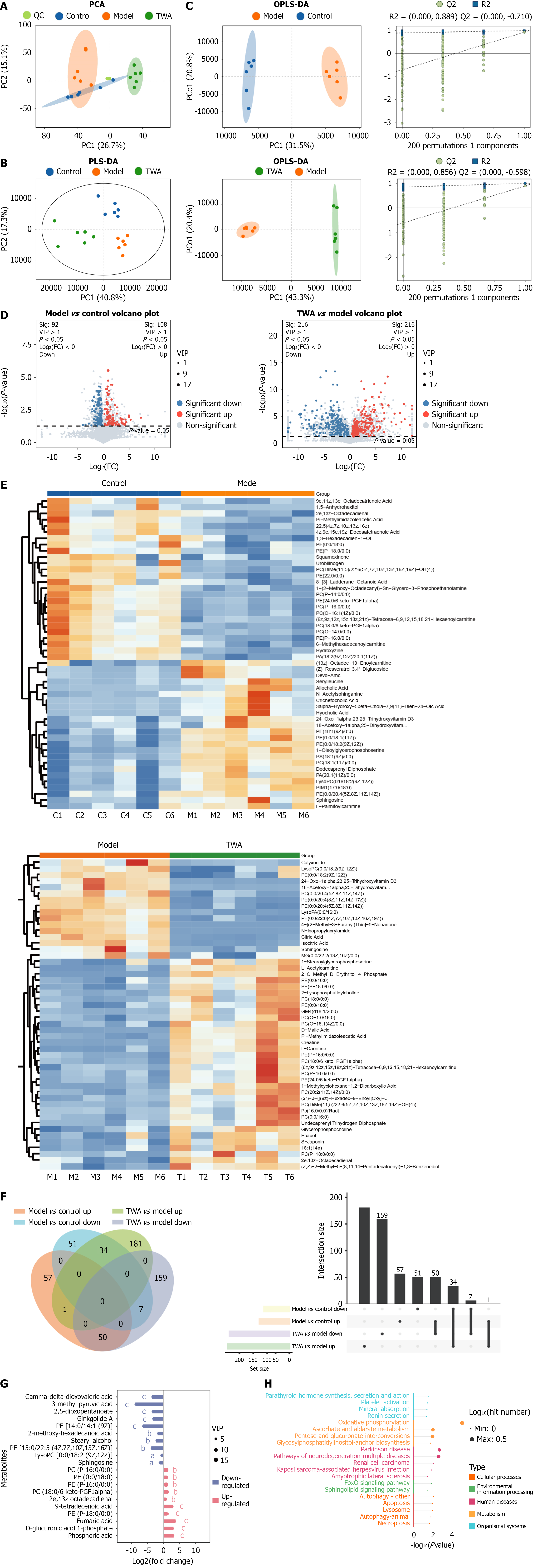
Figure 4 Metabonomics analysis of Tangwei’an treated diabetic gastroparesis mice.
A: Principal component analysis of metabolites; B: PLS-DA analysis of metabolites; C: OPLS-DA analysis model of intergroup differential metabolites; D: Volcano plot of differentially expressed metabolites in metabonomics; E: Heatmap visualization of metabolites in Control, Model, and Tangwei’an groups; F: Venn and UpSet diagram analysis of differentially expressed metabolites; G: Lollipop plot of metabolites in Tangwei’an decoction-treated diabetic gastroparesis; H: Kyoto Encyclopedia of Genes and Genomes analysis of differentially expressed metabolites in Tangwei’an decoction-treated diabetic gastroparesis. aP < 0.05, bP < 0.01, cP < 0.001. TWA: Tangwei’an; VIP: Vasoactive intestinal peptide.
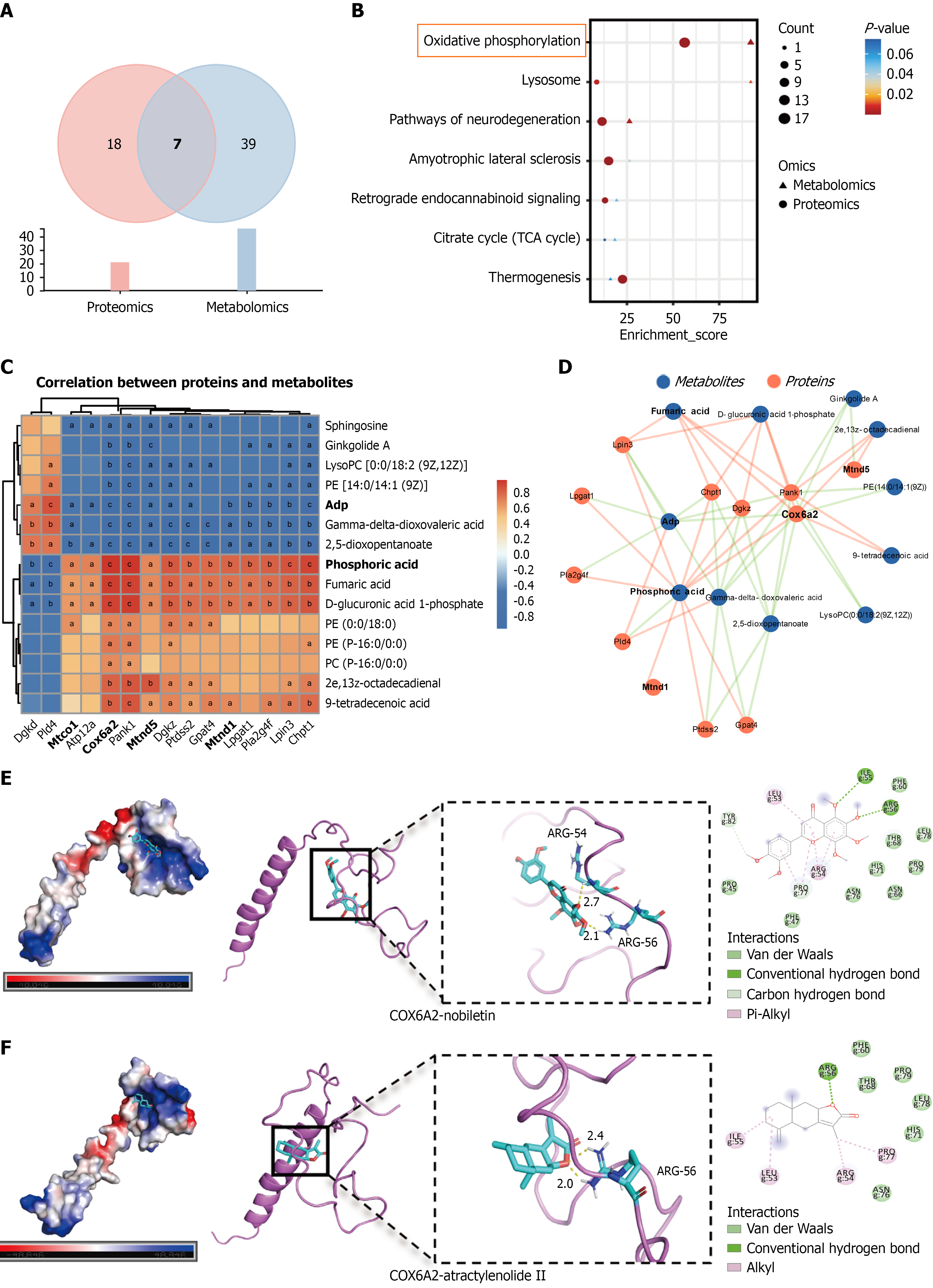
Figure 5 Integrated analysis of proteomics and metabolomics.
A: Venn diagram illustrating the overlapping Kyoto Encyclopedia of Genes and Genomes pathways enriched by differentially expressed proteins (DEPs) and differentially expressed metabolites (DEMs); B: Integrated proteomic and metabolomic Kyoto Encyclopedia of Genes and Genomes bubble plot; C: Analyzing the correlation between DEPs and DEMs; D: Correlation network map of DEPs and DEMs; E: Molecular docking of COX6A2 with Nobiletin; F: Molecular docking of COX6A2 with atractylenolide II. aP < 0.05, bP < 0.01, cP < 0.001.
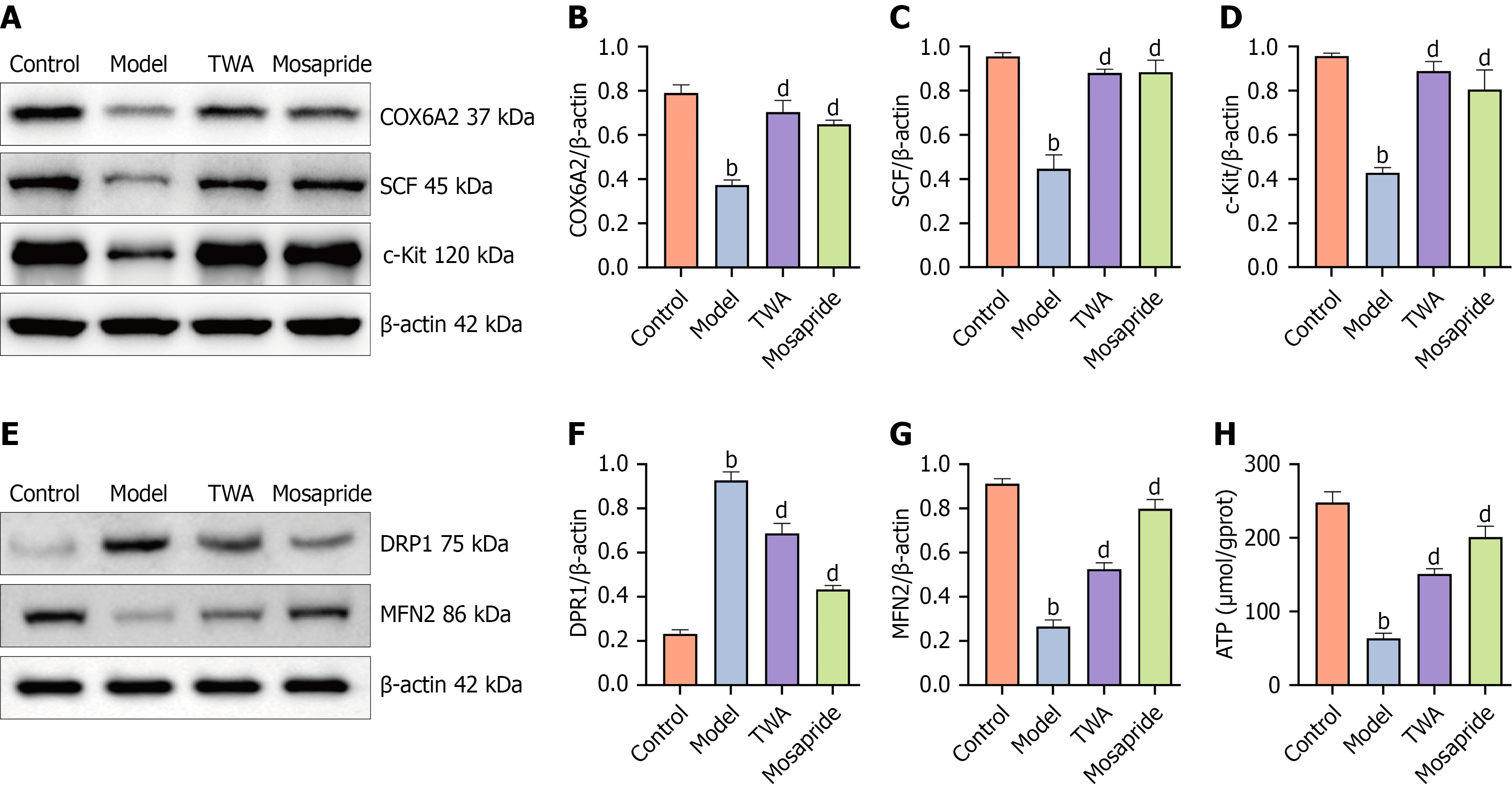
Figure 6 Tangwei’an regulates mitochondrial dynamics in diabetic gastroparesis mice via modulation of COX6A2.
A-D: Representative western blots and densitometric quantification of COX6A2, SCF and c-Kit in gastric tissues (n = 3); E-G: Representative western blots and densitometric quantification of DRP1 and MFN2 in gastric tissues (n = 3); H: ATP content in mice gastric tissues (n = 6). Data are presented as the mean ± SEM. bP < 0.01 vs Control group, dP < 0.01 vs the Model group. TWA: Tangwei’an.
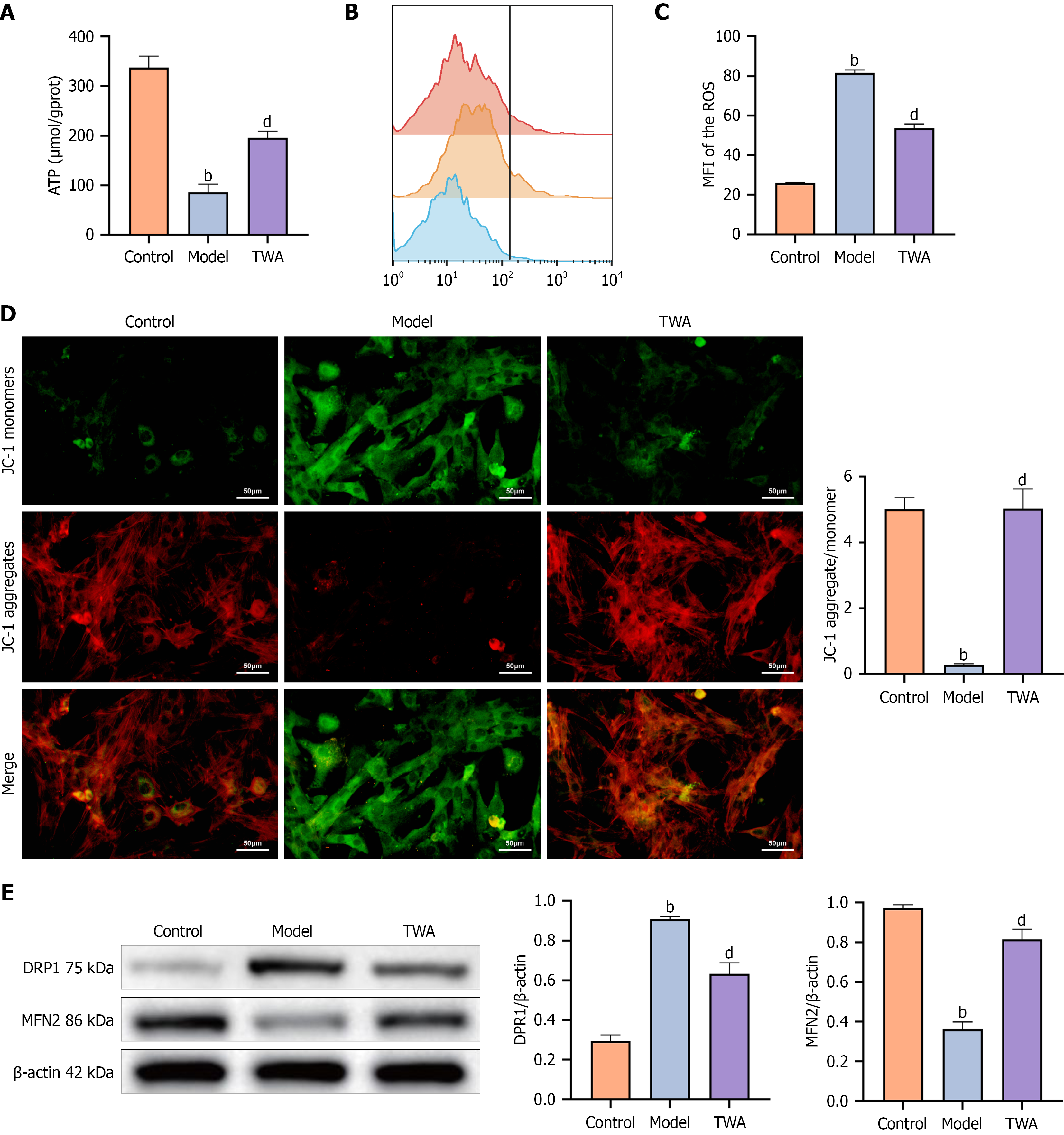
Figure 7 Tangwei’an rescues mitochondrial dysfunction in high glucose-injured mouse gastric smooth muscle cells.
A: ATP content in mouse gastric smooth muscle cells (n = 6); B: Reactive oxygen species; C: Reactive oxygen species levels quantified as MFI (a.u.); D: Representative JC-1 images and quantification of mitochondrial membrane potential as the red/green ratio (a.u.); E: Representative western blots and densitometric quantification of DRP1 and MFN2 in mouse gastric smooth muscle cells (n = 3). Data are presented as the mean ± SEM. bP < 0.01 vs Control group, dP < 0.01 vs the Model group. TWA: Tangwei’an; ROS: Reactive oxygen species.
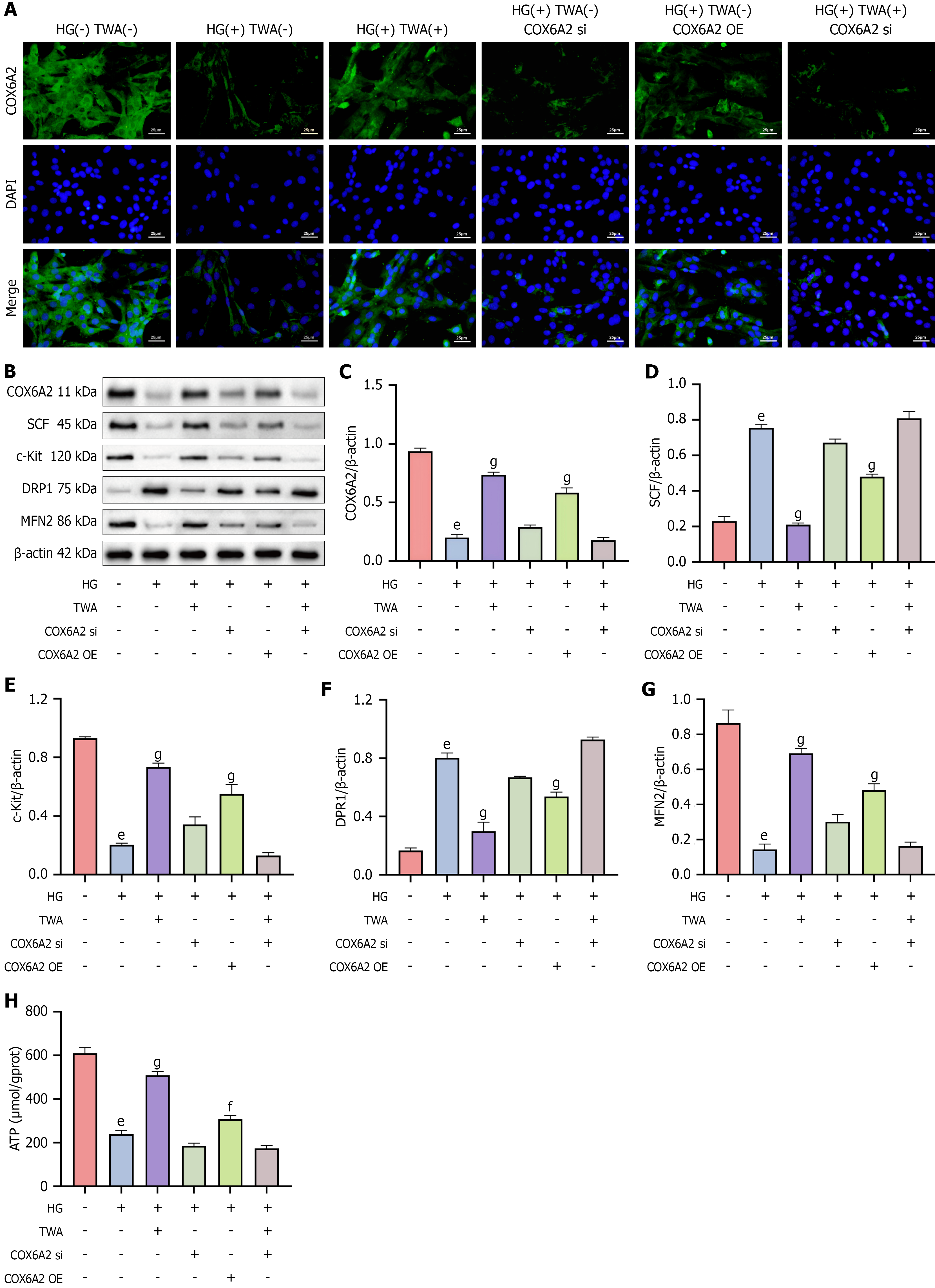
Figure 8 COX6A2 links Tangwei’an to SCF/c-Kit signaling and mitochondrial dynamics in mouse gastric smooth muscle cells.
A: Representative immunofluorescence images of COX6A2 in the indicated groups; B-G: Representative western blots and densitometric quantification of COX6A2, SCF, c-Kit, DRP1 and MFN2 in mouse gastric smooth muscle cells (n = 3); H: ATP content in mouse gastric smooth muscle cells (n = 6). eP < 0.01 vs the “high glucose(-) Tangwei’an(-)” group, fP < 0.05 vs the “high glucose(+) Tangwei’an(-)” group, gP < 0.01 vs the “high glucose(+) Tangwei’an(-)” group. HG: High glucose; TWA: Tangwei’an.
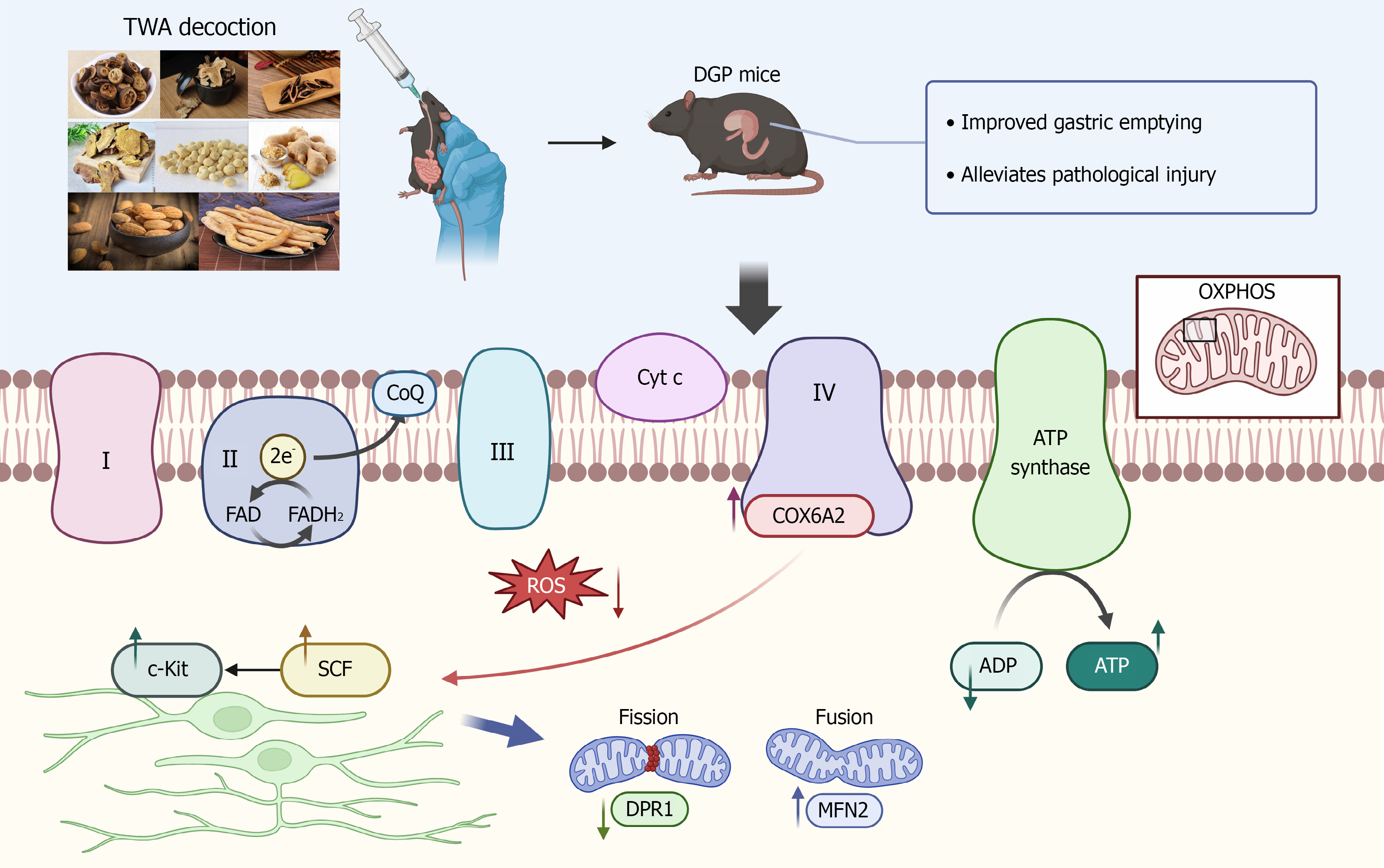
Figure 9 Molecular mechanism of Tangwei’an decoction on improving diabetic gastroparesis.
OXPHOS: Oxidative phosphorylation; TWA: Tangwei’an; DGP: Diabetic gastroparesis.
- Citation: Zhang YX, Fang XY, Zhang YJ, Yin RY, Li B, Tian JX. Multi-omics analysis identifies COX6A2/SCF/c-Kit-mediated mitochondrial remodeling as a key mechanism of Tangwei’an decoction in diabetic gastroparesis. World J Gastroenterol 2026; 32(45): 122523
- URL: https://www.wjgnet.com/1007-9327/full/v32/i45/122523.htm
- DOI: https://dx.doi.org/10.3748/wjg.122523