
















Copyright: ©Author(s) 2026.
World J Gastroenterol. Nov 21, 2026; 32(43): 121944
Published online Nov 21, 2026. doi: 10.3748/wjg.121944
Published online Nov 21, 2026. doi: 10.3748/wjg.121944
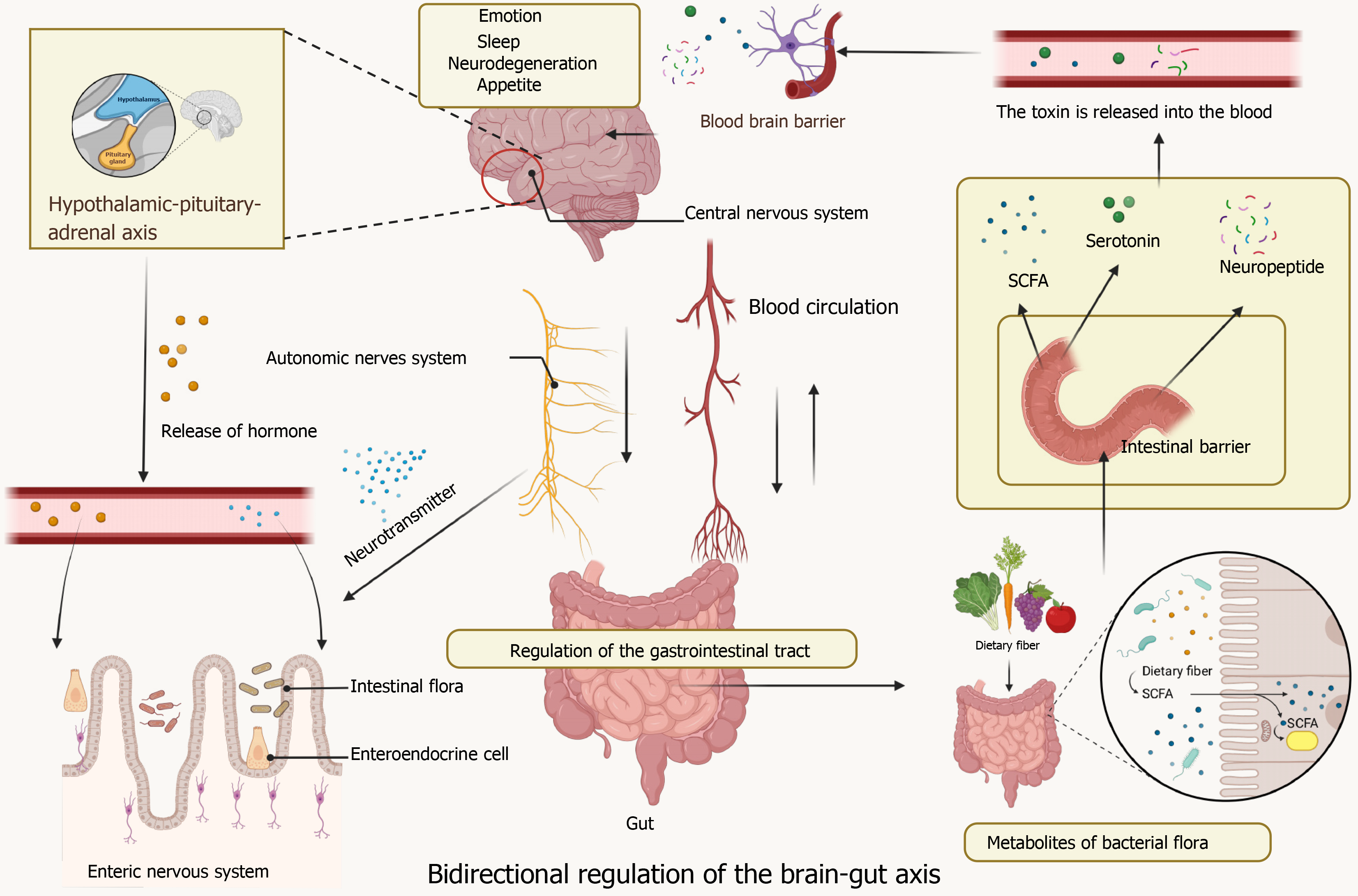
Figure 1 Mechanisms of bidirectional regulation of the brain-gut axis.
The brain-gut axis is a bidirectional signal regulation system formed between the central nervous system and the gut through neural, endocrine and immune pathways. The gut transmits signals to the brain through the vagus nerve, metabolites such as short-chain fatty acids and hormones, while the brain regulates the intestinal function through the autonomic nervous system and hypothalamic-pituitary-adrenal axis. Both of them are involved in the regulation of appetite, mood, metabolism and immunity. In this process, intestinal flora plays a crucial role through its metabolites and immune regulation. Its imbalance is closely related to a variety of diseases, including neurodegenerative diseases, obesity, and inflammatory bowel diseases. SCFA: Short-chain fatty acid.
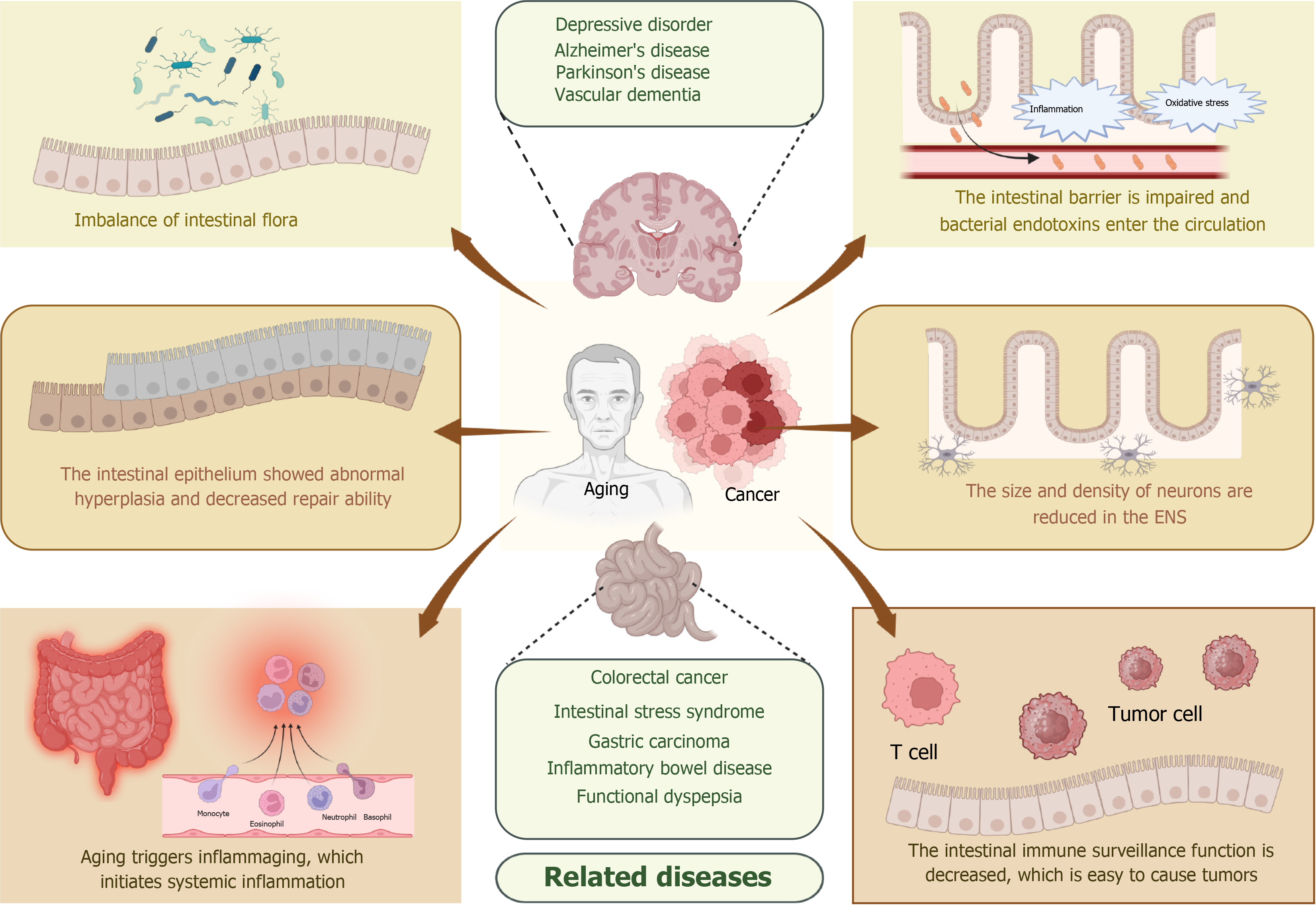
Figure 2 Pathological changes of the brain-gut axis in aging.
Aging can lead to alterations in the homeostasis of the gastrointestinal tract. For instance, aging can cause impaired intestinal barrier function, dysbiosis, and weakened immune surveillance, resulting in the entry of bacterial endotoxins into the bloodstream, systemic inflammatory responses, and oxidative stress. At the local level in the intestine, abnormal proliferation of epithelial cells accompanied by weakened repair capacity, along with a reduction in the number and density of neurons in the enteric nervous system, collectively form the pathological basis for the imbalance of intestinal homeostasis. Additionally, there is abnormal function of immune cells in the gastrointestinal tract and a decline in the immune surveillance function of the intestinal epithelium. These changes are mediated through the immune-neuro-endocrine network and are closely associated with various diseases. ENS: Enteric nervous system.
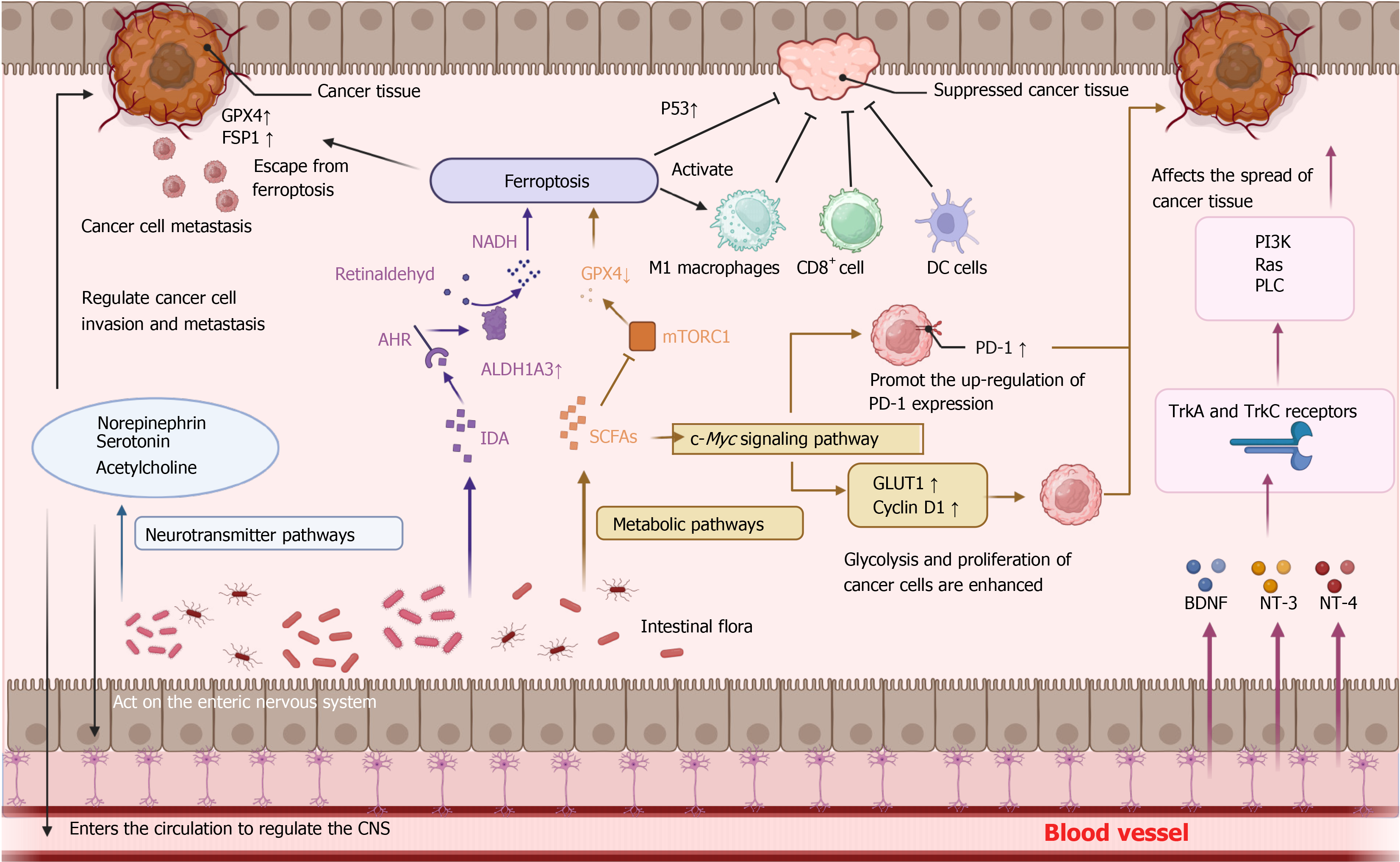
Figure 3 The brain-gut axis system regulates gastrointestinal tumors through multiple pathways.
The gut microbiota and its metabolic products can have dual effects. For instance, short-chain fatty acids can enhance c-Myc-mediated programmed cell death ligand 1 expression to promote immune escape of tumor cells and increase their glycolysis. Meanwhile, short-chain fatty acids can also promote ferroptosis of tumor cells and enhance the killing function of immune cells against tumors through the mammalian target of rapamycin signaling pathway. Additionally, specific microbial metabolites, such as indoleacrylic acid, can upregulate ALDH1A3 and increase nicotinamide adenine dinucleotide production by activating the aryl hydrocarbon receptor pathway, thereby supporting the ferroptosis suppressor protein 1 defense system and activating the glutathione and glutathione peroxidase 4 axis, which inhibits tumor ferroptosis. Moreover, the tumor microenvironment is also regulated by neural and neurotrophic signals. Neurotransmitters such as norepinephrine, serotonin, and acetylcholine can also be involved in tumor metastasis and invasion, while neurotrophic factors brain-derived neurotrophic factor, neurotrophin (NT)-3, and NT-4 act through tropomyosin receptor kinase A and tropomyosin receptor kinase C receptors to activate downstream pathways including phosphatidylinositol 3-kinase, Ras, and phospholipase C, thereby influencing the development of cancer. GPX4: Glutathione peroxidase 4; FSP1: Ferroptosis suppressor protein 1; CNS: Central nervous system; NADH: Nicotinamide adenine dinucleotide; IDA: Indoleacrylic acid; AHR: Aryl hydrocarbon receptor; SCFA: Short-chain fatty acid; mTORC1: Mammalian target of rapamycin complex 1; CD: Cluster of differentiation; DC: Dendritic cells; PD-1: Programmed death receptor 1; GLUT1: Glucose transporter 1; BDNF: Brain-derived neurotrophic factor; PI3K: Phosphatidylinositol 3-kinase; TrkA: Tropomyosin receptor kinase A; TrkC: Tropomyosin receptor kinase C; PLC: Phospholipase C; NT: Neurotrophin.
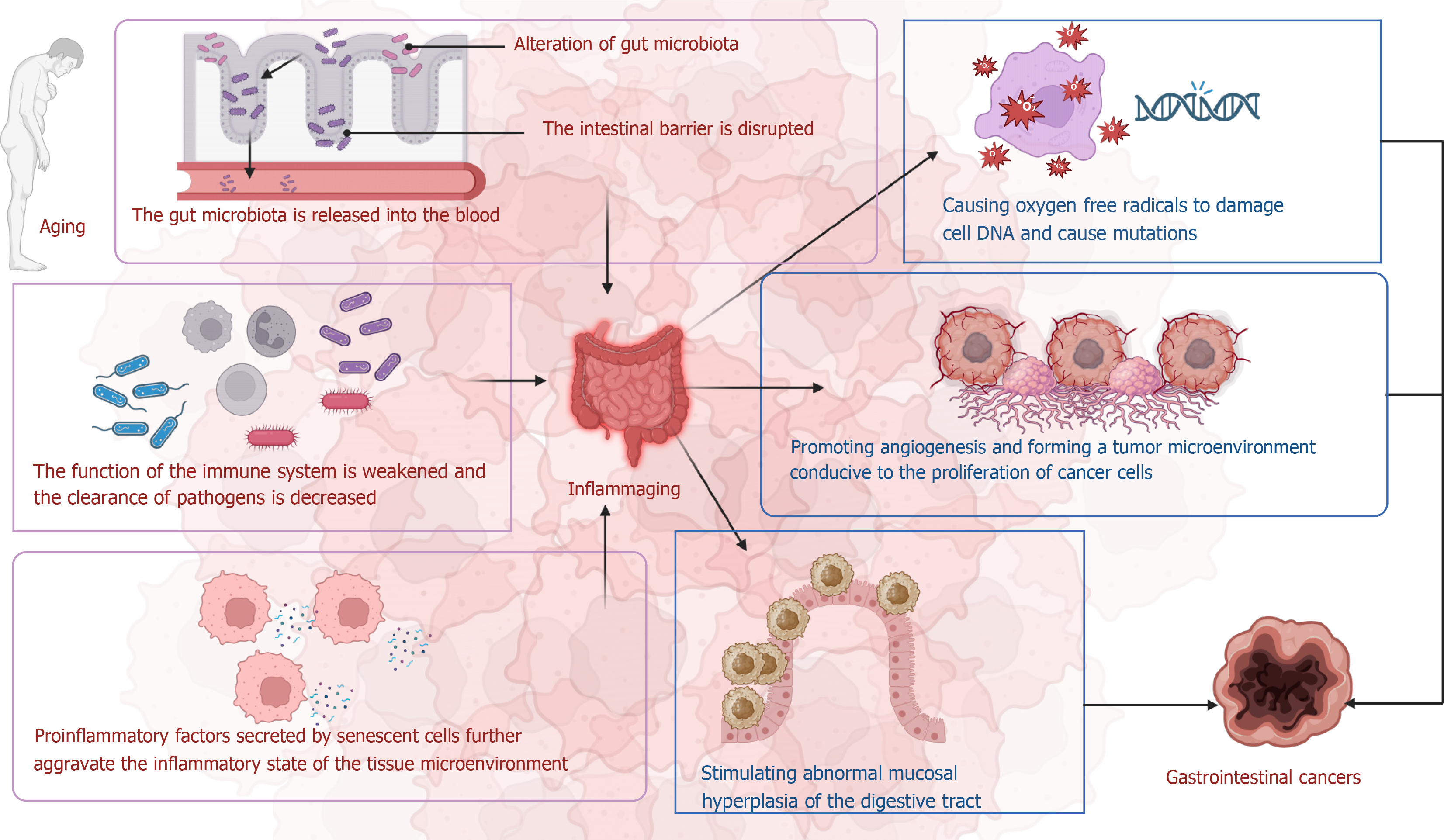
Figure 4 Relationship between aging-related inflammation and gastrointestinal tumors.
The occurrence of gastrointestinal tumors is closely related to gastrointestinal inflammation caused by aging. Inflammation impairs the integrity of the intestinal barrier, allowing microorganisms and metabolites to enter the bloodstream, along with oxygen free radicals that induce cellular DNA damage and mutations. Age-related decline in immune function is characterized by weakened immune function and decreased pathogen clearance. Senescent cells secrete pro-inflammatory factors, which aggravate the inflammation of the tissue microenvironment and synergize with angiogenesis to form a cancer-promoting microenvironment. The above pathological processes stimulate abnormal mucosal hyperplasia of the digestive tract and eventually lead to gastrointestinal cancer.
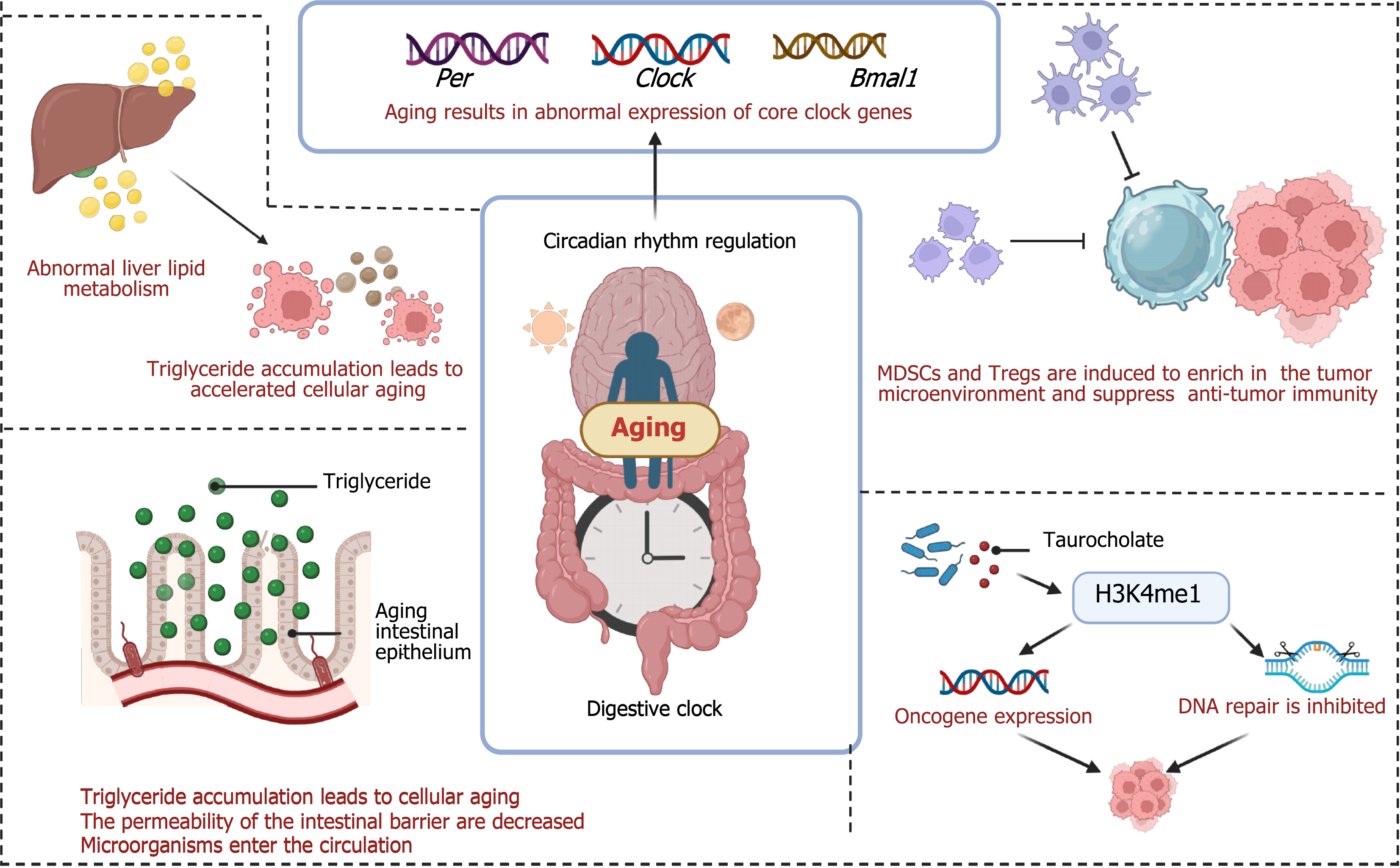
Figure 5 Disruption of circadian rhythms and gastrointestinal tumors.
The aging process induces the aberrant expression of core biological clock genes (Per/Clock/Bmal1), resulting in disrupted circadian rhythm regulation and consequent abnormalities in lipid metabolism in the liver, diminished intestinal barrier function, and immunosuppression within the tumor microenvironment. At the molecular level, this is evidenced by abnormal H3K4me1 histone modifications, activation of oncogenes, and suppression of DNA repair mechanisms. MDSCs: Myeloid-derived suppressor cells; Treg: Regulatory T cell.
- Citation: Xu X, Qu CK, Bao LL, Zhang YX, Wang WJ, Ye YQ. Bridge of imbalance: How does the brain-gut axis act as a catalyst for gastrointestinal tumors in aging. World J Gastroenterol 2026; 32(43): 121944
- URL: https://www.wjgnet.com/1007-9327/full/v32/i43/121944.htm
- DOI: https://dx.doi.org/10.3748/wjg.121944