
















Copyright: ©Author(s) 2026.
World J Gastroenterol. Nov 7, 2026; 32(41): 120028
Published online Nov 7, 2026. doi: 10.3748/wjg.120028
Published online Nov 7, 2026. doi: 10.3748/wjg.120028
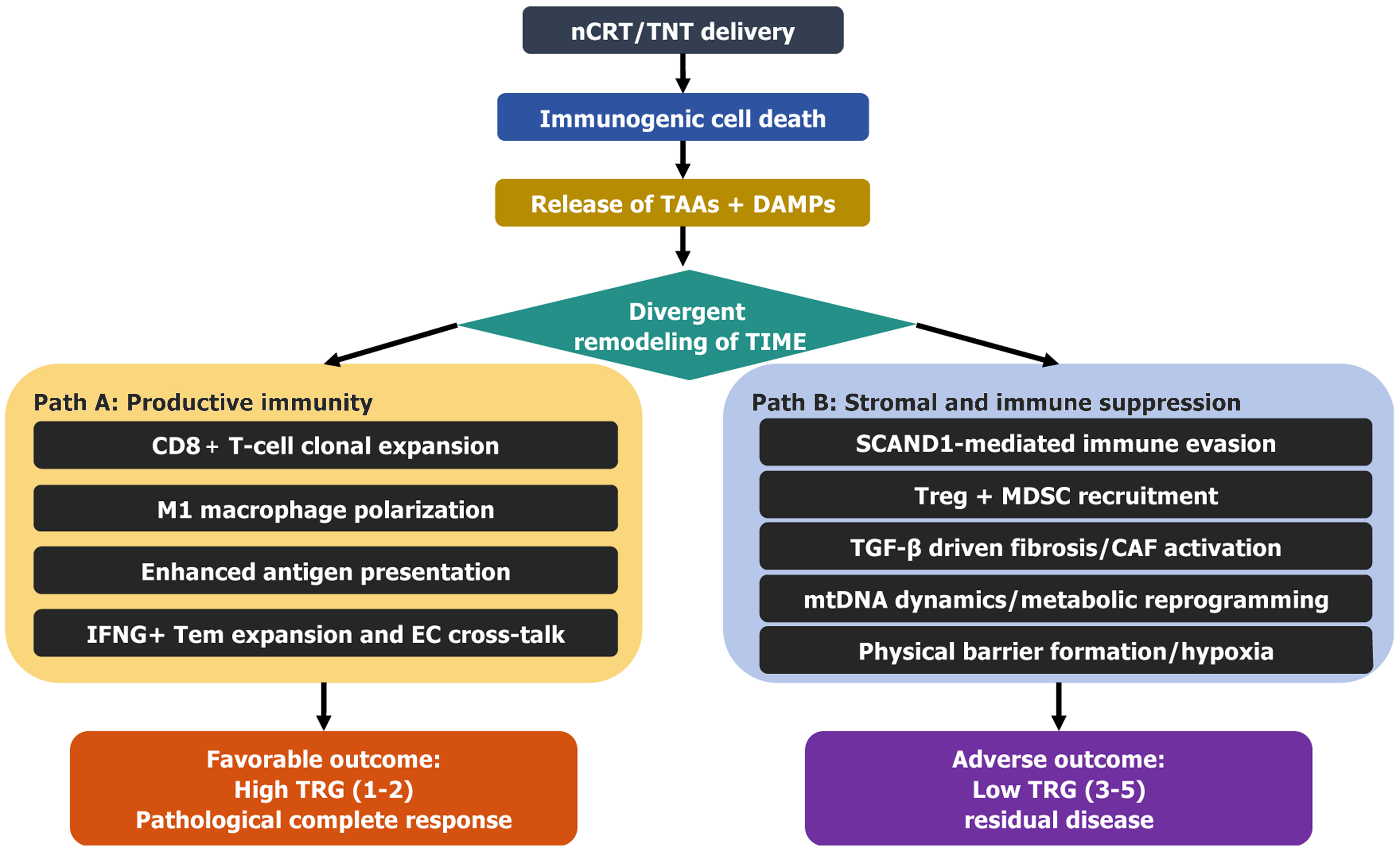
Figure 1 Dynamic remodeling of the primary tumor immune microenvironment following neoadjuvant chemoradiotherapy.
Neoadjuvant chemoradiotherapy or total neoadjuvant therapy initiates an antitumor immune response by inducing immunogenic cell death, which releases tumor-associated antigens and damage-associated molecular patterns. This process has been shown to stimulate CD8+ T-cell expansion, M1 macrophage polarization, and enhanced antigen presentation. Recent single-cell studies have identified a positive feedback loop between Interferon-gamma+ effector memory T cell and atypical chemokine receptor 1+ endothelial cells that potentiates antitumor immunity. However, neoadjuvant chemoradiotherapy simultaneously activates robust immunosuppressive pathways, including transforming growth factor-β-driven fibrosis, cancer-associated fibroblast activation, regulatory T cell and myeloid-derived suppressor cell recruitment, and SCAN-domain-containing protein 1-mediated immune evasion. Mitochondrial DNA dynamics add further to metabolic reprogramming and tumor aggressiveness. The equilibrium between these opposing forces is a pivotal factor in determining the tumor regression grade, thereby signifying the spatial variation of the primary tumor response. nCRT: Neoadjuvant chemoradiotherapy; TNT: Total neoadjuvant therapy; TAAs: Tumor-associated antigens; DAMPs: Damage-associated molecular patterns; TIME: Tumor immune microenvironment; IFNG: Interferon-gamma; EC: Endothelial cell; TRG: Tumor regression grade; SCAND1: SCAN-domain-containing protein 1; MDSC: Myeloid-derived suppressor cell; TGF: Transforming growth factor; CAF: Cancer-associated fibroblast; mtDNA: Mitochondrial DNA; Tem: Effector memory T cell; Treg: Regulatory T cell.
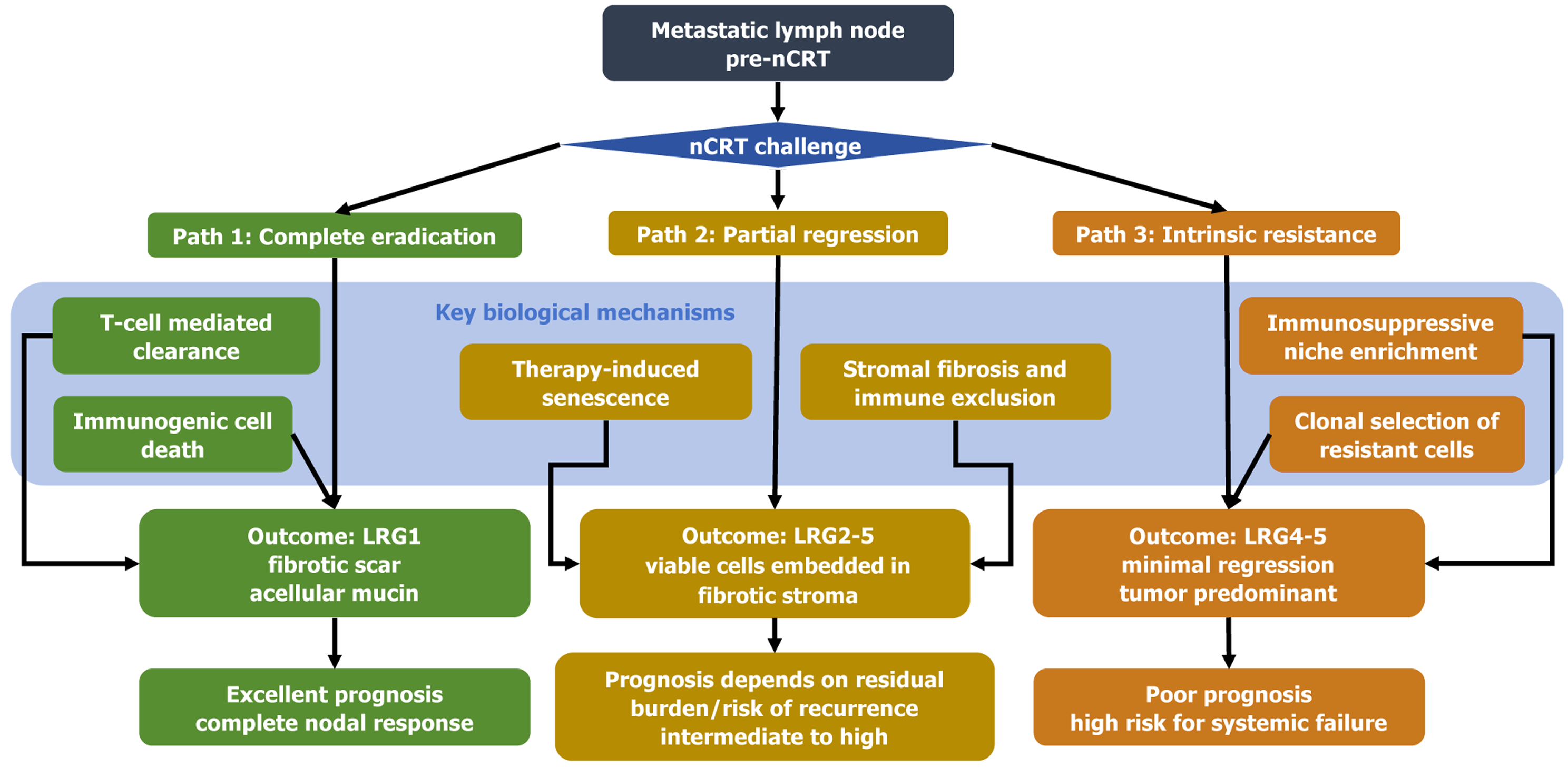
Figure 2 Spectrum of lymph node responses to neoadjuvant chemoradiotherapy and the biological significance of lymph node regr
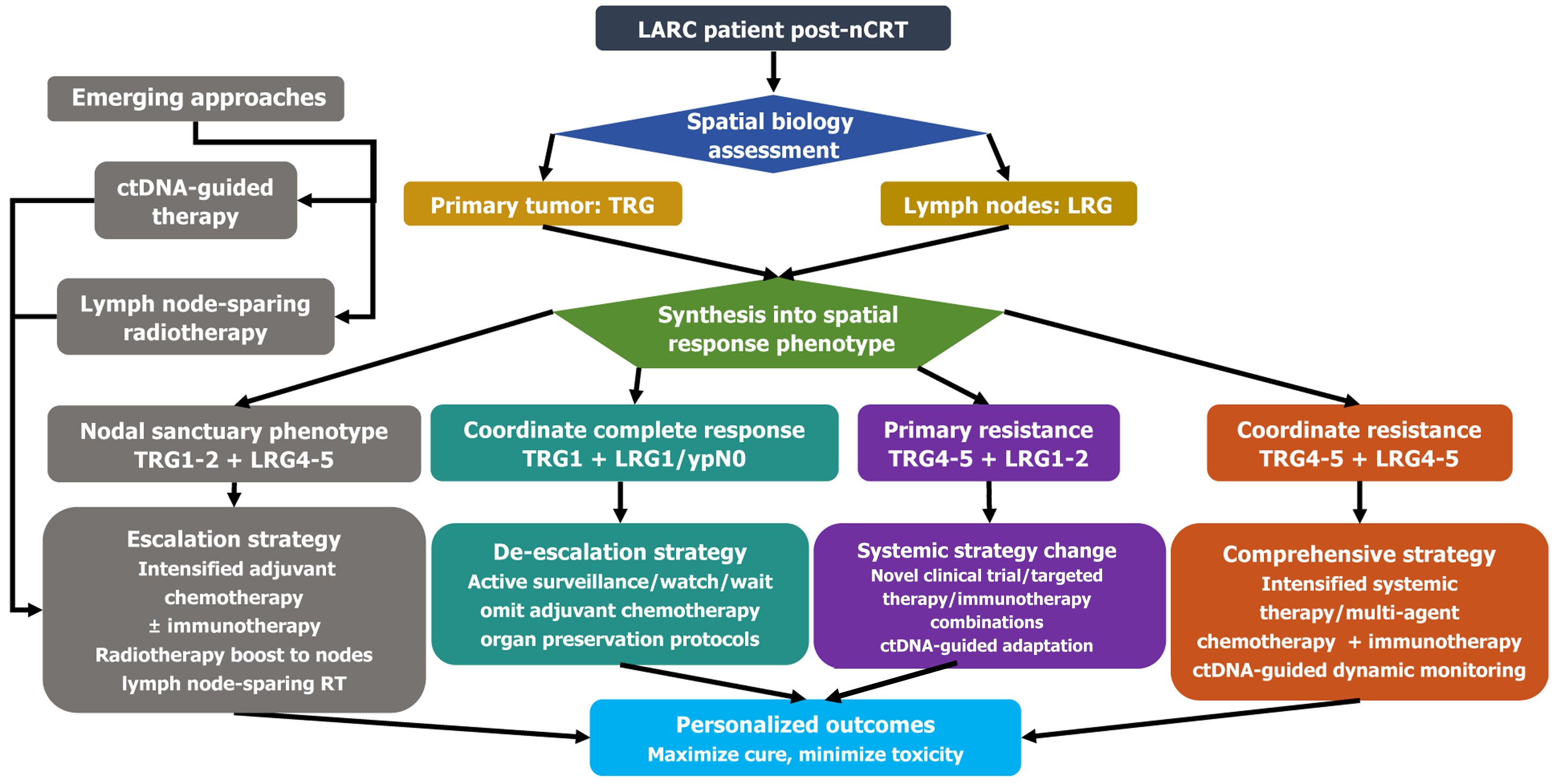
Figure 3 Spatial biology-informed precision oncology treatment pipeline for locally advanced rectal cancer.
The integration of primary tumor regression grade (TRG) and lymph node regression grade (LRG) enables the classification of patients with locally advanced rectal cancer into four distinct spatial response phenotypes: (1) Coordinate complete response (TRG1 + LRG1 or pathological lymph node stage 0); (2) Nodal sanctuary phenotype (TRG1-2 + LRG4-5); (3) Primary resistance (TRG4-5 + LRG1-2); and (4) Coordinate resistance (TRG4-5 + LRG4-5). Each distinct phenotype is associated with a unique therapeutic strategy. Patients exhibiting a coordinated complete response may be considered for treatment de-escalation, encompassing active surveillance or the omission of adjuvant chemotherapy. The nodal sanctuary phenotype is characterised by discordant response, whereby the primary tumor responds well but nodal disease persists. This requires escalation of treatment, including intensified adjuvant chemotherapy, combination immunotherapy, a radiotherapy boost to residual nodes, or emerging lymph node-sparing radiotherapy approaches. Primary resistance and coordinate resistance phenotypes mandate enrolment in novel clinical trials exploring targeted therapy or immunotherapy combinations, frequently guided by circulating tumor DNA dynamic monitoring. Emerging approaches, including circulating tumor DNA-guided therapy, lymph node-sparing radiotherapy and spatial multi-omics profiling, are currently being validated in clinical trials, suggesting potential for further development of the current precision oncology framework. LARC: Locally advanced rectal cancer; nCRT: Neoadjuvant chemoradiotherapy; ctDNA: Circulating tumor DNA; TRG: Tumor regression grade; LRG: Lymph node regression grade; RT: Radiotherapy.
- Citation: Wang RG. Tumor-node response heterogeneity: Exploring the “spatial biology” of neoadjuvant therapy response in rectal cancer and its clinical implications. World J Gastroenterol 2026; 32(41): 120028
- URL: https://www.wjgnet.com/1007-9327/full/v32/i41/120028.htm
- DOI: https://dx.doi.org/10.3748/wjg.120028