
















Copyright: ©Author(s) 2026.
World J Gastroenterol. Oct 21, 2026; 32(39): 120167
Published online Oct 21, 2026. doi: 10.3748/wjg.120167
Published online Oct 21, 2026. doi: 10.3748/wjg.120167
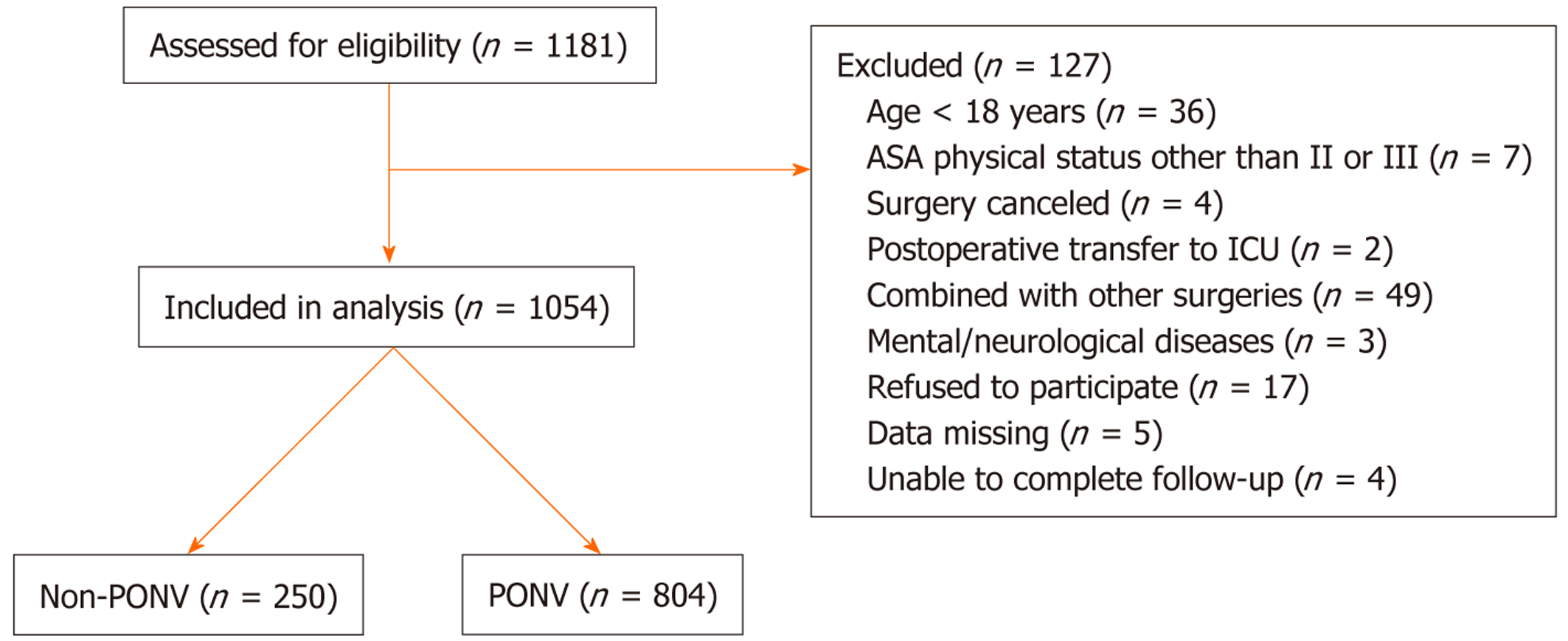
Figure 1 Flowchart of patient enrollment and exclusion.
ASA: American society of Anesthesiologists; ICU: Intensive care unit; PONV: Postoperative nausea and vomiting.
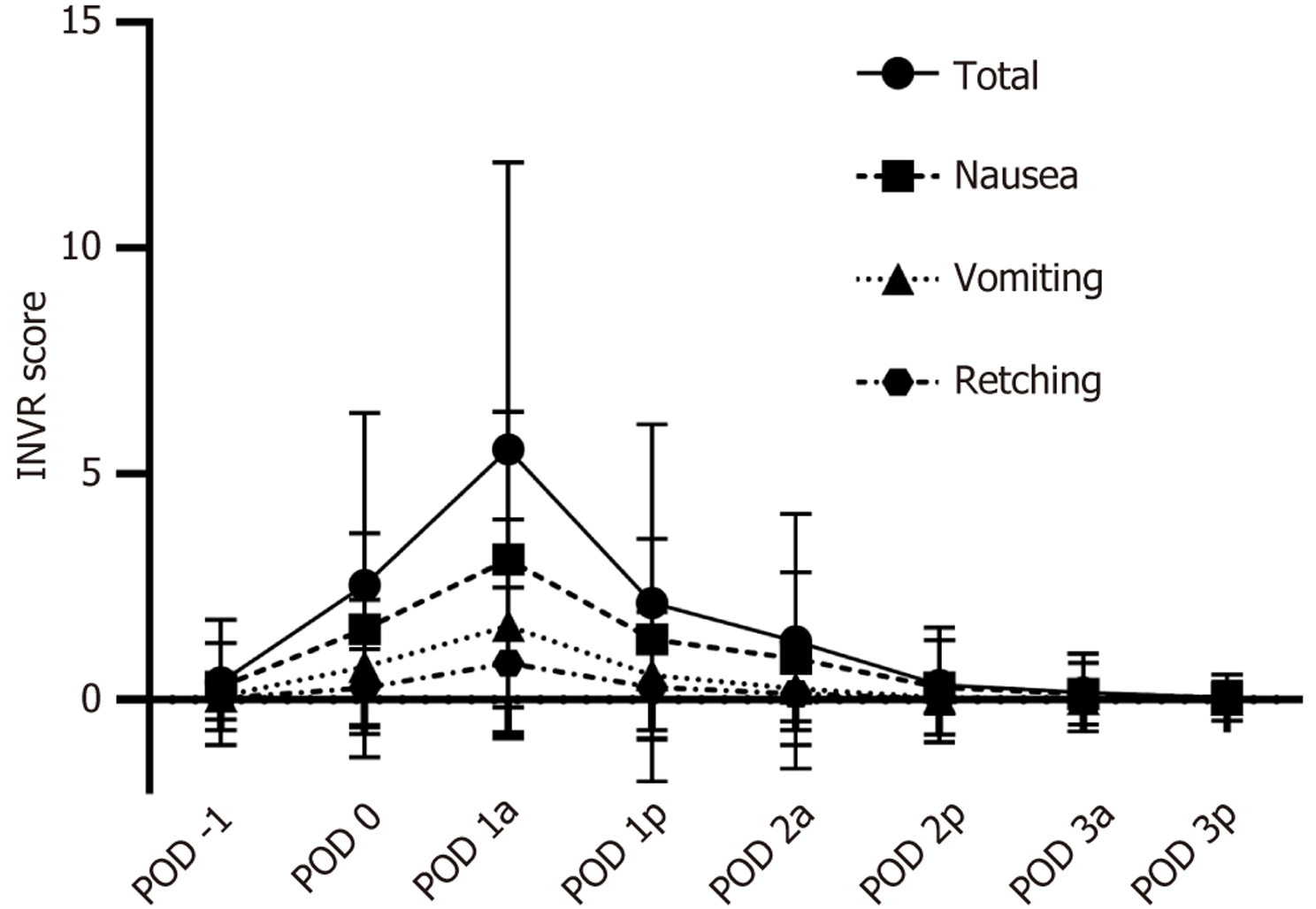
Figure 2 Trends in Index of Nausea, Vomiting, and Retching scores.
Postoperative day (POD)-1, POD 0, and POD 1a, etc., represent the preoperative day, the day of surgery, and PODs 1, 2, 3, etc., respectively. The suffixes “a” and “p” denote assessment times of 8:00 and 20:00, respectively. INVR: Index of Nausea, Vomiting, and Retching; POD: Postoperative day.
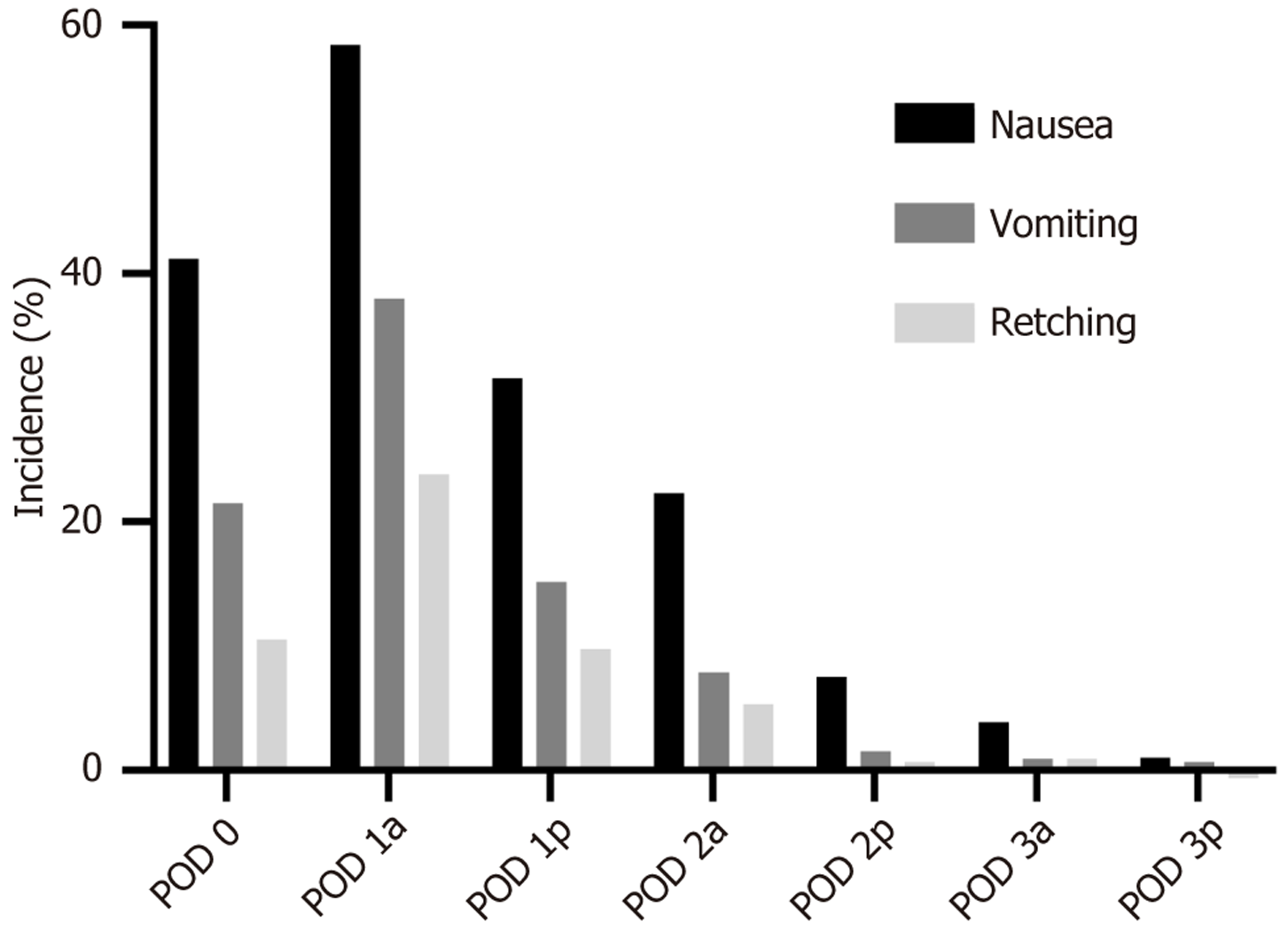
Figure 3 Time course of postoperative nausea, vomiting, and retching.
Postoperative day (POD) 0, POD 1a, POD 1p, etc., represent the day of surgery, POD 1 at 8:00, and POD 1 at 20:00, etc., respectively. The suffixes “a” and “p” denote assessment times of 8:00 and 20:00, respectively. POD: Postoperative day.
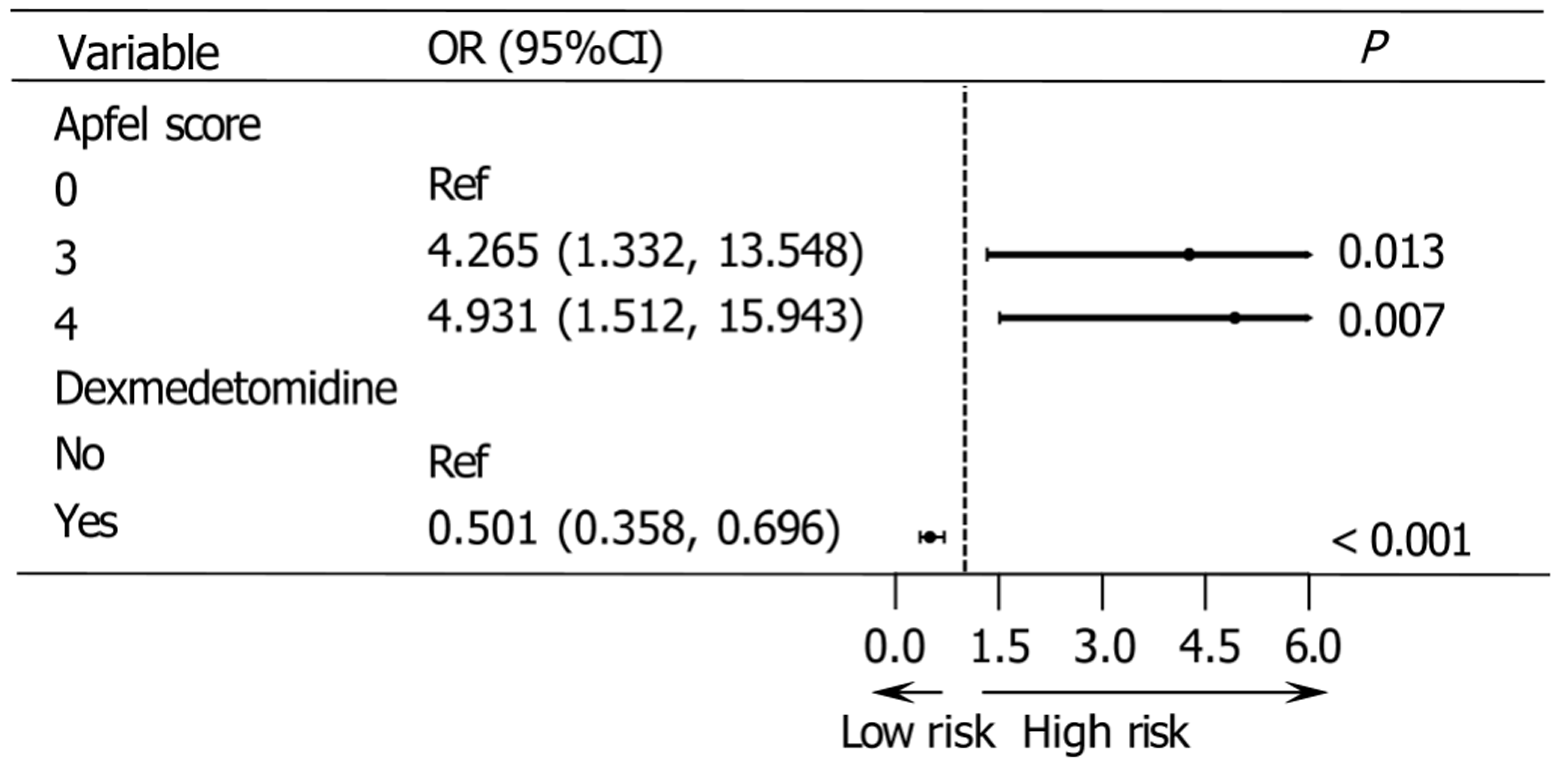
Figure 4 Forest plot of multivariable logistic regression analysis for factors associated with postoperative nausea and vomiting.
Multi
- Citation: Yang GY, Zhang XF, Zhao X, Qu H, Zhou P, Wang Y, Tu SM, Xia ZY, Chu QJ. Postoperative nausea and vomiting after laparoscopic sleeve gastrectomy: A prospective cohort study. World J Gastroenterol 2026; 32(39): 120167
- URL: https://www.wjgnet.com/1007-9327/full/v32/i39/120167.htm
- DOI: https://dx.doi.org/10.3748/wjg.120167