
















Copyright: ©Author(s) 2026.
World J Gastroenterol. Sep 14, 2026; 32(34): 120518
Published online Sep 14, 2026. doi: 10.3748/wjg.v32.i34.120518
Published online Sep 14, 2026. doi: 10.3748/wjg.v32.i34.120518
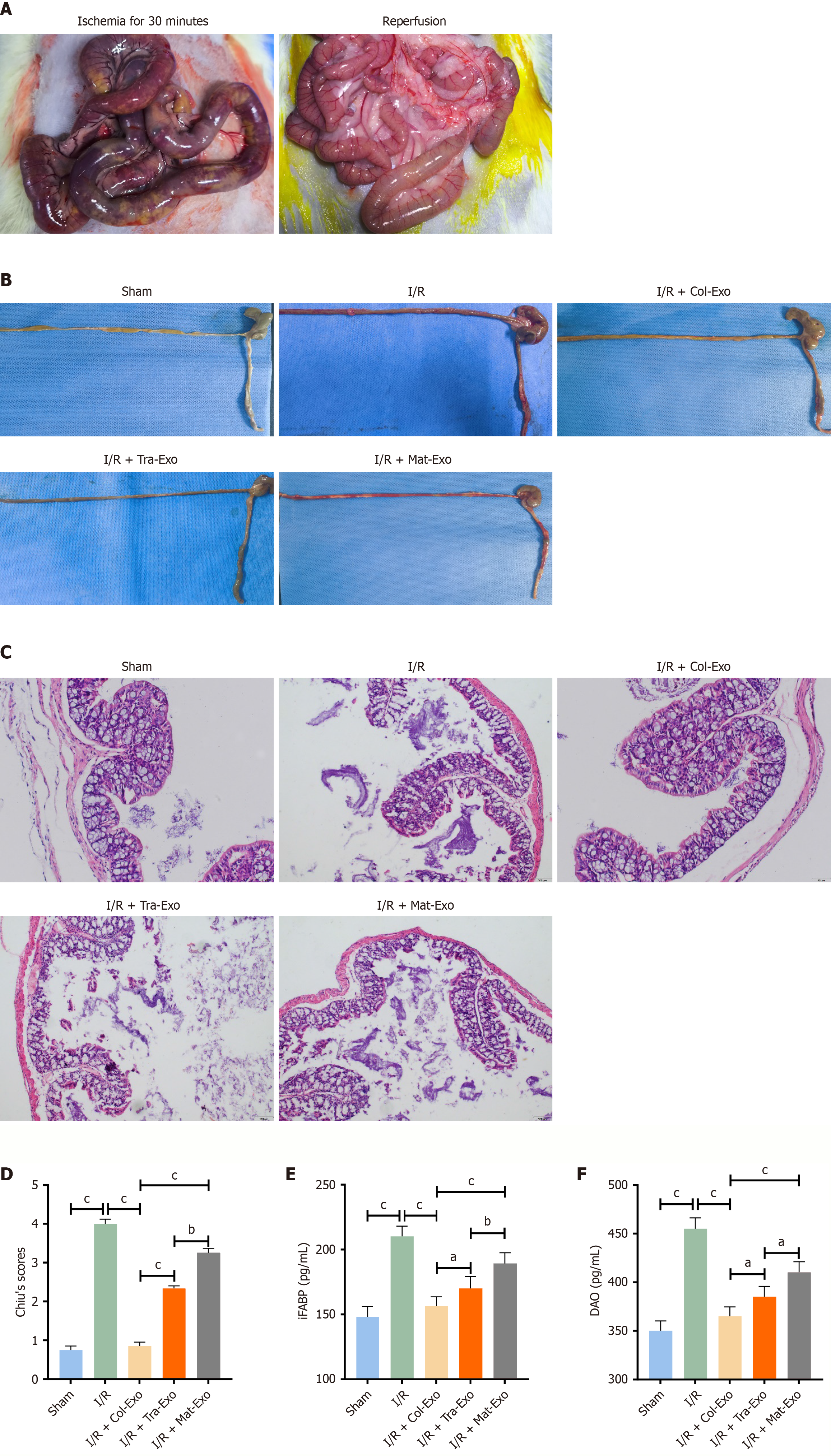
Figure 1 Human milk exosomes alleviate intestinal injury in neonatal rats with ischemia/reperfusion.
A: Neonatal rat intestinal ischemia-reperfusion model; B: Representative macroscopic images of intestinal segments; C: Hematoxylin and eosin staining of ileal sections (scale bar = 50 μm; × 400); D: Chiu’s score for intestinal mucosal injury; E and F: Serum levels of intestinal barrier injury markers diamine oxidase and intestinal fatty acid binding protein. aP < 0.05, bP < 0.01, cP < 0.001. I/R: Ischemia-reperfusion; iFABP: Intestinal fatty acid binding protein; DAO: Diamine oxidase.
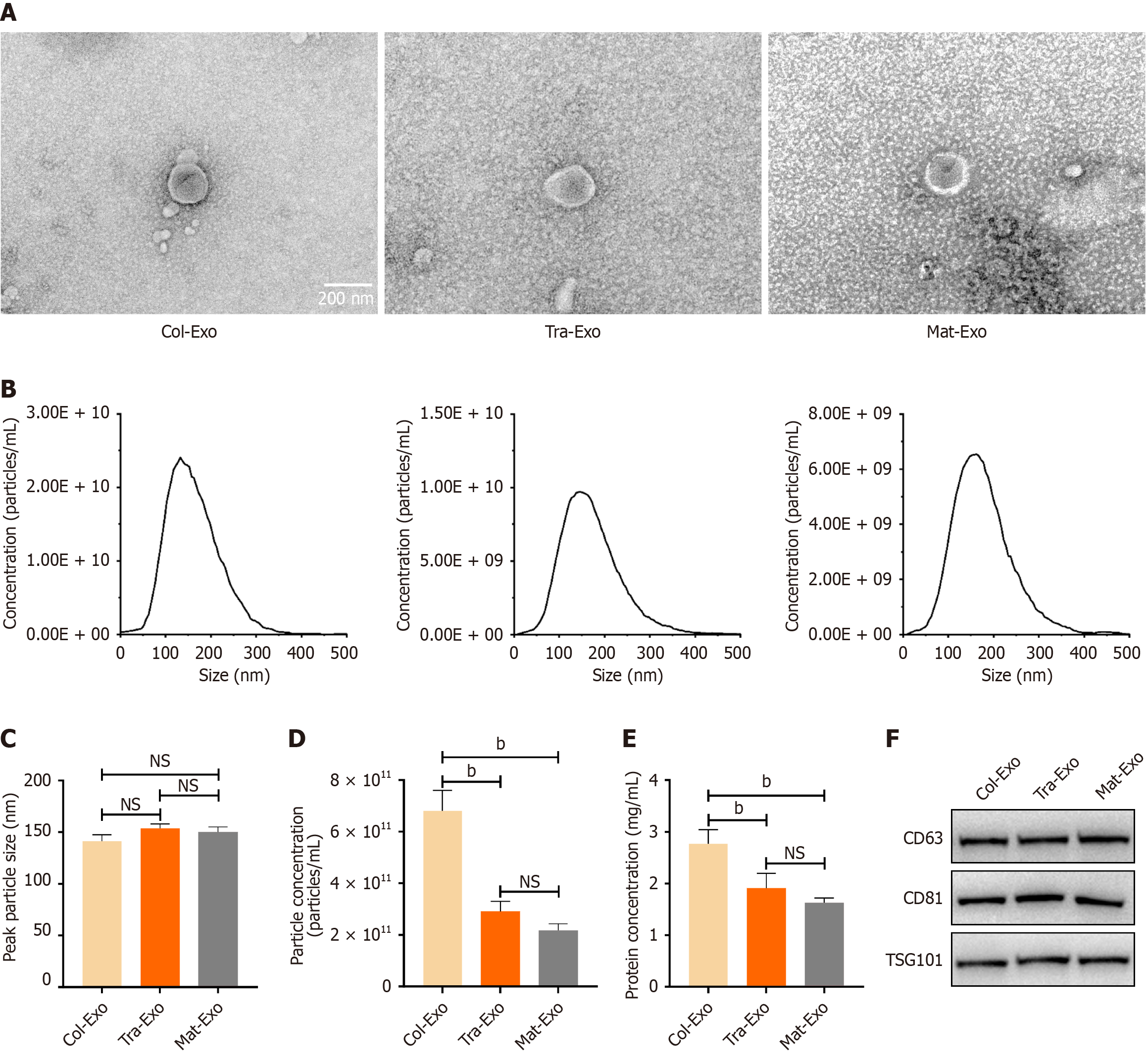
Figure 2 Identification of extracellular vesicles derived from breast milk at different lactation stages.
A: Representative transmission electron microscopy images showing Col-Exo, Tra-Exo, and Mat-Exo (scale bar = 200 nm); B: Nanoparticle tracking analysis showed the size distribution characteristics of extracellular vesicles at different stages; C: Peak particle size; D: Particle concentration; E: Protein concentration; F: Western blot analysis of extracellular vesicle markers CD63, CD81, and tumor susceptibility gene 101. bP < 0.01. NS: Not significant; TSG101: Tumor susceptibility gene 101.
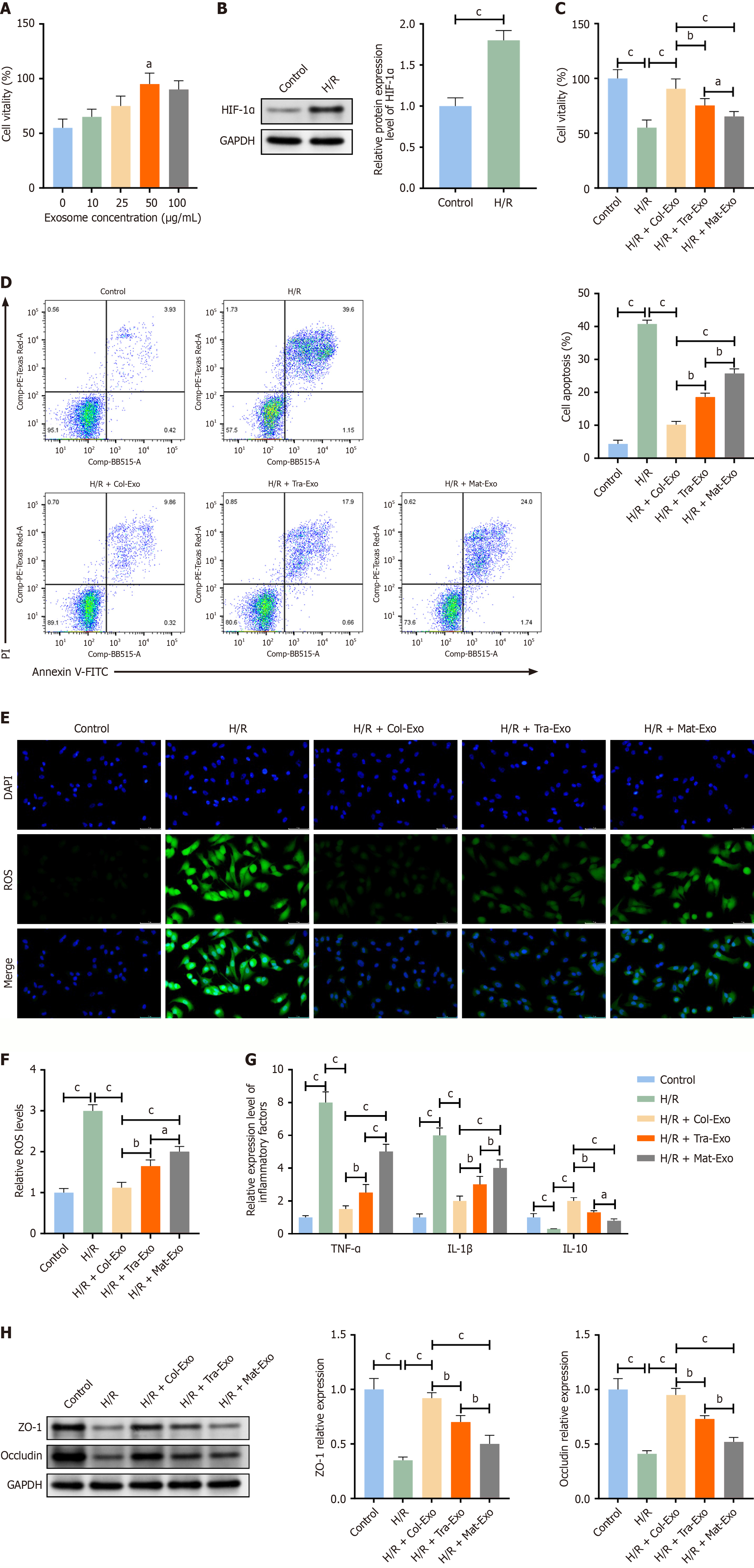
Figure 3 Protective effects of stage - specific exosomes derived from human milk on Caco-2 cells subjected to hypoxia/reoxygenation injury.
A: Cell viability assessed by CCK-8 assay to determine the optimal exosome concentration; B: Western blot analysis of hypoxia-inducible factor-1α expression; C: Cell viability under hypoxia/reoxygenation injury with or without exosome treatment; D: Apoptosis rates detected by Annexin V-FITC/PI staining; E: Representative fluorescence images of intracellular reactive oxygen species levels (scale bar = 50 μm; × 400); F: Quantification of reactive oxygen species fluorescence intensity; G: Levels of tumor necrosis factor-α, interleukin-1β, and interleukin-10 in cell supernatants; H: Western blot analysis of tight junction proteins zonula occludens-1 and occludin. aP < 0.05, bP < 0.01, cP < 0.001. HIF-1α: Hypoxia-inducible factor-1α; IL: Interleukin; H/R: Hypoxia/reoxygenation; ROS: Reactive oxygen species; ZO-1: Zonula occludens-1.
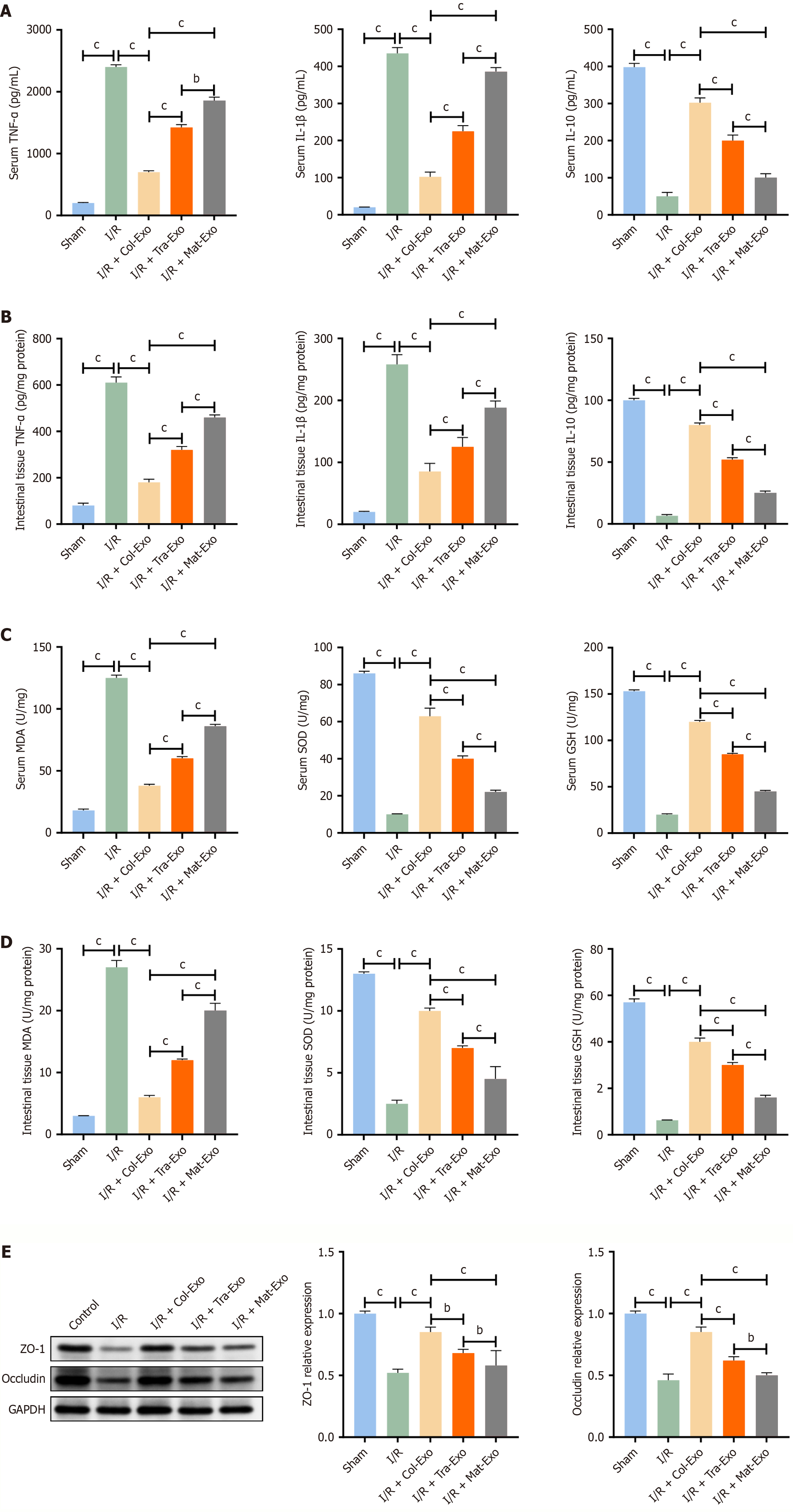
Figure 4 Effects of human milk exosomes on inflammation, oxidative stress, and tight junction proteins in ischemia-reperfusion rats.
A: Levels of tumor necrosis factor-α, interleukin (IL)-1β, and IL-10 in serum; B: Levels of tumor necrosis factor-α, IL-1β, and IL-10 in intestinal tissues; C: Levels of malondialdehyde, superoxide dismutase, and glutathione in serum; D: Levels of malondialdehyde, superoxide dismutase, and glutathione in intestinal tissues; E: Western blot analysis of zonula occludens-1 and Occludin expression in intestinal tissues. bP < 0.01, cP < 0.001. TNF-α: Tumor necrosis factor-α; IL: Interleukin; I/R: Ischemia-reperfusion; MDA: Malondialdehyde; SOD: Superoxide dismutase; GSH: Glutathione; ZO-1: Zonula occludens-1.
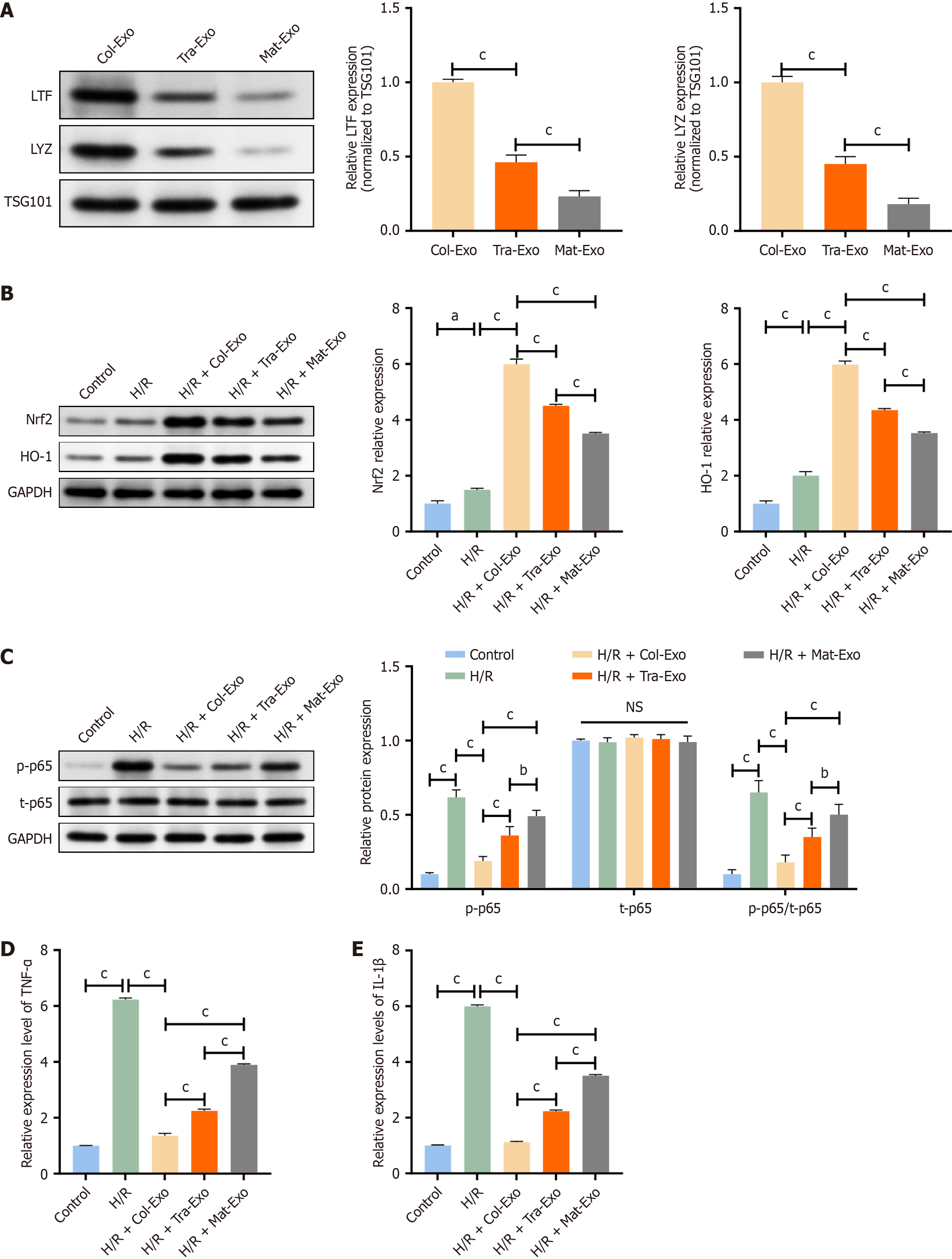
Figure 5 Differential expression of lactoferrin and lysozyme in stage-specific exosomes and their regulation of nuclear factor erythroid 2-related factor 2/heme oxygenase-1 and nuclear factor kappa B pathways.
A: Western blot analysis of lactoferrin and lysozyme in Col-Exo, Tra-Exo, and Mat-Exo; B: Protein expression of nuclear factor erythroid 2-related factor 2 and heme oxygenase-1; C: Phosphorylation level of nuclear factor kappa B p65 (p-p65/t-p65); D and E: Levels of tumor necrosis factor-α and interleukin-1β in cell supernatants. aP < 0.05. bP < 0.01. cP < 0.001. NS: Not significant; LTF: Lactoferrin; LYZ: Lysozyme; H/R: Hypoxia/reoxygenation; Nrf2: Nuclear factor erythroid 2-related factor 2; HO-1: Heme oxygenase-1; TNF-α: Tumor necrosis factor-α; IL-1β: Interleukin-1β.
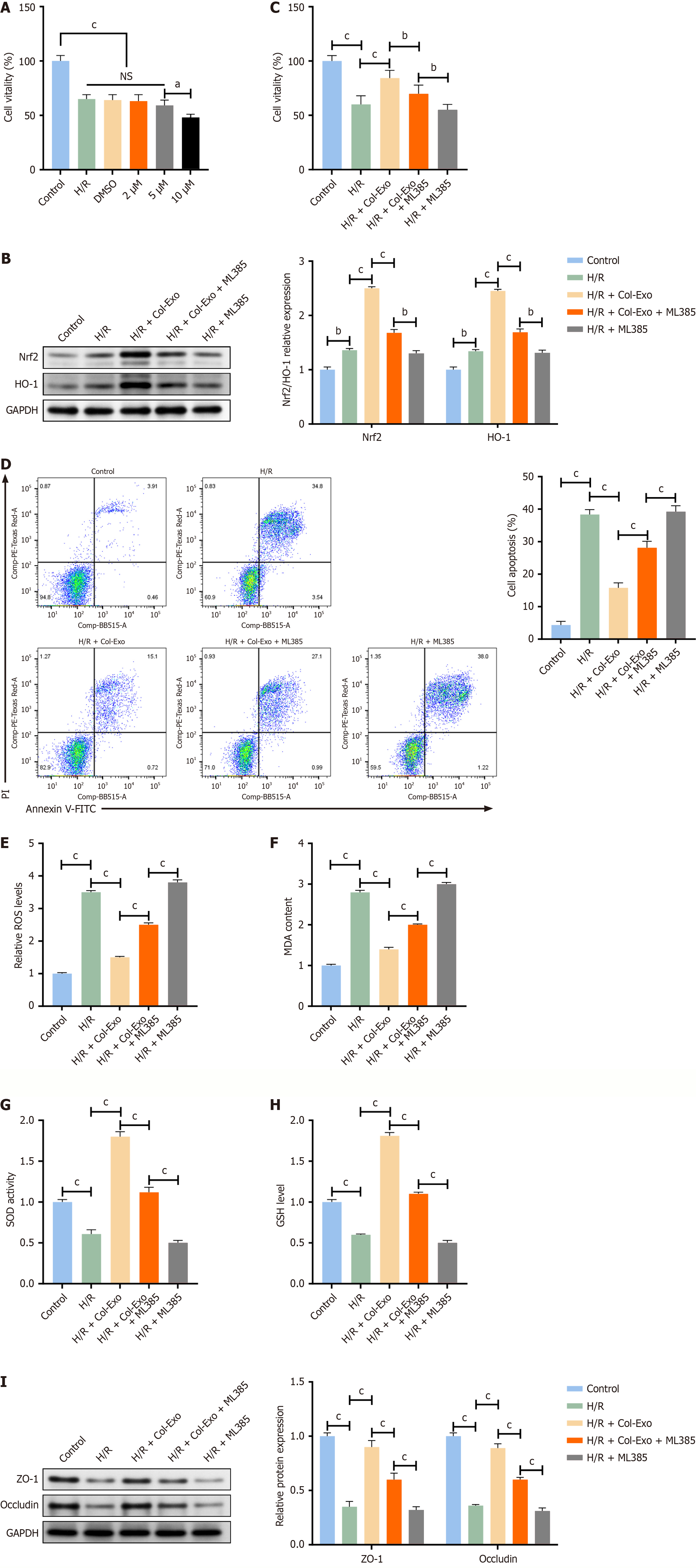
Figure 6 Nuclear factor erythroid 2-related factor 2 pathway is required for the protective effects of colostrum exosomes.
A: Cell viability under different concentrations of ML385; B: Western blot analysis of nuclear factor erythroid 2-related factor 2 and heme oxygenase-1 expression; C: Cell viability assessed by CCK-8; D: Apoptosis rates measured by flow cytometry; E: Reactive oxygen species levels; F: Malondialdehyde content; G: Superoxide dismutase activity; H: Glutathione levels; I: Western blot analysis of zonula occludens-1 and occludin. aP < 0.05, bP < 0.01, cP < 0.001. NS: Not significant; H/R: Hypoxia/reoxygenation; Nrf2: Nuclear factor erythroid 2-related factor 2; HO-1: Heme oxygenase-1; ROS: Reactive oxygen species; MDA: Malondialdehyde; SOD: Superoxide dismutase; GSH: Glutathione; ZO-1: Zonula occludens-1.
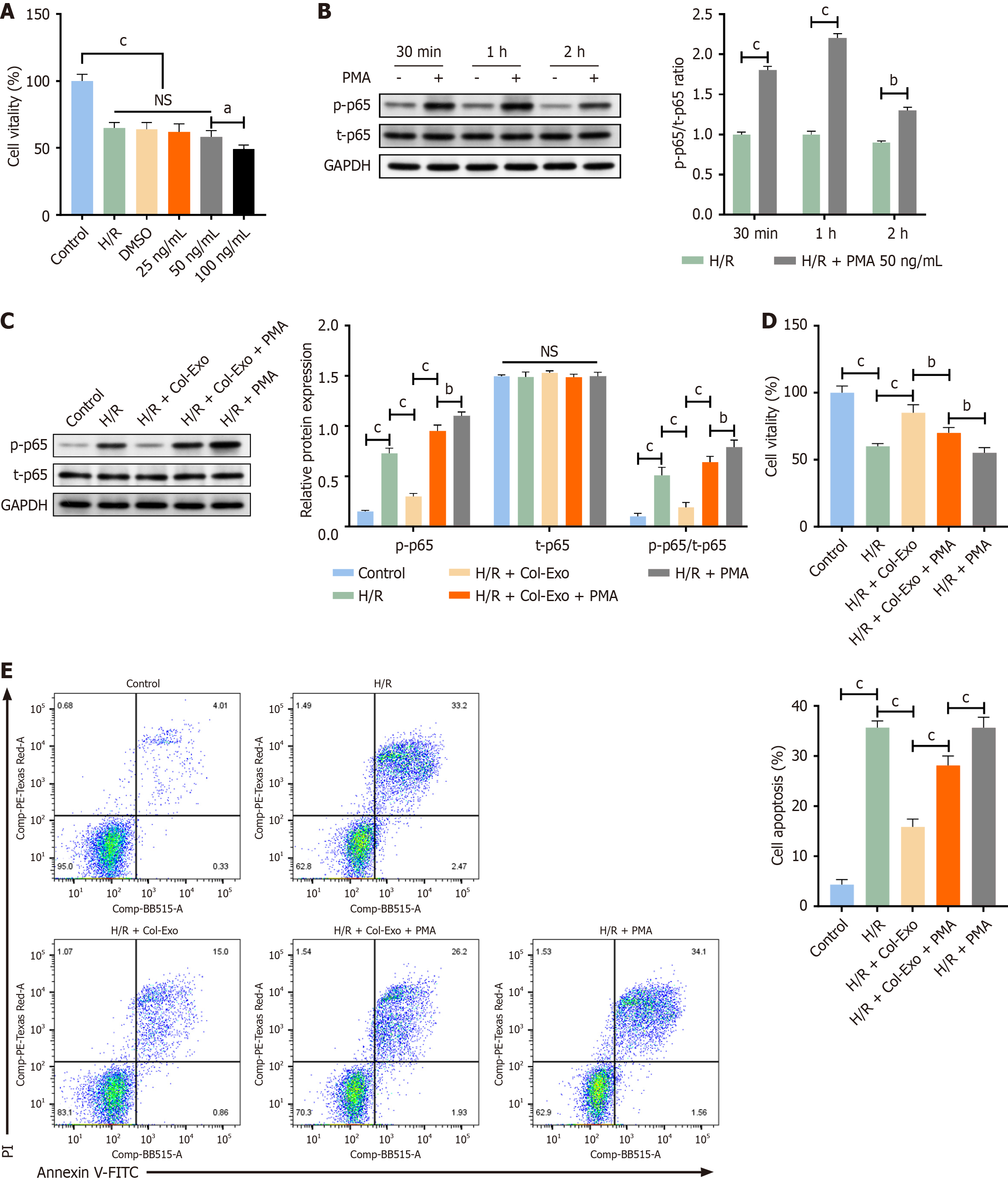
Figure 7 Nuclear factor kappa B pathway inhibition mediates the anti-inflammatory effects of colostrum exosomes.
A: Cell viability under different concentrations of PMA; B: Quantitative analysis of p-p65/t-p65 ratio after PMA stimulation at indicated time points; C: Western blot analysis of p-p65 and t-p65; D: Cell viability by CCK-8; E: Apoptosis rates by flow cytometry. aP < 0.05, bP < 0.01, cP < 0.001. NS: Not significant; H/R: Hypoxia/reoxygenation.
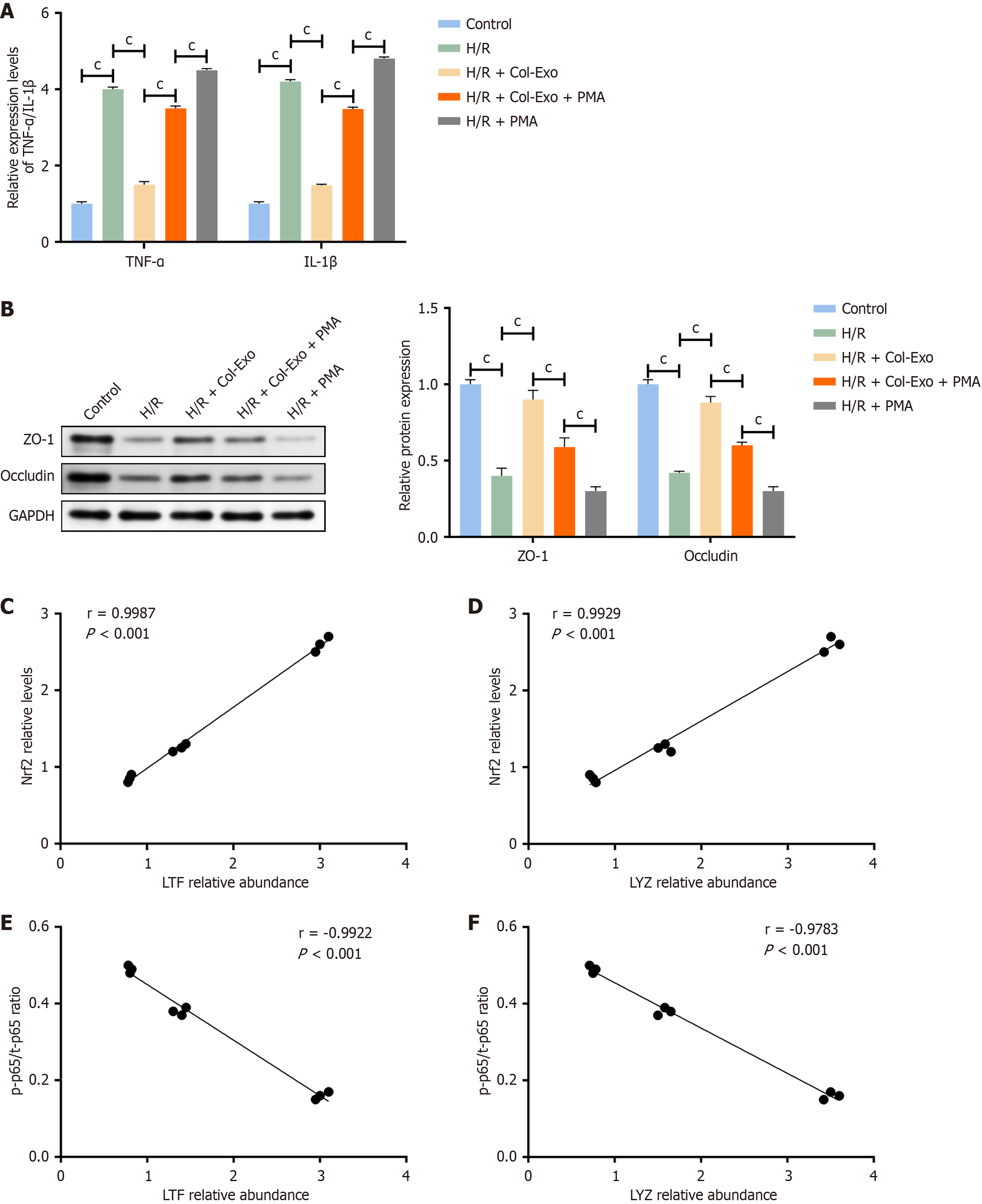
Figure 8 Lactoferrin and lysozyme abundance correlates with pathway activity and barrier protection.
A: Levels of tumor necrosis factor-α and interleukin-1β in cell supernatants; B: Western blot analysis of zonula occludens-1 and occludin; C and D: Pearson correlation analysis between lactoferrin/Lysozyme protein abundance and nuclear factor erythroid 2-related factor 2 expression; E and F: Pearson correlation analysis between lactoferrin/Lysozyme protein abundance and p-p65/t-p65 ratio. cP < 0.001. TNF-α: Tumor necrosis factor-α; IL-1β: Interleukin-1β; H/R: Hypoxia/reoxygenation; Nrf2: Nuclear factor erythroid 2-related factor 2; ZO-1: Zonula occludens-1; LTF: Lactoferrin; LYZ: Lysozyme.
- Citation: Yang G, Liu L. Lactation stage-dependent protective effects of human milk exosomes against intestinal ischemia-reperfusion injury via lactoferrin/lysozyme-mediated Nrf2/HO-1 and NF-κB pathways. World J Gastroenterol 2026; 32(34): 120518
- URL: https://www.wjgnet.com/1007-9327/full/v32/i34/120518.htm
- DOI: https://dx.doi.org/10.3748/wjg.v32.i34.120518