
















Copyright: ©Author(s) 2026.
World J Gastroenterol. Aug 28, 2026; 32(32): 119965
Published online Aug 28, 2026. doi: 10.3748/wjg.119965
Published online Aug 28, 2026. doi: 10.3748/wjg.119965
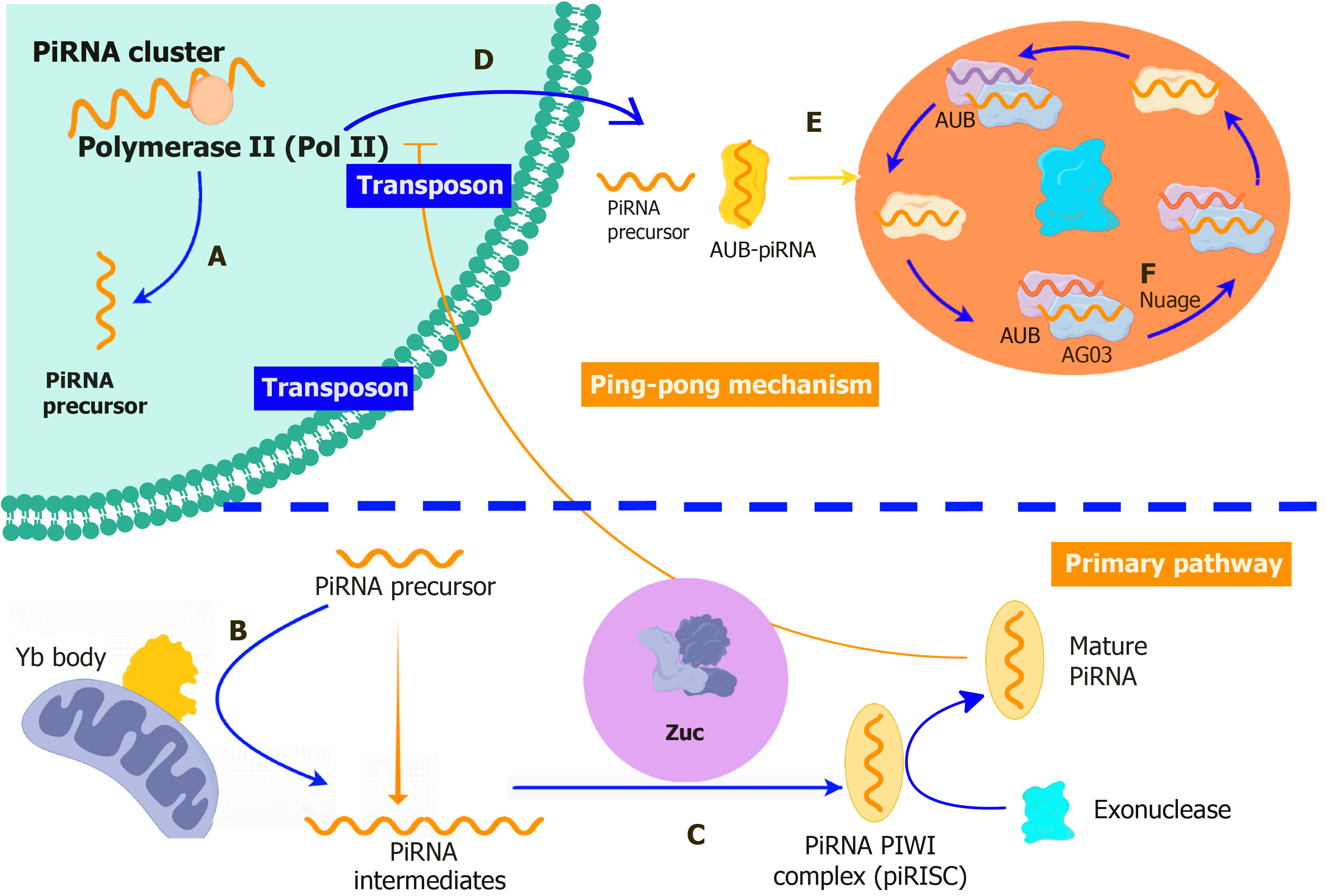
Figure 1 P-element-induced wimpy testis-interacting RNA synthesis mechanism.
A: Within the cell nucleus, double-stranded P-element-induced wimpy testis (PIWI)-interacting RNA clusters undergo transcription processes to generate PIWI-interacting RNA (PiRNA) precursors, which can further participate in post-transcriptional silencing regulation; B: In mitochondria-associated processes, Zucchini endoribonuclease protein facilitates the processing of PiRNA precursors into intermediate PiRNA molecules. These intermediates form PiRNA/PIWI complexes with PIWI protein, enabling protein interactions in the nucleus or cytoplasm and post-transcriptional silencing; C: Transposon-related sequences contribute to the generation of PiRNA precursors, which subsequently enter subsequent pathways such as the ping-pong mechanism; D: In the ping-pong mechanism, Aubergine (AUB) protein binds to PiRNA to form AUB-PiRNA complexes; E: These AUB-PiRNA complexes interact with Argonaute 3 protein and other factors, achieving target transposon sequence silencing and PiRNA sequence amplification through the ping-pong cycle, thereby maintaining PiRNA biosynthesis and functional regulation; F: AUB-piRNA complexes participate in the ping-pong cycle with AGO3 to cleave transposon transcripts, amplifying piRNA pools and reinforcing transposon silencing. AGO3: Argonaute 3; Aub: Aubergine; piRISC: P-element-induced wimpy testis-interacting RNA-induced silencing complex; PiRNA: P-element-induced wimpy testis-interacting RNA; PIWI: P-element-induced wimpy testis; Zuc: Zucchini endoribonuclease.
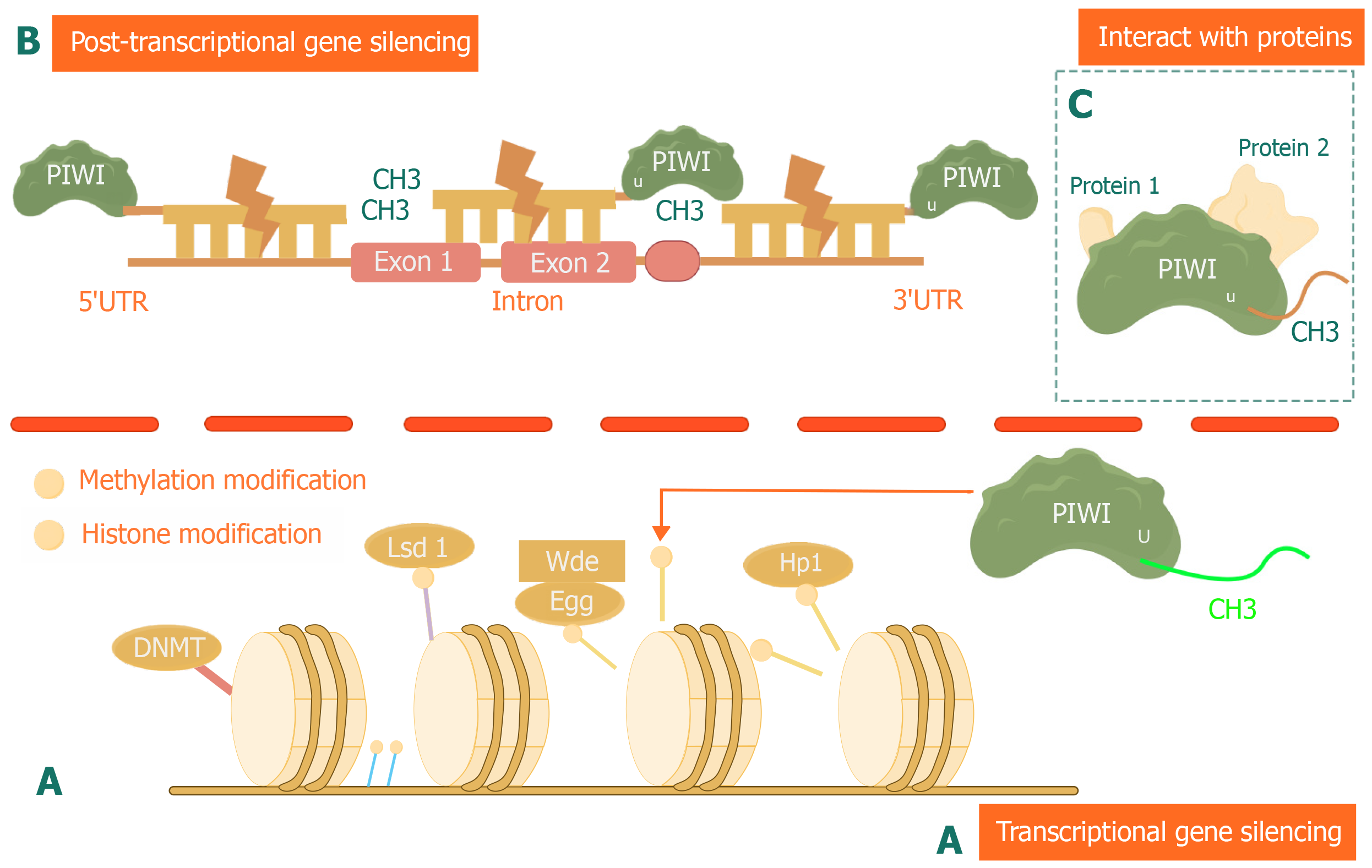
Figure 2 P-element-induced wimpy testis-interacting RNA biological functions.
A: Transcriptional gene silencing (TGS): P-element-induced wimpy testis (PIWI)-initiated signals recruit regulatory factors to nucleosomal chromatin, thereby driving chromatin condensation into heterochromatin and repressing gene transcription; B: Post-transcriptional gene silencing (PTGS): PIWI proteins associate with mRNA molecules (spanning 5'UTR, exons, intron, and 3'UTR regions), and coordinate with modifications to inhibit gene expression at the post-transcriptional stage (via translational repression or mRNA degradation); C: PIWI-protein interactions: PIWI proteins engage in protein–protein interactions with protein 1 and protein 2 through their structural motifs; this process supports their regulatory functions in both TGS and PTGS. PiRNA: P-element-induced wimpy testis-interacting RNA; PIWI: P-element-induced wimpy testis; UTR: Untranslated region; DNMT: DNA methyltransferases.
- Citation: Liu YW, Chen YK, Yan JY, Shen H, Mai FM, Kong ZH, Chen HL, Li LP, Liu WP, Gao Y, Zhang L. P-element-induced wimpy testis-interacting RNA: A biomarker for gastric cancer diagnosis, progression, and prognosis. World J Gastroenterol 2026; 32(32): 119965
- URL: https://www.wjgnet.com/1007-9327/full/v32/i32/119965.htm
- DOI: https://dx.doi.org/10.3748/wjg.119965