
















Copyright: ©Author(s) 2026.
World J Gastroenterol. Aug 28, 2026; 32(32): 119744
Published online Aug 28, 2026. doi: 10.3748/wjg.119744
Published online Aug 28, 2026. doi: 10.3748/wjg.119744
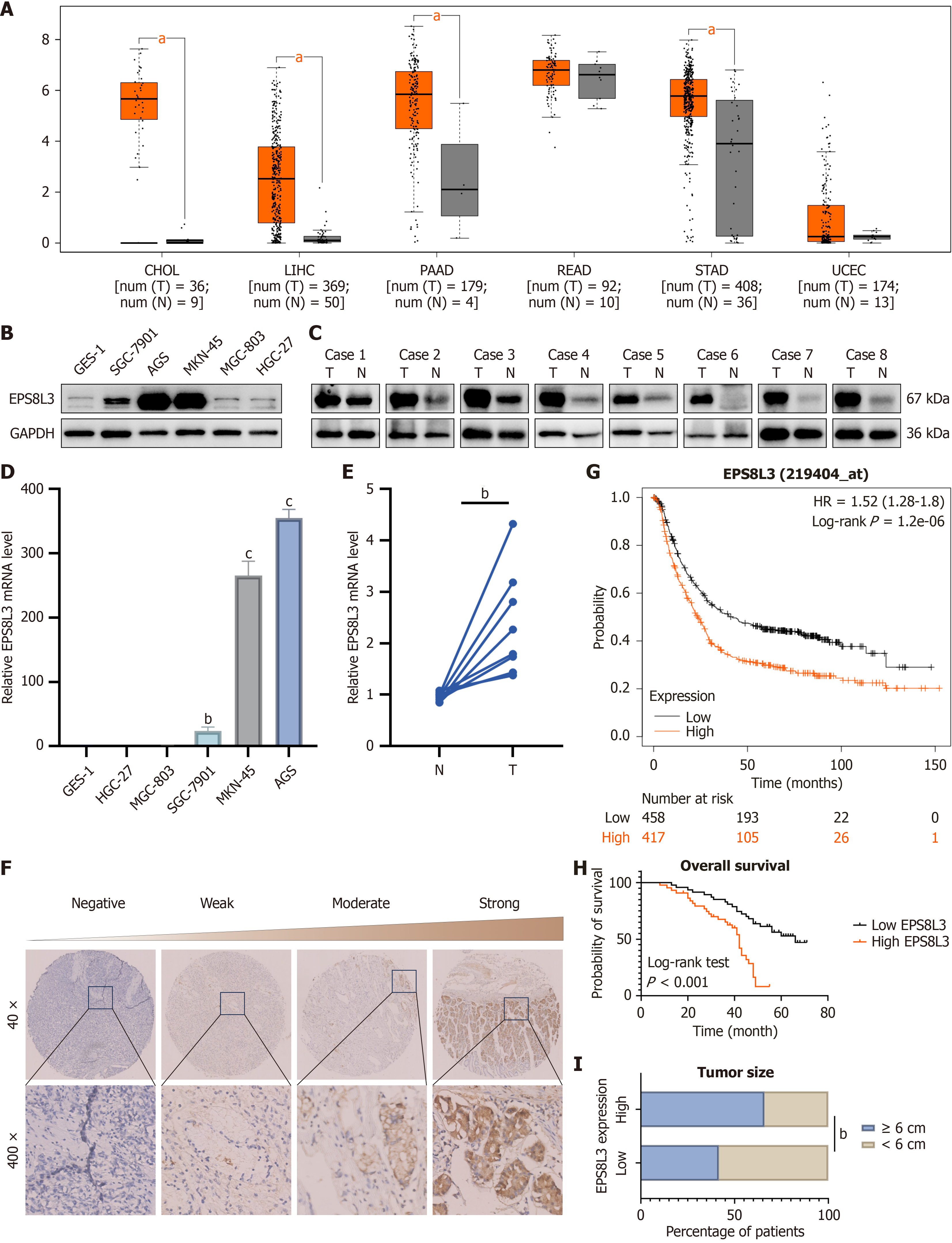
Figure 1 Epidermal growth factor receptor kinase substrate 8-like protein 3 upregulation in patients with gastric cancer indicated a poor prognosis.
A: GEPIA analysis revealed that epidermal growth factor receptor kinase substrate 8-like protein 3 (EPS8L3) is upregulated across various tumor types, including cholangiocarcinoma, pancreatic adenocarcinoma, and gastric cancer (GC); B and C: Western blot analysis confirmed a marked upregulation of EPS8L3 protein in GC cell lines (B) and tissues(C); D and E: Quantitative reverse transcription polymerase chain reaction demonstrated significantly higher EPS8L3 mRNA expression in GC cell lines (D) and patient tissues (E); F: Representative EPS8L3 immunohistochemical staining images in a GC tissue microarray; G: Kaplan-Meier survival curve of EPS8L3 expression obtained from the Kaplan-Meier plotter database; H: Kaplan-Meier survival curve of patients with GC exhibiting low and high EPS8L3 expression in our study; I: Immunohistochemical score indicated that the EPS8L3 expression score correlated with tumor size. Data are shown as the mean ± SD (n = 3). aP < 0.05 vs group normal, bP < 0.01 vs control, and cP < 0.001 vs control. CHOL: Cholangiocarcinoma; LIHC: Liver hepatocellular carcinoma; PAAD: Pancreatic adenocarcinoma; READ: Rectum adenocarcinoma; STAD: Stomach adenocarcinoma; UCEC: Uterine corpus endometrial carcinoma; GAPDH: Glyceraldehyde-3-phosphate dehydrogenase.
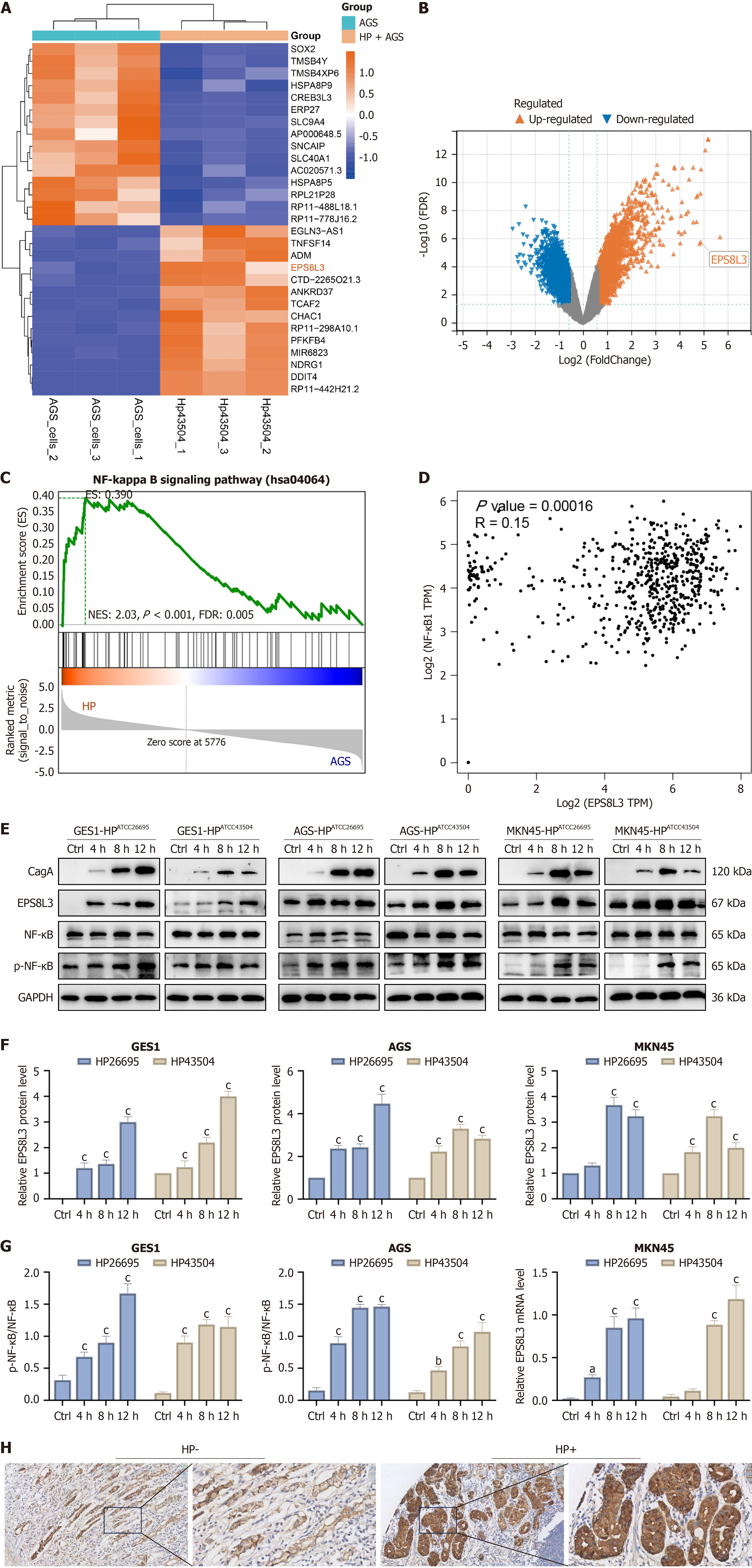
Figure 2 Helicobacter pylori infection increases epidermal growth factor receptor kinase substrate 8-like protein 3 expression.
A and B: Heatmap (A) and volcano plot (B) displaying the overall transcriptomic changes in AGS cells after Helicobacter pylori (H. pylori) infection, with epidermal growth factor receptor kinase substrate 8-like protein 3 (EPS8L3) significantly upregulated among the differentially expressed genes; C: Gene Set Enrichment Analysis enrichment analysis of RNA-seq data revealed that H. pylori infection activates the nuclear factor kappa-B (NF-κB) signaling pathway; D: The GEPIA database showed a significant correlation between EPS8L3 and NF-κB; E-G: Protein levels of EPS8L3 and NF-κB increased in GES-1, AGS, and MKN45 cells over time in co-culture with H. pylori; H: Immunohistochemical analysis revealed a significantly higher level of EPS8L3 expression in tumor tissues from H. pylori-positive gastric cancer patients compared to those from H. pylori-negative patients. Data are shown as the mean ± SD (n = 3). aP < 0.05 vs control, bP < 0.01 vs control, cP < 0.001 vs control. NF-κB: Nuclear factor kappa-B; GAPDH: Glyceraldehyde-3-phosphate dehydrogenase.
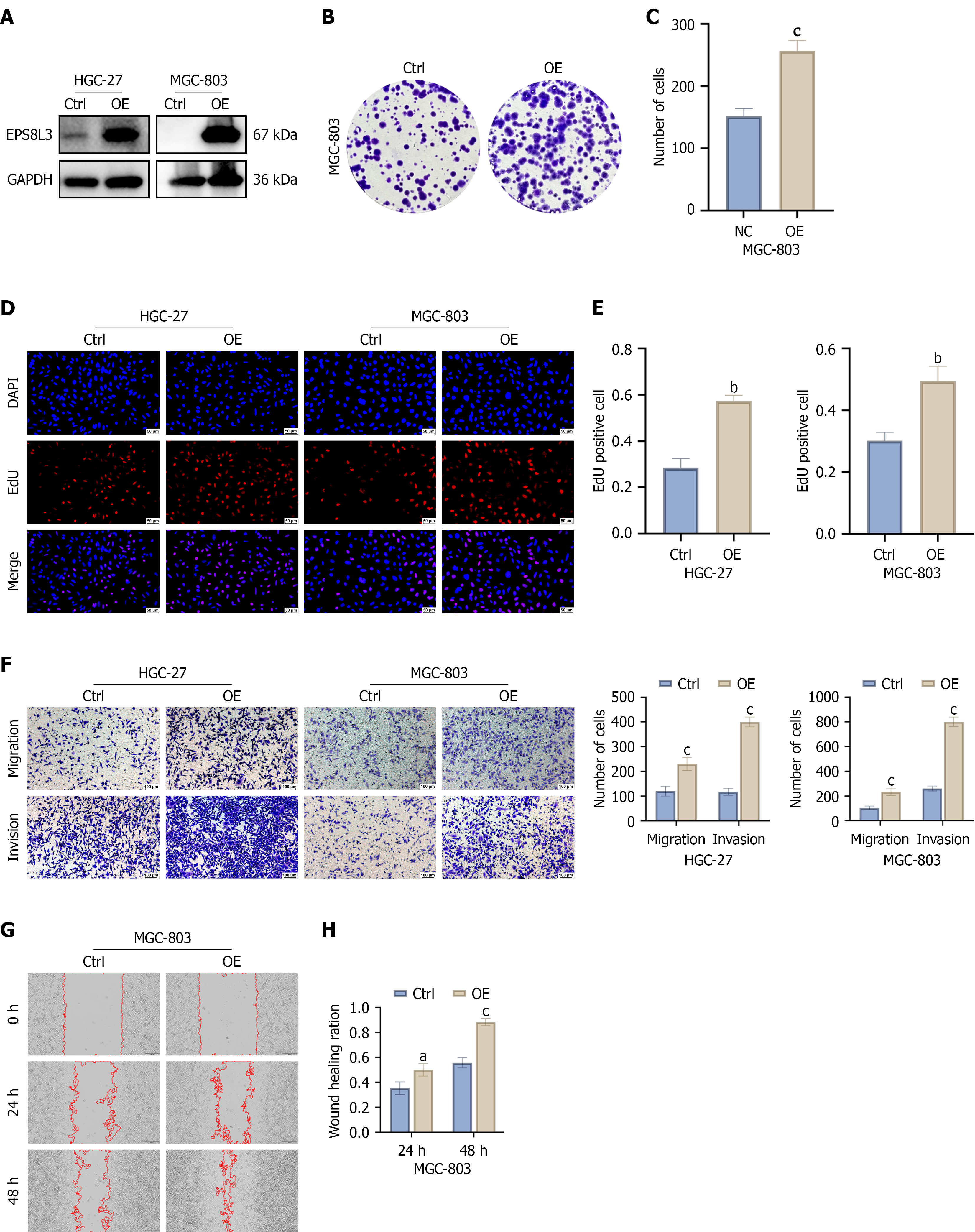
Figure 3 Overexpression of epidermal growth factor receptor kinase substrate 8-like protein 3 enhances proliferation, migration, and invasion of gastric cancer cells in vitro.
A: Western blot analysis confirmed the efficiency of epidermal growth factor receptor kinase substrate 8-like protein 3 (EPS8L3) overexpression; B and C: Colony formation assays showed enhanced colony formation in gastric cancer cells upon EPS8L3 overexpression; D and E: Overexpression of EPS8L3 significantly increased cell proliferation in MGC-803 and HGC-27 cells; F: Invasion and migration capacities were markedly enhanced in MGC-803 and HGC-27 cells upon EPS8L3 overexpression; G and H: Cell scratch assay revealed that EPS8L3 overexpression significantly increased migration in MGC-803 cells. Data are shown as the mean ± SD (n = 3). aP < 0.05 vs control, bP < 0.01 vs control, and cP < 0.001 vs control. EPS8L3: Epidermal growth factor receptor kinase substrate 8-like protein 3; GAPDH: Glyceraldehyde-3-phosphate dehydrogenase; OE: Overexpression; NC: Negative control.
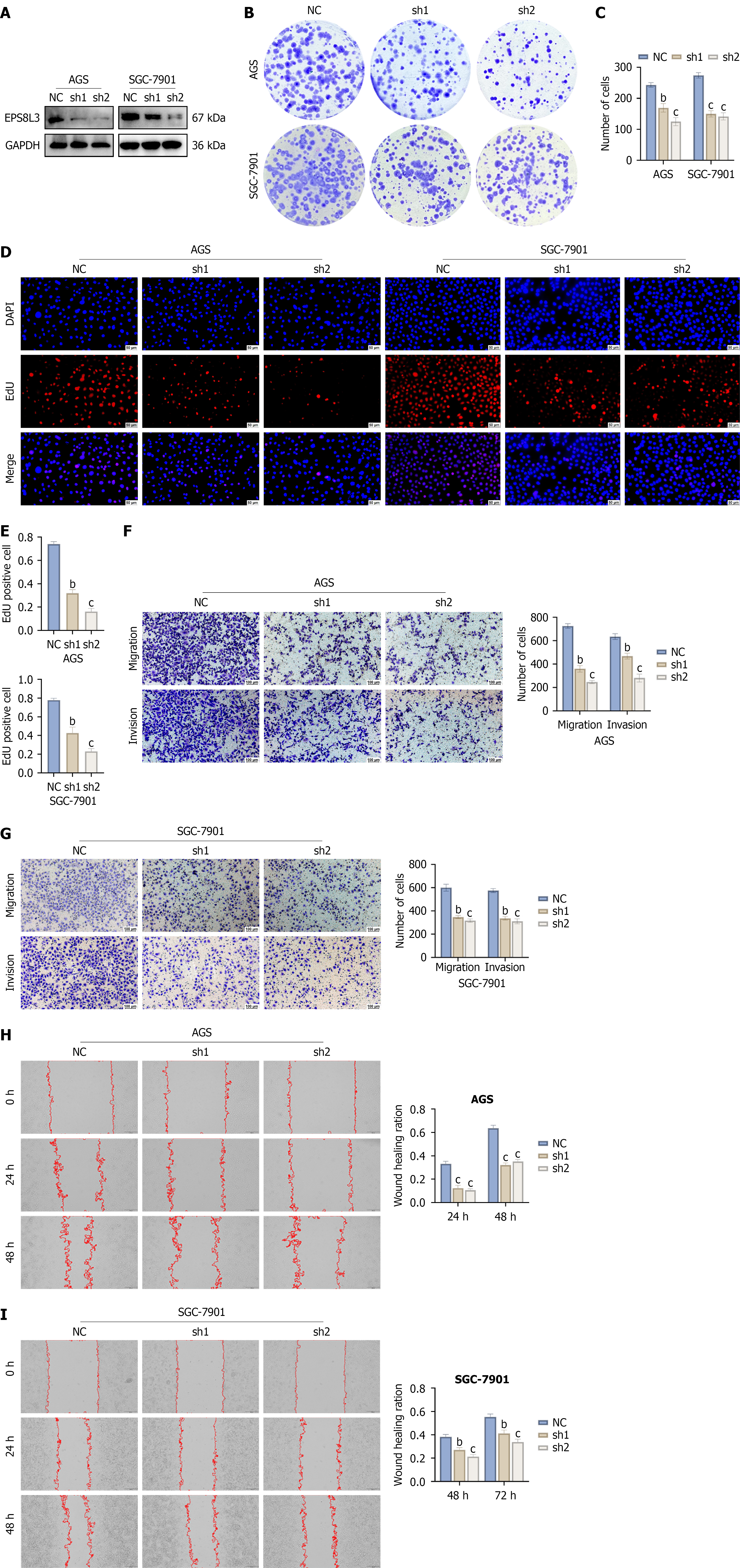
Figure 4 Knockdown of epidermal growth factor receptor kinase substrate 8-like protein 3 inhibits proliferation, migration, and invasion of gastric cancer cells in vitro.
A: Western blot analysis confirmed efficient epidermal growth factor receptor kinase substrate 8-like protein 3 (EPS8L3) knockdown; sh1 and sh2 demonstrated the knockdown efficacy; B and C: Colony formation assays showed a significant reduction in colony formation upon EPS8L3 knockdown; D and E: Edu assays demonstrated a marked decrease in cell proliferation in AGS and SGC-7901 cells upon EPS8L3 knockdown; F and G: Transwell assays indicated a significant reduction in invasion and migration in AGS (F) and SGC-7901 (G) cells with EPS8L3 knockdown; H and I: Cell scratch assays revealed decreased migration capacity in AGS (H) and SGC-7901 (I) cells following EPS8L3 silencing. Data are shown as the mean ± SD (n = 3). bP < 0.01 vs negative control group, cP < 0.001 vs negative control group. EPS8L3: Epidermal growth factor receptor kinase substrate 8-like protein 3; GAPDH: Glyceraldehyde-3-phosphate dehydrogenase; NC: Negative control.
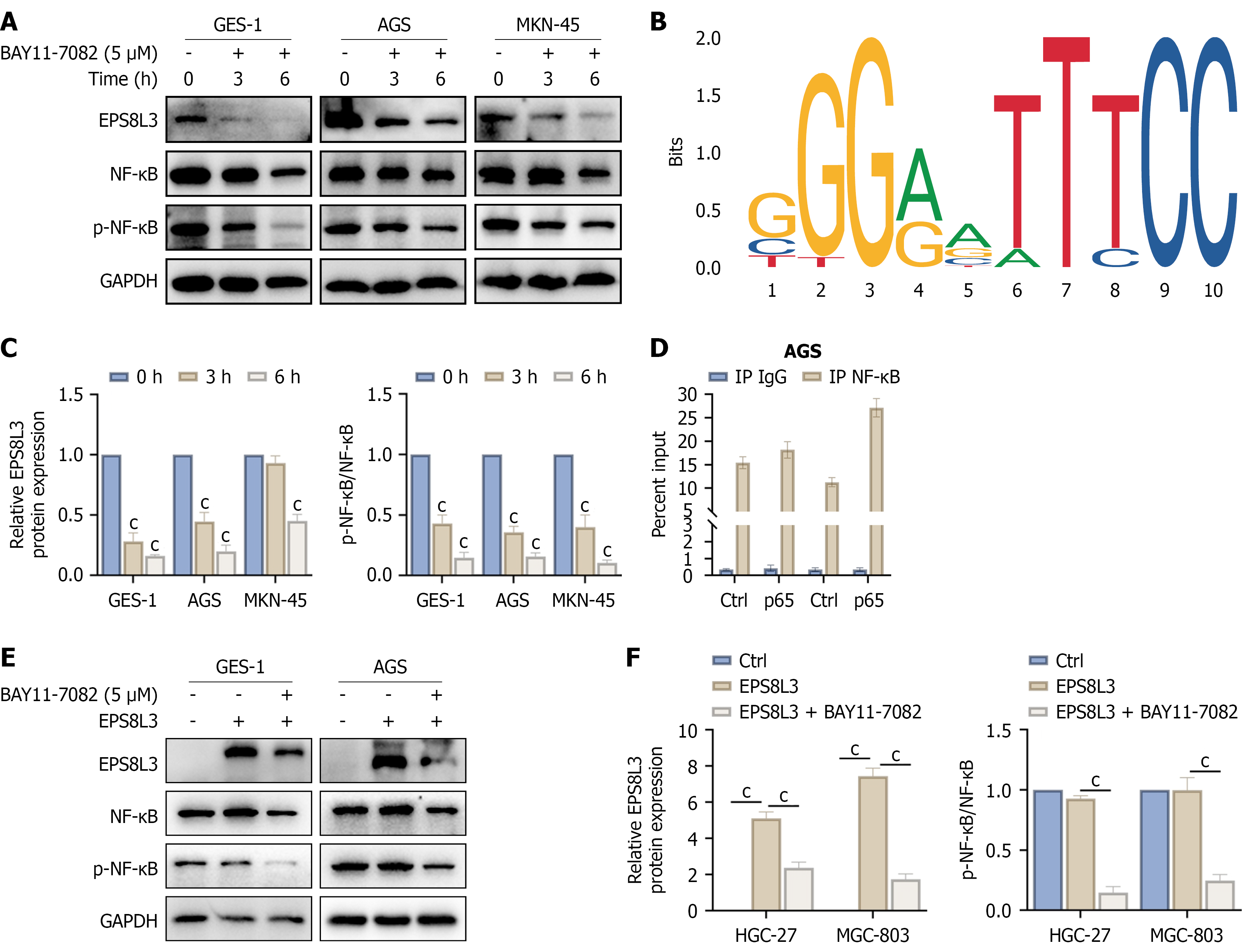
Figure 5 Helicobacter pylori activates nuclear factor kappa-B to regulate epidermal growth factor receptor kinase substrate 8-like protein 3, inhibition of nuclear factor kappa-B decreases epidermal growth factor receptor kinase substrate 8-like protein 3 expression.
A and B: Western blot results showed that in three cell lines (GES-1, AGS, and MKN-45), the nuclear factor kappa-B (NF-κB) inhibitor BAY 11-7082 inhibited the protein levels of NF-κB and p-NF-κB, and the protein levels of epidermal growth factor receptor kinase substrate 8-like protein 3 (EPS8L3) were also reduced by NF-κB and p-NF-κB. The inhibitory effect became more pronounced over time; C: The Jaspar website predicts the NF-κB binding site in the EPS8L3 promoter; D: Chromatin immunoprecipitation assays were performed in AGS cells with p65 transient expression; E and F: Western blot showing that treatment with BAY11-7082 attenuates EPS8L3 overexpression. Data are shown as the mean ± SD (n = 3). cP < 0.001 vs control. EPS8L3: Epidermal growth factor receptor kinase substrate 8-like protein 3; NF-κB: Nuclear factor kappa-B; GAPDH: Glyceraldehyde-3-phosphate dehydrogenase.
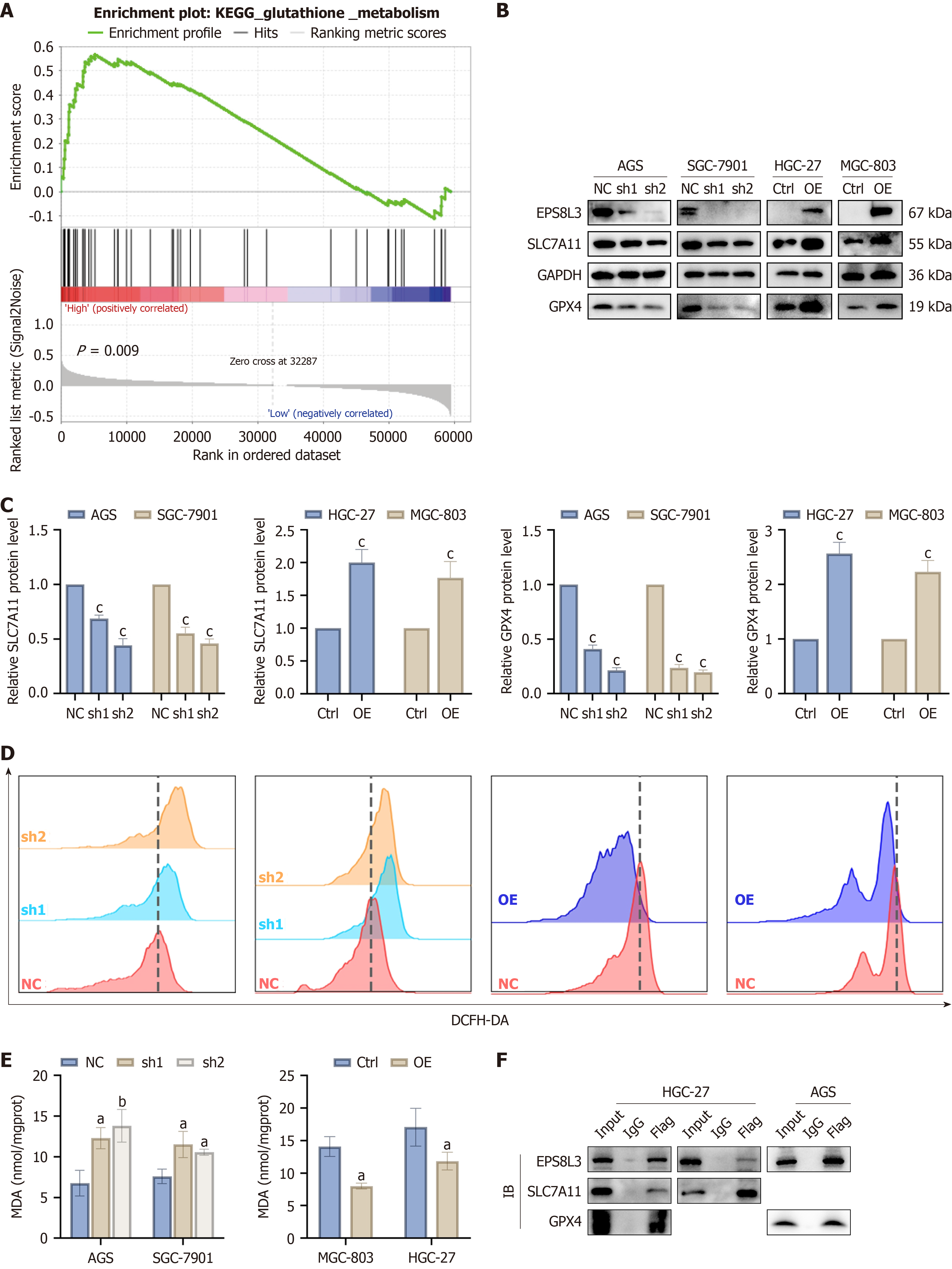
Figure 6 Relationship between the expression level of epidermal growth factor receptor kinase substrate 8-like protein 3 and indicators related to ferroptosis in gastric cancer.
A: Kyoto Encyclopedia of Genes and Genomes analysis showed that the expression level of epidermal growth factor receptor kinase substrate 8-like protein 3 (EPS8L3) in gastric cancer (GC) was significantly correlated with glutathione metabolism; B and C: Western blot results showed that knockdown of EPS8L3 in GC cells significantly reduced the protein levels of solute carrier family 7 member 11 and glutathione peroxidase 4, and the opposite was true for overexpression of EPS8L3; D: Flow assay of reactive oxygen species levels showed that knockdown of EPS8L3 in GC cells significantly increased intracellular reactive oxygen species levels, and the opposite was true for overexpression of EPS8L3; E: Malondialdehyde assay results indicated that knockdown of EPS8L3 significantly increased malondialdehyde levels in GC cells (AGS and SGC-7901), and the opposite was true for overexpression of EPS8L3; F: Co-immunoprecipitation assay demonstrating a direct interaction between EPS8L3 and both solute carrier family 7 member 11 and glutathione peroxidase 4. Data are shown as the mean ± SD (n = 3). aP < 0.05 vs negative control group, bP < 0.01 vs negative control group, cP < 0.001 vs negative control group. SLC7A11: Solute carrier family 7 member 11; GPX4: Glutathione peroxidase 4; EPS8L3: Epidermal growth factor receptor kinase substrate 8-like protein 3; GAPDH: Glyceraldehyde-3-phosphate dehydrogenase; NC: Negative control; MDA: Malondialdehyde; OE: Overexpression.
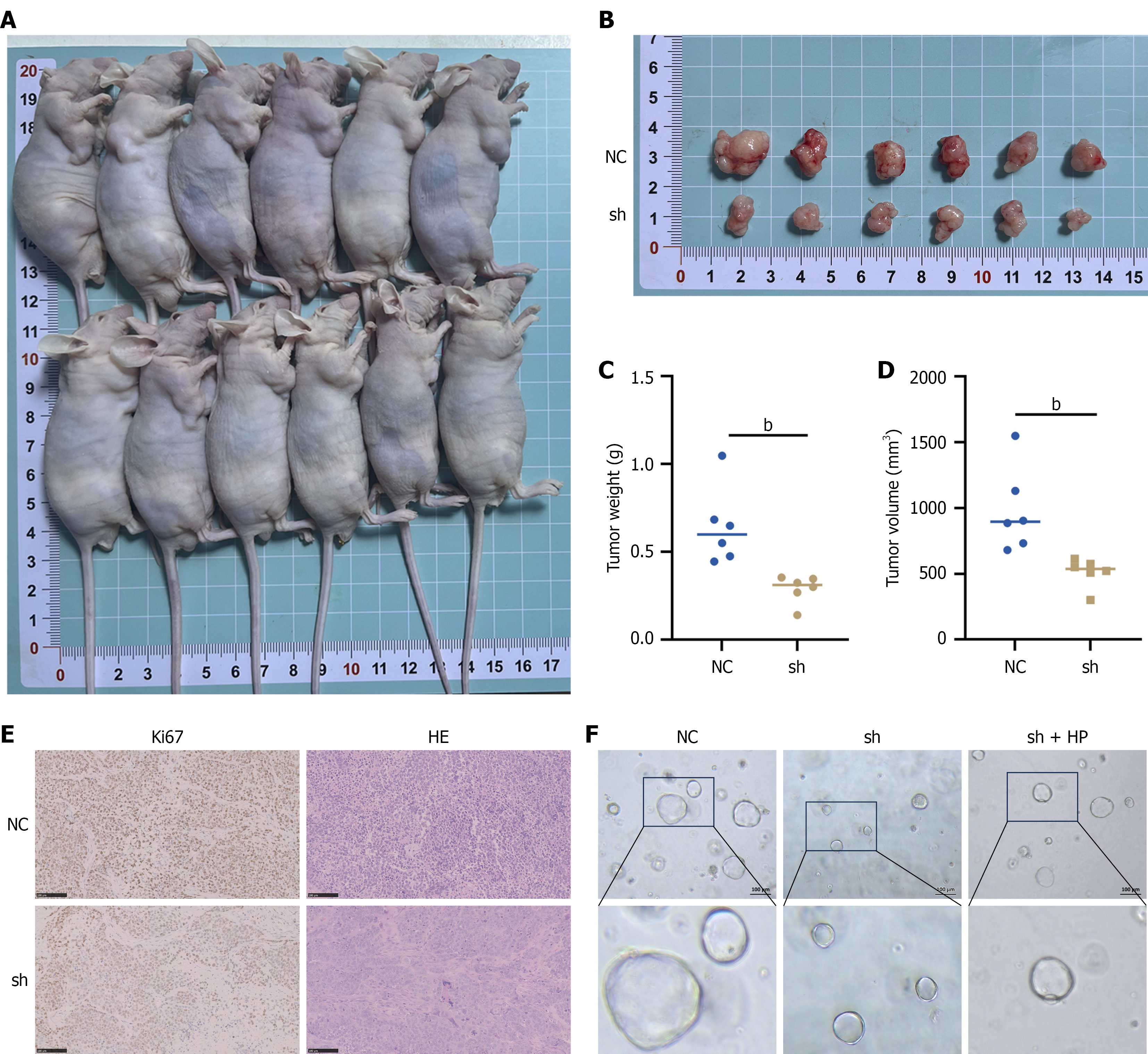
Figure 7 Knockdown of epidermal growth factor receptor kinase substrate 8-like protein 3 inhibits tumor growth in in vivo experiments.
A and B: Six nude mice per group were injected with equal amounts of control and sh-epidermal growth factor receptor kinase substrate 8-like protein 3 (EPS8L3) SGC-7901 cells; C and D: Tumor weight (C) and volume (D) profiles indicated that knockdown of EPS8L3 inhibited the proliferation of GC cells in vivo; E: Ki67 staining showing higher expression in the negative control group than in the sh-group in vivo, and hematoxylin and eosin staining showing tumor tissue morphology; F: Representative images of patient-derived gastric cancer organoids showing that growth inhibition by EPS8L3 knockdown is attenuated by Helicobacter pylori co-culture. Data are shown as the mean ± SD (n = 3). bP < 0.05. NC: Negative control.
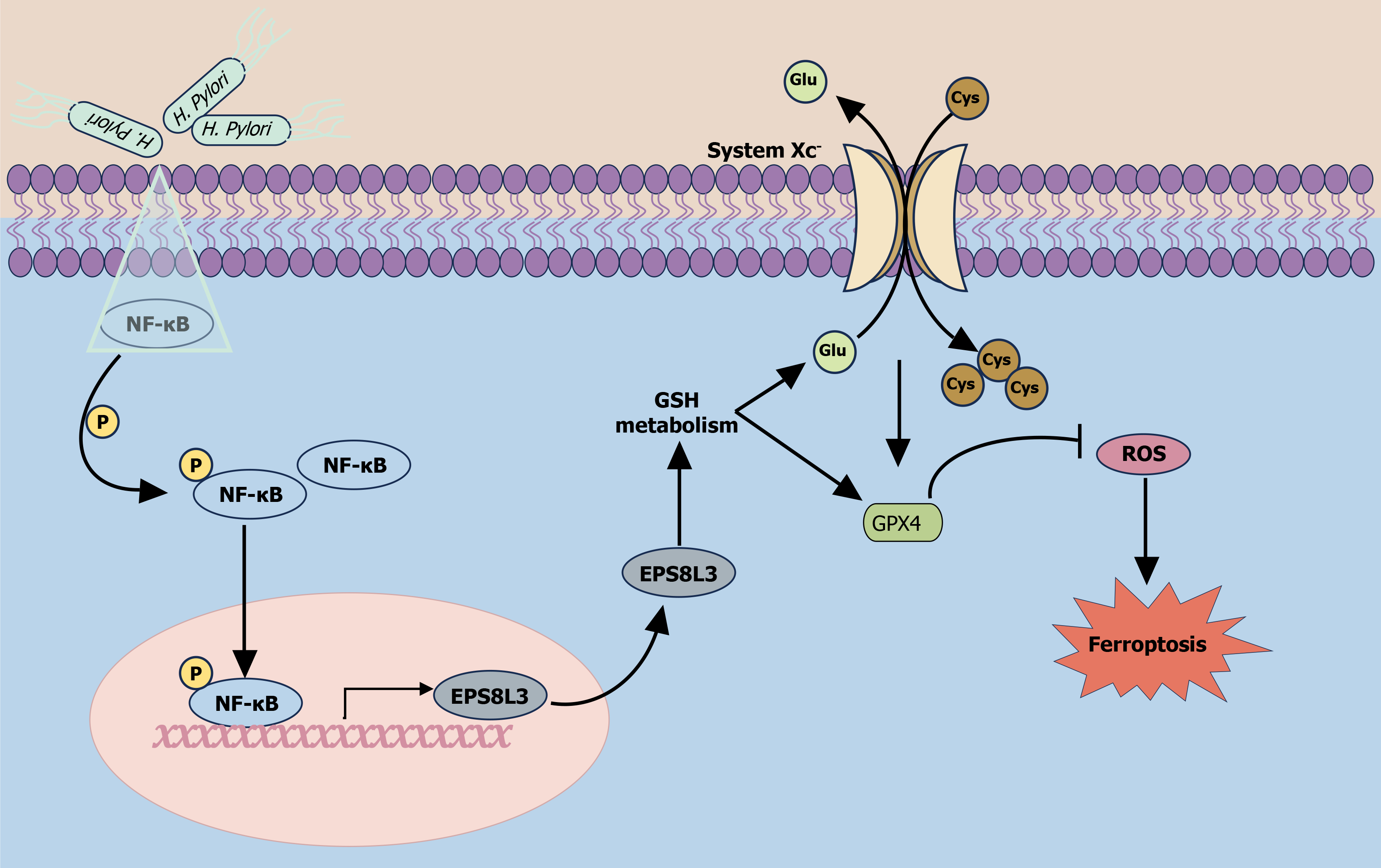
Figure 8 Helicobacter pylori infection promotes gastric cancer progression through epidermal growth factor receptor kinase substrate 8-like protein 3-mediated inhibition of ferroptosis.
Helicobacter pylori promotes the activation of p-nuclear factor kappa-B and regulates transcription that promotes epidermal growth factor receptor kinase substrate 8-like protein 3 expression. High expression of epidermal growth factor receptor kinase substrate 8-like protein 3 promotes solute carrier family 7 member 11 and glutathione peroxidase 4 by affecting glutathione metabolism, thereby suppressing the occurrence of ferroptosis in cells. NF-κB: Nuclear factor kappa-B; GSH: Glutathione; EPS8L3: Epidermal growth factor receptor kinase substrate 8-like protein 3; GPX4: Glutathione peroxidase 4; ROS: Reactive oxygen species.
- Citation: Ma MD, Chen WJ, Yu KX, Wang HZ, Li YX. Helicobacter pylori promotes gastric cancer progression by upregulating EPS8L3 to inhibit ferroptosis. World J Gastroenterol 2026; 32(32): 119744
- URL: https://www.wjgnet.com/1007-9327/full/v32/i32/119744.htm
- DOI: https://dx.doi.org/10.3748/wjg.119744