
















Copyright: ©Author(s) 2026.
World J Gastroenterol. Aug 28, 2026; 32(32): 117091
Published online Aug 28, 2026. doi: 10.3748/wjg.117091
Published online Aug 28, 2026. doi: 10.3748/wjg.117091
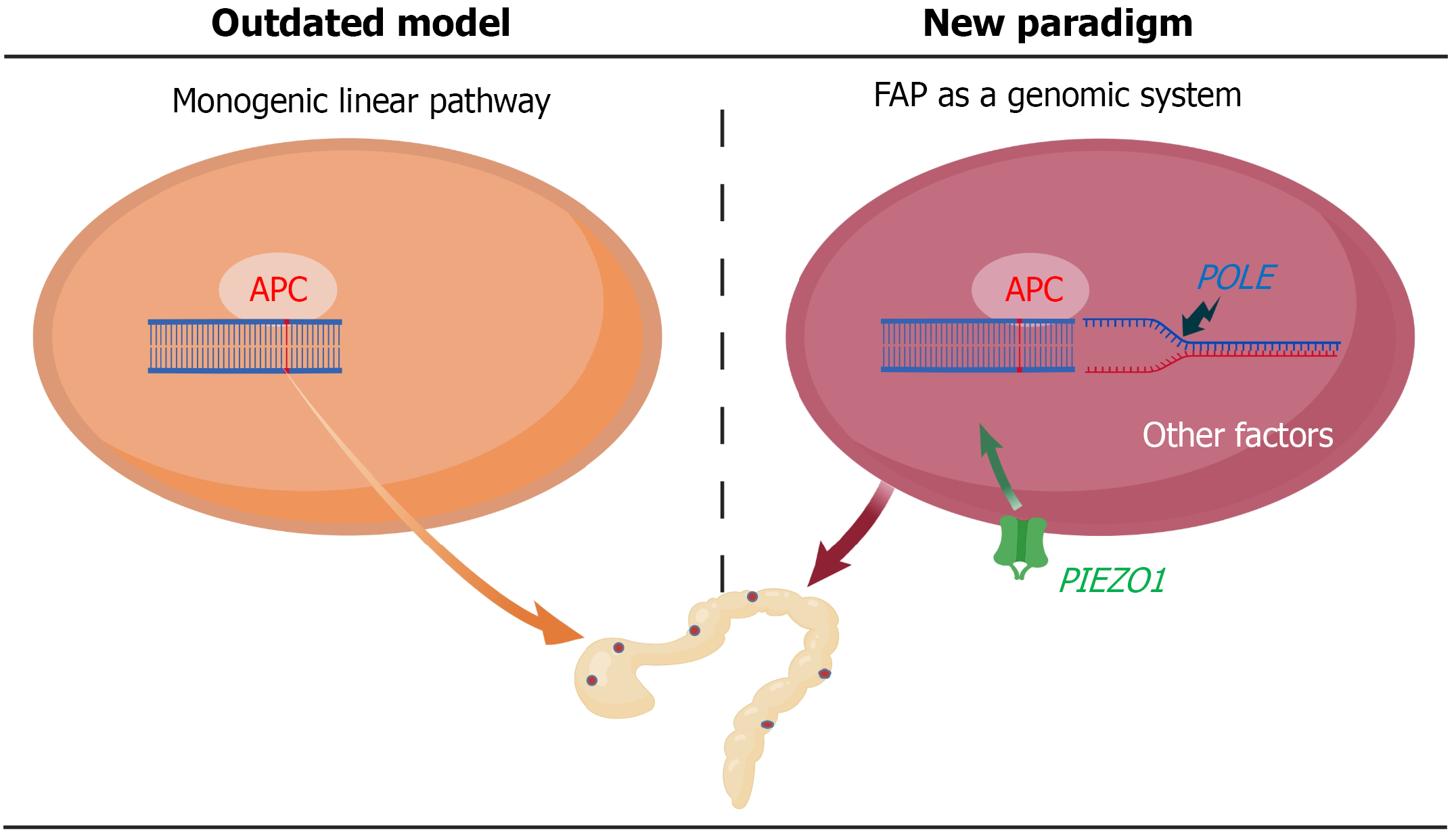
Figure 1 A proposed model of the “genomic ecosystem” in familial adenomatous polyposis.
This schematic illustrates how a germline adenomatous polyposis coli (APC) mutation, the core driver of familial adenomatous polyposis, interacts with co-occurring variants in modifier genes like the DNA polymerase epsilon catalytic subunit (POLE) and mechanosensitive ion channel (PIEZO1) to shape the disease phenotype. The initiating event is a germline loss-of-function mutation in the APC gene. This leads to the failure of the β-catenin destruction complex, resulting in cytoplasmic and nuclear accumulation of β-catenin. Within the nucleus, β-catenin binds T-cell factor/Lymphoid enhancer factor transcription factors, causing hyperactivation of the Wnt/β-catenin pathway and the upregulation of oncogenes such as MYC and cyclin D1, which drive uncontrolled cell proliferation. This core oncogenic process is modulated by other genetic factors. (1) POLE (purple): A variant of uncertain significance in POLE may subtly impair DNA replication fidelity. This acts as a “mutational accelerator,” increasing the tumor mutational burden and potentially hastening the acquisition of secondary mutations that drive malignant progression; and (2) PIEZO1 (green): A variant of uncertain significance in PIEZO1, a mechanosensitive ion channel, may disrupt the sensing of physical forces from the intestinal microenvironment. This can lead to aberrant activation of downstream effectors like Yes-associated protein/transcriptional coactivator with PDZ-binding motif, further promoting tumorigenesis and potentially contributing to the development of polyps in extracolonic sites, such as the stomach and duodenum. This model conceptualizes familial adenomatous polyposis not as a simple monogenic disorder, but as a dynamic “genomic ecosystem” where the phenotypic outcome is determined by the interplay between the primary APC defect and a constellation of modifying genetic variants. APC: Adenomatous polyposis coli; YAP/TAZ: Yes-associated protein/transcriptional co-activator with PDZ-binding motif; TCF/LEP: T-cell factor/Lymphoid enhancer factor; MYC: MYC proto-oncogene; COND1: Cyclin D1; POLE: DNA polymerase epsilon, catalytic subunit; PIEZO1: Piezo-type mechanosensitive ion channel component 1.
- Citation: Wang SF, Guo HC, Peng XW. Beyond adenomatous polyposis coli: Redefining the genetic architecture of familial adenomatous polyposis through recurrent variants of uncertain significance. World J Gastroenterol 2026; 32(32): 117091
- URL: https://www.wjgnet.com/1007-9327/full/v32/i32/117091.htm
- DOI: https://dx.doi.org/10.3748/wjg.117091