
















Copyright: ©Author(s) 2026.
World J Gastroenterol. Aug 14, 2026; 32(30): 117164
Published online Aug 14, 2026. doi: 10.3748/wjg.117164
Published online Aug 14, 2026. doi: 10.3748/wjg.117164
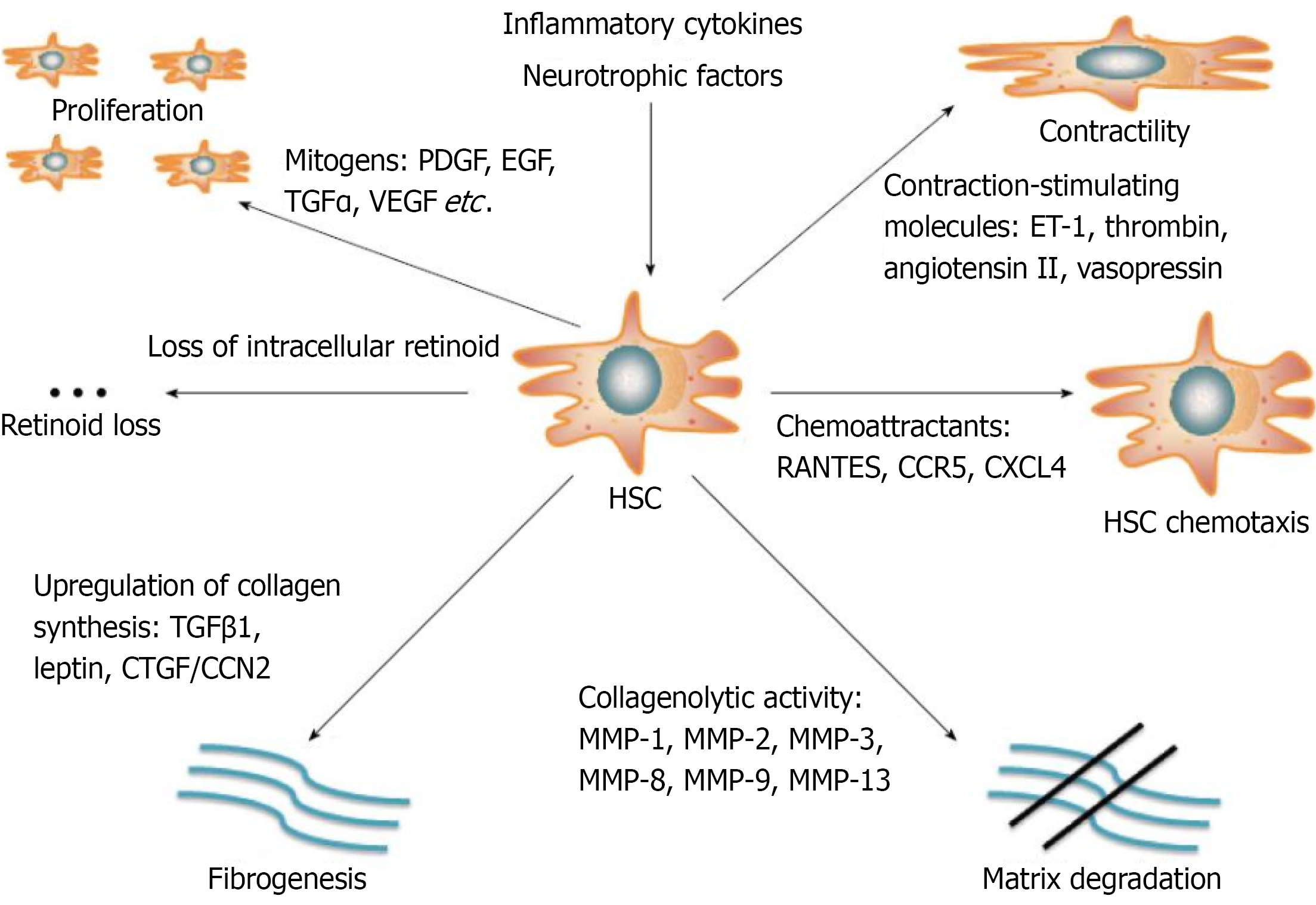
Figure 1 Chronic hepatitis C and liver fibrosis[29].
Hepatic stellate cells are retinoid-storing cells that play a key role in liver fibrogenesis. During liver injury, they undergo transformation from a quiescent state to proliferative, contractile myofibroblasts. Activated hepatic stellate cells are the main source of collagen and other extracellular matrix (ECM) proteins. Several molecules and pathways regulate the equilibrium between the deposition and degradation of ECM proteins. HSCs: Hepatic stellate cells; PDGF: Platelet-derived growth factor; EGF: Epidermal growth factor; TGF: Transforming growth factor; VEGF: Vascular endothelial growth factor; CTGF: Connective tissue growth factor; CCN2: Cellular communication network factor 2; ET-1: Endothelin-1; CCR5: C-C chemokine receptor 5; CXCL4: Chemokine (CXC class) ligand 4; MMP: Matrix metalloproteinase. Citation: Sebastiani G, Gkouvatsos K, Pantopoulos K. Chronic hepatitis C and liver fibrosis. World J Gastroenterol 2014; 20: 11033-11053. Copyright ©The Author(s) 2014. Published by Baishideng Publishing Group Inc.
- Citation: Bouare N, Delwaide J. Fibroscan and fibrosis-4 in recovered hepatitis C patients. World J Gastroenterol 2026; 32(30): 117164
- URL: https://www.wjgnet.com/1007-9327/full/v32/i30/117164.htm
- DOI: https://dx.doi.org/10.3748/wjg.117164