
















Copyright: ©Author(s) 2026.
World J Gastroenterol. Jul 28, 2026; 32(28): 119462
Published online Jul 28, 2026. doi: 10.3748/wjg.119462
Published online Jul 28, 2026. doi: 10.3748/wjg.119462
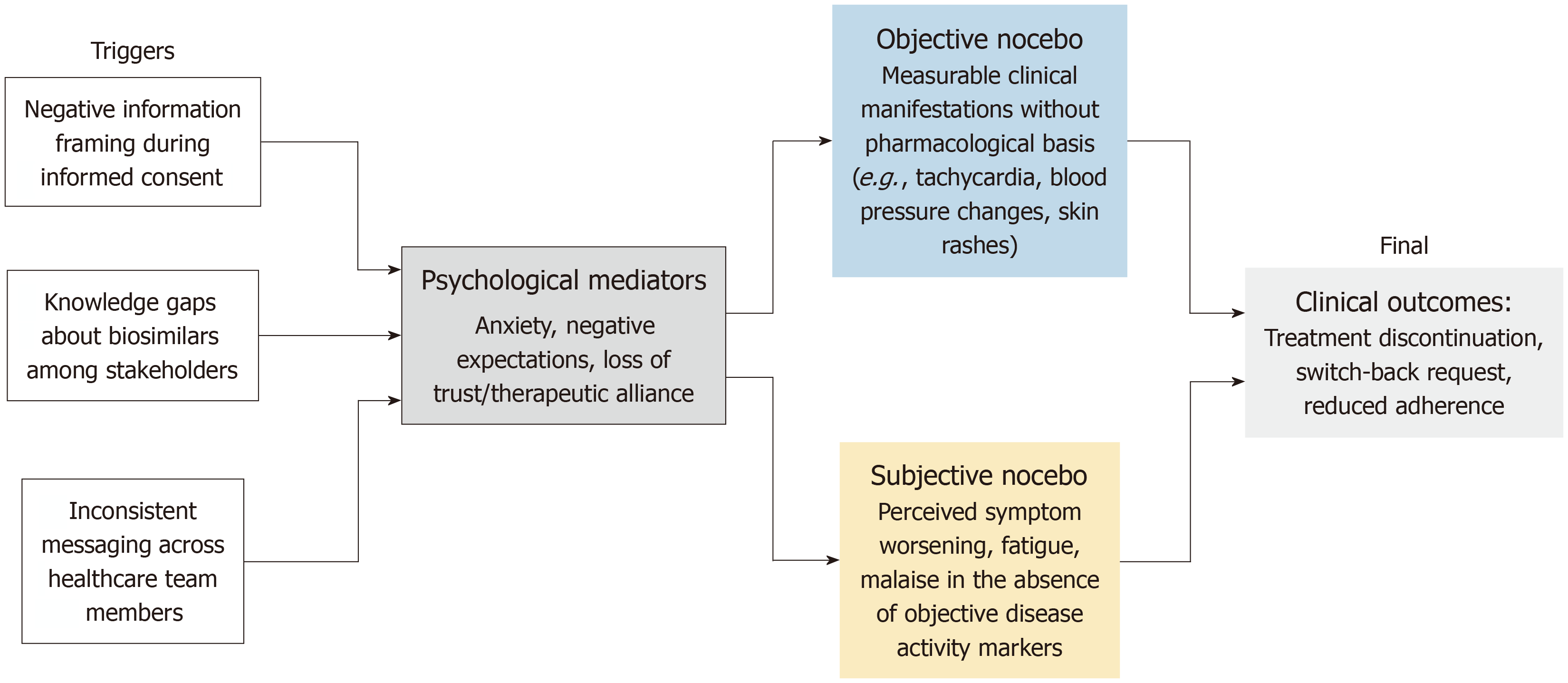
Figure 1 Conceptual model of the nocebo effect in biosimilar-treated inflammatory bowel disease.
This figure illustrates how negative information framing during informed consent, knowledge gaps among stakeholders, and inconsistent messaging across healthcare team members may trigger adverse psychological mediators, including anxiety, negative expectations, and loss of trust. These mediators may contribute to both objective nocebo manifestations, such as measurable adverse events without a clear pharmacological basis, and subjective nocebo manifestations, such as perceived symptom worsening in the absence of objective inflammatory activity, ultimately leading to treatment discontinuation, switch-back requests, or reduced adherence.
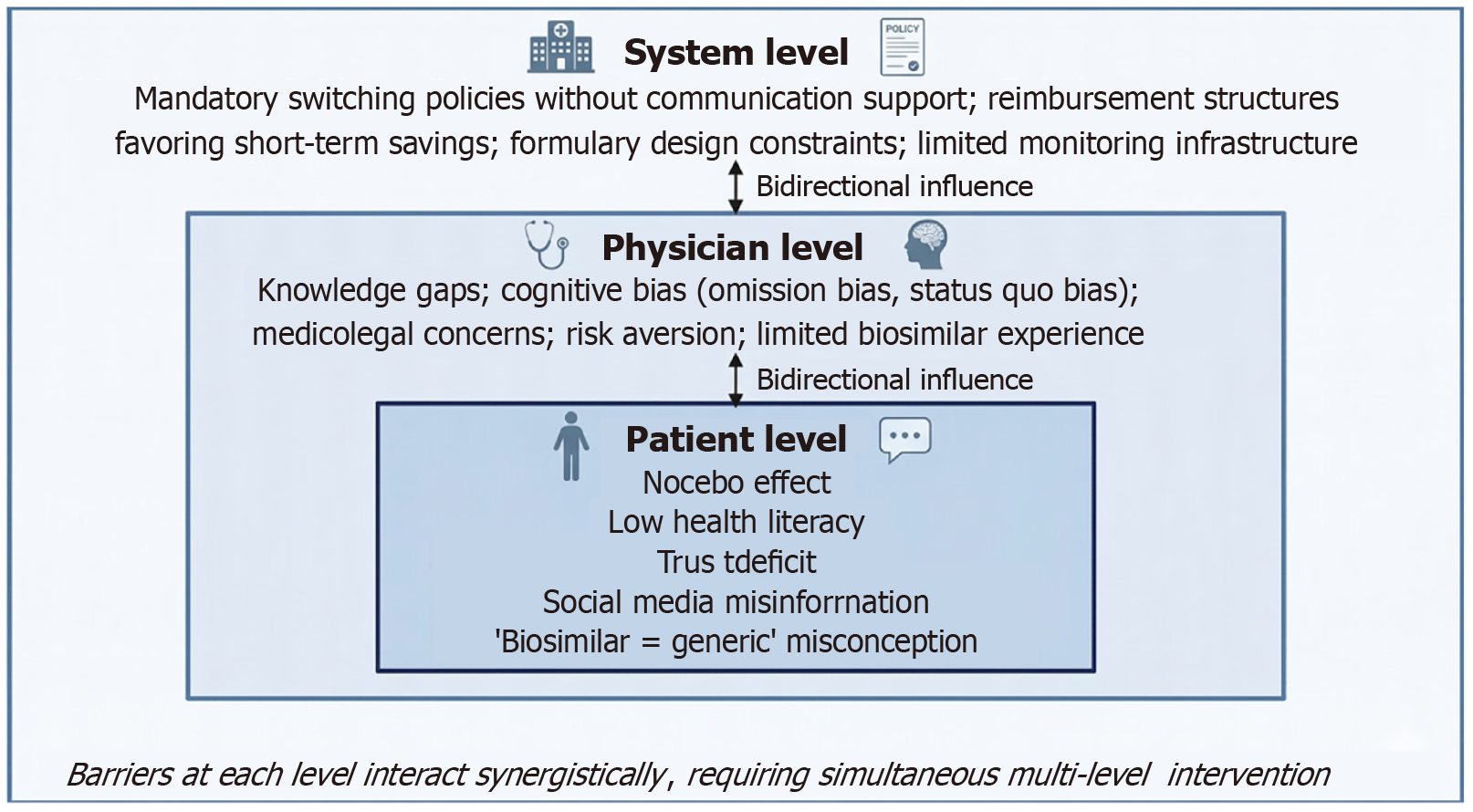
Figure 2 Multi-level barriers to biosimilar adoption in inflammatory bowel disease.
This figure summarizes the interacting barriers to biosimilar implementation at the patient, physician, and system levels. Patient-level barriers include the nocebo effect, low health literacy, trust deficits, and social media misinformation. Physician-level barriers include knowledge gaps, cognitive bias, medicolegal concerns, risk aversion, and limited biosimilar experience. System-level barriers include mandatory switching policies without communication support, reimbursement structures focused on short-term savings, formulary constraints, and limited monitoring infrastructure. These barriers interact bidirectionally and may reinforce one another.
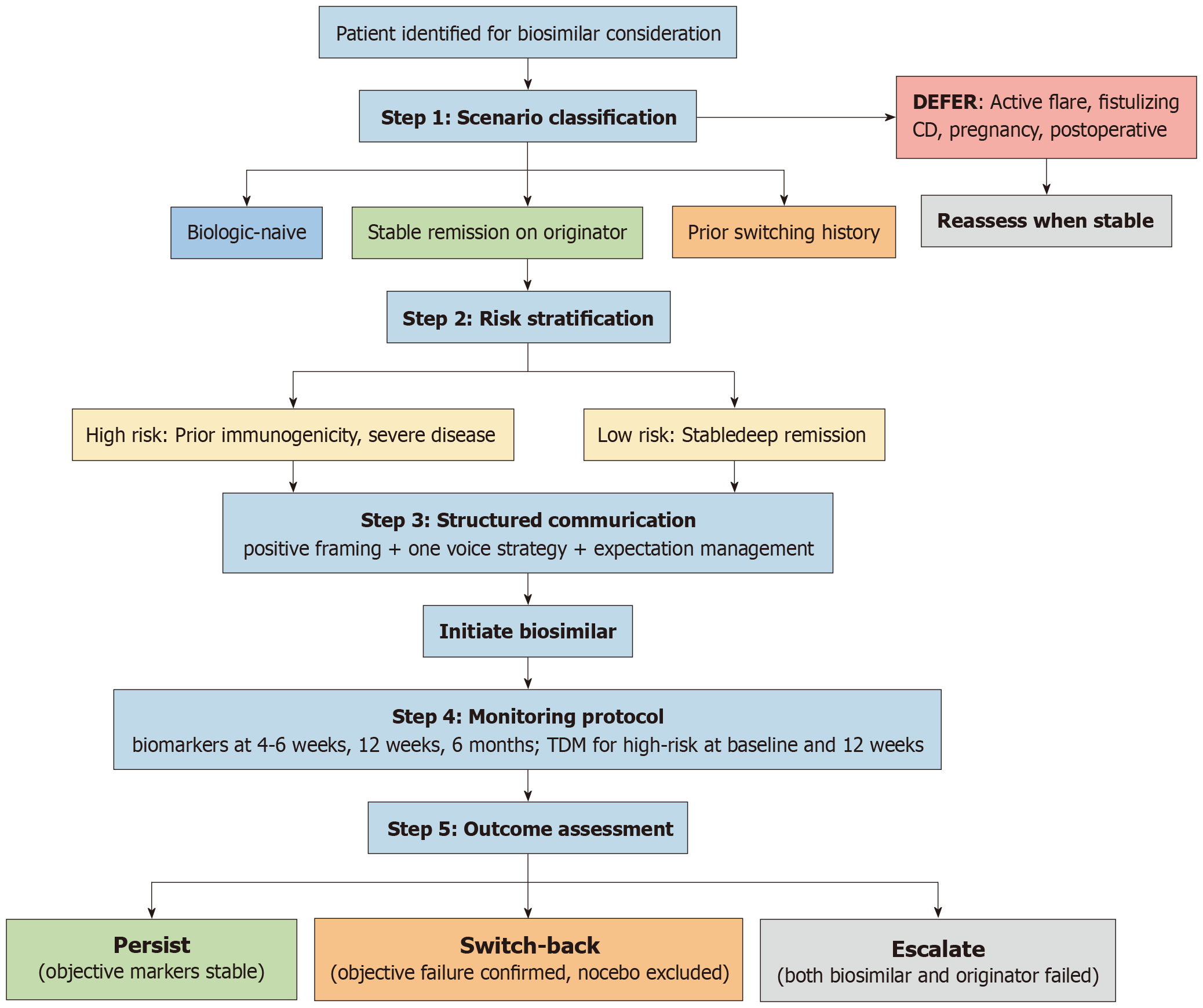
Figure 3 Pragmatic 5-step framework for biosimilar initiation or switching in inflammatory bowel disease.
This figure presents an author-proposed clinical framework for structured biosimilar integration in routine inflammatory bowel disease care. The model includes scenario classification, risk stratification, structured communication, objective monitoring, and outcome assessment. It also identifies clinical situations in which switching may reasonably be deferred until treatment stability is achieved. This framework is intended as a practical decision-support model rather than a formally validated algorithm or guideline. TDM: Therapeutic drug monitoring; CD: Crohn’s disease.
- Citation: Nguyen CD, Dang LM. Biosimilars in inflammatory bowel disease: Beyond evidence, toward trust and implementation. World J Gastroenterol 2026; 32(28): 119462
- URL: https://www.wjgnet.com/1007-9327/full/v32/i28/119462.htm
- DOI: https://dx.doi.org/10.3748/wjg.119462