
















Copyright: ©Author(s) 2026.
World J Gastroenterol. Jul 28, 2026; 32(28): 118887
Published online Jul 28, 2026. doi: 10.3748/wjg.118887
Published online Jul 28, 2026. doi: 10.3748/wjg.118887
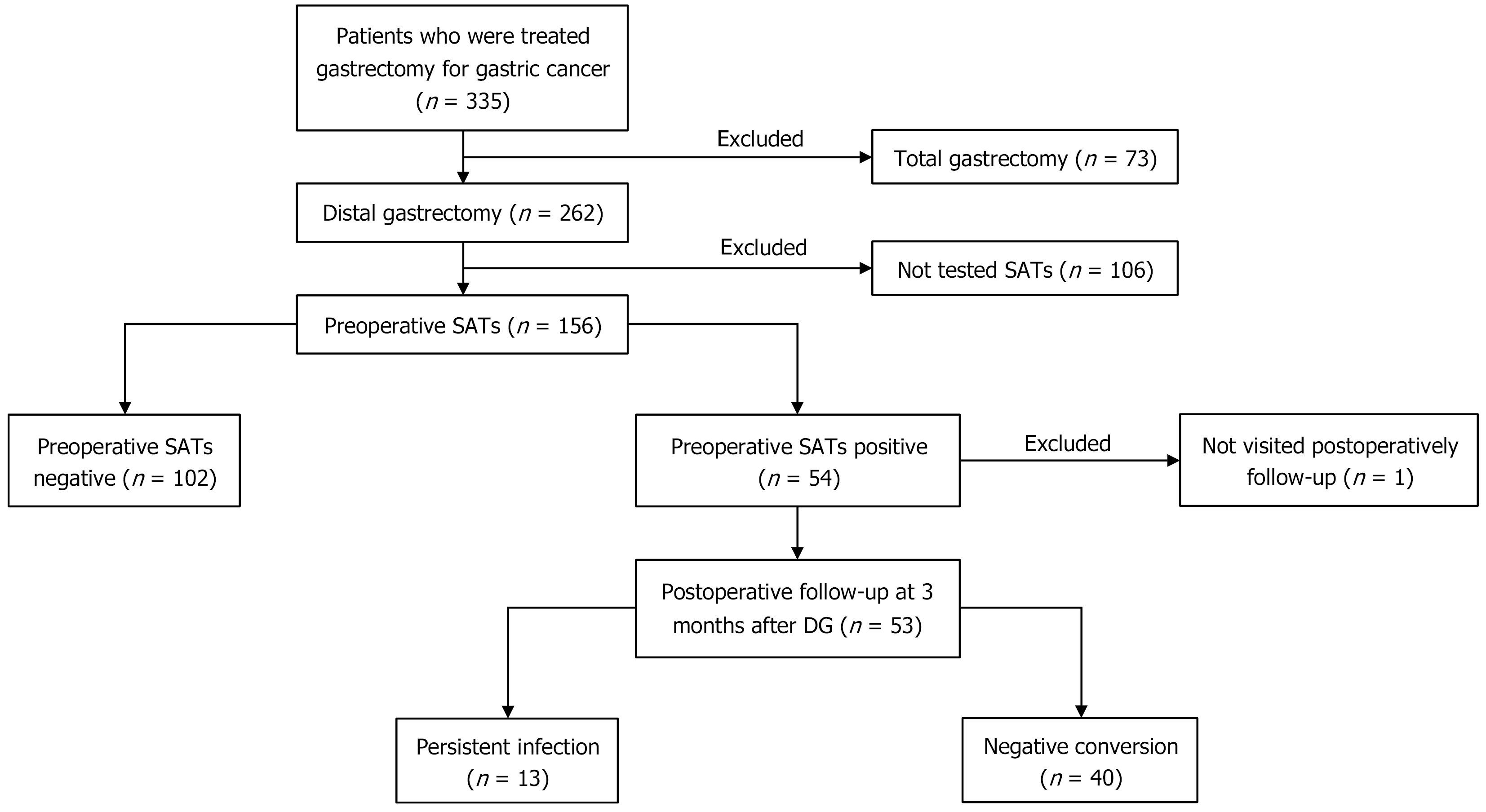
Figure 1 Flow diagram of patient inclusion and selection.
A total of 262 patients underwent distal gastrectomy for gastric adenocarcinoma between June 2022 and August 2025. Among them, 129 patients had both preoperative and postoperative stool antigen test for Helicobacter pylori (H. pylori) and serum anti-H. pylori immunoglobulin G available. After excluding patients who received H. pylori eradication therapy before surgery or during follow-up, and those without complete paired testing, 53 patients with active preoperative infection constituted the analytic cohort for evaluating postoperative persistence vs spontaneous clearance. DG: Distal gastrectomy; SAT: Stool antigen test.
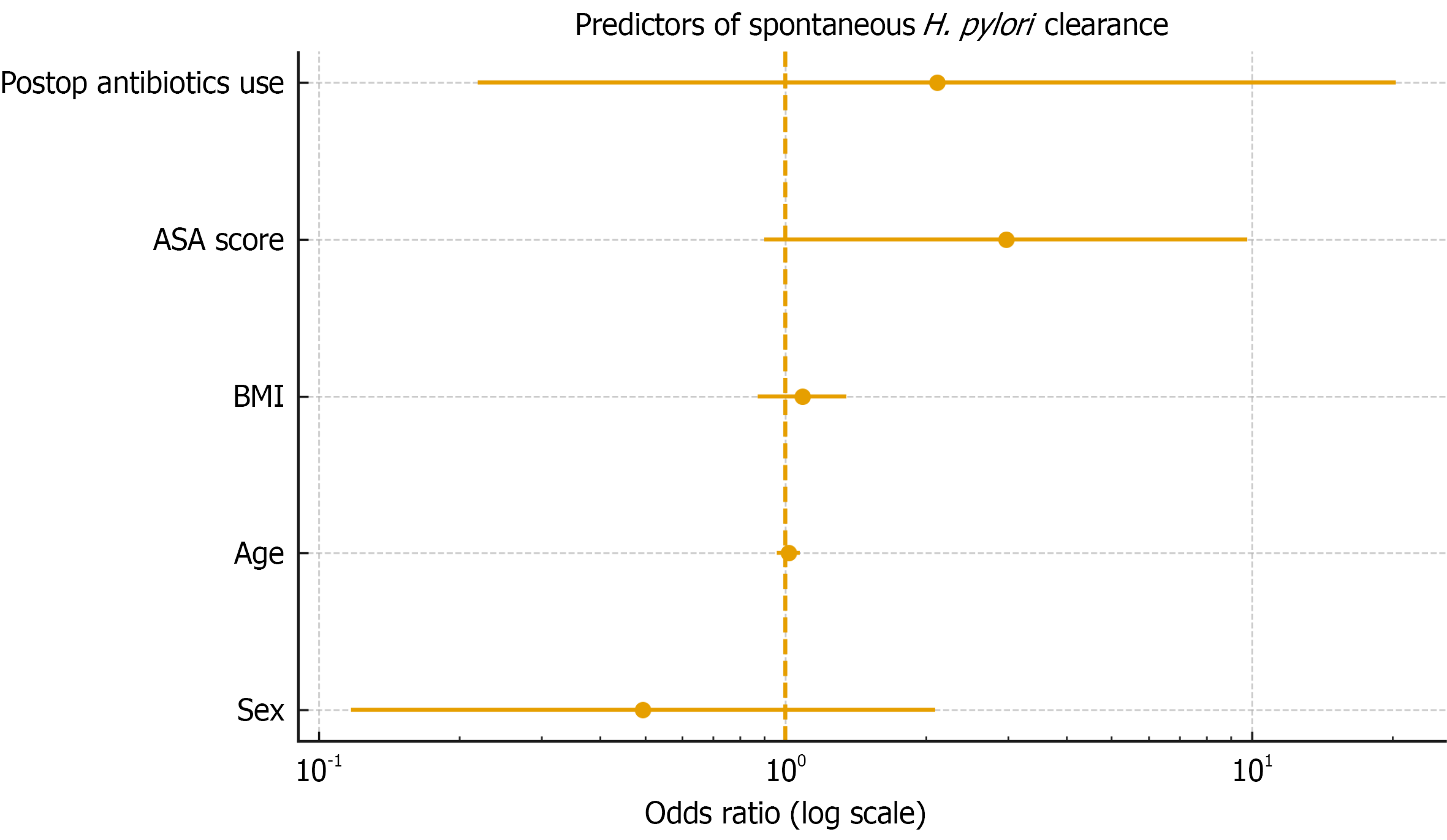
Figure 2 Forest plot of multivariate logistic regression analysis evaluating predictors of spontaneous.
Helicobacter pylori clearance after distal gastrectomy. Odds ratios and 95%CI are shown for age, body mass index, sex, postoperative antibiotic use, and American Society of Anesthesiologists score. American Society of Anesthesiologists score demonstrated the strongest directional association with spontaneous clearance, although statistical significance was not reached. ASA: American Society of Anesthesiologists; BMI: Body mass index; H. pylori: Helicobacter pylori.
- Citation: Khenmedekh GO, Kim DH, Ryu DH, Yoo KC. Early postoperative negative conversion of Helicobacter pylori stool antigen after distal gastrectomy and potential host-related factors. World J Gastroenterol 2026; 32(28): 118887
- URL: https://www.wjgnet.com/1007-9327/full/v32/i28/118887.htm
- DOI: https://dx.doi.org/10.3748/wjg.118887