
















Copyright: ©Author(s) 2026.
World J Gastroenterol. Jun 21, 2026; 32(23): 119613
Published online Jun 21, 2026. doi: 10.3748/wjg.v32.i23.119613
Published online Jun 21, 2026. doi: 10.3748/wjg.v32.i23.119613
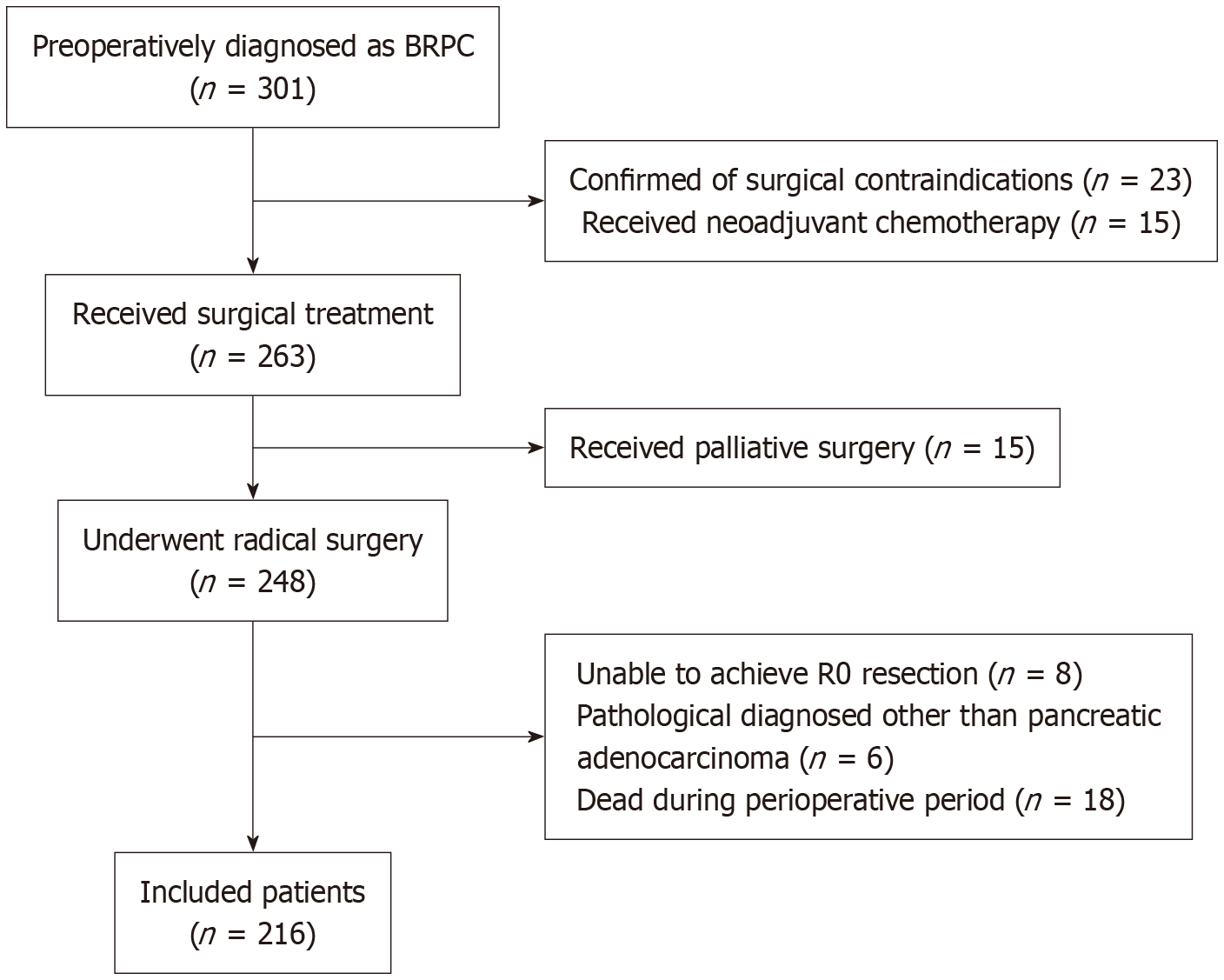
Figure 1 Flow diagram of patient selection BRPC: Borderline resectable pancreatic cancer.
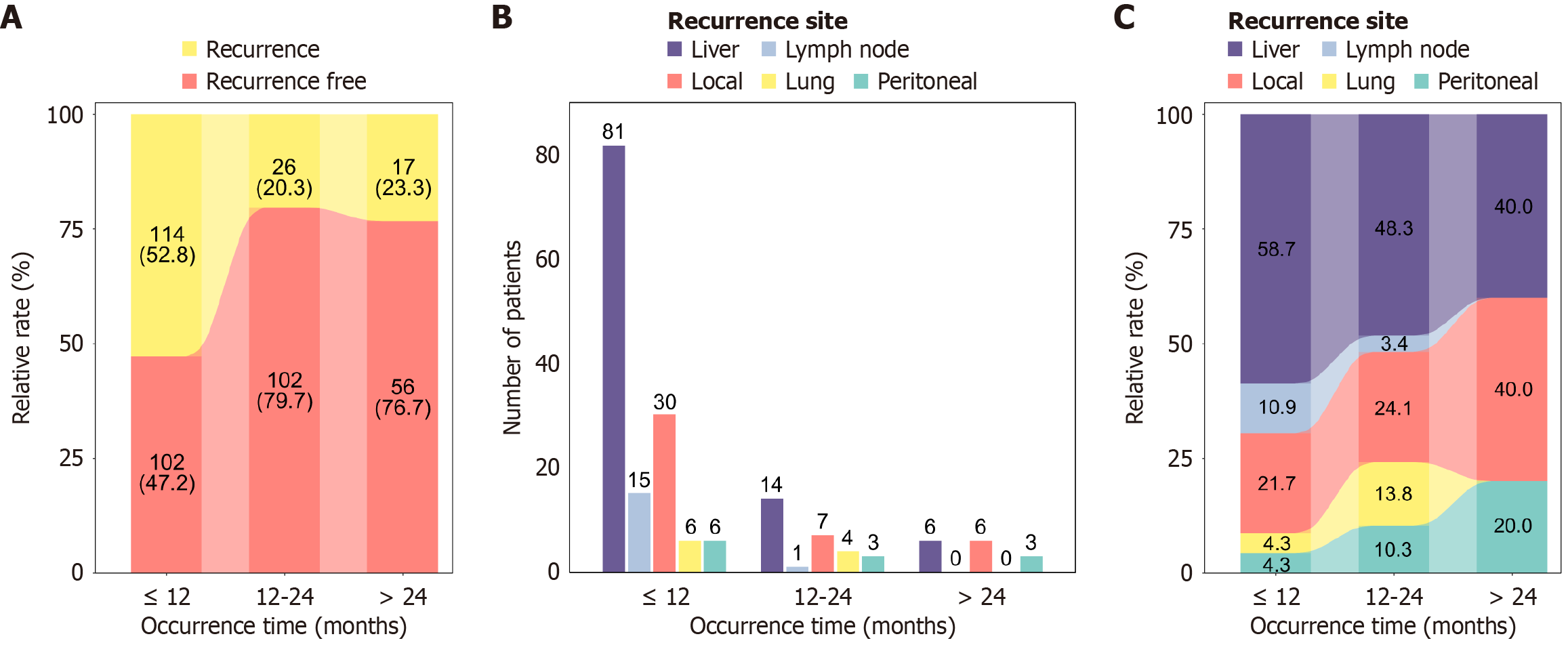
Figure 2 Timing and sites of postoperative tumor recurrence in borderline resectable pancreatic cancer.
A: Proportion of newly developed recurrences among at-risk cases in different time intervals; B: Absolute number of newly developed recurrences at different sites in different time intervals; C: Proportion of newly developed site-specific recurrences among at-risk cases in different time intervals.
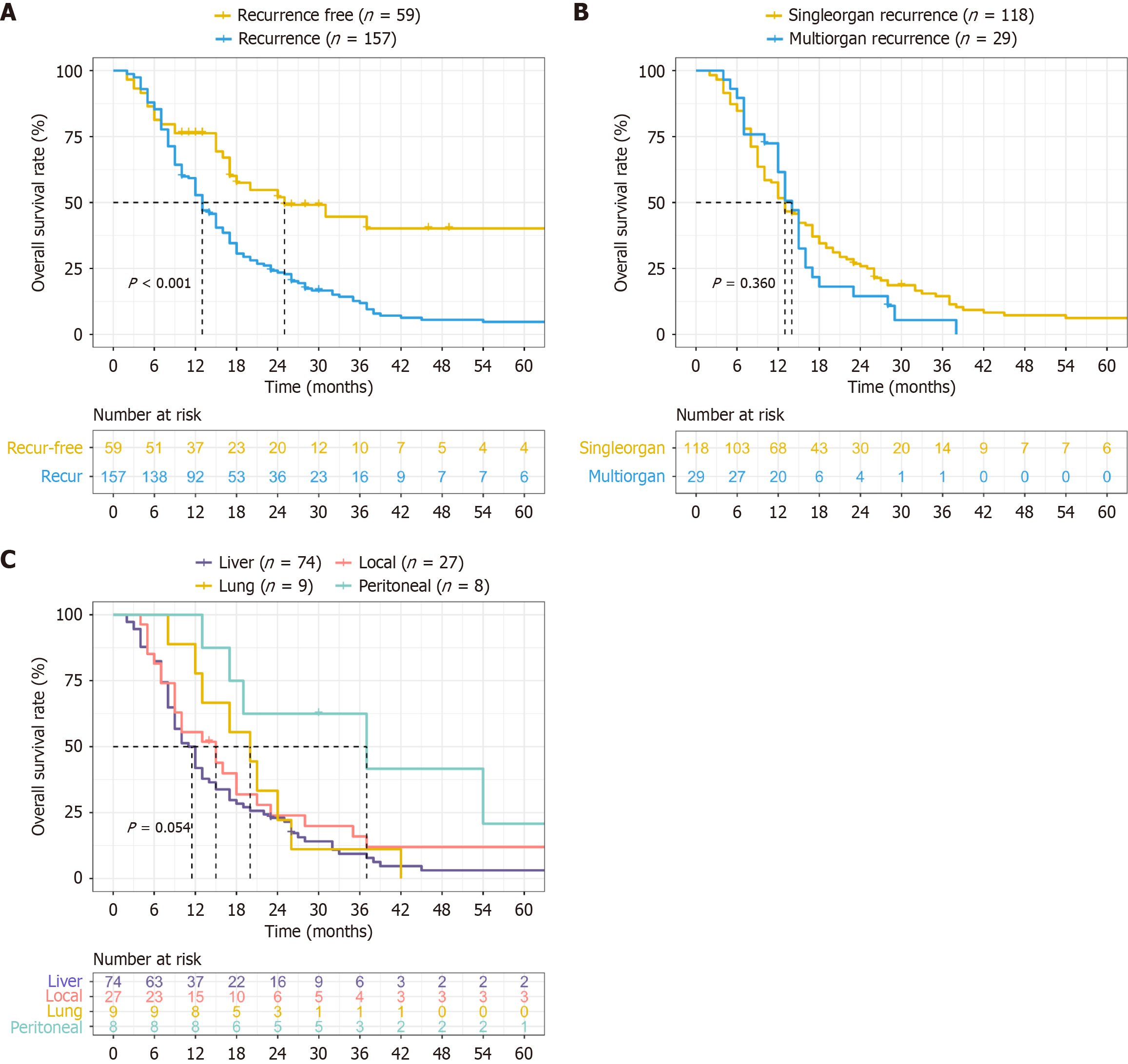
Figure 3 Comparison of overall survival time of borderline resectable pancreatic cancer patients in different subgroups.
A: Comparison of postoperative overall survival time in patients with and without tumor recurrence; B: Comparison of postoperative overall survival time in patients with single-organ and multi-organ recurrence; C: Comparison of post-recurrence survival time in patients with liver, local, lung and peritoneal recurrence.
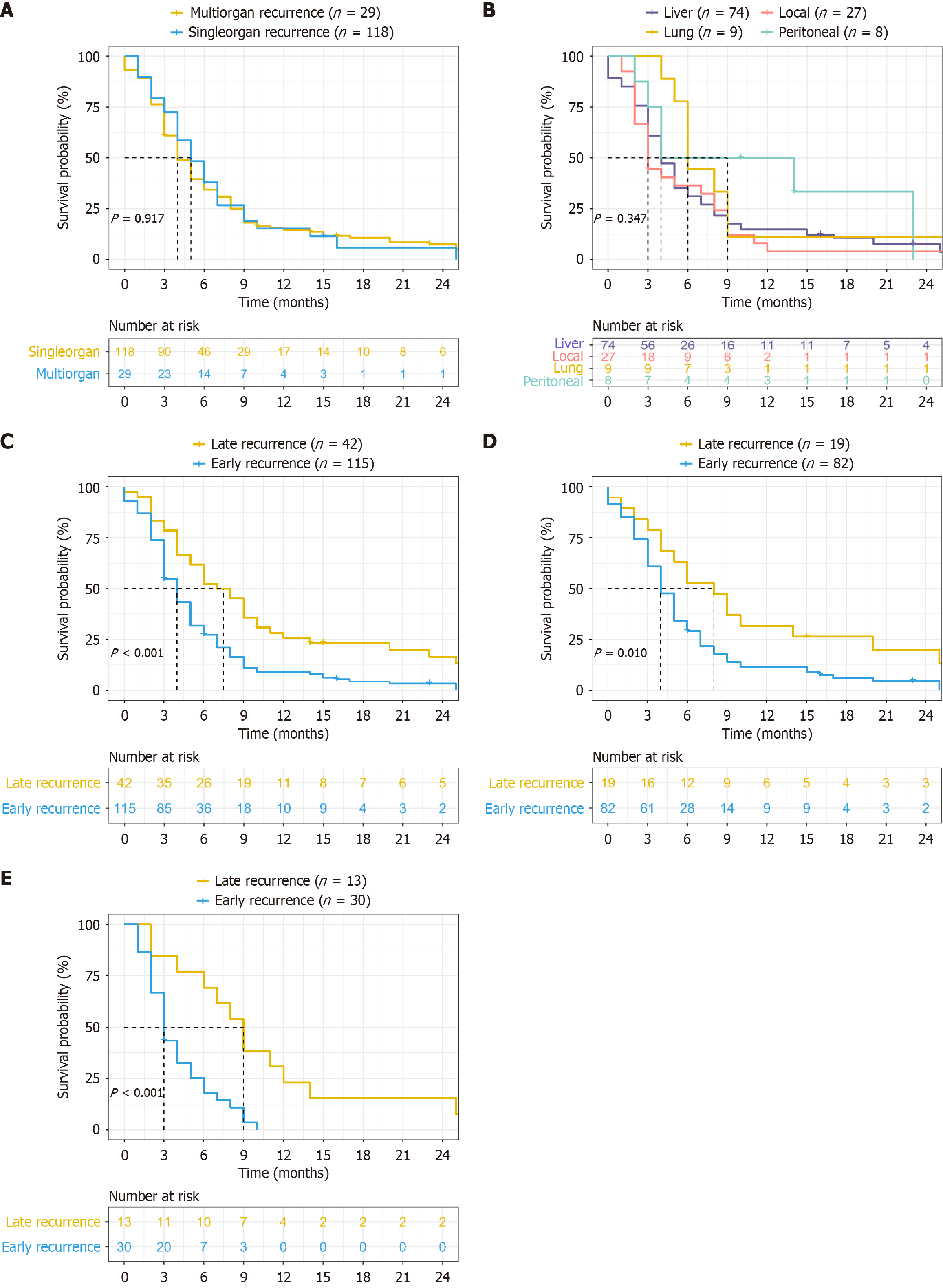
Figure 4 Comparison of post-recurrence survival time of borderline resectable pancreatic cancer patients in different subgroups.
A: Comparison of post-recurrence survival time in patients with single-organ and multi-organ recurrence; B: Comparison of post-recurrence survival time in patients with liver, local, lung and peritoneal recurrence; C: Comparison of post-recurrence survival time in patients with early and late tumor recurrence; D: Comparison of post-recurrence survival time in patients with early and late liver recurrence; E: Comparison of post-recurrence survival time in patients with early and late local recurrence.
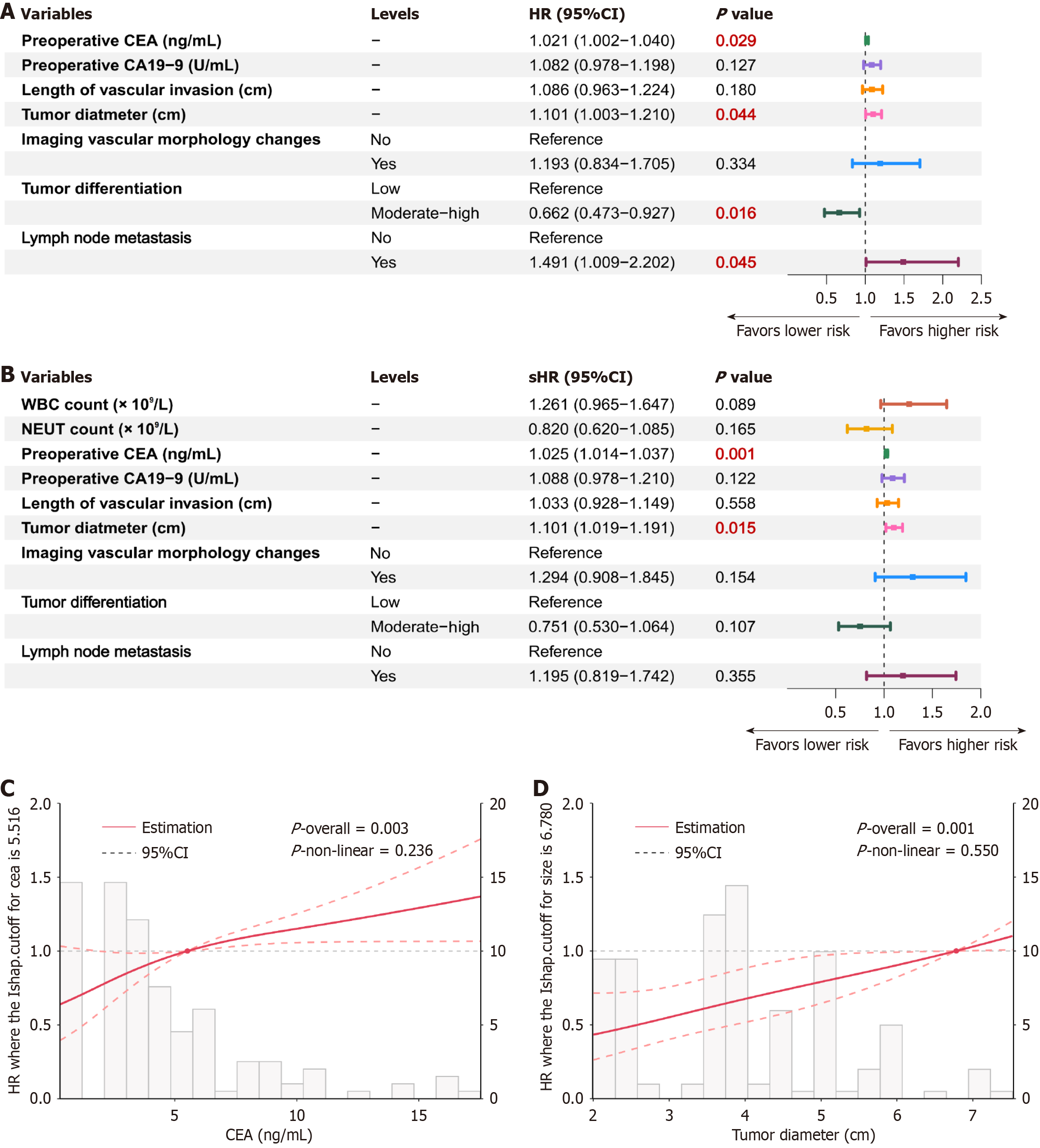
Figure 5 Risk factors for postoperative disease-free survival in borderline resectable pancreatic cancer.
A: Results of multivariate Cox regression for postoperative disease-free survival; B: Results of multivariate Fine-Gray competing risk analysis for postoperative disease-free survival; C: Restricted cubic splines analysis of carcinoembryonic antigen and postoperative disease-free survival; D: Restricted cubic splines analysis of tumor diameter and postoperative disease-free survival. CEA: Carcinoembryonic antigen; CA19-9: Carbohydrate antigen 19-9; CI: Confidence interval; HR: Hazard risk; sHR: Subdistribution hazard ratio.
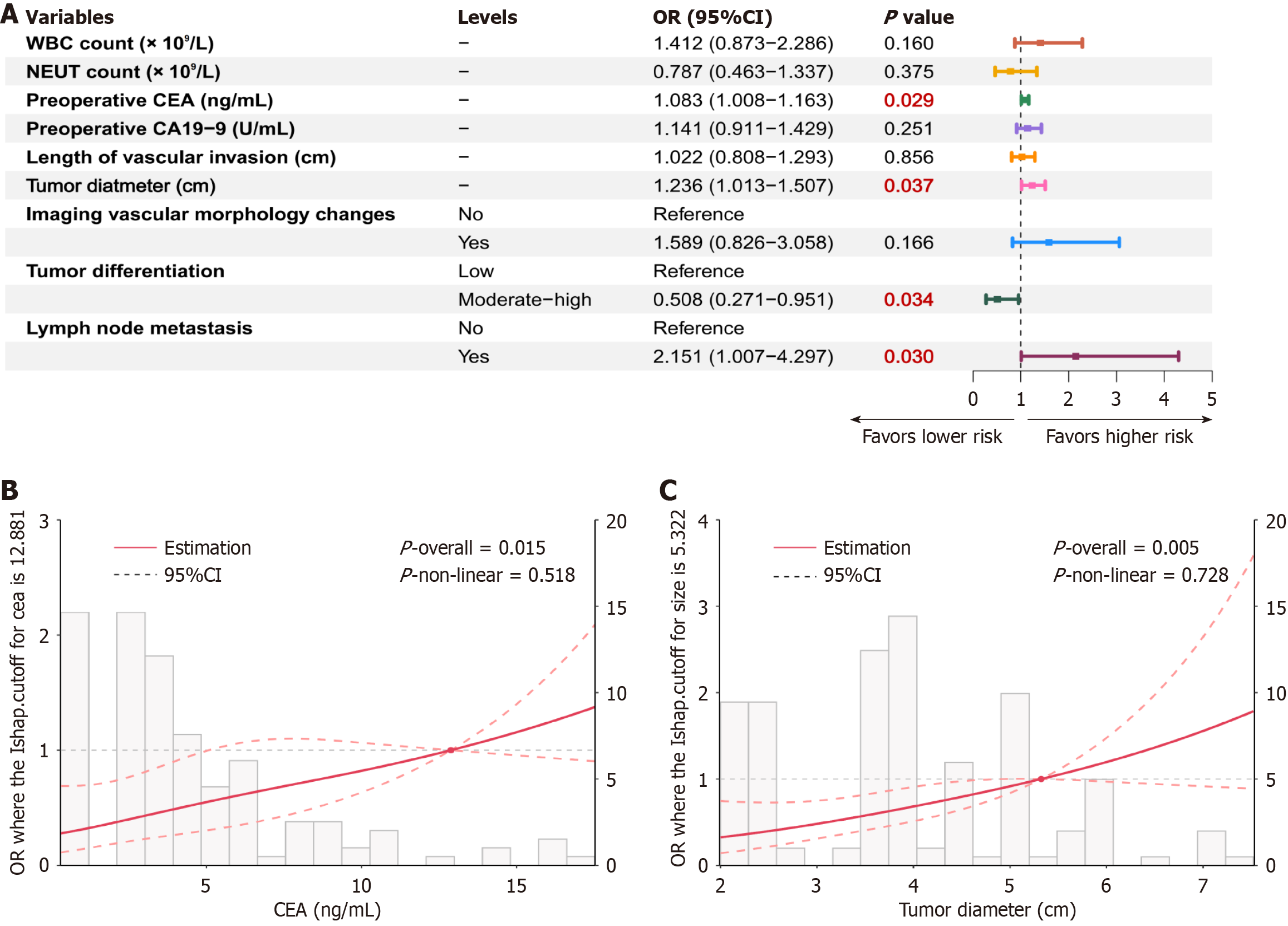
Figure 6 Risk factors for postoperative early tumor recurrence in borderline resectable pancreatic cancer.
A: Results of multivariate logistic regression for postoperative early tumor recurrence; B: Restricted cubic splines analysis of carcinoembryonic antigen and early tumor recurrence; C: Restricted cubic splines analysis of tumor diameter and early tumor recurrence. WBC: White blood cell; NEUT: Neutrophil; CEA: Carcinoembryonic antigen; CA19-9: Carbohydrate antigen 19-9; CI: Confidence interval; OR: Odds ratio.
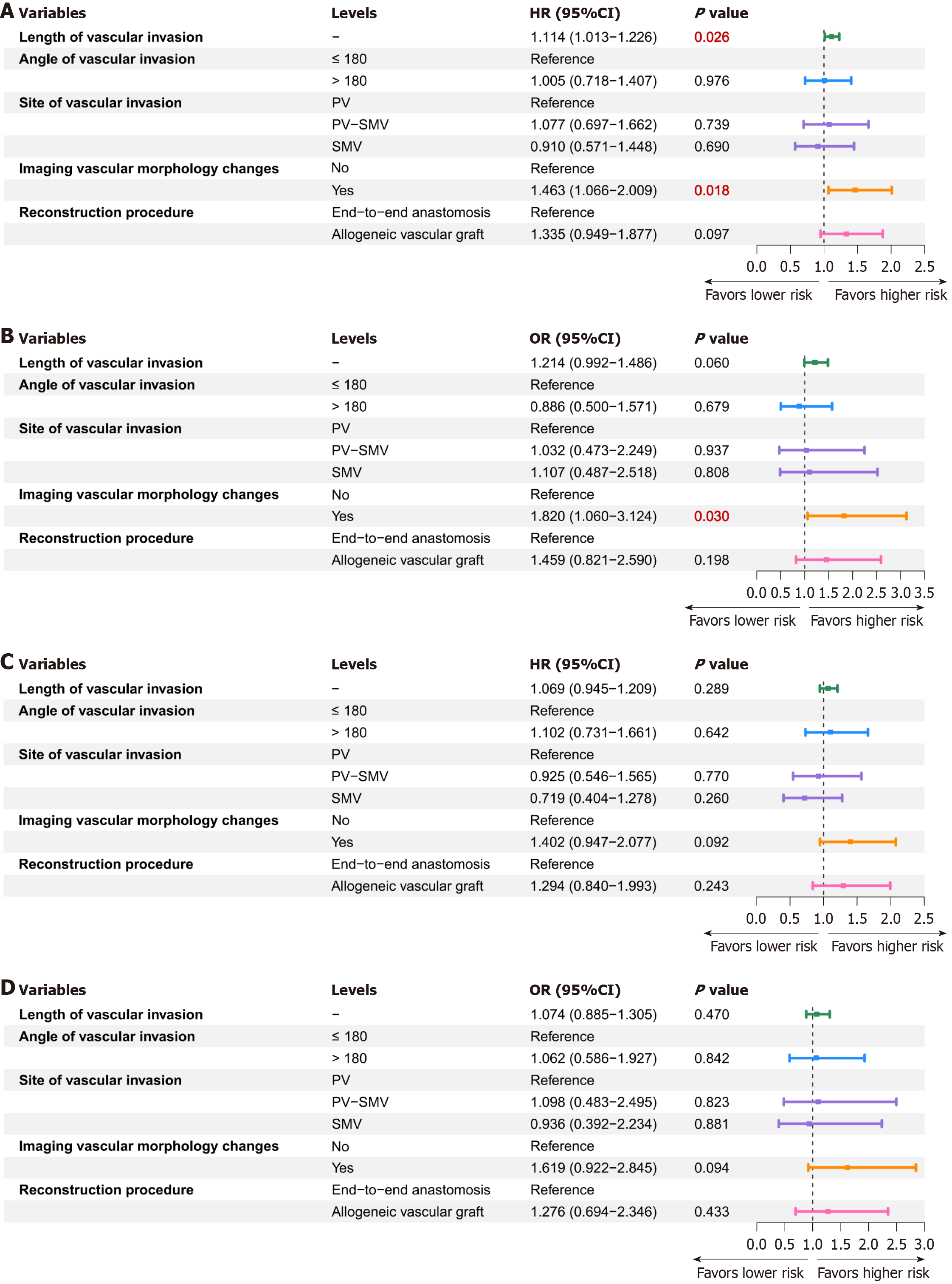
Figure 7 Impact of vascular invasion extent on postoperative recurrence.
A: Impact of vascular invasion extent on disease-free survival; B: Impact of vascular invasion extent on liver-recurrence free survival; C: Impact of vascular invasion extent on early tumor recurrence; D: Impact of vascular invasion extent on early liver recurrence. HR: Hazard ratio; CI: Confidence interval; PV: Portal vein; SMV: Superior mesenteric vein; OR: Odds ratio.
- Citation: Wang HX, Zhao Q, Huang JC, He Q, Lyu SC, Lang R. Pattern and risk factors for postoperative recurrence in borderline resectable pancreatic cancer after upfront surgery. World J Gastroenterol 2026; 32(23): 119613
- URL: https://www.wjgnet.com/1007-9327/full/v32/i23/119613.htm
- DOI: https://dx.doi.org/10.3748/wjg.v32.i23.119613