
















Copyright: ©Author(s) 2026.
World J Gastroenterol. Jun 21, 2026; 32(23): 117320
Published online Jun 21, 2026. doi: 10.3748/wjg.v32.i23.117320
Published online Jun 21, 2026. doi: 10.3748/wjg.v32.i23.117320
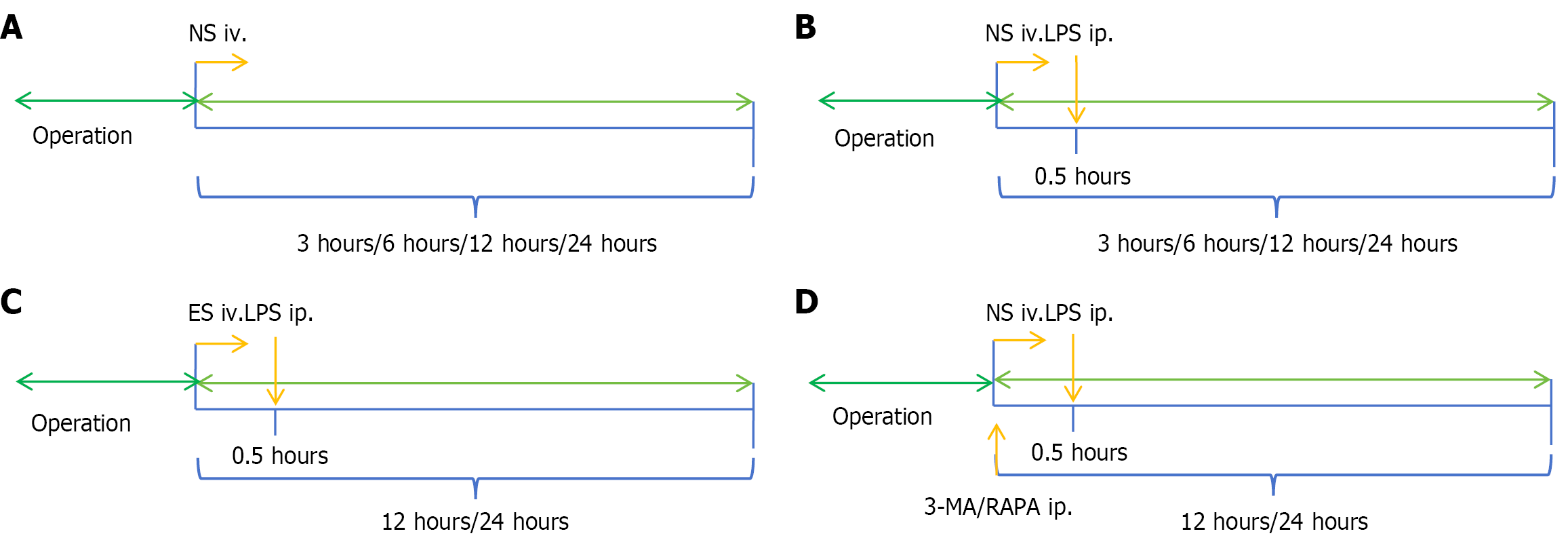
Figure 1 Schematic of the study design.
A: Rats in the Sham group continuously received normal saline (NS) for 3, 6, 12, or 24 hours after surgery; B: Rats in the lipopolysaccharide (LPS) group continuously received NS for 3, 6, 12, or 24 hours, and LPS was administered 30 minutes after the start of the NS infusion; C: Rats in the LPS + ES group continuously received ES for 12 or 24 hours, and LPS was administered 30 minutes after the start of ES and LPS treatment; D: Rats in the LPS + 3-methyladenine (3-MA) and LPS + rapamycin (RAPA) groups continuously received with NS for 12 or 24 hours as well as an intraperitoneal injection of 3-MA or RAPA, followed by an intraperitoneal injection of LPS 30 minutes after the start of the NS infusion. 3-MA: 3-methyladenine; ES: Esmolol; NS: Normal saline; RAPA: Rapamycin; LPS: Lipopolysaccharide.
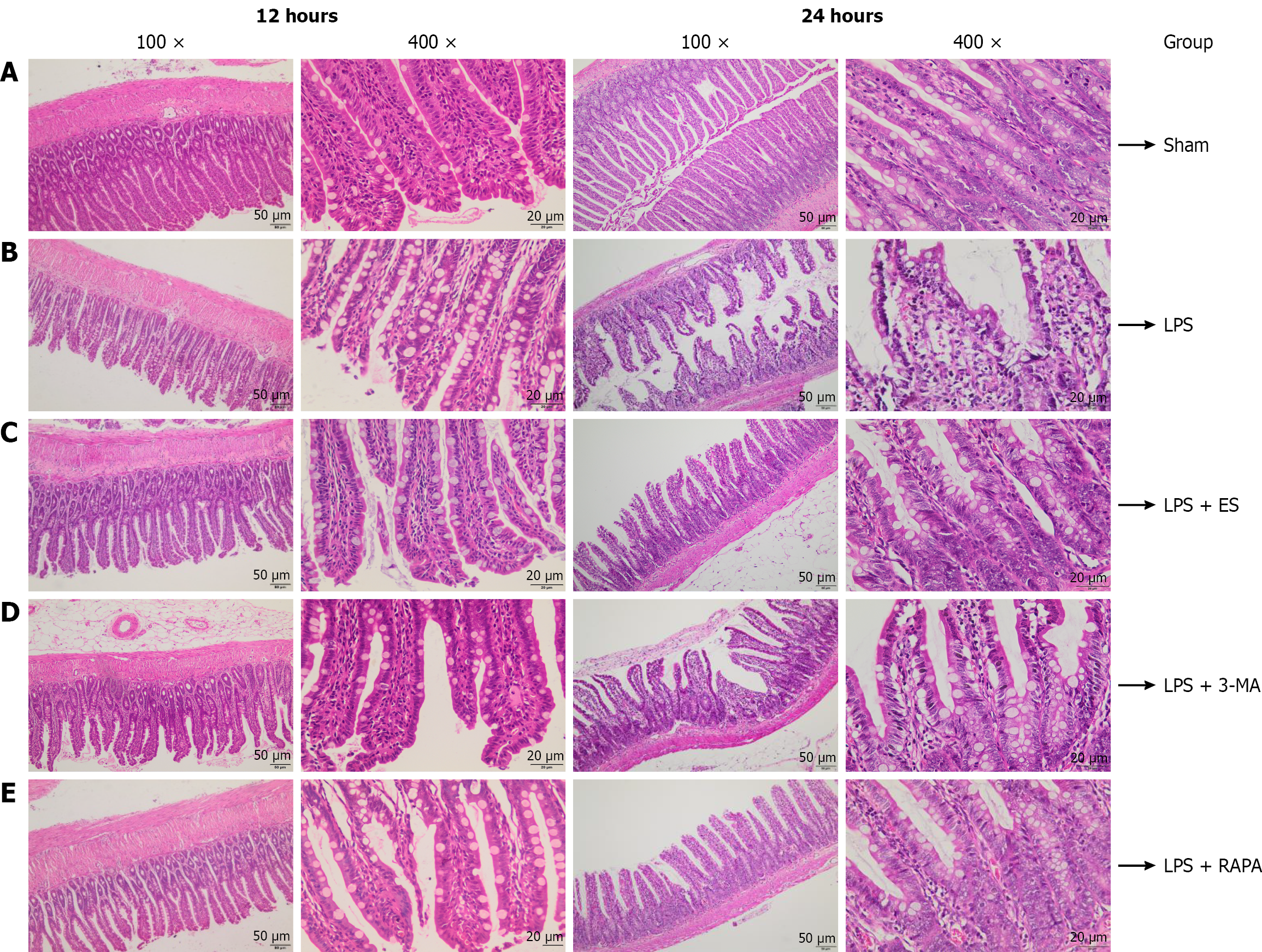
Figure 2 Interstitial tissue pathological changes in sepsis model rats at 12 and 24 hours (n = 6).
The interstitial tissues from rats in different groups were stained with hematoxylin-eosin (H&E). A: No significant tissue destruction or other symptoms were observed in the Sham group; B: Whereas significant pathological tissue changes were observed in the lipopolysaccharide group; C: After treatment with esmolol, the impairments were reduced; D: Significant pathological tissue changes were observed in rats treated with 3-methyladenine; E: The impairments were reduced in rats treated with rapamycin. H&E, × 100 magnification, scale bar = 50 μm; × 400 magnification, scale bar = 20 μm. 3-MA: 3-methyladenine; ES: Esmolol; NS: Normal saline; RAPA: Rapamycin; LPS: Lipopolysaccharide.
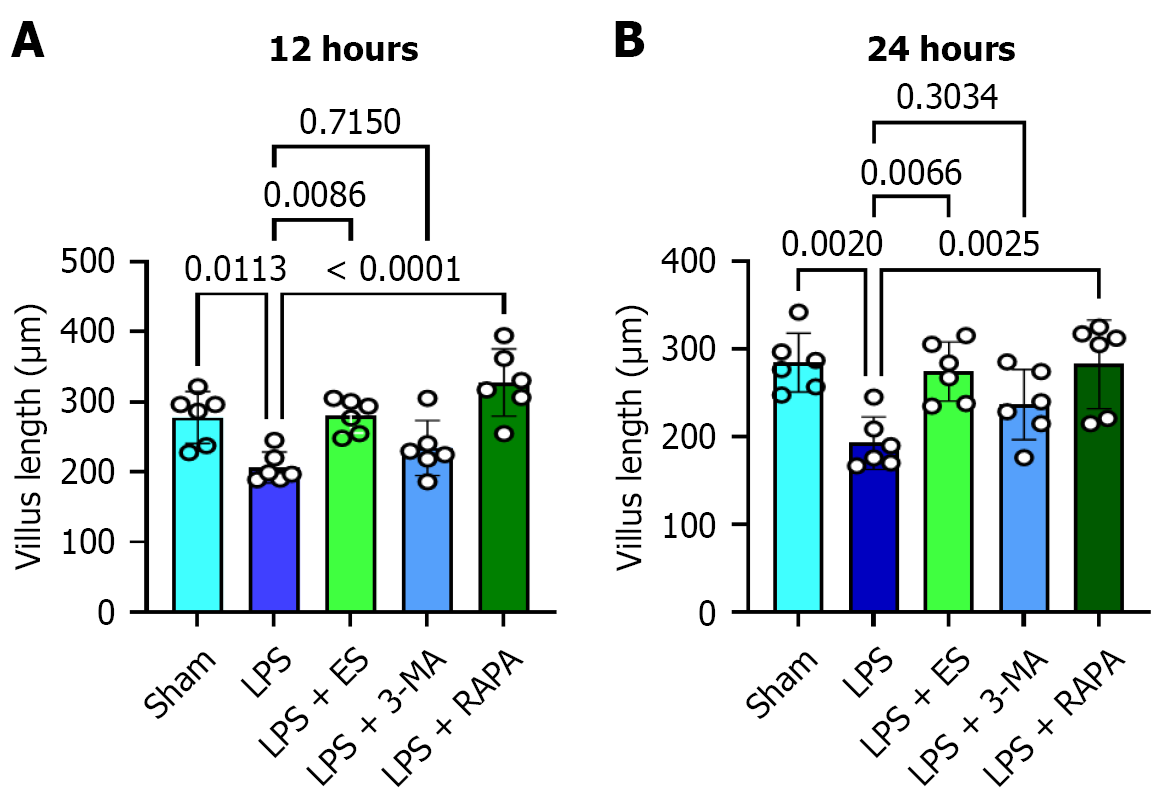
Figure 3 Effects of esmolol on lipopolysaccharide-induced shortening of the interstitial villus (n = 6).
A: The length of the interstitial villus in each group at 12 hours; B: The length of the interstitial villus in each group at 24 hours. Each bar presents the mean ± SE of the mean. n = 6 in each group. LPS: Lipopolysaccharide; ES: Esmolol; 3-MA: 3-methyladenine; RAPA: Rapamycin.
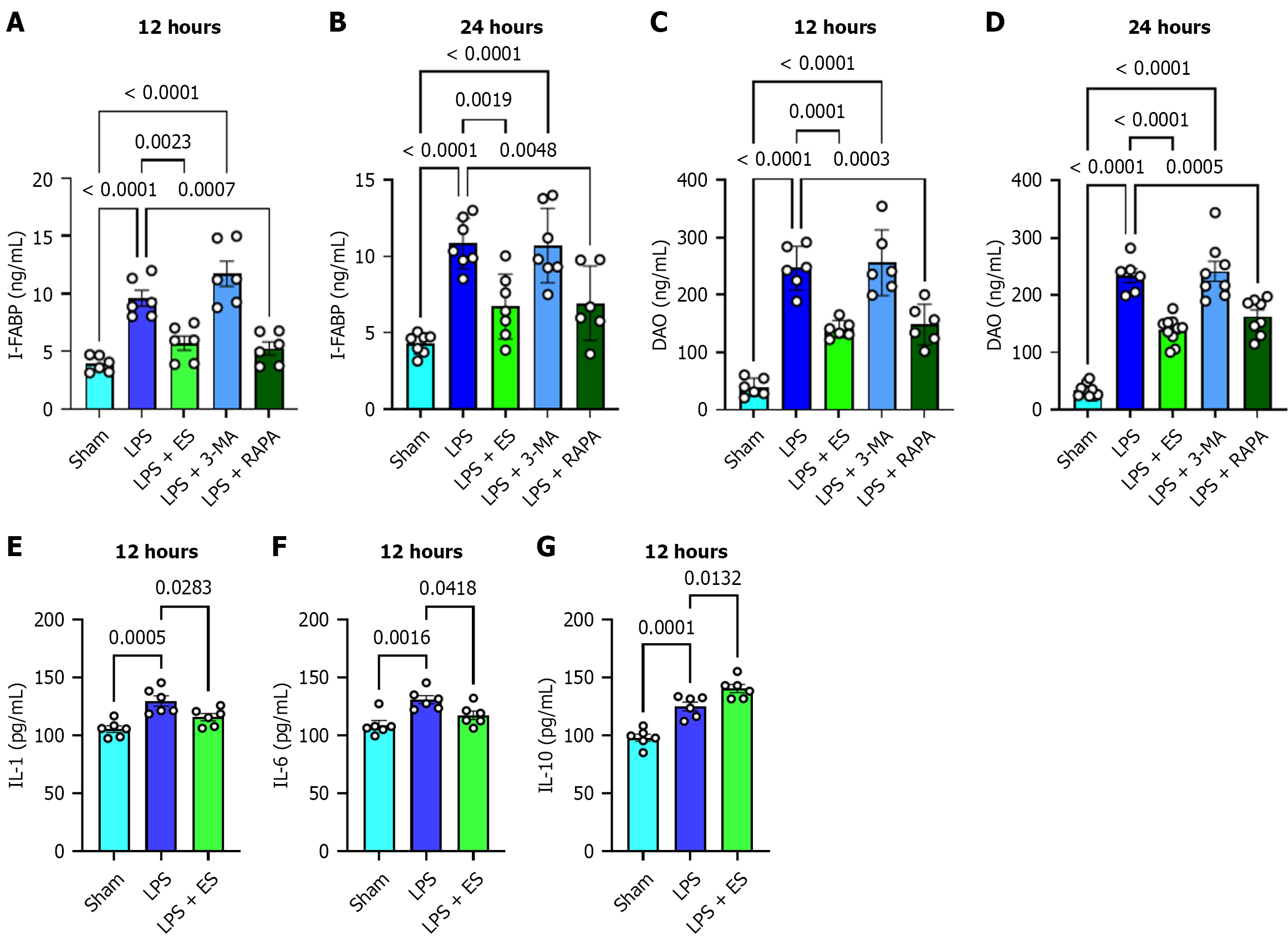
Figure 4 Esmolol suppressed the levels of fatty acid-binding protein, diamine oxidase, interleukin-1, and interleukin-6 and increased the levels of interleukin-10 in rats with lipopolysaccharide-induced sepsis.
A: Fatty acid-binding protein (I-FABP) concentration at 12 hours; B: I-FABP concentration at 24 hours; C: Diamine oxidase (DAO) concentration at 12 hours; D: DAO concentration at 24 hours; E: Interleukin (IL-1) level at 12 hours; F: IL-6 level at 12 hours; G: IL-10 level at 12 hours. Lipopolysaccharide (LPS) significantly increased the production of I-FABP and DAO, whereas esmolol (ES) and rapamycin markedly decreased their serum levels (A-D). LPS significantly increased the production of IL-1 and IL-6 and decreased that of IL-10 at 12 hours. ES suppressed the levels of IL-1 and IL-6 and increased those of IL-10 in rats with LPS-induced sepsis at 12 hours. n = 6 in each group. I-FABP: Fatty acid-binding protein; DAO: Diamine oxidase; ES: Esmolol; 3-MA: 3-methyladenine; IL: Interleukin; RAPA: Rapamycin.
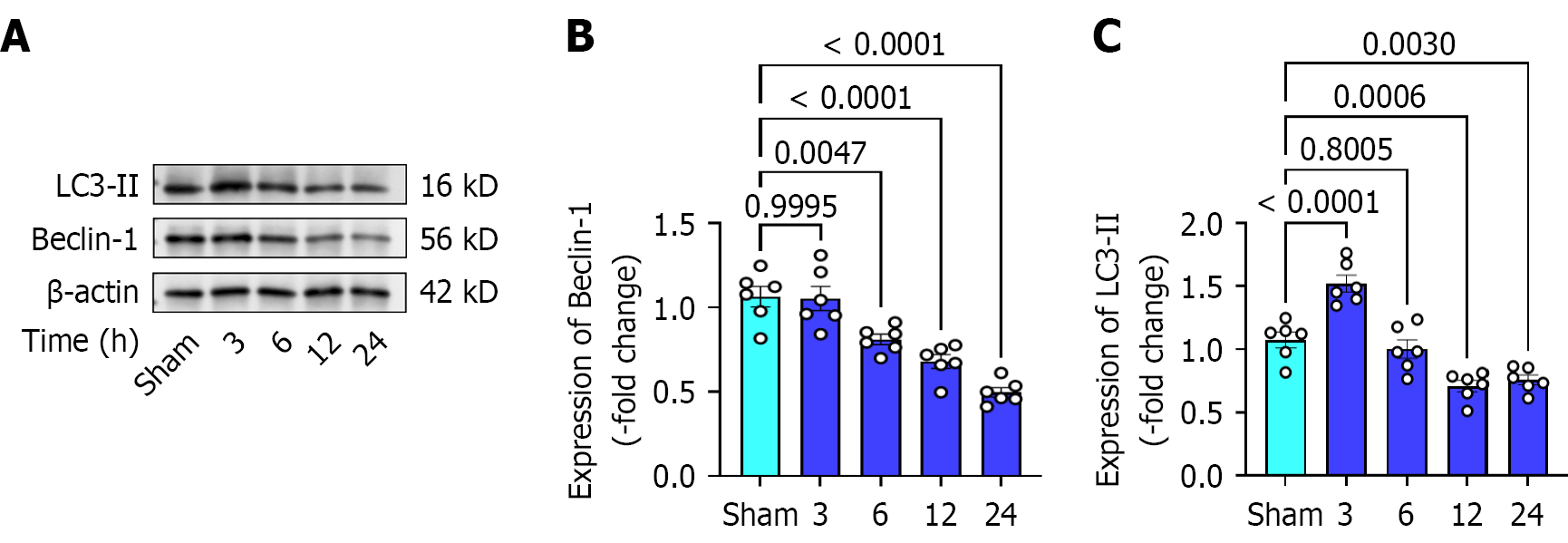
Figure 5 Effects of lipopolysaccharide on autophagy changed with time in rats with sepsis.
A: The expression of Beclin-1 and LC3-II in the intestine was detected by western blotting; B: Quantitative analysis of Beclin-1 protein expression at different time points; C: Quantitative analysis of LC3-II protein expression at different time points. Lipopolysaccharide (10 mg/kg) induced LC3-II at 3 hours (A and C) but inhibited Beclin-1 and LC3-II at 12 hours and 24 hours (A, B, and C). Data in the Sham group were set to 1. n = 6 in each group.
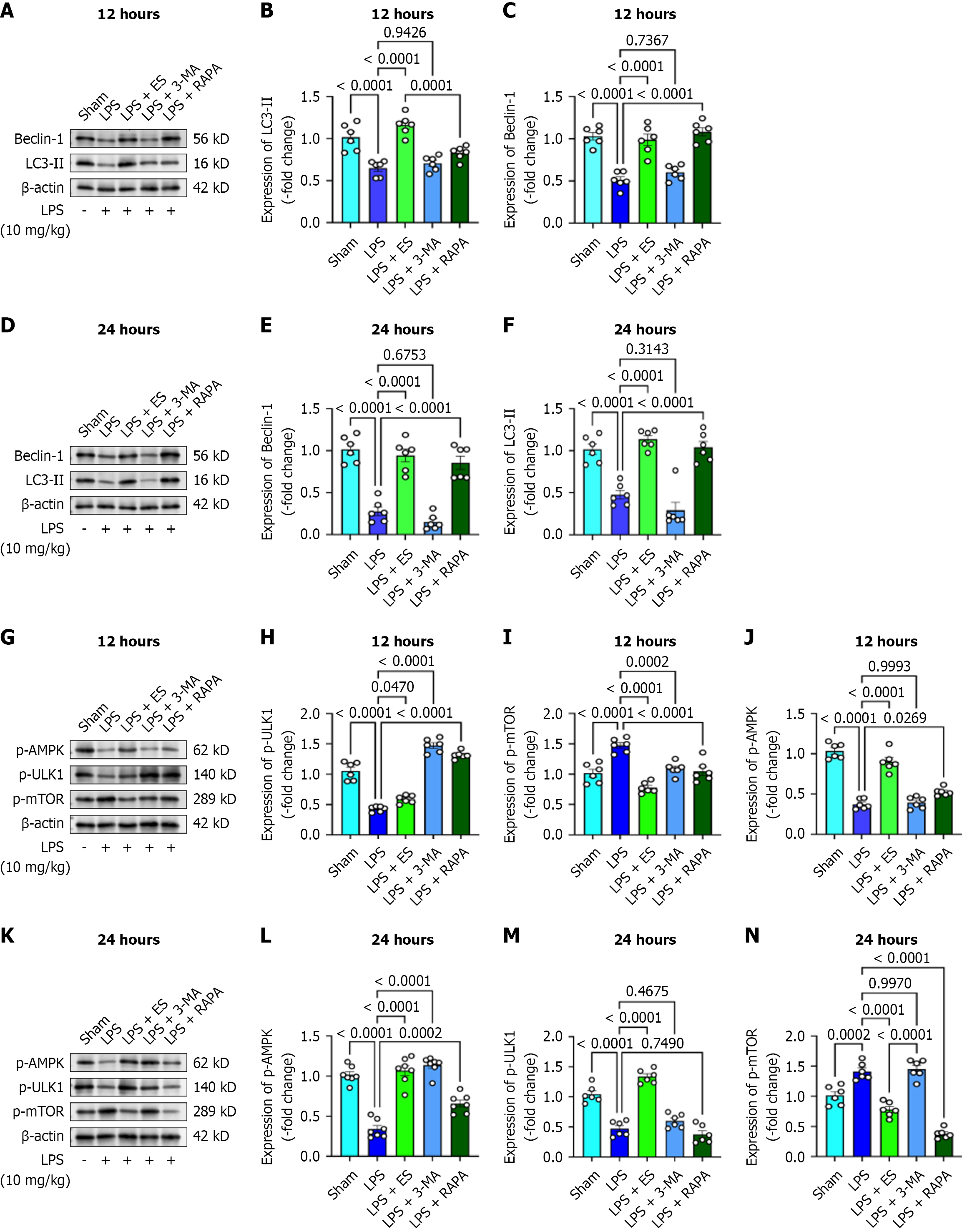
Figure 6 Western blotting was performed for Beclin-1, LC3-II, p-AMPK, p-ULK1, and p-mTOR in intestinal tissue homogenates in the Sham, lipopolysaccharide, lipopolysaccharide + esmolol, lipopolysaccharide + 3-methyladenine, and lipopolysaccharide + rapamycin treatment groups (after 12 and 24 hours of treatment).
A-C: The 12-hour protein levels of Beclin-1, LC3-II and β-Actin were determined by western blotting of each group; D-F: The 24-hour protein levels of Beclin-1, LC3-II and β-Actin were determined by western blotting of each group; G-J: The 12-hour protein levels of p-AMPK, p-ULK1, p-mTOR and β-Actin were determined by western blotting of each group; K-N: The 24-hour protein levels of p-AMPK, p-ULK1,p-mTOR and β-Actin were determined by western blotting of each group.β-actin was used as a loading control and for normalization. Representative immunoblots and densitometry analyses are presented. Data in the Sham group were set to 1. n = 6 in each group. 3-MA: 3-methyladenine; ES: Esmolol; RAPA: Rapamycin; LPS: Lipo
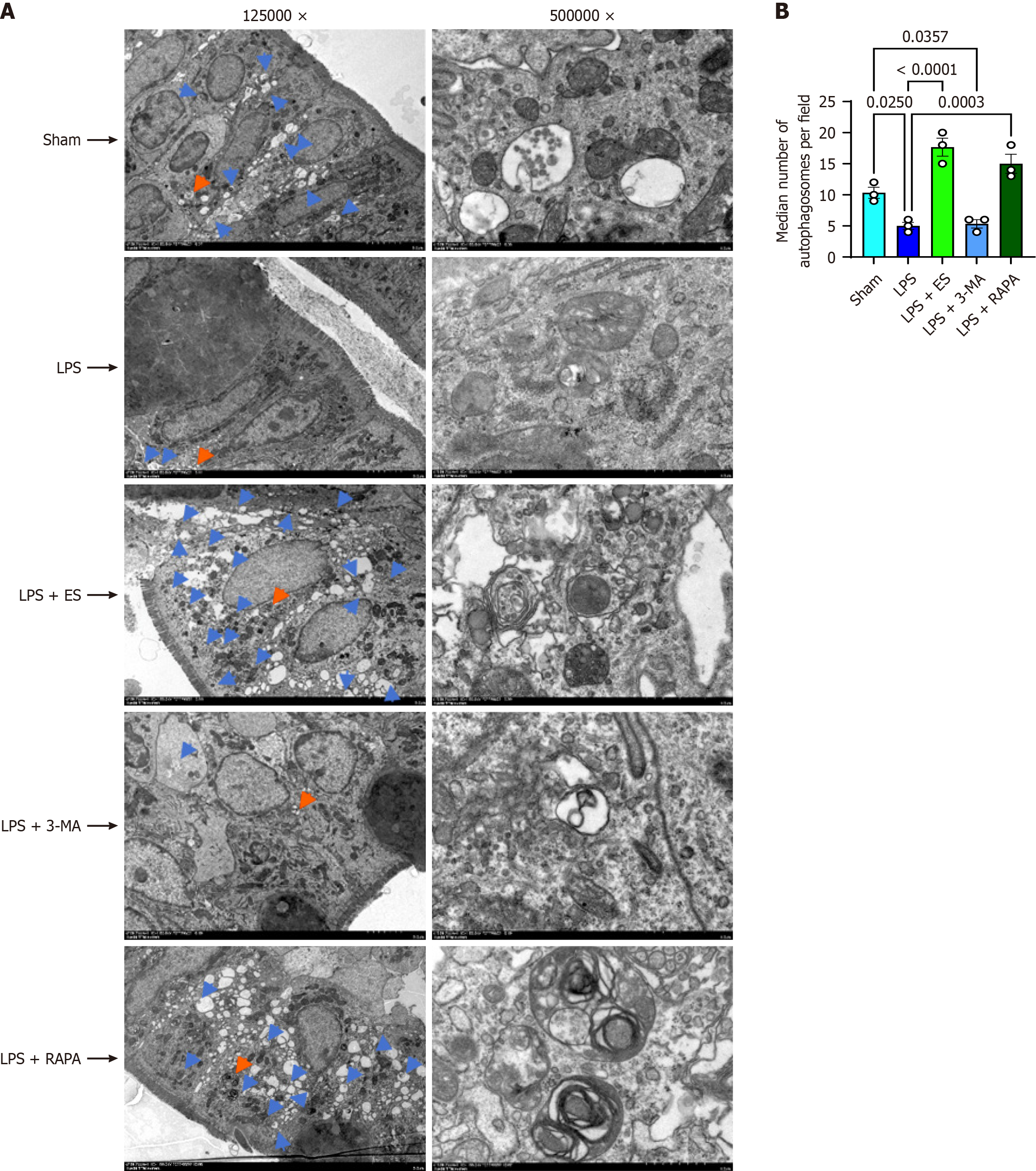
Figure 7 Evaluation of autophagosome counts in the Sham, lipopolysaccharide, lipopolysaccharide + esmolol, lipopolysaccharide + rapamycin, and lipopolysaccharide + 3-methyladenine groups.
A: Transmission electron microscopy was used to observe the number of auto
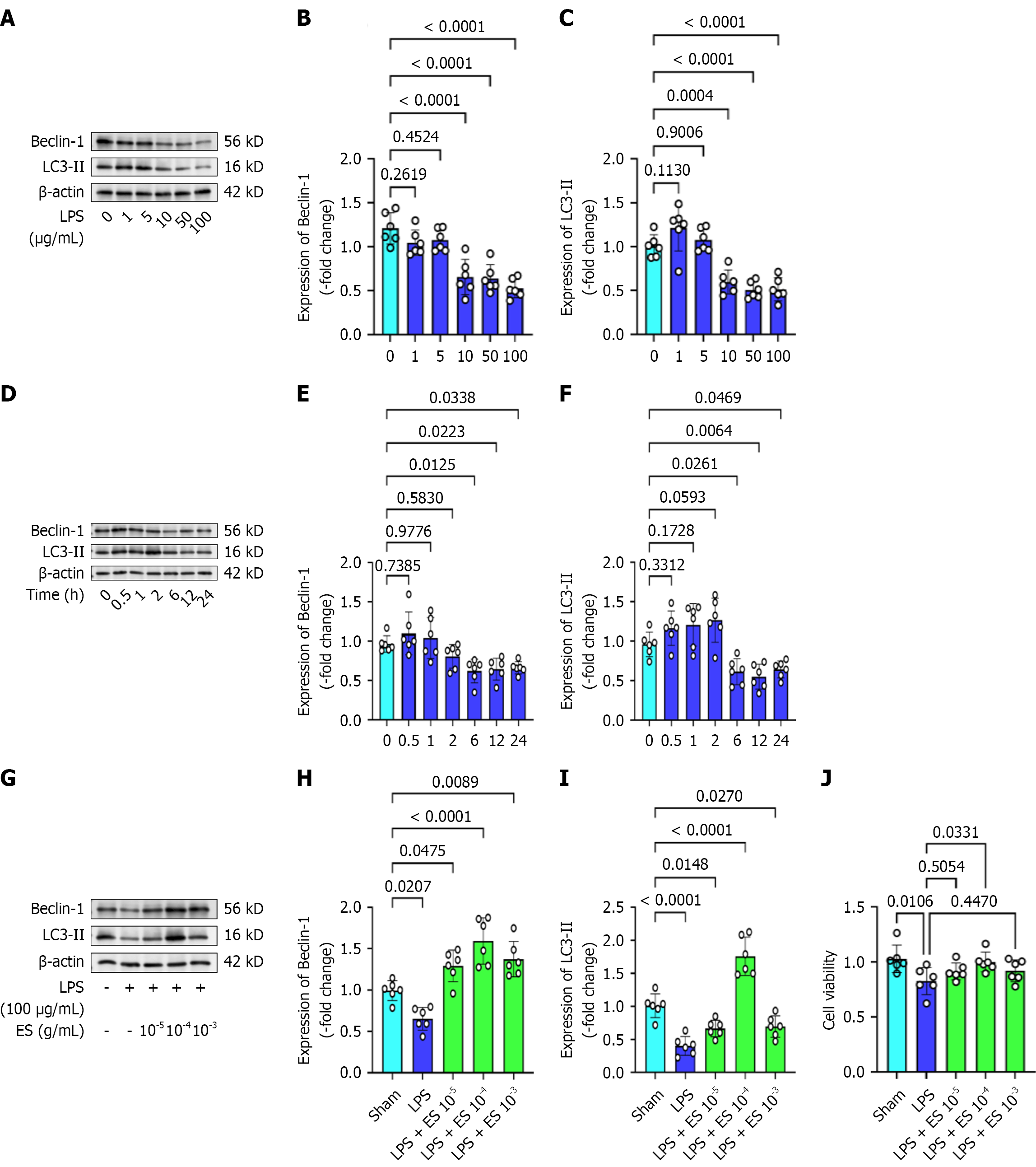
Figure 8 Esmolol significantly improves cell viability and induces autophagy in IEC-6 cells following lipopolysaccharide treatment.
A-C: The effect of different concentrations of lipopolysaccharide on the expression of autophagy markers Beclin-1 and LC3-II in IEC-6 cell; D-F: The effect of both different duration of lipopolysaccharide on the expression of autophagy markers Beclin-1 and LC3-II induced by lipopolysaccharide (LPS) in IEC-6 cells; G-I: The effect of different concentrations of ES on the expression of autophagy markers Beclin-1 and LC3-II in LPS-stimulated IEC-6 cells; J: Esmolol (1 × 10⁻⁴ g/mL) significantly increases cell viability in LPS-treated IEC-6 cells. n = 6 in each group. LPS: Lipopolysaccharide; ES: Esmolol.
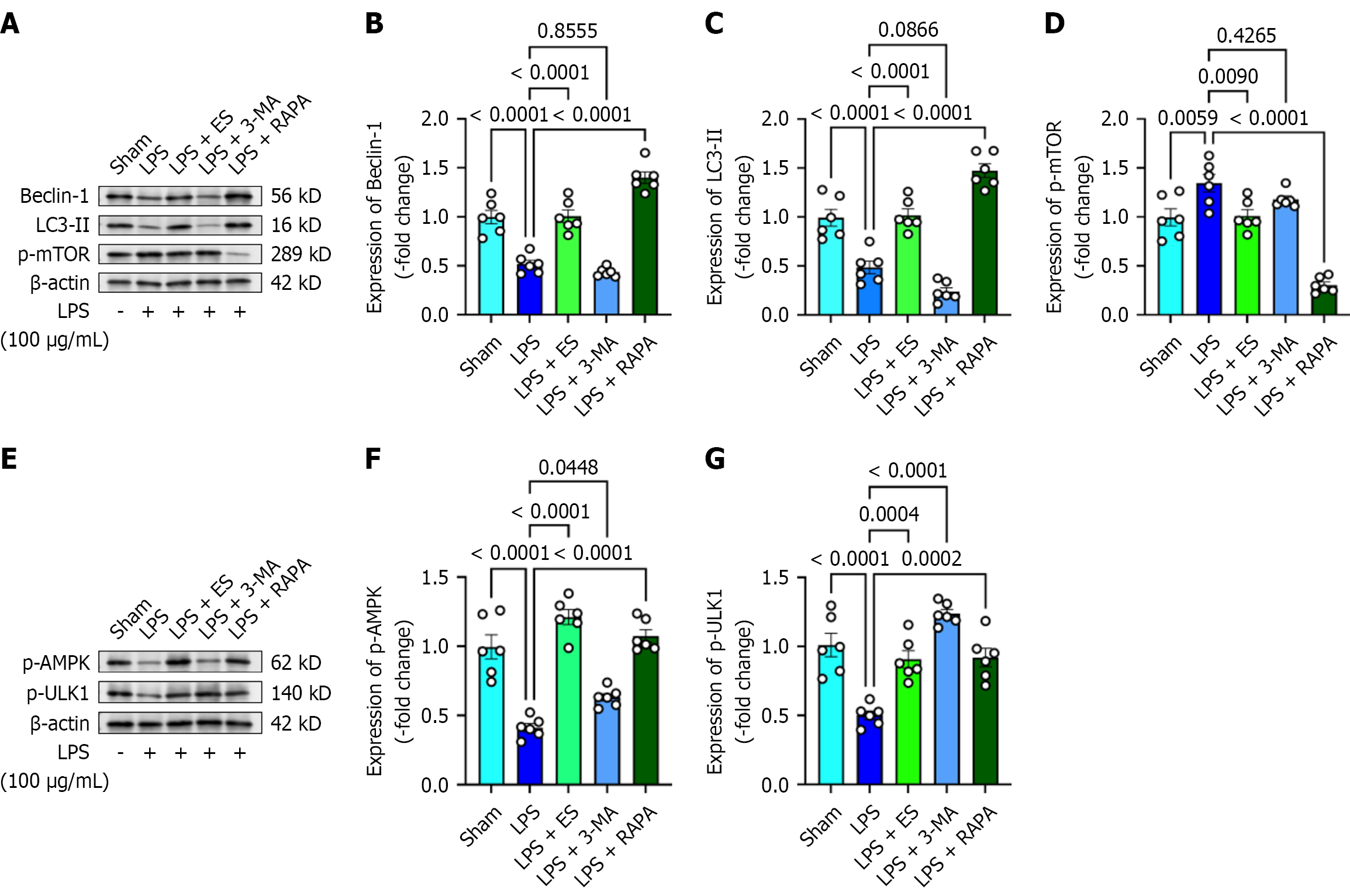
Figure 9 Western blot analysis was performed for Beclin-1, LC3-II, p-AMPK, p-ULK1, and p-mTOR in IEC-6 cells in the Sham, lipo
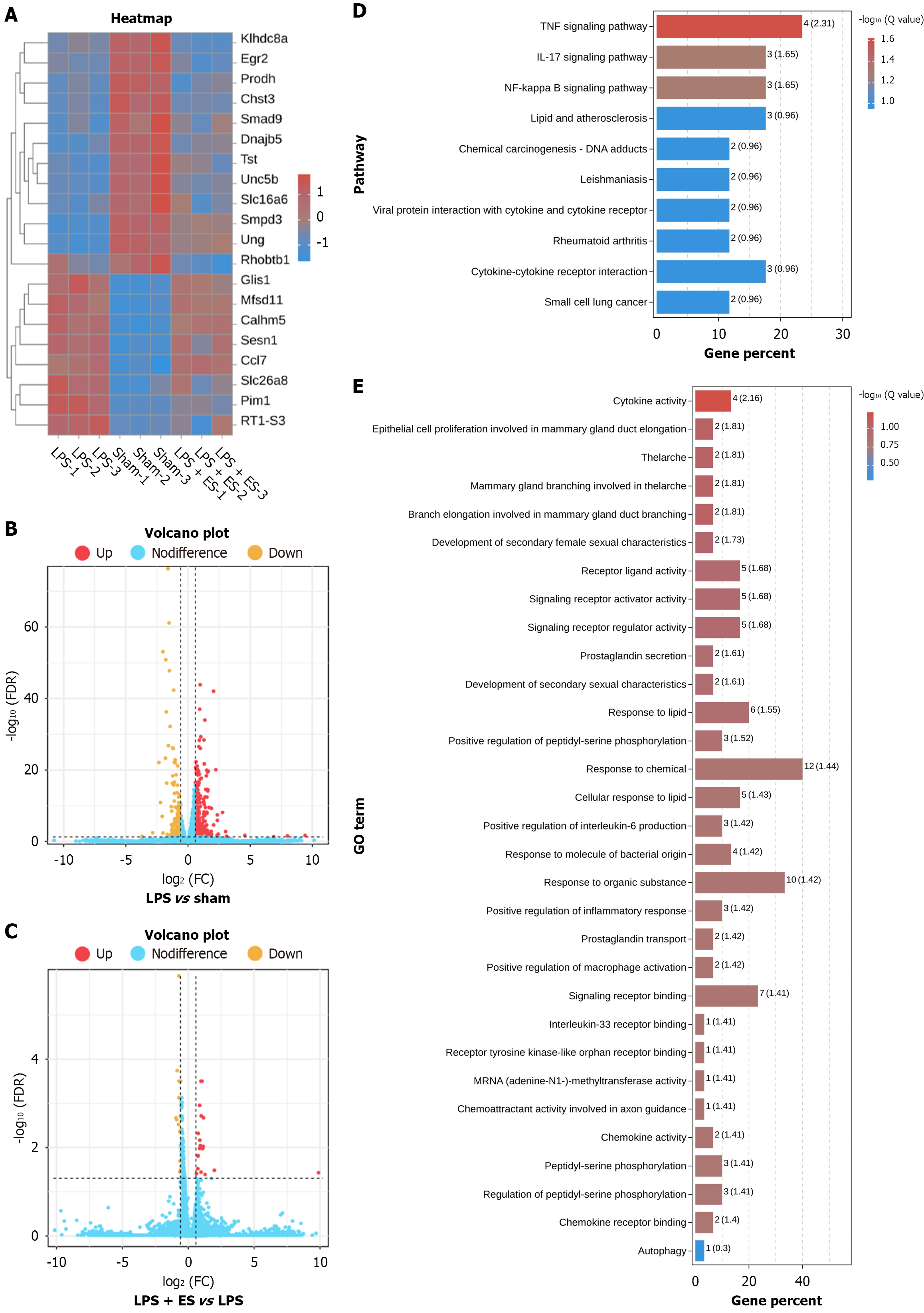
Figure 10 Esmolol regulates the expression of genes related to sepsis.
A: Heatmap for hierarchical cluster analysis of differentially expressed genes (DEGs) between the groups. Red denotes high expression, and blue denotes low expression; B: Volcano plots of upregulated and downregulated DEGs between the lipopolysaccharide (LPS) and Sham groups; C: Volcano plots of upregulated and downregulated DEGs between the LPS + esmolol and LPS groups; D: Kyoto Encyclopedia of Genes and Genomes functional enrichment analysis; E: Gene Ontology functional enrichment analysis. n = 3 in each group. ES: Esmolol; LPS: Lipopolysaccharide.
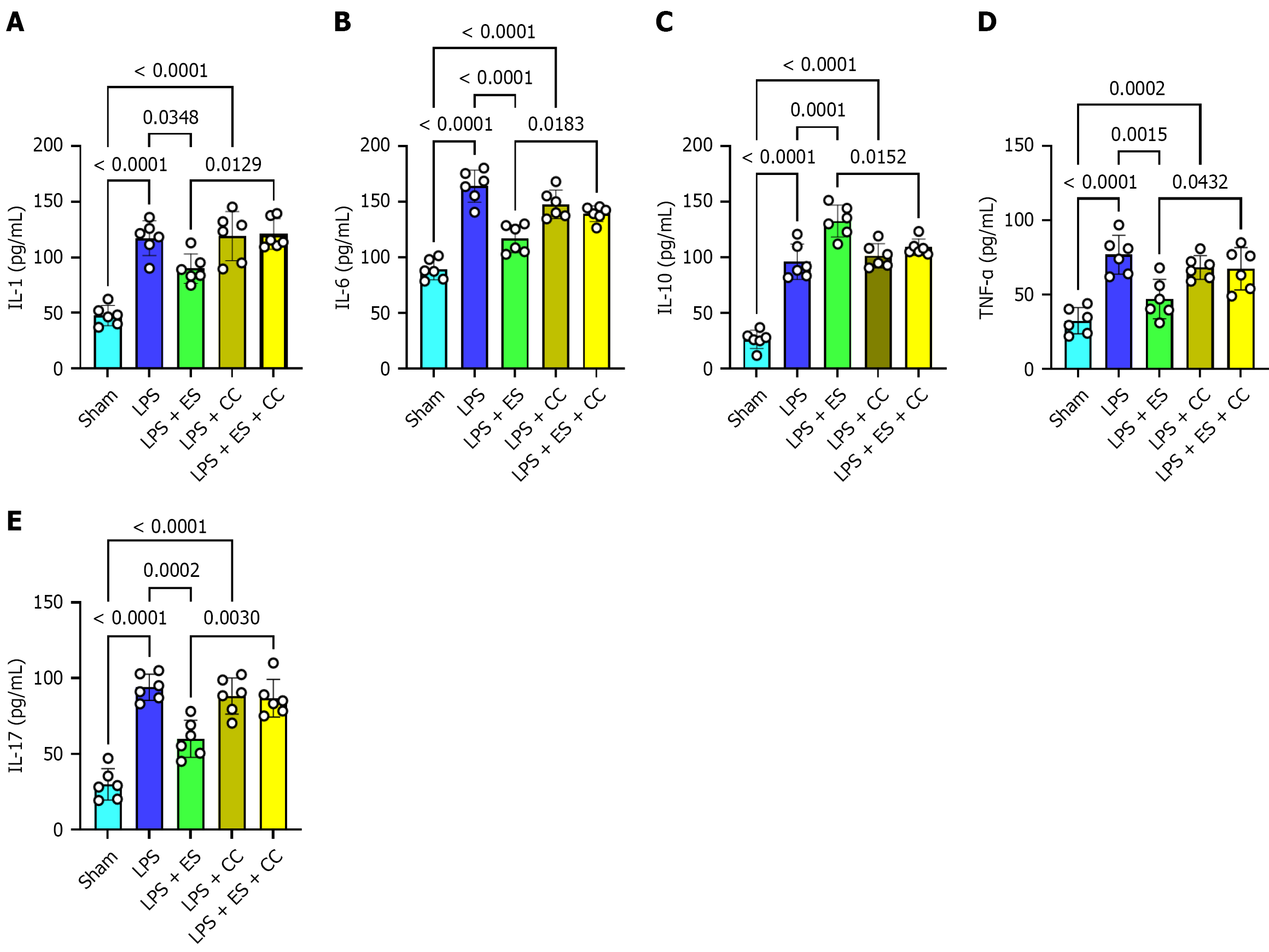
Figure 11 Enzyme-linked immunosorbent assay was employed to assess alterations in inflammatory factors within IEC-6 cells after 6 hours of treatment in each group.
A: Interleukin (IL)-1 level at 6 hours; B: IL-6 level at 6 hours; C: IL-10 level at 6 hours; D: Tumor necrosis factor-α level at 6 hours; E: IL-17 level at 6 hours. ES: Esmolol; LPS: Lipopolysaccharide; IL: Interleukin; TNF-α: Tumor necrosis factor-α; CC: Compound C.
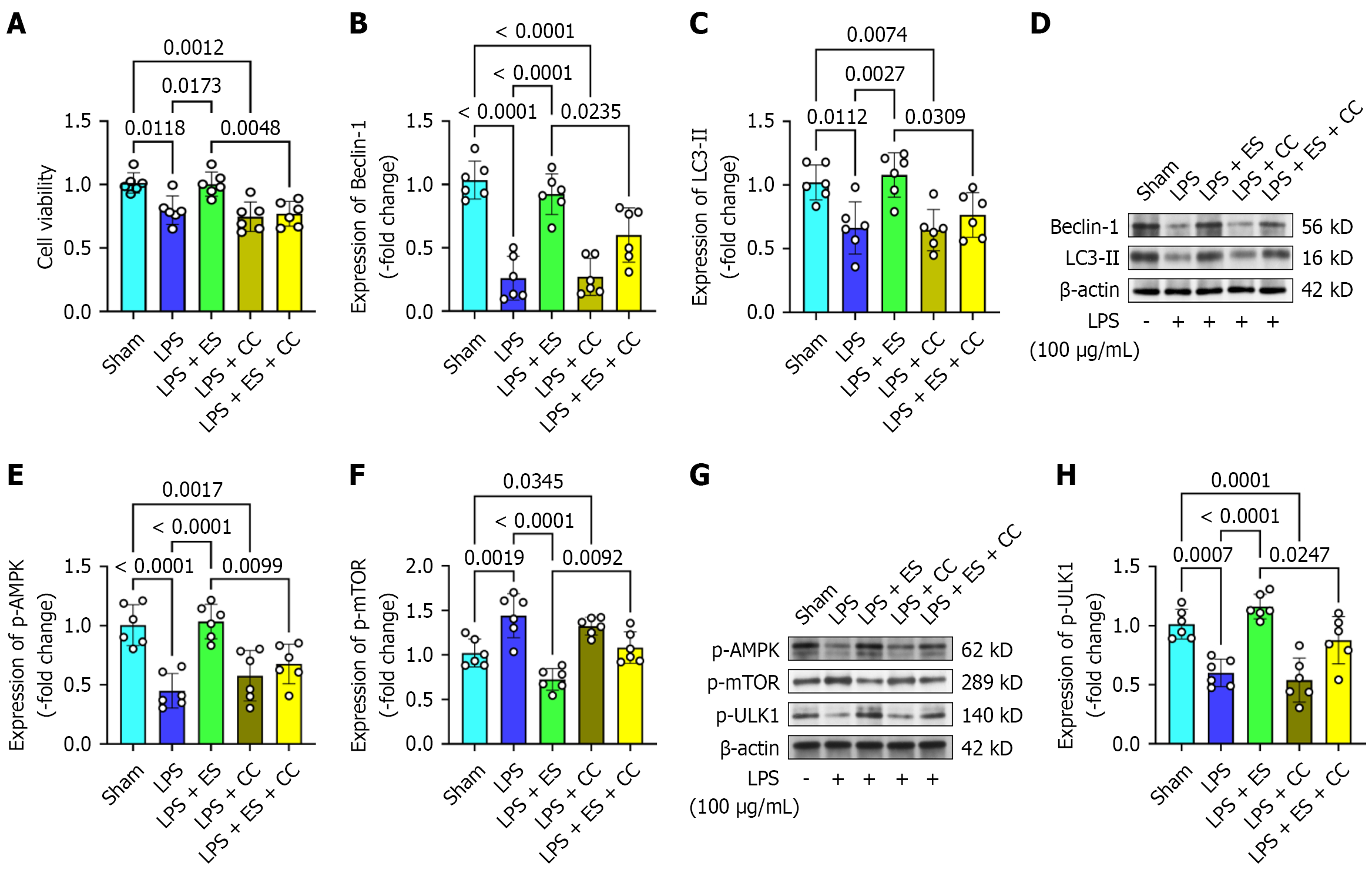
Figure 12 Esmolol ameliorates lipopolysaccharide-induced intestinal injury via the AMPK/mTOR/ULK1 autophagy pathway.
A: The MTT assay was used to detect cell viability; B-D: Western blotting analysis was performed to analyze Beclin-1, LC3-II expression in IEC-6 cells in the Sham, lipopolysaccharide (LPS), LPS + esmolol (ES), LPS + Compound C (CC), and LPS + ES + CC treatment groups (after 6 hours of treatment); E-H: Western blotting analysis was performed to analyze p-AMPK, p-ULK1, and p-mTOR expression in IEC-6 cells after 6 hours of treatment in each group. β-actin was used as a loading control and for normalization. Representative immunoblots and densitometry analyses are presented. Data in the Sham group were set to 1. n = 6 in each group. ES: Esmolol; CC: Compound C; LPS: Lipopolysaccharide.

Figure 13 Possible molecular mechanism by which esmolol influences signaling crosstalk in lipopolysaccharide-induced intestinal injury.
Esmolol, as a selective β1-adrenoceptor antagonist, alleviates intestinal injury in rats with sepsis by augmenting autophagy, downregulating interleukin (IL-1), IL-17, TNF-α, and IL-6, and upregulating IL-10 through the AMPK/mTOR/ULK1 pathway. IL: Interleukin; LPS: Lipopolysaccharide.
- Citation: Zhang YB, Yu ZJ, Jin J, Liu MX, Ji FH, Yang XJ. Esmolol alleviates lipopolysaccharide-induced intestinal injuries by enhancing autophagy through the AMPK/mTOR/ULK1 pathway. World J Gastroenterol 2026; 32(23): 117320
- URL: https://www.wjgnet.com/1007-9327/full/v32/i23/117320.htm
- DOI: https://dx.doi.org/10.3748/wjg.v32.i23.117320