
















Copyright: ©Author(s) 2026.
World J Gastroenterol. Jun 21, 2026; 32(23): 117238
Published online Jun 21, 2026. doi: 10.3748/wjg.v32.i23.117238
Published online Jun 21, 2026. doi: 10.3748/wjg.v32.i23.117238
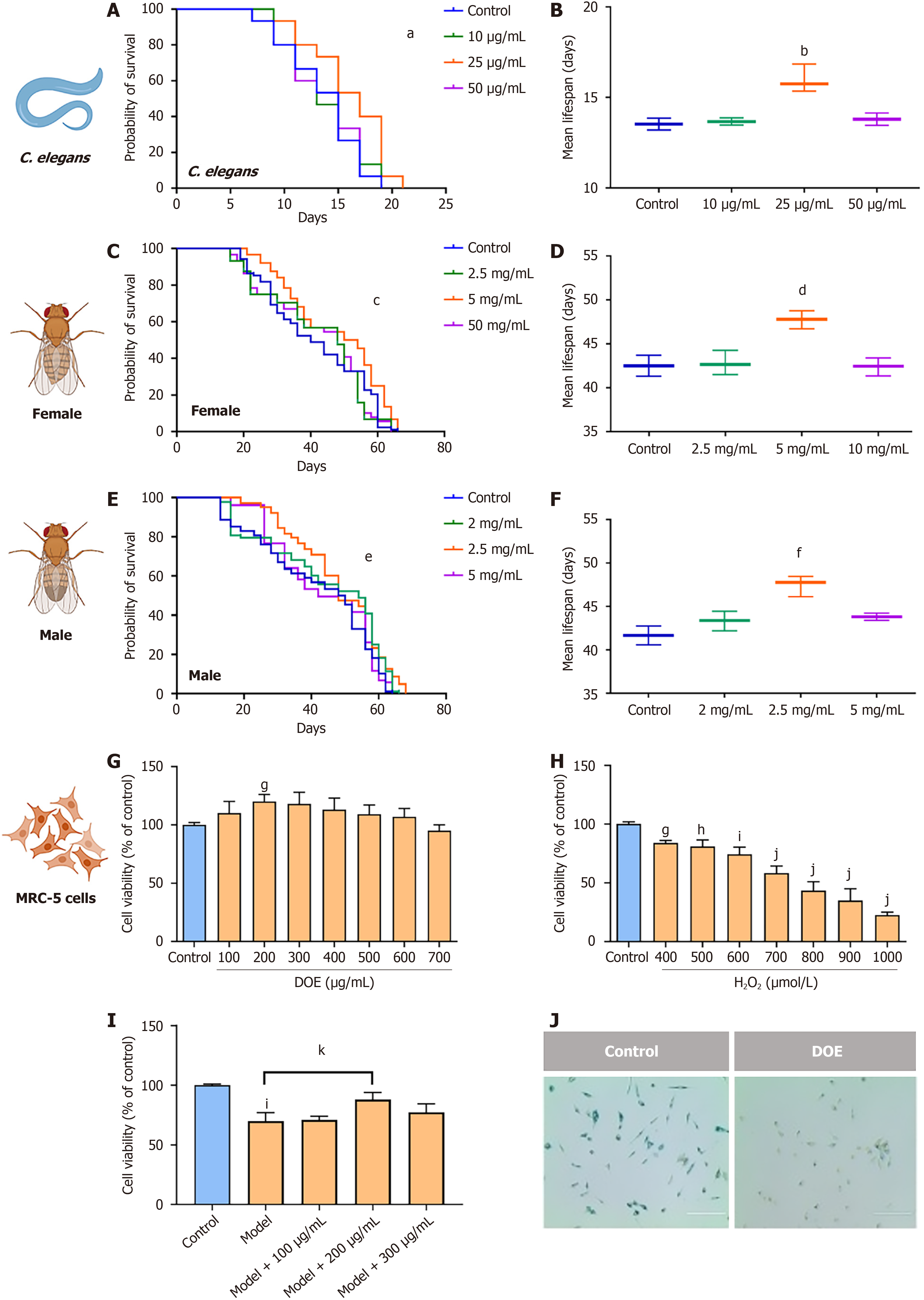
Figure 1 Survival of nematodes, flies, and MRC-5 cells after supplementation with medium containing Dendrobium officinale extract.
A: Survival curve of nematodes (n = 90 nematodes); B: Mean lifespan of nematodes (n = 90 nematodes); C: Survival curve for female flies (n = 150 flies); D: Mean lifespan for female flies (n = 150 flies); E: Survival curve for male flies (n = 150 flies); F: Mean lifespan for male flies (n = 150 flies); G: Effect on viability of MRC-5 cells induced by Dendrobium officinale extract (DOE) by cell counting kit-8 (CCK-8) assay (n = 3); H: Effect on viability of MRC-5 cells induced by hydrogen peroxide by CCK-8 assay (n = 3); I: CCK-8 assays of damaged MRC-5 cells treated with DOE (n = 3); J: Aging-related galactosidase staining (SA-β-gal), senescent cells are stained dark blue-green, and have increased cell volume and irregular shapes, scale bar = 200 μm. The data are expressed as the mean ± SD. Data were analyzed by log-rank test (survival) or one-way analysis of variance with post-hoc test (multiple comparisons). aP < 0.05 vs control group in nematodes. bP < 0.001 vs control group in nematodes. cP < 0.001 vs control group in female flies. dP < 0.01 vs control group in female flies. eP < 0.01 vs control group in male flies. fP < 0.01 vs control group in male flies. gP < 0.05 vs control group in MRC-5 cells. hP < 0.01 vs control group in MRC-5 cells. iP < 0.001 vs control group in MRC-5 cells. jP < 0.0001 vs control group in MRC-5 cells. kP < 0.05 vs model group in MRC-5 cells. C. elegans: Caenorhabditis elegans; DOE: Dendrobium officinale extract; H2O2: Hydrogen peroxide; con: Control.
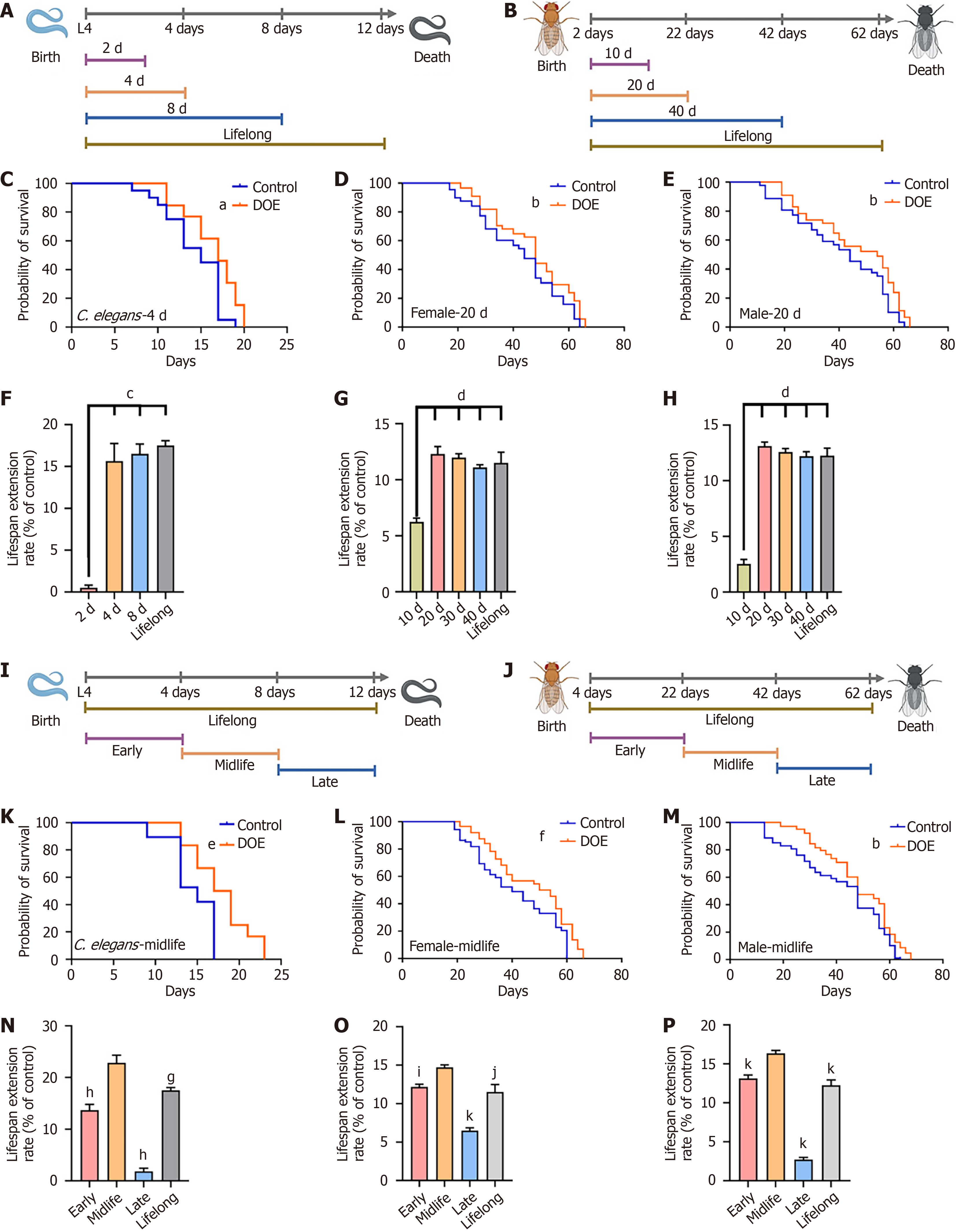
Figure 2 Midlife is the best intervention window for Dendrobium officinale extract to extend lifespan.
A: Dendrobium officinale extract (DOE) intervention duration screening strategy for nematodes; B: DOE intervention duration screening strategy for flies; C: Survival curve of DOE treatment for 4 days in nematodes (n = 90 nematodes); D: Survival curve of DOE treatment for 20 days in female flies (n = 150 flies); E: Survival curve of DOE treatment for 20 days in male flies (n = 150 flies); F: Comparison of the average lifespan extension rate of nematodes after 2 days, 4 days, 8 days, and lifelong treatment with DOE (n = 3); G: Comparison of the lifespan extension rate of female flies after 10 days, 20 days, 30 days, 40 days, and lifelong treatment with DOE (n = 3); H: Comparison of the lifespan extension rate of male flies after 10 days, 20 days, 30 days, 40 days, and lifelong treatment with DOE (n = 3); I: Staged DOE intervention strategies in nematodes; J: Staged DOE intervention strategies in flies; K: Survival curve of DOE midlife intervention for 4 days in nematodes (n = 90 nematodes); L: Survival curve of DOE midlife intervention for 20 days in female flies (n = 150 flies); M: Survival curve of DOE midlife intervention for 20 days in male flies (n = 150 flies); N: Comparison of the mean lifespan after intervention with DOE in the early, midlife, late, and lifelong stages in nematodes (n = 3); O: Comparison of the mean lifespan after intervention with DOE in the early, midlife, late, and lifelong stages in female flies (n = 3); P: Comparison of the mean lifespan after intervention with DOE in the early, midlife, late, and lifelong stages in male flies (n = 3). The data are expressed as the mean ± SD. Data were analyzed by log-rank test (survival) or one-way analysis of variance with post-hoc test (multiple comparisons). aP < 0.05 vs control group in nematodes. bP < 0.01 vs control group in flies. cP < 0.0001 vs 2-day group in nematodes. dP < 0.0001 vs 10-day group in flies. eP < 0.01 vs control group in nematodes with midlife intervention. fP < 0.001 vs control group in flies with midlife intervention. gP < 0.001 vs midlife group in nematodes. hP < 0.0001 vs midlife group in nematodes. iP < 0.01 vs midlife group in flies. jP < 0.001 vs midlife group in flies. kP < 0.001 vs midlife group in flies. DOE: Dendrobium officinale extract.
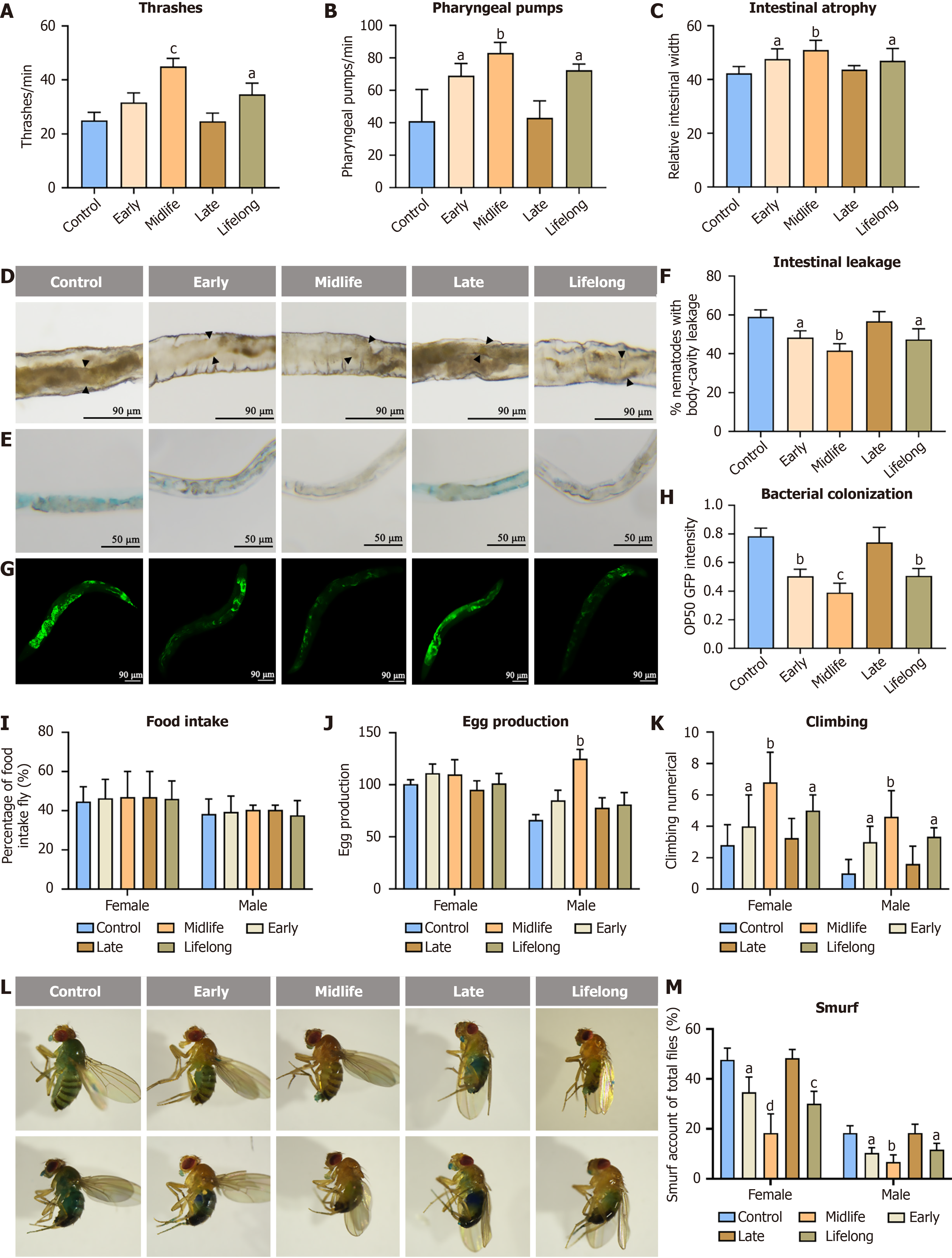
Figure 3 Dendrobium officinale extract midlife intervention extends healthy lifespan.
A: Motility in nematodes after staged Dendrobium officinale extract (DOE) intervention (n = 90 nematodes); B: Pumping frequency in nematodes after staged DOE intervention (n = 90 nematodes); C and D: Intestinal atrophy in nematodes after staged DOE intervention (n = 90 nematodes); E and F: Intestinal leakage in nematodes after staged DOE intervention (n = 90 nematodes); G and H: Microbial colonization capacity in nematodes after staged DOE intervention (n = 90 nematodes); I: Food intake in flies after staged DOE intervention (n = 3); J: Reproductivity in flies after staged DOE intervention (n = 3); K: Climbing number in flies after staged DOE intervention (n = 3); L and M: Intestinal integrity in flies after staged DOE intervention (n = 3). The data are expressed as the mean ± SD. Data were analyzed by one-way analysis of variance with post-hoc test (multiple comparisons). aP < 0.05 vs control group. bP < 0.01 vs control group. cP < 0.001 vs control group. dP < 0.0001 vs control group.
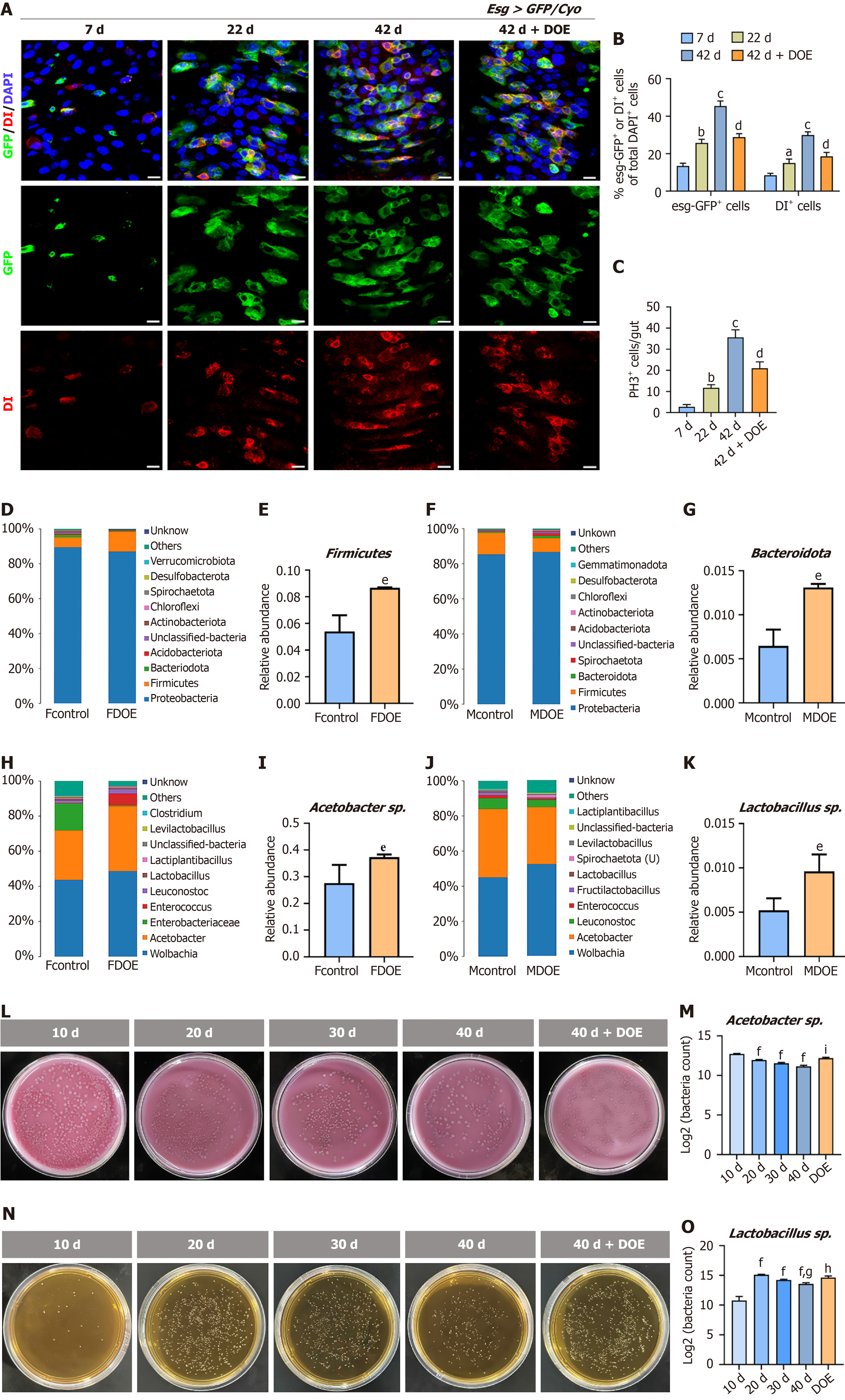
Figure 4 Inhibition of intestinal stem cells proliferation and maintenance of intestinal microbiota homeostasis by Dendrobium officinale extract.
A: Representative images obtained at 7 days, 22 days, and 42 days from Dendrobium officinale extract (DOE)-intervened esg-gal4 > UAS-GFP/cyo flies showing midgut enterocytes [4’,6-diamidino-2-phenylindole (DAPI)], intestinal stem cells (ISCs)/entero-blasts [green fluorescent protein (GFP)], and ISCs [Delta (DI)]. Scale bar = 10 μm; B: Quantification of esg-GFP+ or DI+ cells as percentages of total DAPI-stained cells in female flies (n = 3); C: Quantification of the mitotic index (phospho-histone H3; phospho-histone H3-positive cells per midgut) in female flies (n = 3); D: Bacterial abundance at the phylum level in female flies; E: Relative abundance of the dominant strain in female flies (phylum level); F: Bacterial abundance at the phylum level in male flies; G: Relative abundance of the dominant strain in male flies (phylum level); H: Bacterial abundance at the genus level in female flies; I: Relative abundance of the dominant strain in female flies (genus level); J: Bacterial abundance at the genus level in male flies; K: Relative abundance of the dominant strain in male flies (genus level); L: Growth status of Acetobacter sp. in the gut of flies at 10-day, 20-day, 30-day, 40-day, and 40-day + DOE; M: Quantification of Acetobacter sp. in female flies (n = 3); N: Growth status of Lactobacillus sp. in the gut of flies at 10-day, 20-day, 30-day, 40-day, and 40-day + DOE; O: Quantification of Lactobacillus sp. in male flies (n = 3). The data are expressed as the mean ± SD. Data were analyzed by Student’s t-test (two groups) or one-way analysis of variance with post-hoc test (multiple comparisons). aP < 0.05 vs 7-day group. bP < 0.01 vs 7-day group. cP < 0.0001 vs 7-day group. dP < 0.0001 vs 42-day group. eP < 0.05 vs control group. fP < 0.0001 vs 10-day group. gP < 0.01 vs 20-day group. hP < 0.05 vs 40-day group. iP < 0.001 vs 40-day group. DOE: Dendrobium officinale extract; DI: Delta; GFP: Green fluorescent protein; DAPI: 4’,6-diamidino-2-phenylindole; PH3: Phospho-histone H3; F: Female; M: Male.
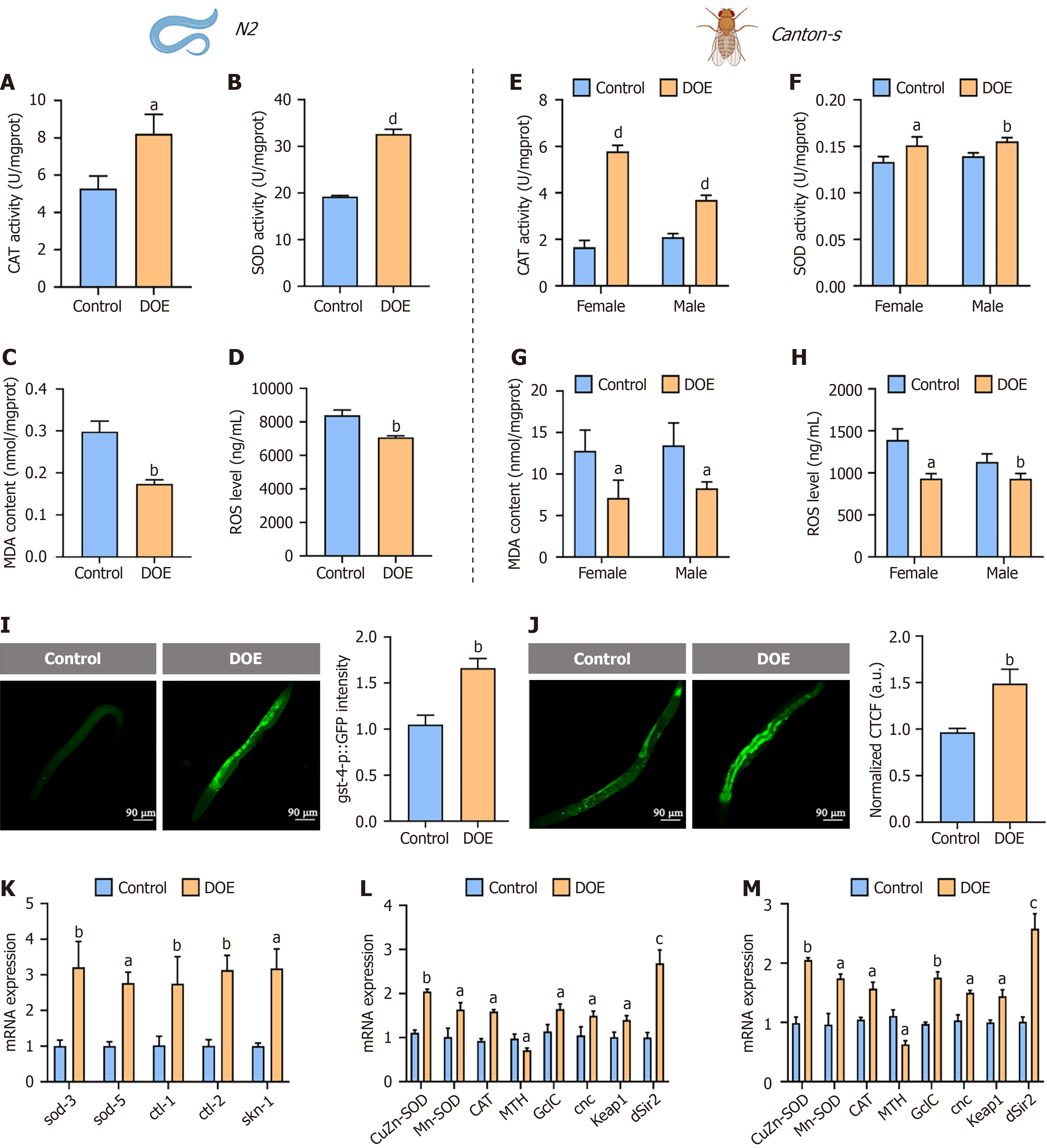
Figure 5 Dendrobium officinale extract activates the skn-1/Nrf2 and Keap1-Nrf2-antioxidant response element signaling pathways to resist oxidative stress.
A: Enzyme activity of catalase (CAT) in nematodes (n = 3); B: Enzyme activity of superoxide dismutase (SOD) in nematodes (n = 3); C: Enzyme activity of malondialdehyde (MDA) in nematodes (n = 3); D: Reactive oxygen species (ROS) level in nematodes (n = 3); E: Activity of CAT in flies (n = 3); F: Activity of SOD in flies (n = 3); G: Activity of MDA in flies (n = 3); H: ROS level in flies (n = 3); I: Representative image and quantitative analysis of fluorescence intensity of CL2166 (n = 3); J: Representative graph of LD1 fluorescence intensity and analysis of cell total correlates fluorescence (n = 3); K: Expression of antioxidant genes in nematodes (n = 3); L: Expression of antioxidant genes in female flies (n = 3); M: Expression of antioxidant genes in male flies (n = 3). The data are expressed as the mean ± SD. Data were analyzed by Student’s t-test (two groups) or one/two-way analysis of variance with post-hoc test (multiple comparisons). aP < 0.05 vs control group. bP < 0.01 vs control group. cP < 0.001 vs control group. dP < 0.0001 vs control group. DOE: Dendrobium officinale extract; CAT: Catalase; SOD: Superoxide dismutase; MDA: Malondialdehyde; ROS: Reactive oxygen species; mRNA: Messenger RNA; CuZn: Copper zinc; Mn: Manganese; MTH: Methuselah; GclC: Glutamate-cysteine ligase catalytic subunit.
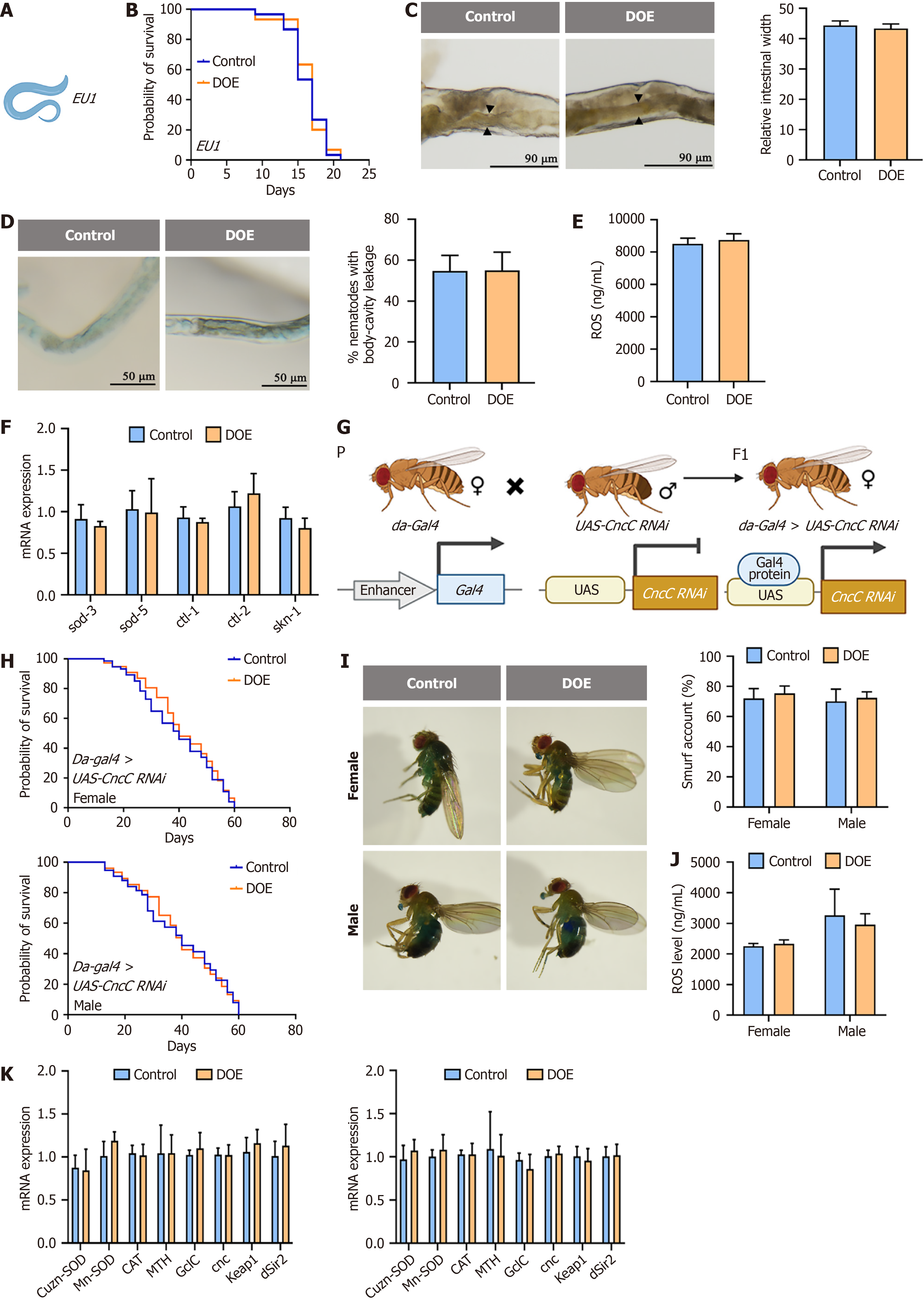
Figure 6 Dendrobium officinale extract antagonizes oxidative stress and prolongs healthy lifespan dependent on Nrf2.
A and B: Survival curves of EU1 nematodes (n = 90 nematodes); C: Intestinal atrophy of EU1 with or without Dendrobium officinale extract (DOE) (n = 3); D: Intestinal integrity of EU1 with or without DOE (n = 3); E: Reactive oxygen species (ROS) level of EU1 with or without DOE (n = 3); F: Antioxidant gene expression of EU1 with or without DOE (n = 3); G: Image showing the construction process of Da-gal4 > UAS-CncC RNAi; H: Survival curves for CncC mutant flies (n = 150 flies); I: Intestinal integrity in CncC mutant flies with or without DOE (n = 3); J: ROS level in CncC mutant flies with or without DOE (n = 3); K: Antioxidant gene expression in CncC mutant flies with or without DOE (n = 3). The data are expressed as the mean ± SD. Data were analyzed by log-rank test (survival), Student’s t-test (two groups) or two-way analysis of variance with post-hoc test (multiple comparisons). DOE: Dendrobium officinale extract; CAT: Catalase; SOD: Superoxide dismutase; ROS: Reactive oxygen species; CuZn: Copper zinc; Mn: Manganese; MTH: Methuselah; GclC: Glutamate-cysteine ligase catalytic subunit.
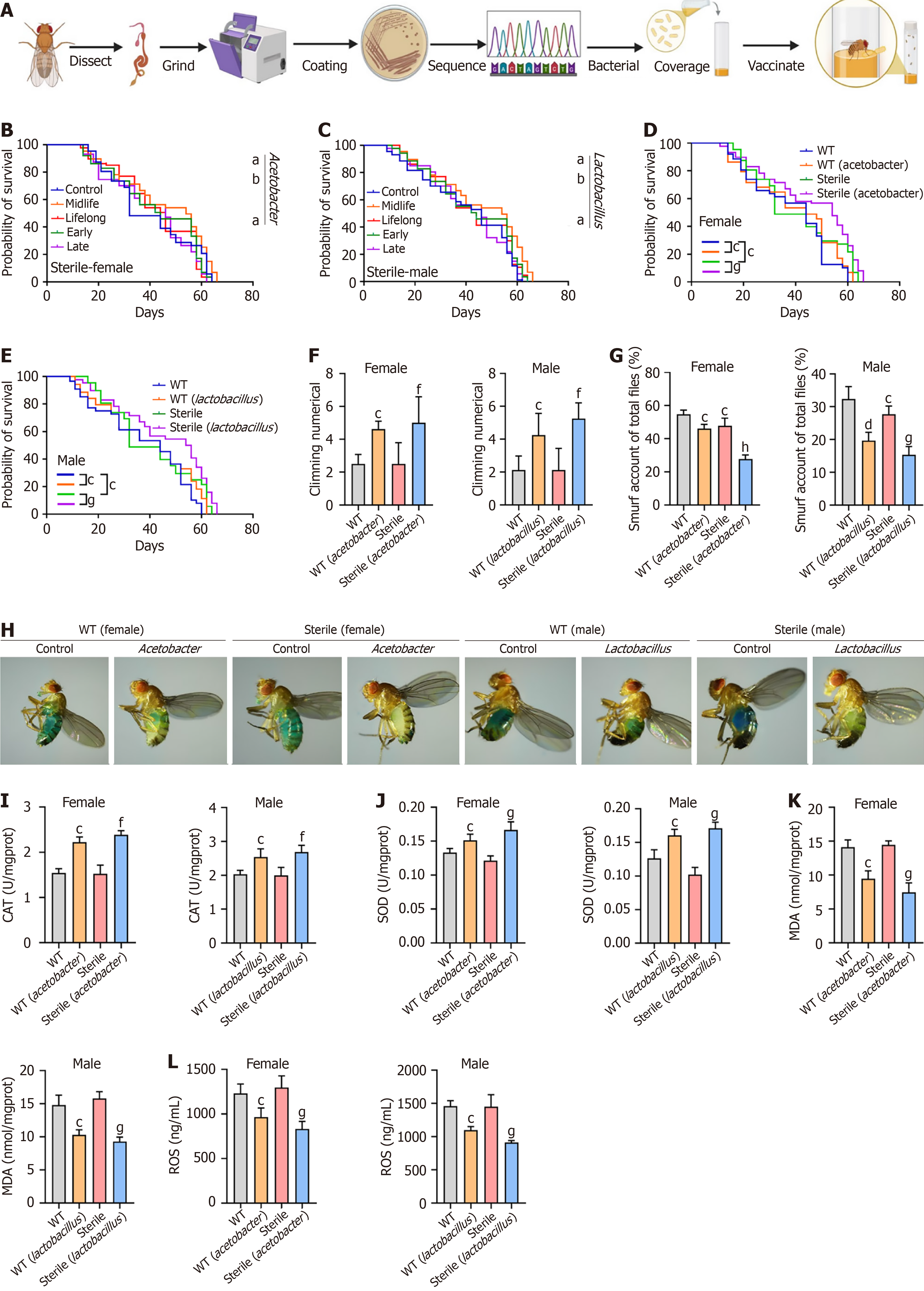
Figure 7 Midlife Intervention with Acetobacter sp.
and Lactobacillus sp. mitigates oxidative stress, fosters intestinal homeostasis, and extends healthy lifespan. A: Schematic diagram of advantageous bacterial species replanting; B: Survival curve of early, midlife, late and lifelong intervention with Acetobacter sp. in female flies (n = 150 flies); C: Survival curve of early, midlife, late and lifelong intervention with Lactobacillus sp. in male flies (n = 150 flies); D: Survival curves for wild type (WT) or sterile female flies with or without dominant strain treatment (n = 150 flies); E: Survival curves for WT or sterile male flies with or without dominant strain treatment (n = 150 flies); F: Climbing number in WT or sterile flies with or without dominant strain treatment (n = 3); G and H: Intestinal leakage in WT or sterile flies with or without dominant strain treatment (n = 3); I: Activity of catalase in WT or sterile flies with or without dominant strain treatment (n = 3); J: Activity of superoxide dismutase in WT or sterile flies with or without dominant strain treatment (n = 3); K: Activity of malondialdehyde in WT or sterile flies with or without dominant strain treatment (n = 3); L: Reactive oxygen species level in WT or sterile flies with or without dominant strain treatment (n = 3). The data are expressed as the mean ± SD. Data were analyzed by log-rank test (survival) or one-way analysis of variance with post-hoc test (multiple comparisons). aP < 0.05 vs control group. bP < 0.01 vs control group. cP < 0.05 vs wild type group. dP < 0.01 vs wild type group. eP < 0.001 vs wild type group. fP < 0.05 vs sterile group. gP < 0.01 vs sterile group. hP < 0.001 vs sterile group. CAT: Catalase; SOD: Superoxide dismutase; MDA: Malondialdehyde; ROS: Reactive oxygen species; WT: Wild type.
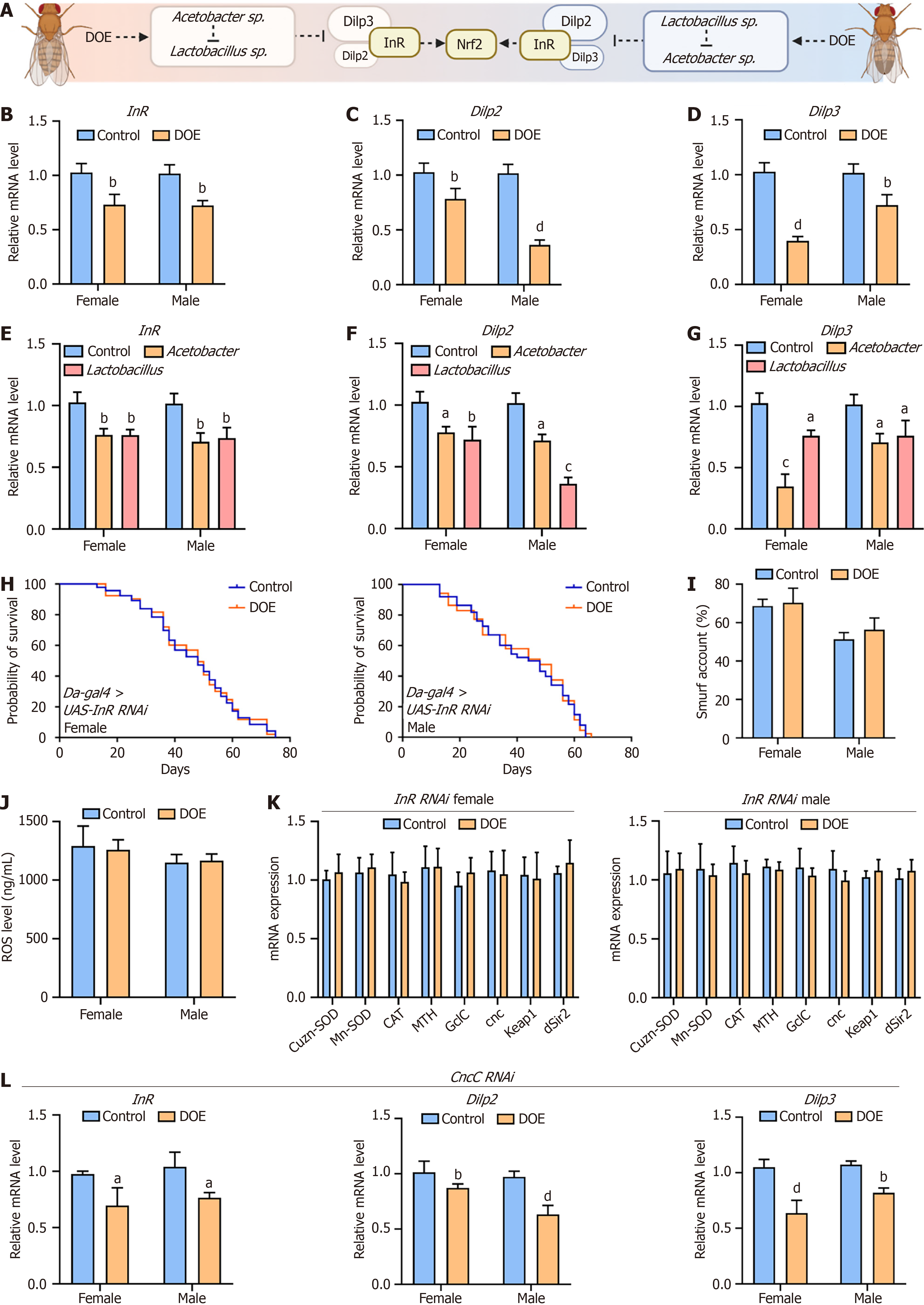
Figure 8 Dendrobium officinale extract mediates the regulation of the “InR-Nrf2” signaling axis by gut microbiota through gender dimorphism, in order to combat oxidative stress and extend healthy lifespan.
A: Schematic diagram illustrating the potential mechanism of Den
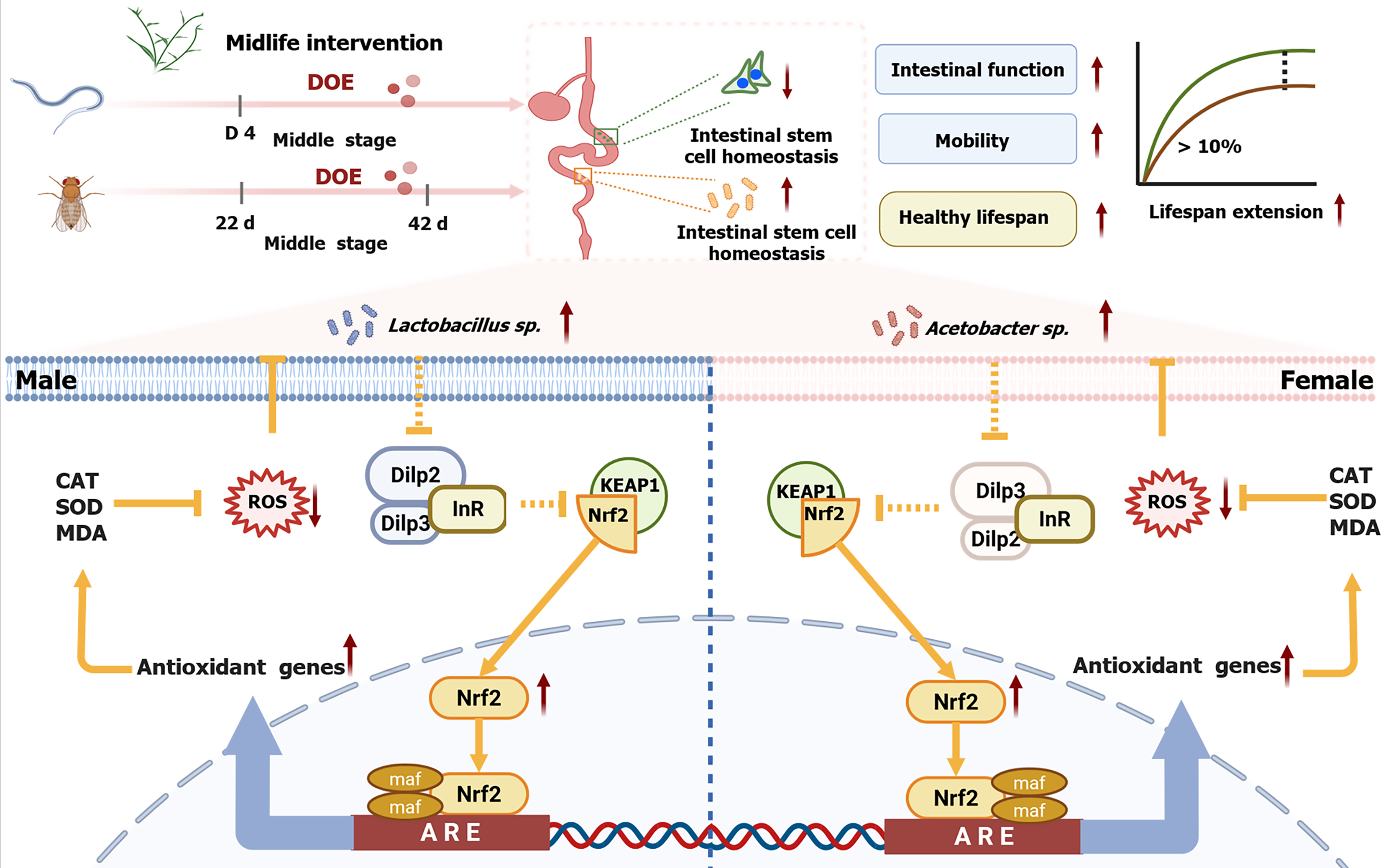
Figure 9 Molecular mechanism of Dendrobium officinale extract delaying aging related degenerative phenotypes.
DOE: Dendrobium officinale extract; CAT: Catalase; SOD: Superoxide dismutase; MDA: Malondialdehyde; ROS: Reactive oxygen species; ARE: Antioxidant response element.
- Citation: Jin CR, Xi J, Wang SM, Zhang SY, Yu ST, Pan DA, Zhao DQ, Dong ZQ, Liu SC, Liu MC. Midlife intervention of Dendrobium officinale extract modulates gut microbiota to activate InR-Nrf2 axis, promoting intestinal health and longevity. World J Gastroenterol 2026; 32(23): 117238
- URL: https://www.wjgnet.com/1007-9327/full/v32/i23/117238.htm
- DOI: https://dx.doi.org/10.3748/wjg.v32.i23.117238