
















Copyright: ©Author(s) 2026.
World J Gastroenterol. May 28, 2026; 32(20): 119322
Published online May 28, 2026. doi: 10.3748/wjg.v32.i20.119322
Published online May 28, 2026. doi: 10.3748/wjg.v32.i20.119322
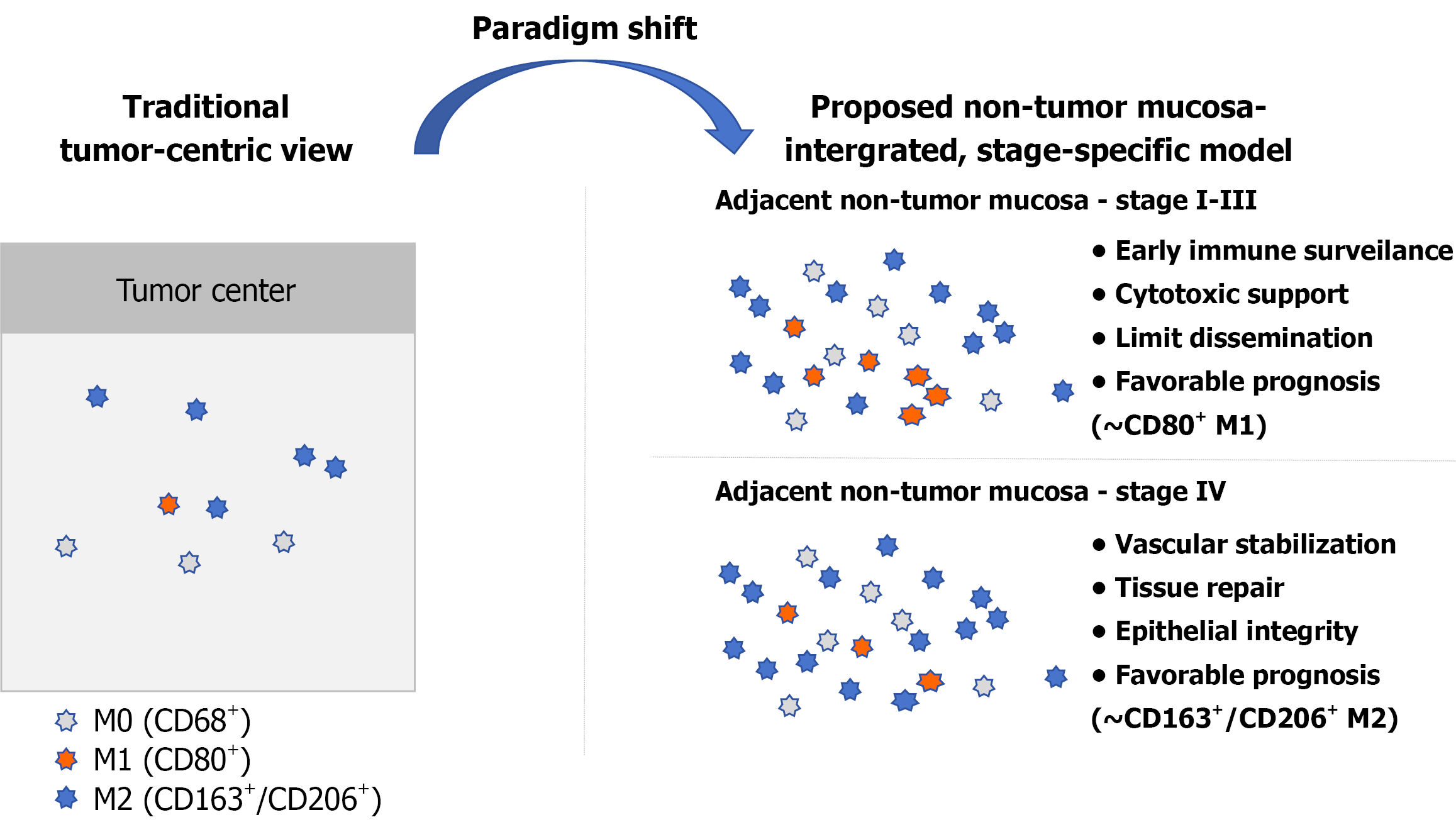
Figure 1 Paradigm shift in macrophage biology in colorectal cancer.
From a tumor-centric view to an non-tumor mucosa (NM)-integrated, stage-specific model. Schematic illustration contrasting the traditional tumor-centric perspective with the proposed adjacent NM-integrated, stage-specific framework. Left panel (traditional tumor-centric view): Macrophage infiltration within the tumor center (TC) is relatively sparse and predominantly composed of M2-like macrophages (CD163+/CD206+), with limited M1-like macrophages (CD80+). Across stages, macrophage density within the TC is reduced compared with NM and is not associated with overall survival. Right panel (proposed NM-integrated model): In the adjacent NM, macrophages are more abundant and exhibit stage-specific prognostic associations. In stage I-III disease, higher densities of CD80+ M1-like macrophages in NM are associated with favorable prognosis and may reflect enhanced immune surveillance and cytotoxic support limiting metastatic dissemination. In contrast, in stage IV disease, increased CD163+/CD206+ M2-like macrophages in NM are associated with improved survival and may reflect tissue repair, vascular stabilization, and maintenance of epithelial integrity. Colored symbols represent macrophage subsets: M0 (CD68+, gray), M1-like (CD80+, orange), and M2-like (CD163+/CD206+, blue). The schematic reflects relative distribution patterns and conceptual associations rather than quantitative measurements.
- Citation: Zhao XJ, Qiu XY. Adjacent nontumor mucosa: The overlooked frontier in colorectal cancer prognostication. World J Gastroenterol 2026; 32(20): 119322
- URL: https://www.wjgnet.com/1007-9327/full/v32/i20/119322.htm
- DOI: https://dx.doi.org/10.3748/wjg.v32.i20.119322