
















Copyright: ©Author(s) 2026.
World J Gastroenterol. May 28, 2026; 32(20): 116260
Published online May 28, 2026. doi: 10.3748/wjg.v32.i20.116260
Published online May 28, 2026. doi: 10.3748/wjg.v32.i20.116260
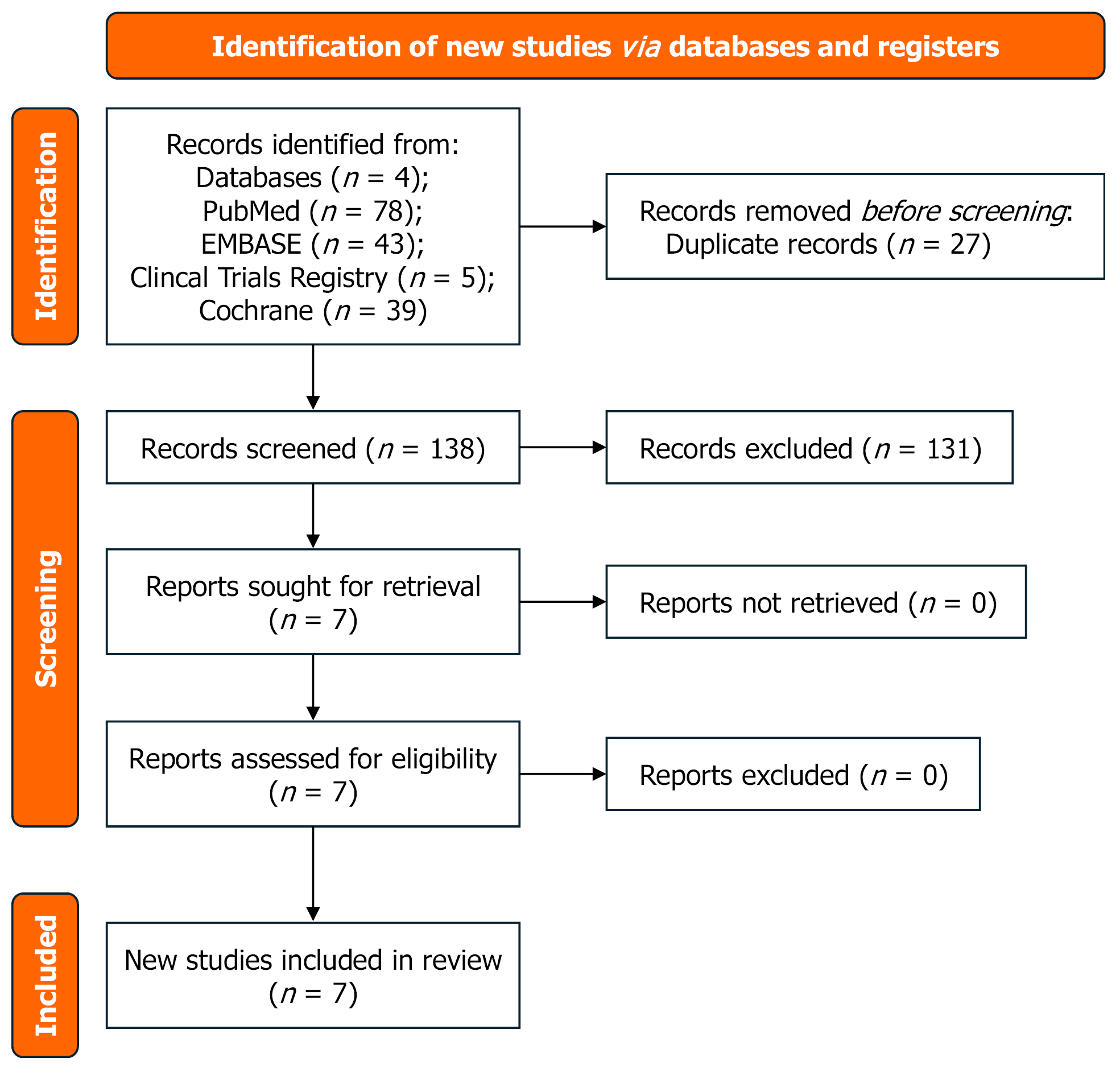
Figure 1 Preferred reporting items for systematic review and meta-analyses flow diagram of study selection process.
Flowchart summarizing the identification, screening, eligibility assessment, and inclusion of randomized controlled trials comparing endoscopic variceal ligation vs cyanoacrylate therapy for gastric variceal hemorrhage.
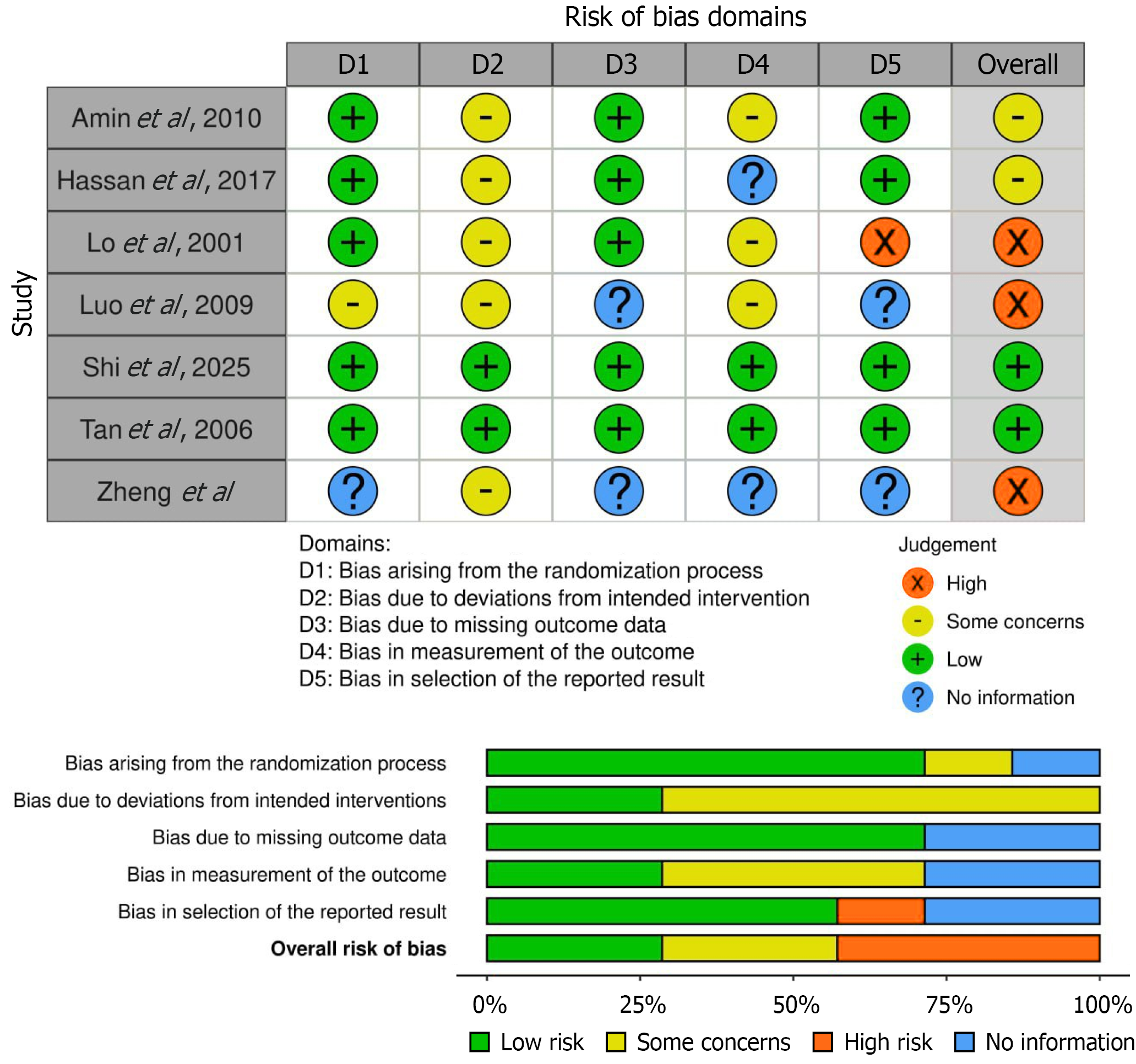
Figure 2 Risk of bias summary of included studies.
Evaluation of methodological quality using the RoB2.0 tool across five domains: Randomization, deviations from intended interventions, missing outcome data, measurement of outcomes, and selective reporting. Generated using the robvis visualization tool. Low risk = green; some concerns = yellow; high risk = orange.
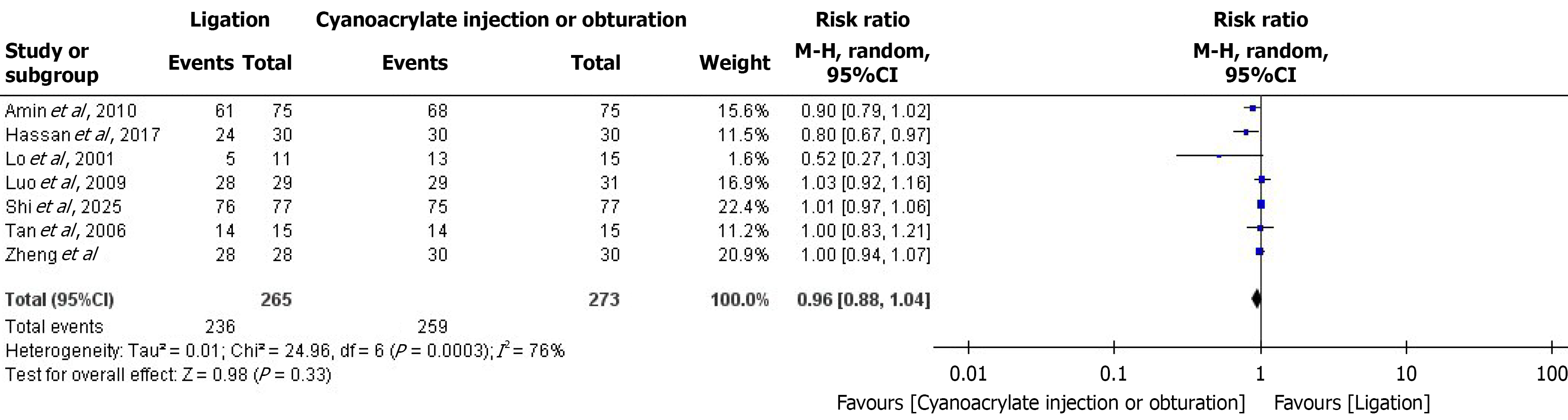
Figure 3 Forest plot comparing initial hemostasis between endoscopic variceal ligation and cyanoacrylate therapy.
Pooled risk ratio (RR) with 95% confidence interval (CI) calculated using a random-effects model. No significant difference was observed between groups (RR = 0.96; 95%CI: 0.88-1.04; I2 = 67%). Generated using a random-effects model. CI: Confidence interval.
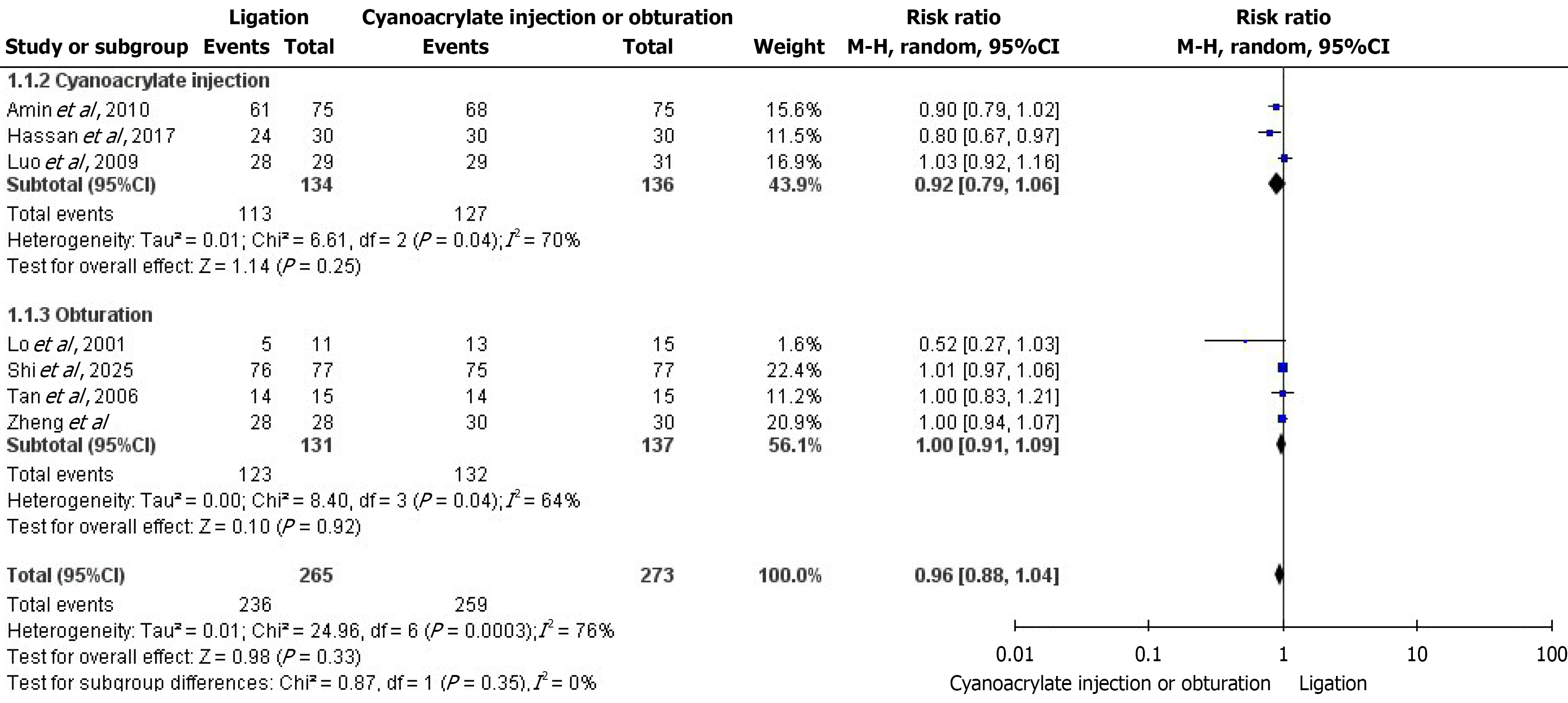
Figure 4 Subgroup analysis of initial hemostasis by cyanoacrylate delivery technique (injection vs obturation).
Forest plot comparing endoscopic variceal ligation vs cyanoacrylate subgroups. Both methods achieved similar hemostasis rates without significant subgroup differences (P > 0.05). Injection and obturation defined as per included randomized controlled trial protocols. CI: Confidence interval.
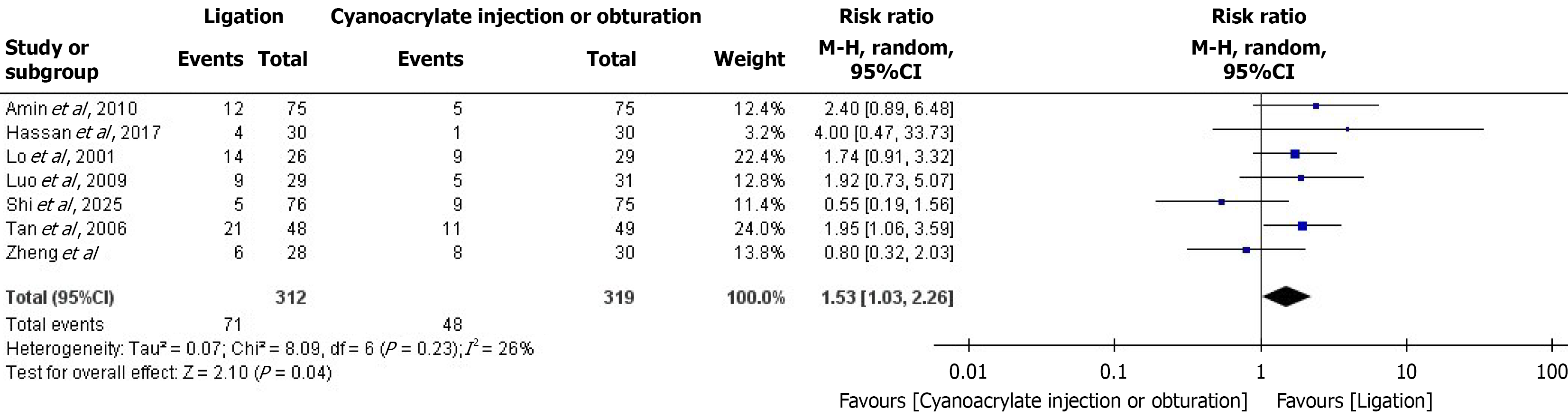
Figure 5 Forest plot comparing overall rebleeding between endoscopic variceal ligation and cyanoacrylate therapy.
Cyanoacrylate therapy was associated with a significantly lower rebleeding rate (risk ratio = 1.53; 95% confidence interval: 1.03-2.26; I2 = 0%). Positive risk ratio favors cyanoacrylate. CI: Confidence interval.
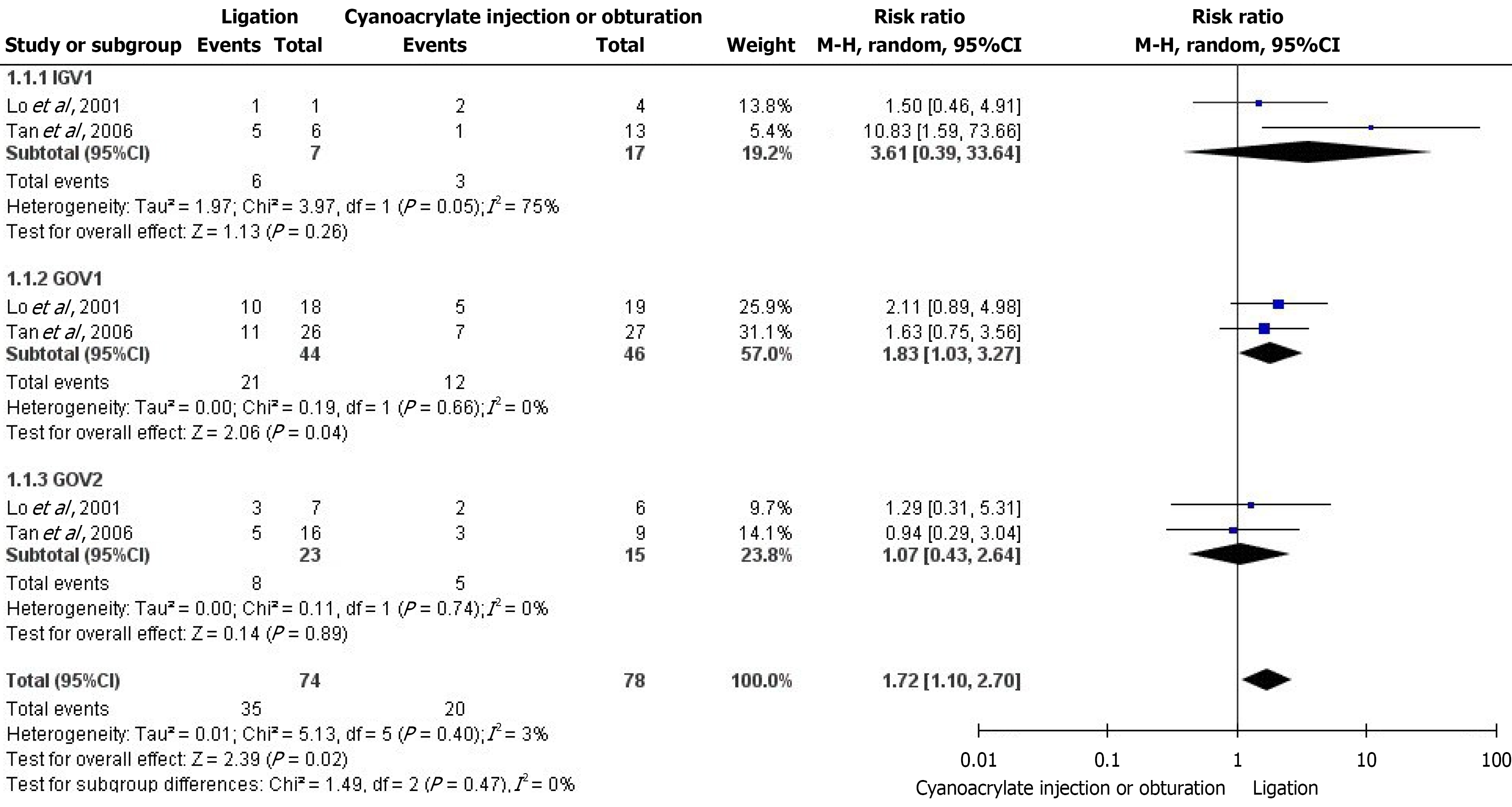
Figure 6 Impact of gastric varices type on the efficacy of ligation vs cyanoacrylate injection/obturation.
The forest plot displays risk ratios (RR) for isolated gastric varices type 1 (IGV1) and gastroesophageal varices types 1 and 2 (GOV1, GOV2). Cyanoacrylate was associated with a statistically significant reduction in events overall (RR = 1.72, P = 0.02) and specifically in the GOV1 subgroup (RR = 1.83, P = 0.04). CI: Confidence interval; IGV: Isolated gastric varices; GOV: Gastroesophageal varices.
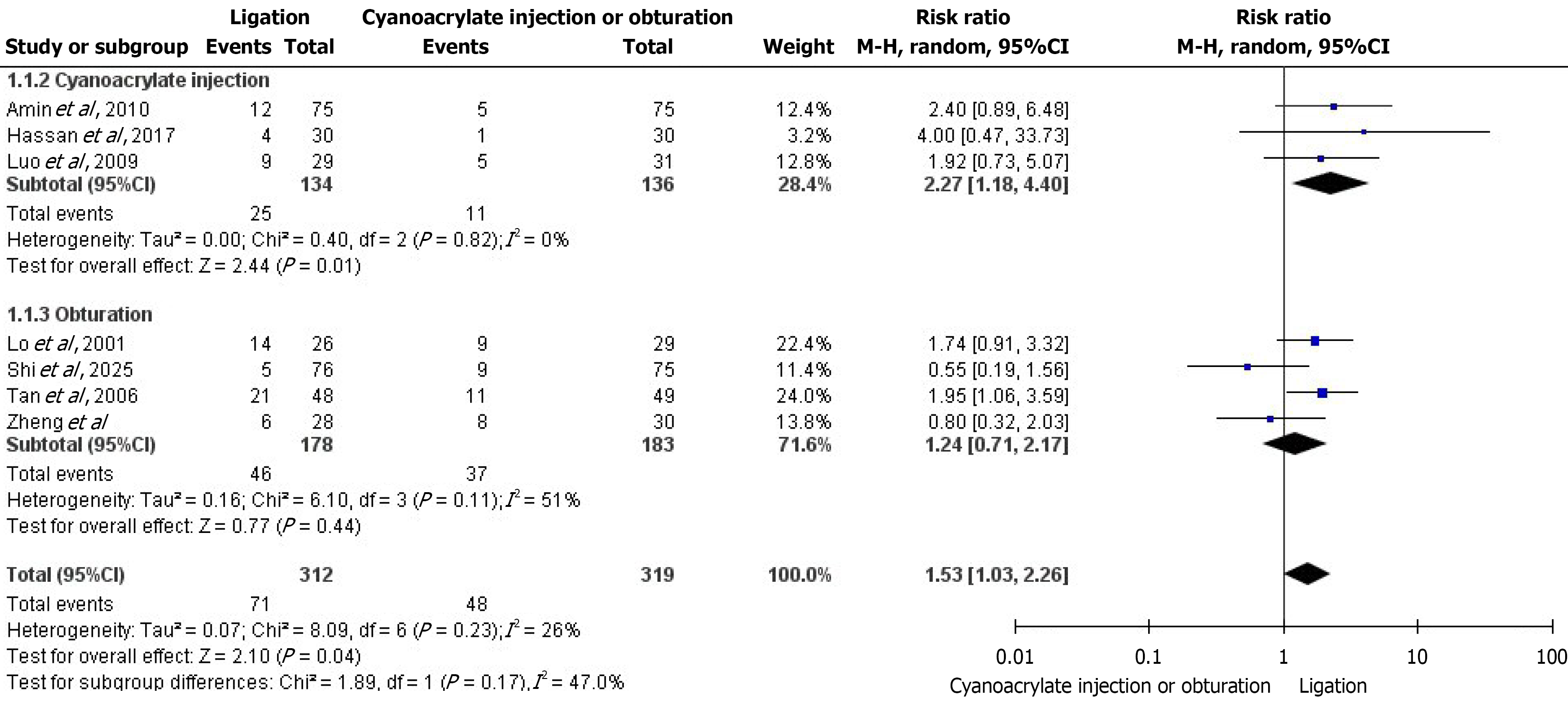
Figure 7 Subgroup analysis of rebleeding by cyanoacrylate delivery method.
Cyanoacrylate injection demonstrated superior prevention of rebleeding [risk ratios (RR) = 2.27; 95% confidence interval (CI): 1.18-4.40; I2 = 0%], while obturation showed no significant difference (RR = 1.24; 95%CI: 0.71-2.17; I2 = 43%). Test for subgroup differences was non-significant (P > 0.05). CI: Confidence interval.
- Citation: Tufail U, Khalid E, Ihtasham A, Amin F, Talha Khan M, Khattak F, Alam T, Iman A, Afroz E, Aslam H, Khan AA, Fida T, Osman Abufatima I. Comparative safety and efficacy of endoscopic band ligation and variceal obturation for gastric varices: Systematic review and meta-analysis. World J Gastroenterol 2026; 32(20): 116260
- URL: https://www.wjgnet.com/1007-9327/full/v32/i20/116260.htm
- DOI: https://dx.doi.org/10.3748/wjg.v32.i20.116260