
















Copyright: ©Author(s) 2026.
World J Gastroenterol. May 28, 2026; 32(20): 116020
Published online May 28, 2026. doi: 10.3748/wjg.v32.i20.116020
Published online May 28, 2026. doi: 10.3748/wjg.v32.i20.116020
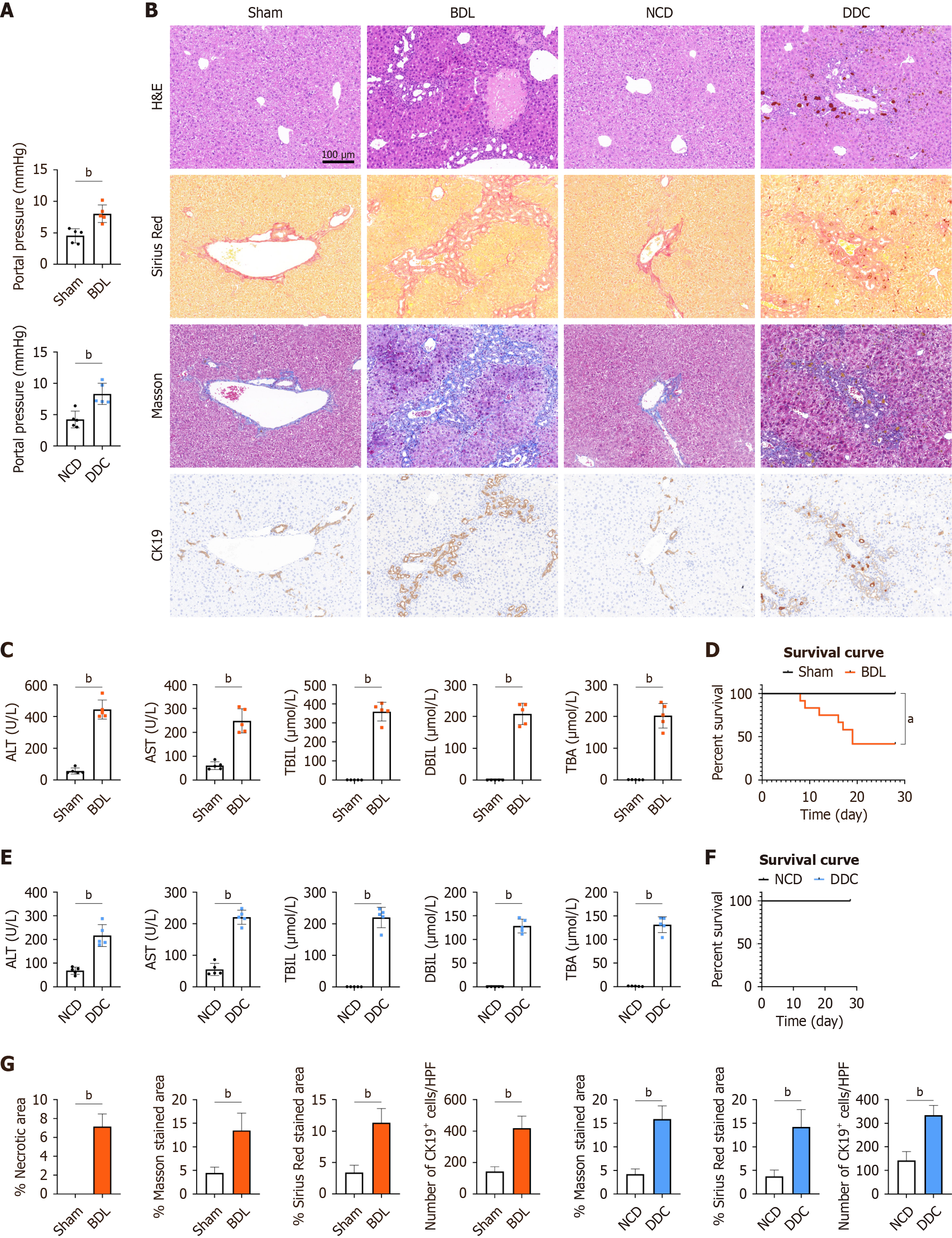
Figure 1 Liver injury and portal hypertension in bile duct ligation- and 3,5-diethoxycarbonyl-1,4-dihydrocollidine-induced cholestasis.
A: The portal pressure of mice among four groups; B: The representative images of liver sections stained with hematoxylin & eosin (H&E), Sirius Red, Masson, or by immunohistochemical with primary antibody against CK19 among four groups; C: The serum levels of alanine aminotransferase (ALT), aspartate aminotransferase (AST), total bilirubin (TBIL), direct bilirubin (DBIL), and total bile acid (TBA) in sham and bile duct ligation (BDL) mice; D: The survival curve of mice after sham or BDL operation; E: The serum levels of ALT, AST, TBIL, DBIL, and TBA in normal chow diet and 3,5-diethoxycarbonyl-1,4-dihydrocollidine (DDC) mice; F: The survival curve of mice fed with DDC diet; G: The quantifications of necrotic area in H&E staining, Masson- or Sirius Red-stained area, and numbers of CK19+ cholangiocytes. aP < 0.05, bP < 0.01. H&E: Hematoxylin & eosin; NCD: Normal chow diet; DDC: Diethoxycarbonyl-1,4-dihydrocollidine; BDL: Bile duct ligation.
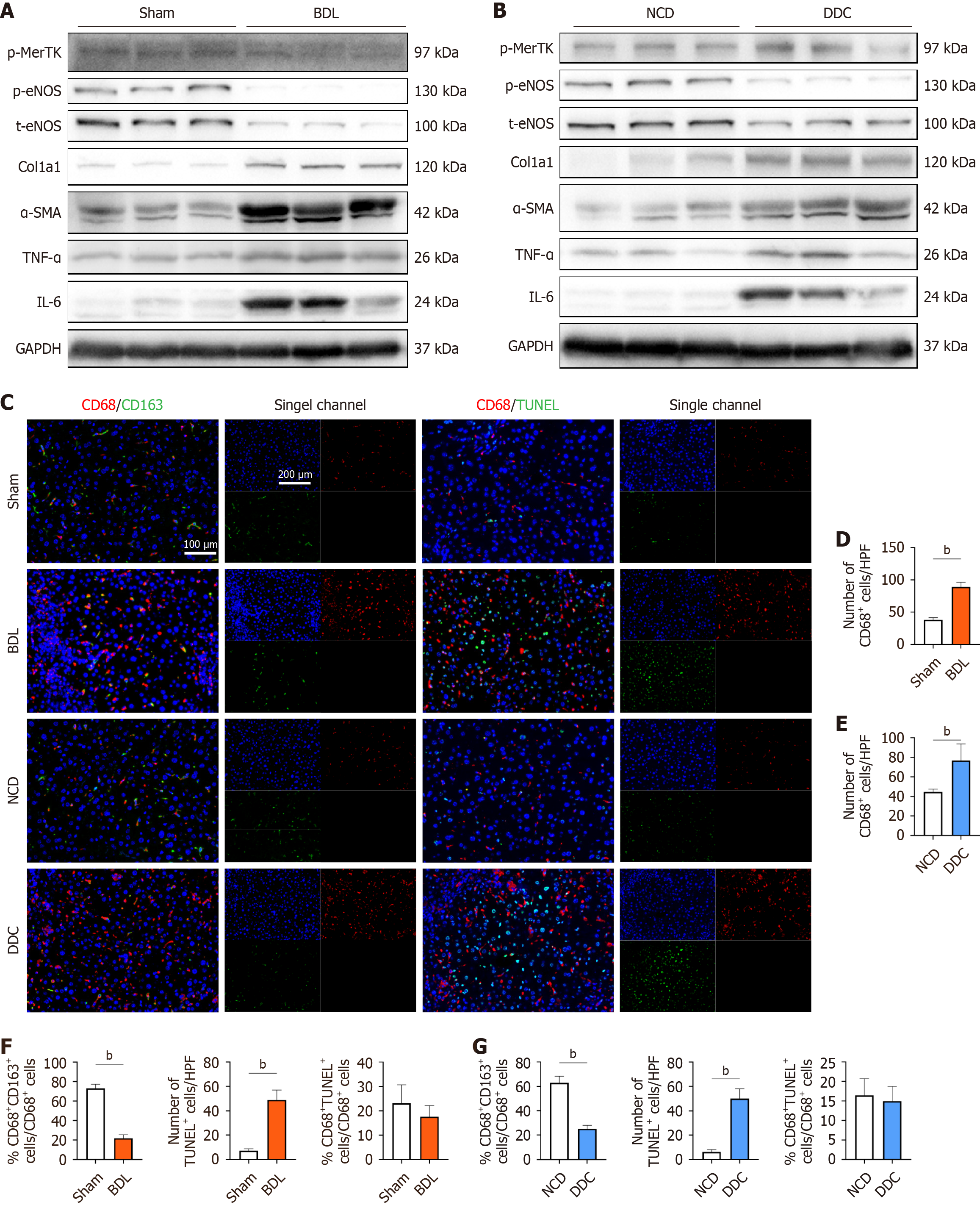
Figure 2 Efferocytosis was defective in mice models of cholestasis and portal hypertension.
A: Western blotting analysis of MerTK phosphorylation, intrahepatic vascular resistance (IHVR) (p-eNOS and t-eNOS), fibrosis (Col1a1 and α-SMA), and inflammation [tumor necrosis factor α (TNF-α) and interleukin (IL)-6] in liver from sham and bile duct ligation (BDL) mice; B: Western blotting analysis of MerTK phosphorylation, IHVR (p-eNOS and t-eNOS), fibrosis (Col1a1 and α-SMA), and inflammation (TNF-α and IL-6) in liver from normal chow diet (NCD) and 3,5-diethoxycarbonyl-1,4-dihydrocollidine (DDC) mice; C: The representative images of liver sections probed with specific antibodies against the macrophage marker CD68 and reparative macrophage marker CD163, or with a co-staining of TUNEL assay; D: The quantification of macrophage infiltration in sham and BDL mice; E: The quantification of macrophage infiltration in NCD and DDC mice; F: The quantifications of reparative macrophages, apoptotic cells, and macrophage efferocytosis in sham and BDL mice; G: The quantifications of reparative macrophages, apoptotic cells, and efferocytosis in NCD and DDC mice. bP < 0.01. NCD: Normal chow diet; DDC: Diethoxycarbonyl-1,4-dihydrocollidine; BDL: Bile duct ligation; TNF-α: Tumor necrosis factor α; IL: Interleukin.
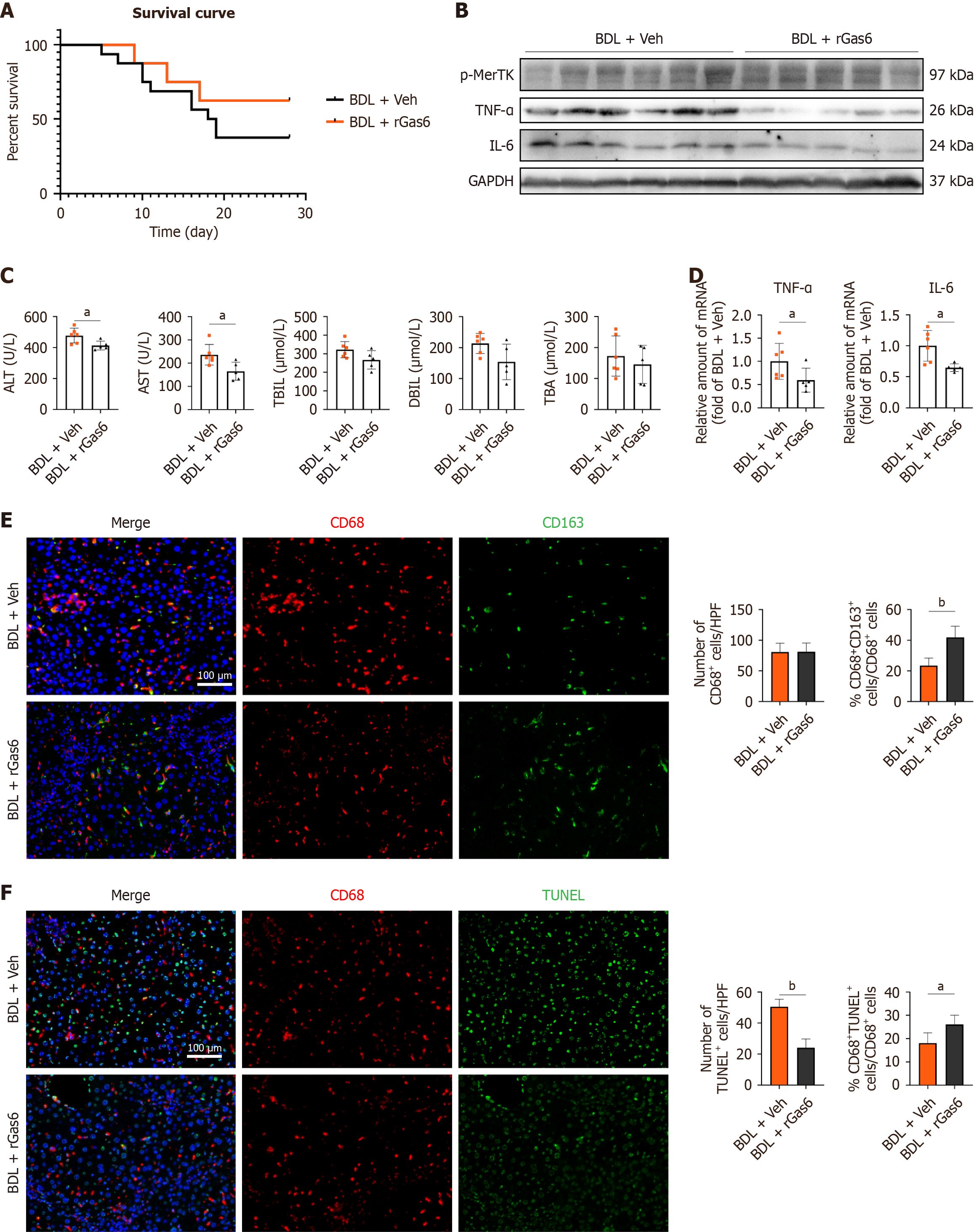
Figure 3 Efferocytosis activated by recombinant growth arrest specific 6 alleviated bile duct ligation-induced liver injury and inflammation.
A: The survival curve of mice after bile duct ligation (BDL) operation treated with vehicle or recombinant growth arrest specific 6; B: Western blotting analysis of MerTK phosphorylation and inflammation [tumor necrosis factor α (TNF-α) and interleukin (IL)-6] in liver of BDL mice; C: The serum levels of alanine aminotransferase, aspartate aminotransferase, total bilirubin, direct bilirubin, and total bile acid in BDL mice; D: Transcription levels of pro-inflammatory genes including TNF-α and IL-6 measured by qRT-PCR; E: The representative images of liver sections probed with specific antibodies against the macrophage marker CD68 and reparative macrophage marker CD163. The number of infiltrated macrophages and reparative macrophages between two groups were quantified; F: The representative images of liver sections probed with specific antibody against the macrophage marker CD68 and co-stained with TUNEL assay. The number of apoptotic cells and the macrophage efferocytosis between two groups were quantified. aP < 0.05, bP < 0.01. BDL: Bile duct ligation; TNF-α: Tumor necrosis factor α; IL: Interleukin; rGas6: Recombinant growth arrest specific 6; ALT: Alanine aminotransferase; AST: Aspartate aminotransferase; TBIL: Total bilirubin; DBIL: Direct bilirubin; TBA: Total bile acid
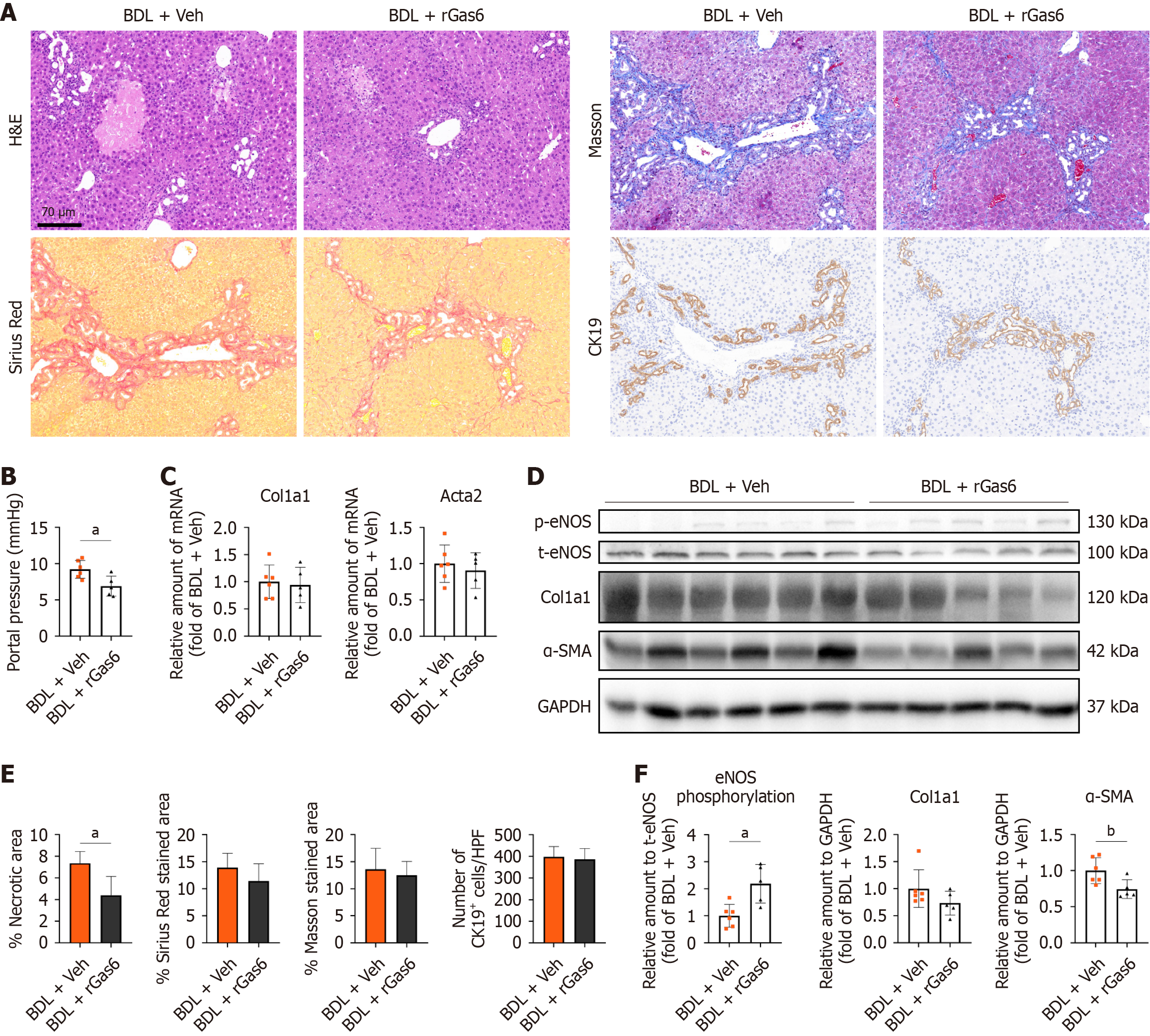
Figure 4 Recombinant growth arrest specific 6 ameliorated bile duct ligation-induced portal hypertension without alleviation of fibrosis.
A: The representative images of liver sections stained with hematoxylin & eosin (H&E), Sirius Red, Masson, or by immunohistochemical with primary antibody against CK19 between two groups; B: The portal pressures of bile duct ligation (BDL) mice treated with vehicle or recombinant growth arrest specific 6; C: Transcription levels of fibrosis genes including Col1a1 and Acta2 measured by qRT-PCR; D: Western blotting analysis of intrahepatic vascular resistance (p-eNOS and t-eNOS) and fibrosis (Col1a1 and α-SMA) in liver of BDL mice; E: The quantifications of necrotic area in H&E staining, Masson- or Sirius Red-stained area, and numbers of CK19+ cholangiocytes; F: Quantitative analysis of western blotting in panel (D). aP < 0.05, bP < 0.01. H&E: Hematoxylin & eosin; BDL: Bile duct ligation; rGas6: Recombinant growth arrest specific 6.
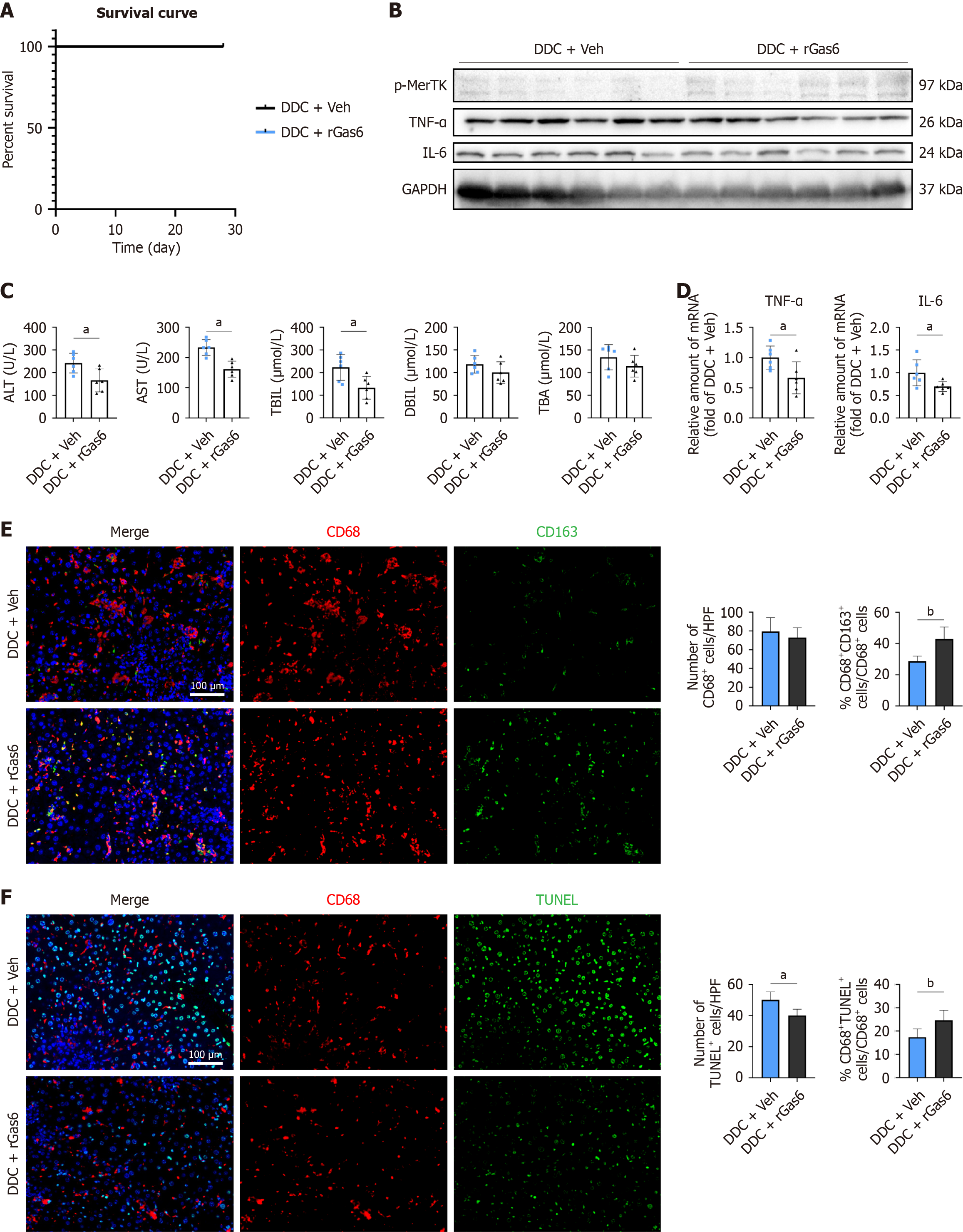
Figure 5 Efferocytosis activated by recombinant growth arrest specific 6 alleviated 3,5-diethoxycarbonyl-1,4-dihydrocollidine-induced cholestatic liver injury and inflammation.
A: The survival curve of mice fed with 3,5-diethoxycarbonyl-1,4-dihydrocollidine (DDC) diet and treated with vehicle or recombinant growth arrest specific 6; B: Western blotting analysis of MerTK phosphorylation and inflammation [tumor necrosis factor α (TNF-α) and interleukin (IL)-6] in liver of DDC mice; C: The serum levels of alanine aminotransferase, aspartate aminotransferase, total bilirubin, direct bilirubin, and total bile acid in DDC mice; D: Transcription levels of pro-inflammatory genes including TNF-α and IL-6 measured by qRT-PCR; E: The representative images of liver sections probed with specific antibodies against the macrophage marker CD68 and reparative macrophage marker CD163. The number of infiltrated macrophages and reparative macrophages between two groups were quantified; F: The representative images of liver sections probed with specific antibody against the macrophage marker CD68 and co-stained with TUNEL assay. The number of apoptotic cells and the macrophage efferocytosis between two groups were quantified. aP < 0.05, bP < 0.01. H&E: Hematoxylin & eosin; rGas6: Recombinant growth arrest specific 6; DDC: Diethoxycarbonyl-1,4-dihydrocollidine; TNF-α: Tumor necrosis factor α; IL: Interleukin; ALT: Alanine aminotransferase; AST: Aspartate aminotransferase; TBIL: Total bilirubin; DBIL: Direct bilirubin; TBA: Total bile acid.
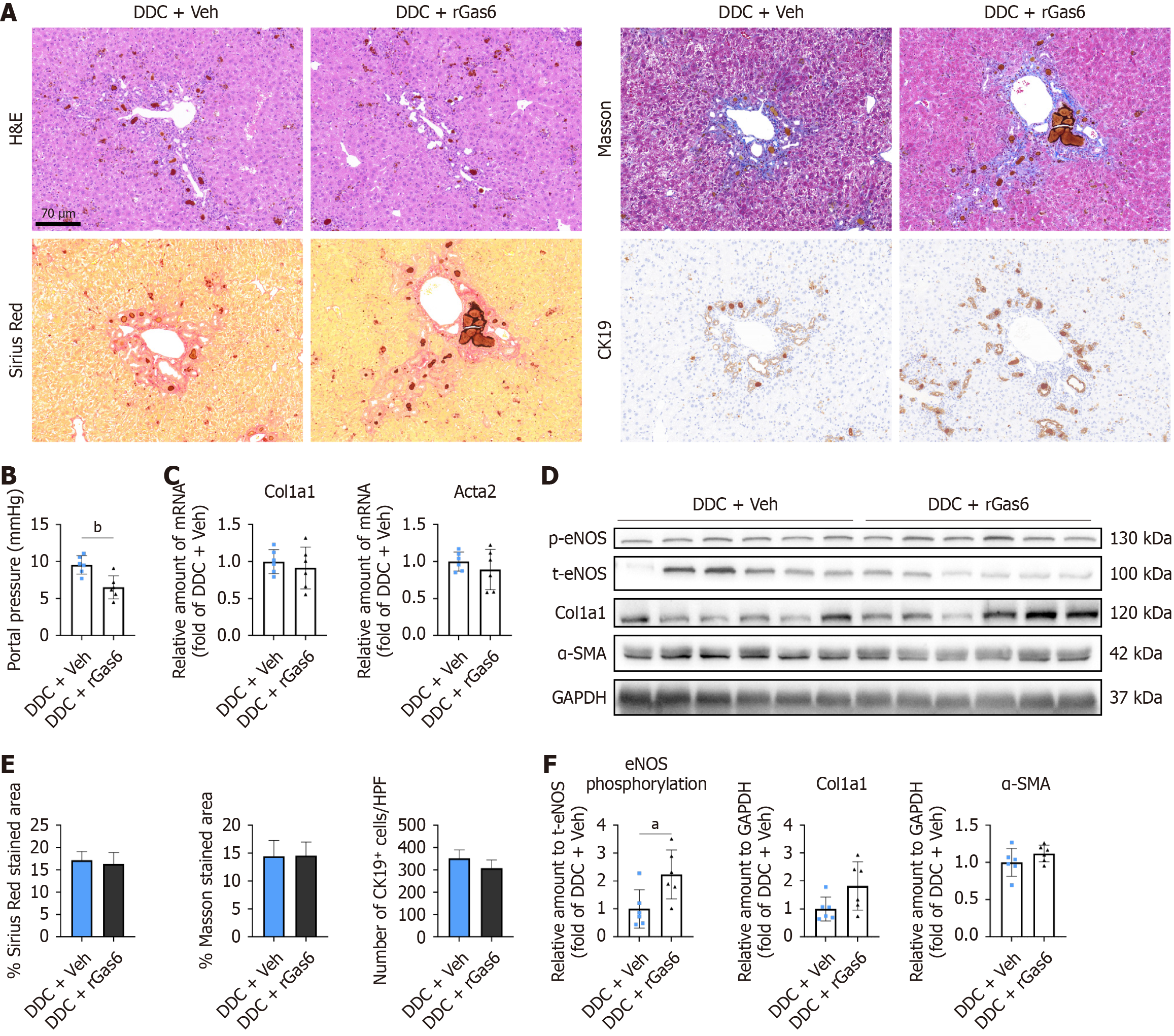
Figure 6 Recombinant growth arrest specific 6 ameliorated 3,5-diethoxycarbonyl-1,4-dihydrocollidine-induced portal hypertension without alleviation of fibrosis.
A: The representative images of liver sections stained with hematoxylin & eosin, Sirius Red, Masson, or by immunohistochemical with primary antibody against CK19 between two groups; B: The portal pressures of 3,5-diethoxycarbonyl-1,4-dihydrocollidine (DDC) mice treated with vehicle or recombinant growth arrest specific 6; C: Transcription levels of fibrosis genes including Col1a1 and Acta2 measured by qRT-PCR; D: Western blotting analysis of intrahepatic vascular resistance (p-eNOS and t-eNOS) and fibrosis (Col1a1 and α-SMA) in liver of DDC mice; E: The quantifications of Masson- or Sirius Red-stained area, and numbers of CK19+ cholangiocytes; F: Quantitative analysis of western blotting in panel (D). aP < 0.05, bP < 0.01. H&E: Hematoxylin & eosin; DDC: Diethoxycarbonyl-1,4-dihydrocollidine; rGas6: Recombinant growth arrest specific 6.
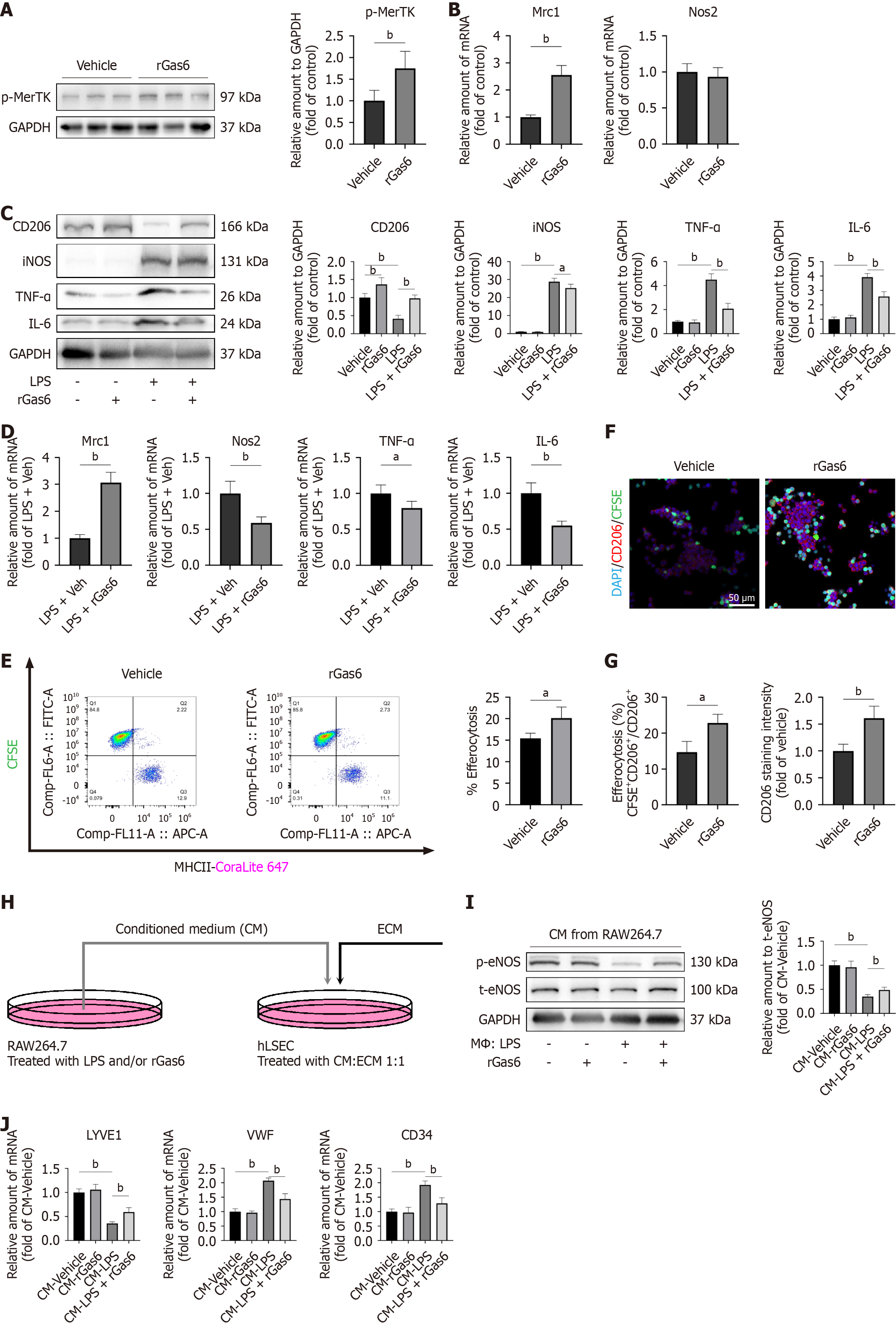
Figure 7 Effects of recombinant growth arrest specific 6 on macrophage efferocytosis and liver sinusoidal endothelial cells injury in vitro.
A: Western blotting analysis with quantifications of MerTK phosphorylation in RAW264.7 cells treated with vehicle or recombinant growth arrest specific 6 (rGas6); B: Transcription levels of Mrc1 and Nos2 measured by qRT-PCR in RAW264.7 cells treated with vehicle or rGas6; C: Western blotting analysis with quantifications of CD206, iNOS, tumor necrosis factor α (TNF-α) and interleukin (IL)-6 in RAW264.7 cells treated with LPS or rGas6; D: Transcription levels of Mrc1, Nos2, TNF-α and IL-6 measured by qRT-PCR in RAW264.7 cells treated with LPS or rGas6; E: Efferocytosis assay of RAW264.7 cells treated with vehicle or rGas6. Apoptotic cells were labeled with CFSE; F: IF staining of efferocytosis and macrophage reparative phenotype in RAW264.7 cells treated with vehicle or rGas6; G: Quantitative analysis of efferocytosis and CD206 intensity of RAW264.7 cells treated with vehicle or rGas6; H: Diagram of the co-culture of macrophages and liver sinusoidal endothelial cells (LSECs); I: Western blotting analysis with quantifications of eNOS phosphorylation in hLSECs treated with conditioned media (CM) from macrophages; J: Transcription levels of sinusoidal marker (LYVE1) and capillary markers (VWF and CD34) measured by qRT-PCR in hLSECs treated with CM from macrophages. aP < 0.05, bP < 0.01. rGas6: Recombinant growth arrest specific 6; TNF-α: Tumor necrosis factor α; IL: Interleukin.
- Citation: Luo GQ, Zhao JB, Wu ZH, Lin JY, Zhang CH, Wu GB, Fan Q, Qi XL, Li HJ, Luo M, Zheng L. Growth arrest specific 6 ameliorated inflammation and portal pressure through activating efferocytosis in cholestasis and portal hypertension. World J Gastroenterol 2026; 32(20): 116020
- URL: https://www.wjgnet.com/1007-9327/full/v32/i20/116020.htm
- DOI: https://dx.doi.org/10.3748/wjg.v32.i20.116020