
















Copyright: ©Author(s) 2026.
World J Gastroenterol. May 21, 2026; 32(19): 116271
Published online May 21, 2026. doi: 10.3748/wjg.v32.i19.116271
Published online May 21, 2026. doi: 10.3748/wjg.v32.i19.116271
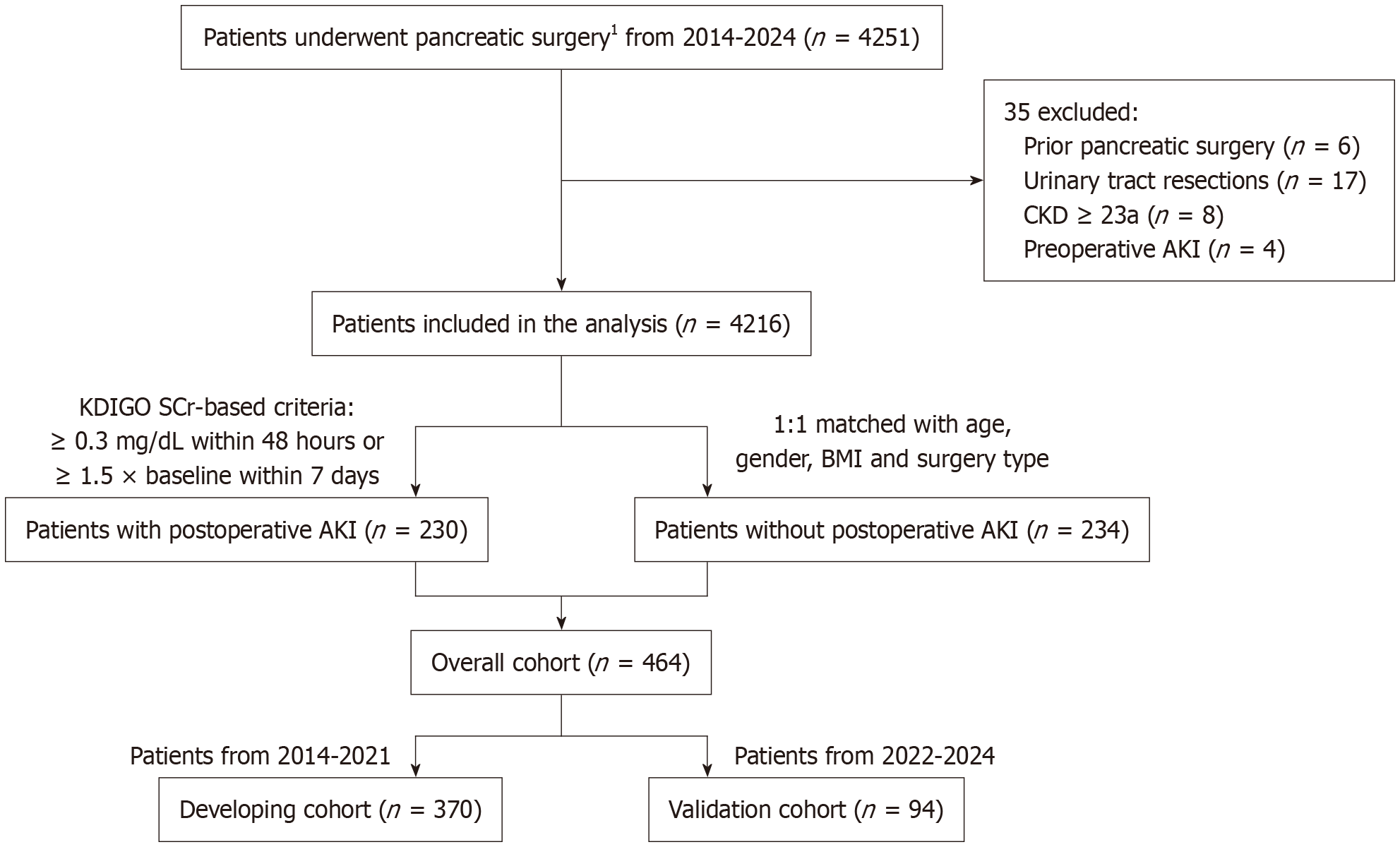
Figure 1 Flow diagram of patient selection.
1Pancreatic surgery encompassed pancreaticoduodenectomy, distal pancreatectomy, and total pancreatectomy. AKI: Acute kidney injury; CKD: Chronic kidney disease; BMI: Body mass index; KDIGO: Kidney disease improving global outcomes; SCr: Serum creatinine.
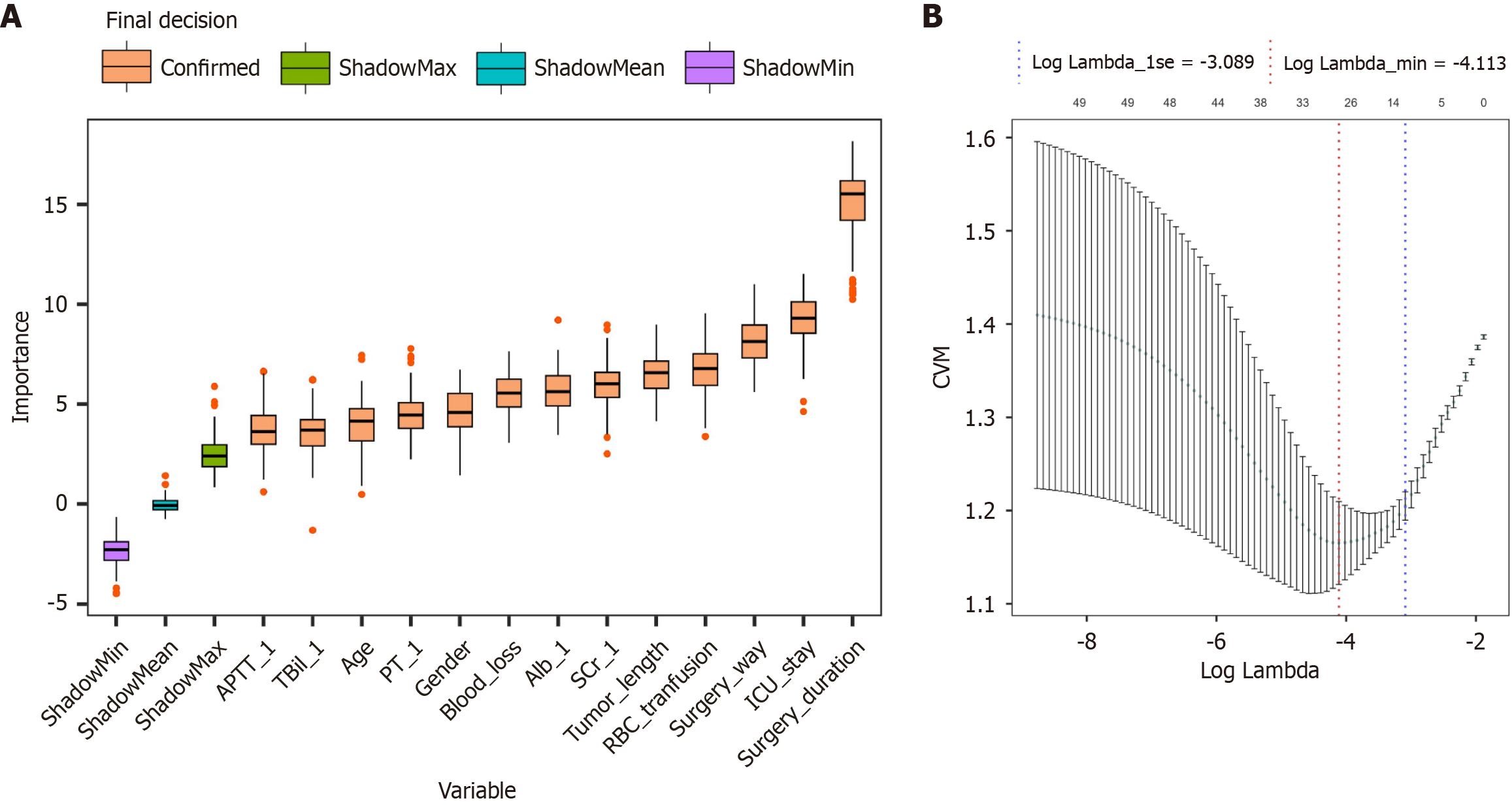
Figure 2 Feature selection by Boruta algorithm and least absolute shrinkage and selection operator.
A: Through Boruta the 18 filtered variables were as follows: Surgery duration; Intensive care unit admission after surgery; Surgical approach; Intraoperative red blood cell (RBC) transfusion; Tumor length; Postoperative serum creatinine; Postoperative albumin; Intraoperative blood loss; Sex; Postoperative prothrombin time; Age; Postoperative bilirubin; Postoperative activated partial thromboplastin time; Preoperative prothrombin time; Malignancy history; History of stroke; Total input on postoperative day 0; And angiotensin-converting enzyme inhibitor/angiotensin receptor blocker medication; B: Through least absolute shrinkage and selection operator, the 11 filtered variables were as follows: Intensive care unit admission after surgery; Nonsteroidal anti-inflammatory drugs; Malignancy history; History of stroke; Surgery duration; Postoperative white blood cell; Surgical approach; Postoperative serum creatinine; Postoperative bilirubin; Preoperative bilirubin; And intraoperative RBC transfusion. A footnote of 0 (such as variable 0) indicates the preoperative value while a footprint of 1 (such as variable 1) indicates the postoperative value. CVM: Cross-validation mean; Alb: Albumin; APTT: Activated partial thromboplastin time; TBil: Total bilirubin; PT: Prothrombin time; RBC: Red blood cell; ICU: Intensive care unit; SCr: Serum creatinine.
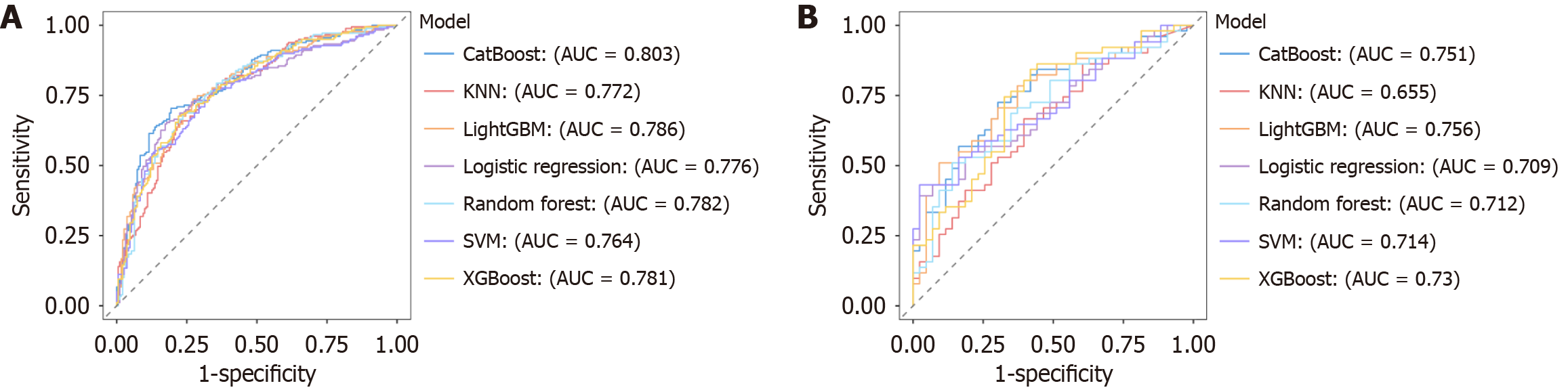
Figure 3 Receiver operating characteristic curves of different models.
A: Developing cohort; B: Validation cohort. AUC: Area under the curve; CatBoost: Categorical boosting; KNN: K-nearest neighbor; LightGBM: Light gradient boosting machine; SVM: Support vector machine; XGBoost: Extreme gradient boosting with classification trees.
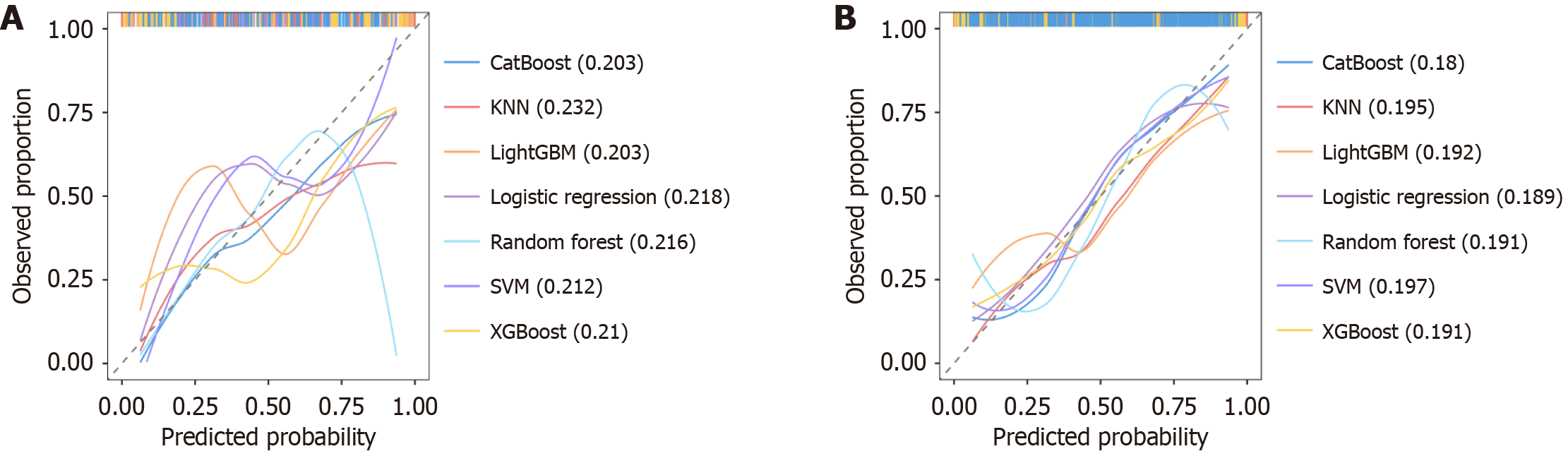
Figure 4 Calibration curves of different models.
A: Developing cohort; B: Validation cohort. CatBoost: Categorical boosting; KNN: K-nearest neighbor; LightGBM: Light gradient boosting machine; SVM: Support vector machine; XGBoost: Extreme gradient boosting with classification trees.
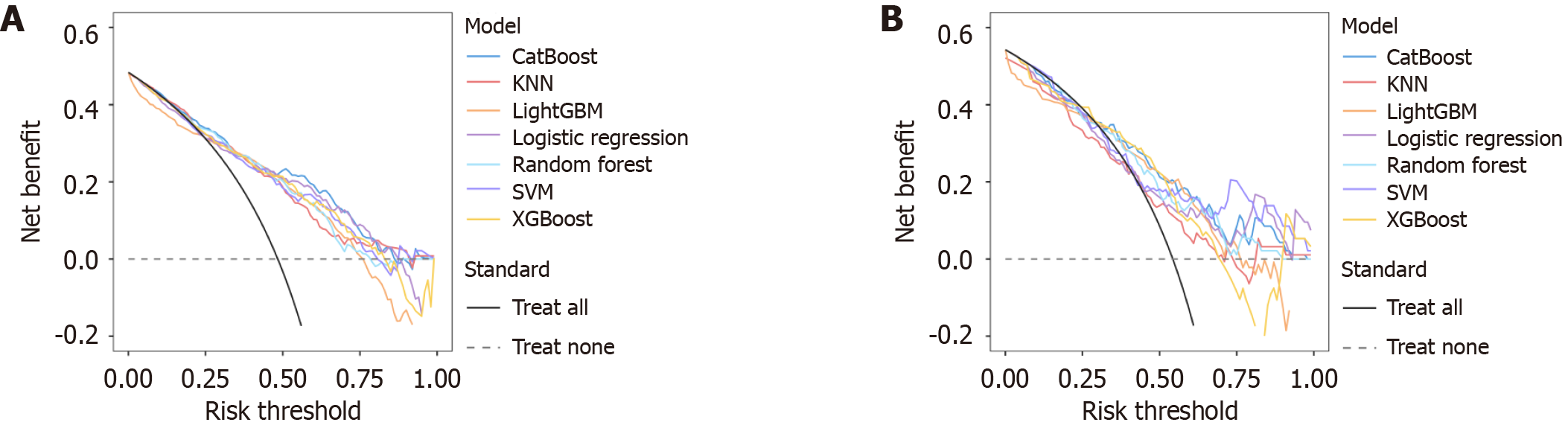
Figure 5 Decision curves of different models.
A: Developing cohort; B: Validation cohort. CatBoost: Categorical boosting; KNN: K-nearest neighbor; LightGBM: Light gradient boosting machine; SVM: Support vector machine; XGBoost: Extreme gradient boosting with classification trees.
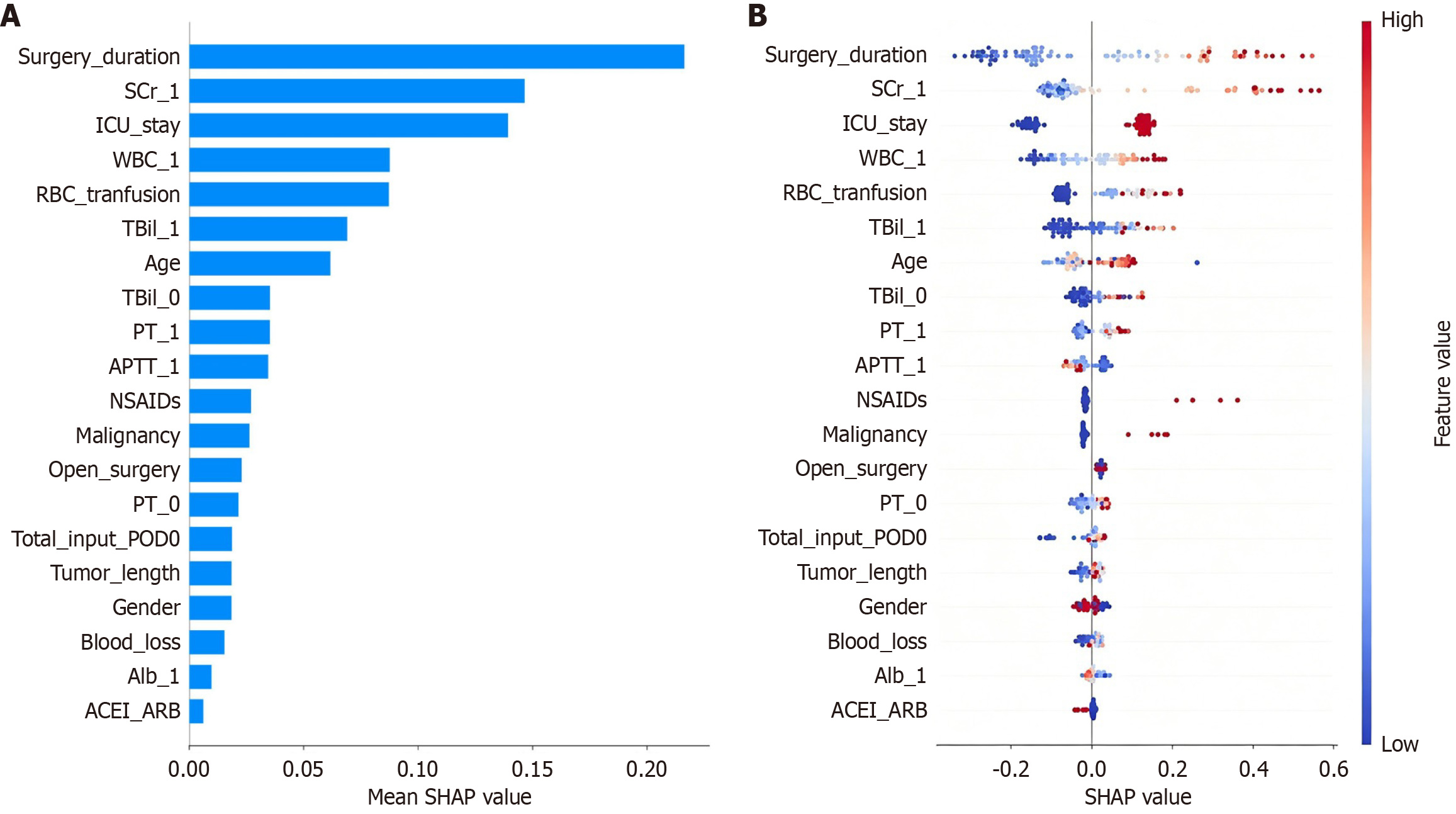
Figure 6 SHapley Additive exPlanations summary plot for the categorical boosting model.
A: Average absolute impact of variables on the final model output magnitude ordered by decreasing feature importance; B: Beeswarm plot of the final model. A footnote of 0 (such as variable 0) means the preoperative value while a footprint of 1 (such as variable 1) means the postoperative value. SCr: Serum creatinine; ICU: Intensive care unit; WBC: White blood cell; RBC: Red blood cell; TBil: Total bilirubin; PT: Prothrombin time; APTT: Activated partial thromboplastin time; Alb: Albumin; NSAIDs: Nonsteroidal anti-inflammatory drugs; ACEI: Angiotensin-converting enzyme inhibitors; ARB: Angiotensin receptor blockers; POD: Postoperative day; SHAP: SHapley Additive exPlanations.
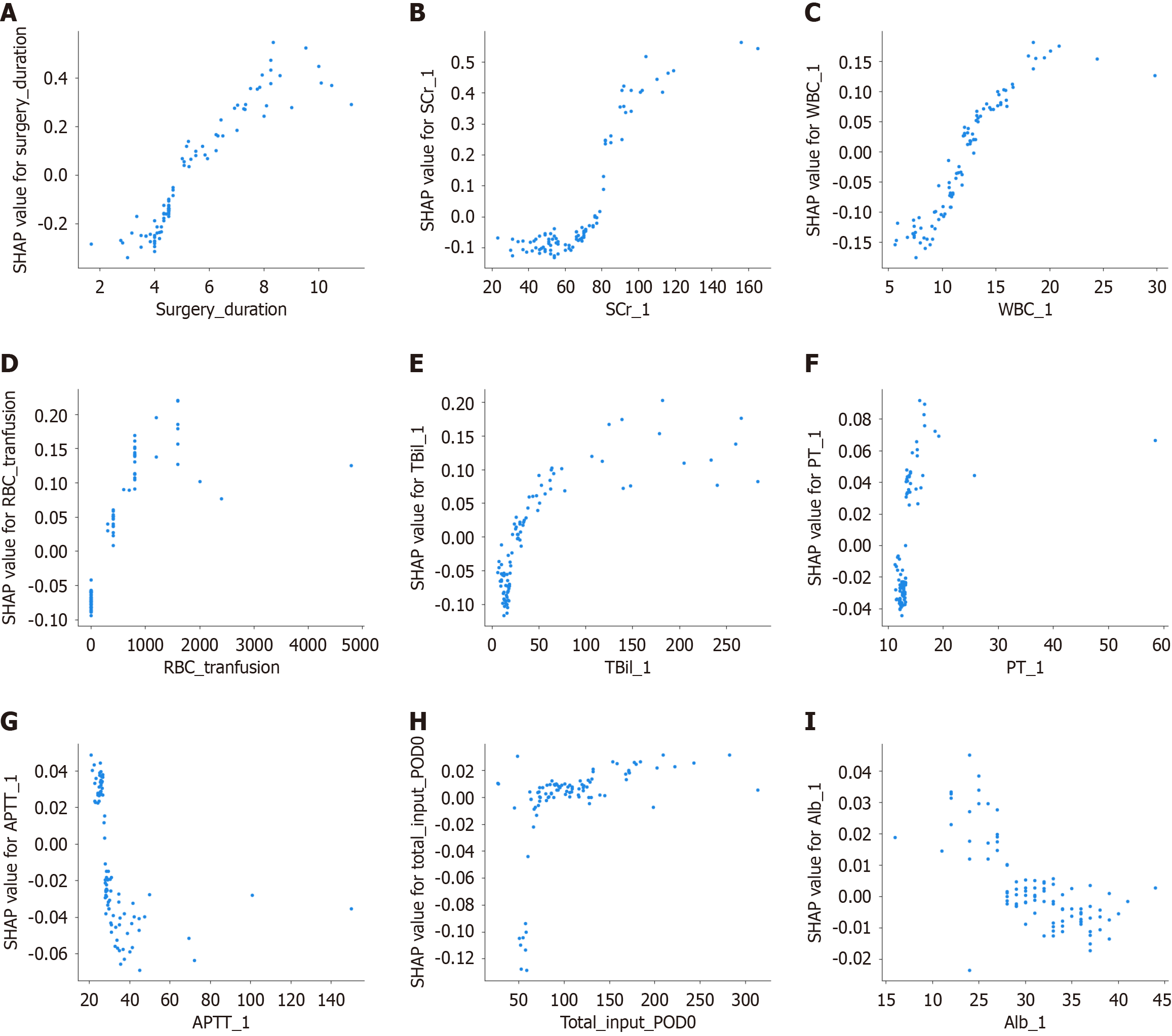
Figure 7 SHapley Additive exPlanations dependence plot of the categorical boosting model.
Each panel shows that each feature affects the output of the final model. A: Operative time; B: Postoperative serum creatinine; C: Postoperative white blood cell count; D: Intraoperative red blood cell transfusion; E: Postoperative bilirubin; F: Postoperative prothrombin time; G: Postoperative activated partial thromboplastin time; H: Total input on the day of surgery; I: Post
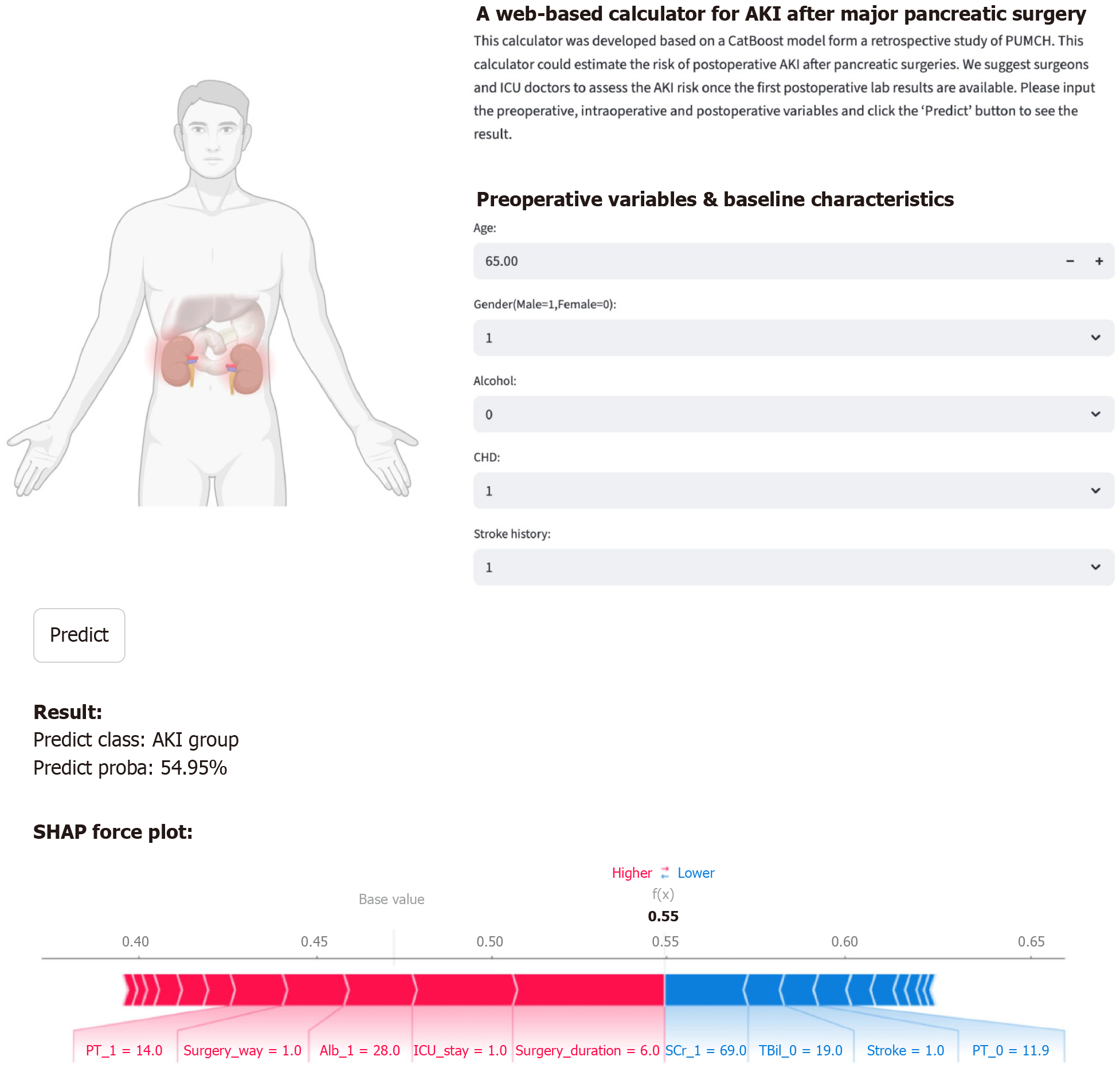
Figure 8 Online acute kidney injury risk calculator.
AKI: Acute kidney injury; Alb: Albumin; ICU: Intensive care unit; TBil: Total bilirubin; PT: Prothrombin time; SCr: Serum creatinine; CHD: Coronary heart disease.
- Citation: Lin C, Fu RK, Zheng H, Li TY, Han JS, Margonis GA, Wang JJ, Dong LB, Wang NS, Sun YX, Wang YZ, Liu C, Xu Q, Han XL, Zhang TP, Guo JC, Dai MH, Xia P, Chen LM, Wang WB. Development and validation of an interpretable machine learning model for predicting acute kidney injury after pancreatic surgery. World J Gastroenterol 2026; 32(19): 116271
- URL: https://www.wjgnet.com/1007-9327/full/v32/i19/116271.htm
- DOI: https://dx.doi.org/10.3748/wjg.v32.i19.116271