
















Copyright: ©Author(s) 2026.
World J Gastroenterol. May 21, 2026; 32(19): 115852
Published online May 21, 2026. doi: 10.3748/wjg.v32.i19.115852
Published online May 21, 2026. doi: 10.3748/wjg.v32.i19.115852
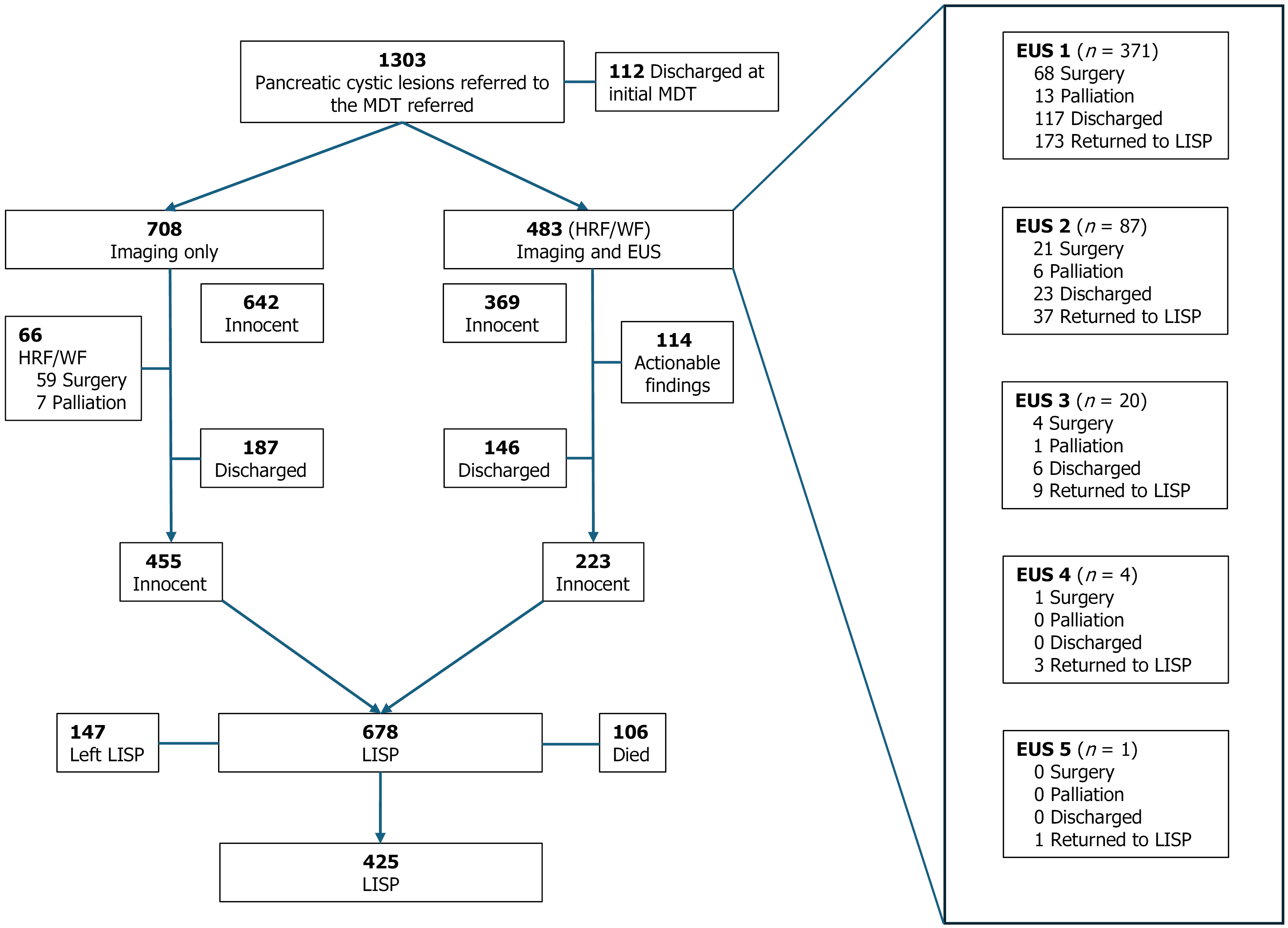
Figure 1 Summary of progression of patients through the cyst surveillance programme.
MDT: Multidisciplinary team meeting; HRF: High-risk feature; WF: Worrisome feature; EUS: Endoscopic ultrasound; LISP: Liverpool intraductal papillary mucinous neoplasm surveillance programme.
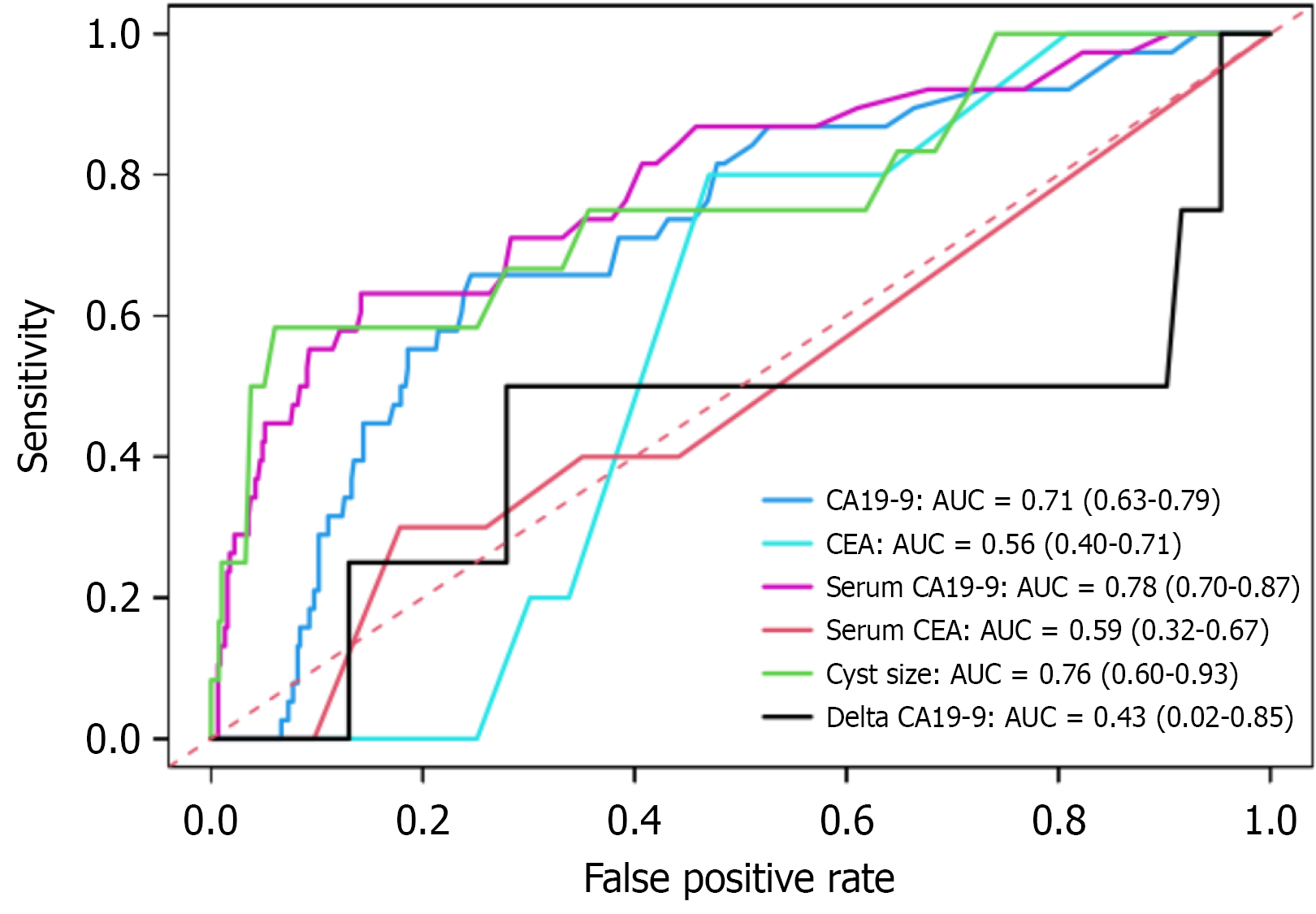
Figure 2 Receiver operator characteristics plot showing the diagnostic ability of maximum cyst size and maximum cyst-fluid and serum cancer antigen 19-9 and carcinoembryonic antigen in predicting high grade dysplasia or malignancy.
Cancer antigen 19-9 was additionally modelled for the diagnostic ability of the change in cancer antigen 19-9 (delta value) in predicting high grade dysplasia or malignancy. CA19-9: Cancer antigen 19-9; AUC: Area under the curve; CEA: Carcinoembryonic antigen.
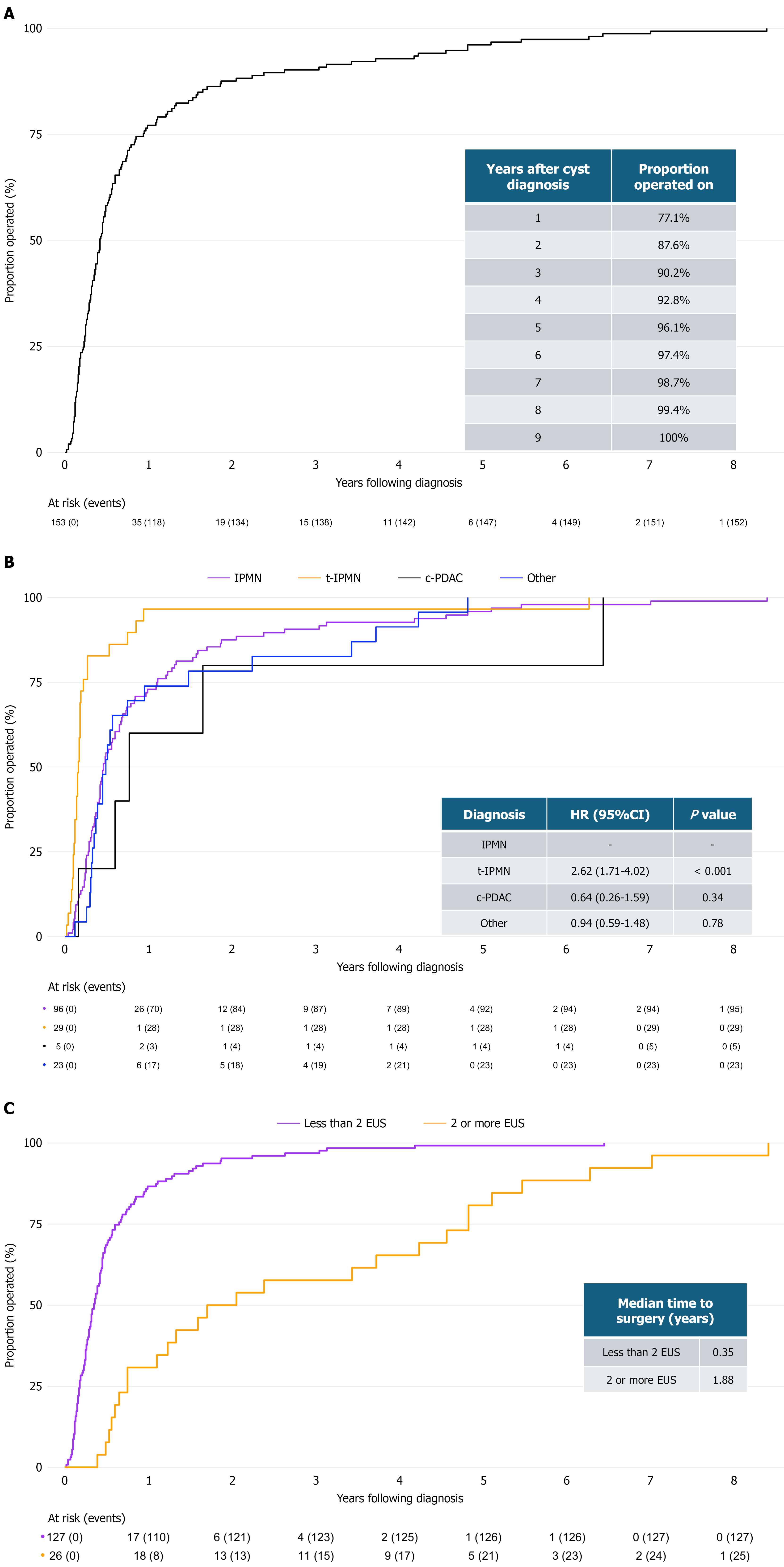
Figure 3 Time to surgery from initial diagnosis.
A: Time to surgery (overall) with table showing proportion of surgeries performed per year following cyst diagnosis; B: Time to surgery (subgroups) with table showing difference in time to surgery between subgroups; C: Time to surgery (by number of endoscopic ultrasound) with table showing median time to surgery for each group. IPMN: Intraductal papillary mucinous neoplasm; t-IPMN: Transformed intraductal papillary mucinous neoplasm; c-PDAC: Concomitant pancreatic ductal adenocarcinoma; HR: Hazard ratio; CI: Confidence interval; EUS: Endoscopic ultrasound.
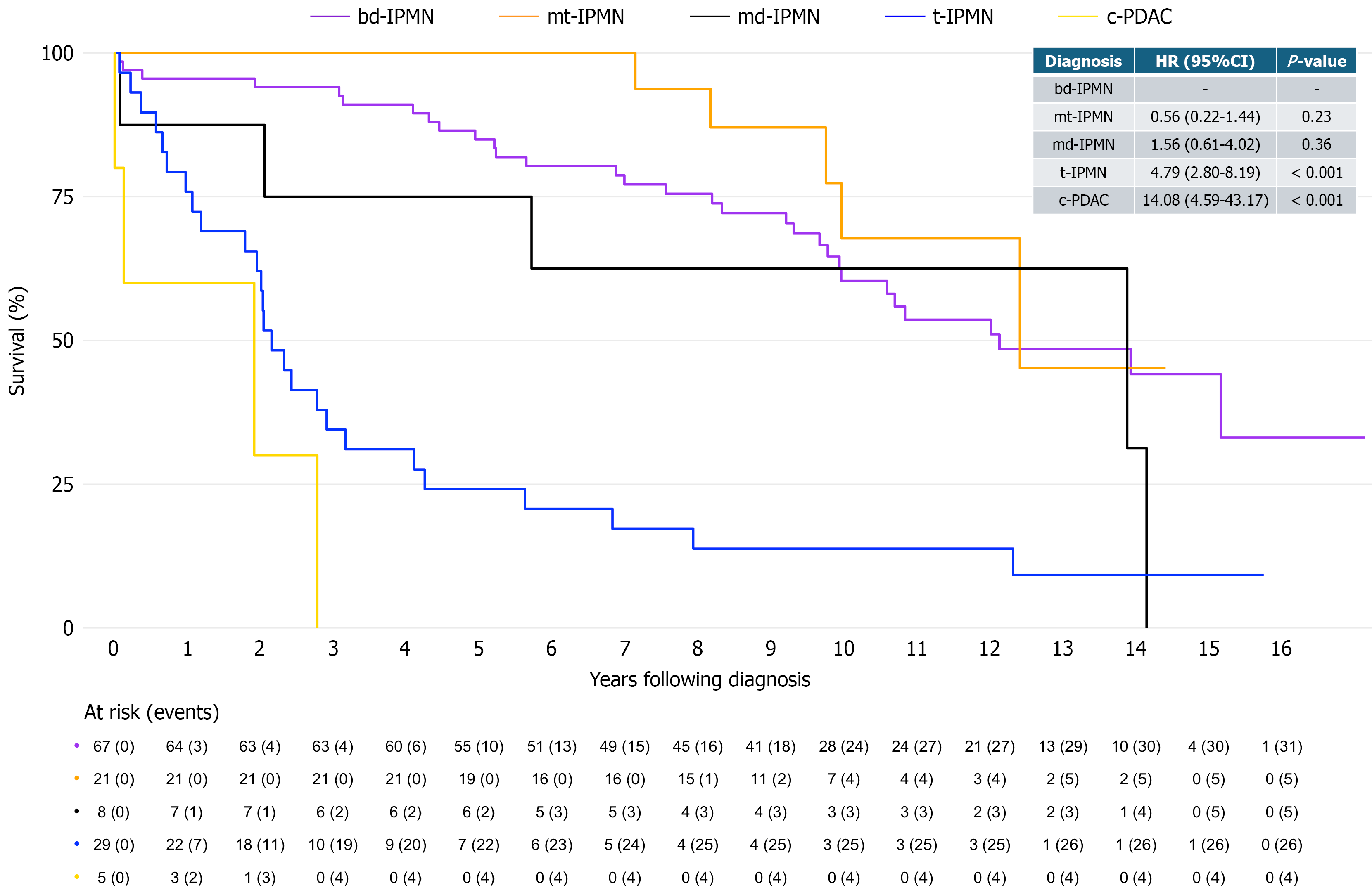
Figure 4 Overall survival following surgery for an intraductal papillary mucinous neoplasm grouped by histological diagnosis.
bd-IPMN: Branch duct intraductal papillary mucinous neoplasm; mt-IPMN: Mixed type intraductal papillary mucinous neoplasm; md-IPMN: Main duct intraductal papillary mucinous neoplasm; t-IPMN: Transformed intraductal papillary mucinous neoplasm; c-PDAC: Concomitant pancreatic ductal adenocarcinoma; HR: Hazard ratio; CI: Confidence interval.
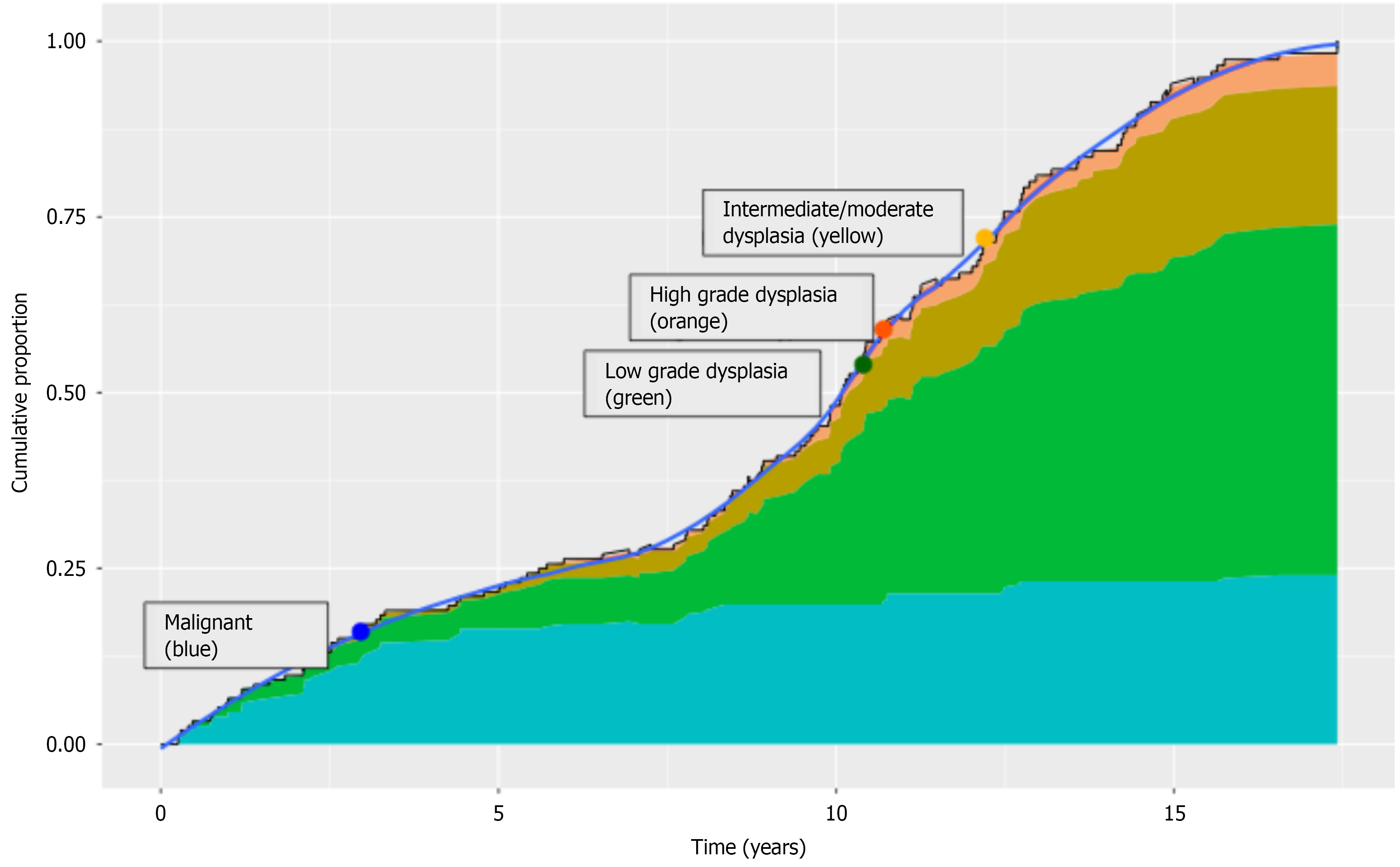
Figure 5 Stacked cumulative incidence plot.
Included are the points on the cumulative curve at which each grade of dysplasia reaches 50% of its final proportion. This gives an estimate of the average time required to observe each outcome.
- Citation: Hopley PJ, Whelan P, Jackson R, Evans J, Andrews T, Ghaneh P, Raraty M, Greenhalf W, Halloran CM. Branch duct intraductal papillary mucinous neoplasms: How ready are we to de-escalate surveillance? World J Gastroenterol 2026; 32(19): 115852
- URL: https://www.wjgnet.com/1007-9327/full/v32/i19/115852.htm
- DOI: https://dx.doi.org/10.3748/wjg.v32.i19.115852