
















Copyright: ©Author(s) 2026.
World J Gastroenterol. May 21, 2026; 32(19): 113022
Published online May 21, 2026. doi: 10.3748/wjg.v32.i19.113022
Published online May 21, 2026. doi: 10.3748/wjg.v32.i19.113022
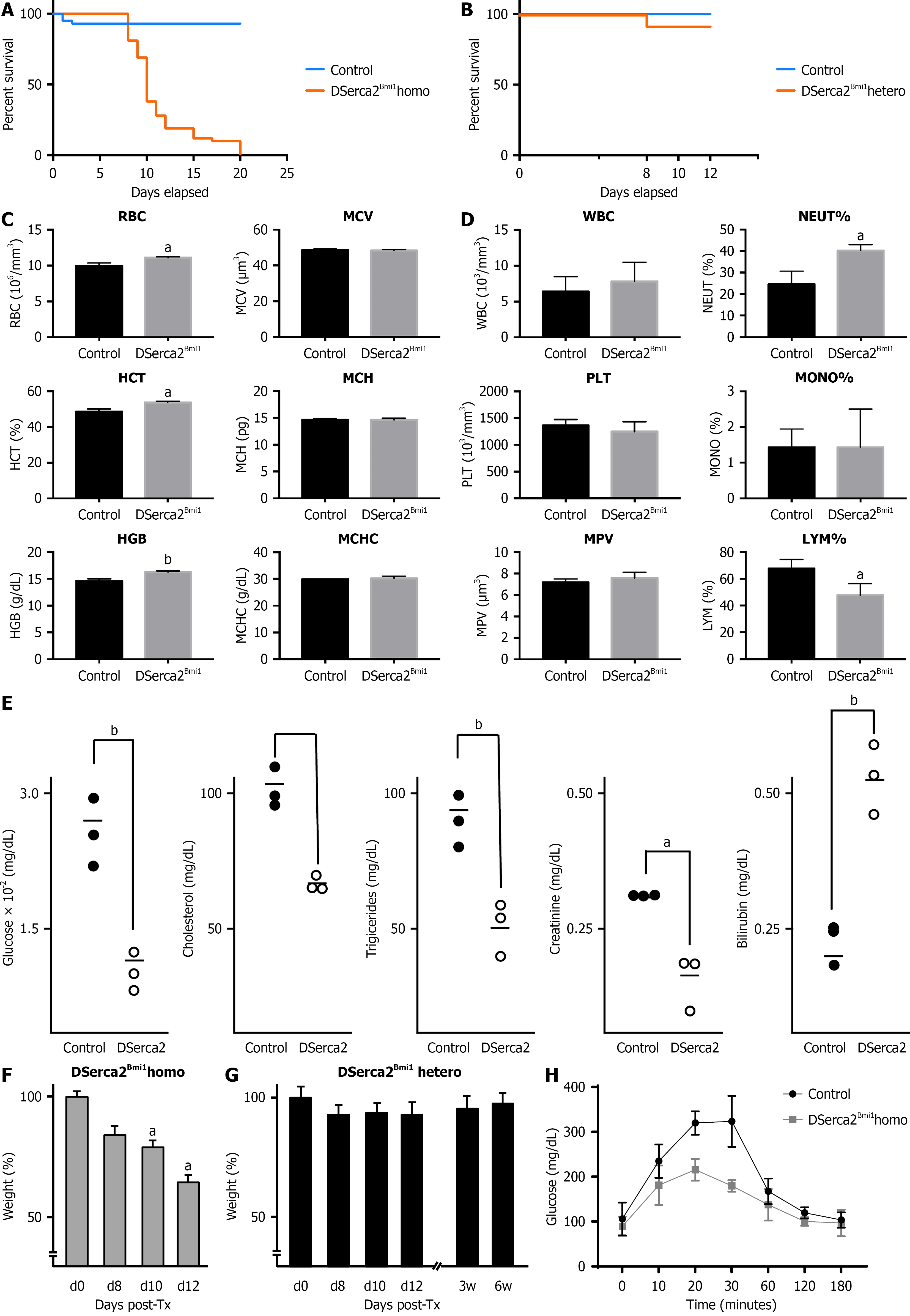
Figure 1 Impact of conditional Serca2 deletion on survival, blood biochemistry, weight evolution and glucose absorption.
A and B: Survival curves of homozygous (homo) (A) and heterozygous (hetero) (B). DSerca2Bmi1homo mice compared with their respective controls (n = 15; each; age-matched animals); C and D: Complete blood count tests of DSerca2Bmi1homo [10 days post-tamoxifen (Tx)] and control mice (n = 3 each; age-matched animals); E: Blood biochemical analysis of DSerca2Bmi1homo (10 days post-Tx) and control mice (n = 3 each; age-matched animals); F and G: Weight evolution of DSerca2Bmi1homo mice (F) and DSerca2Bmi1hetero mice (G), for 12 days or 6 weeks, respectively (n = 9 each; age-matched animals); H: Glucose tolerance test (10 days post-Tx) comparing DSerca2Bmi1homo and controls (n = 3 each; age-matched animals). Data are expressed as mean ± SD. aP < 0.05. bP < 0.01. Homo: Homozygous; hetero: Heterozygous; RBC: Red blood cell; HCT: Hematocrit; HGB: Hotal hemoglobin; MCV: Mean red blood cell size; MCH: Mean corpuscular hemoglobin; MCHC: Mean corpuscular hemoglobin are indicated in C; WBC: White blood cells; PLT: Platelet counts; MPV: Mean platelet volume; NEUT: Neutrophils; MONO: Monocytes; LYM: Lymphocytes and included in D; Tx: Tamoxifen.
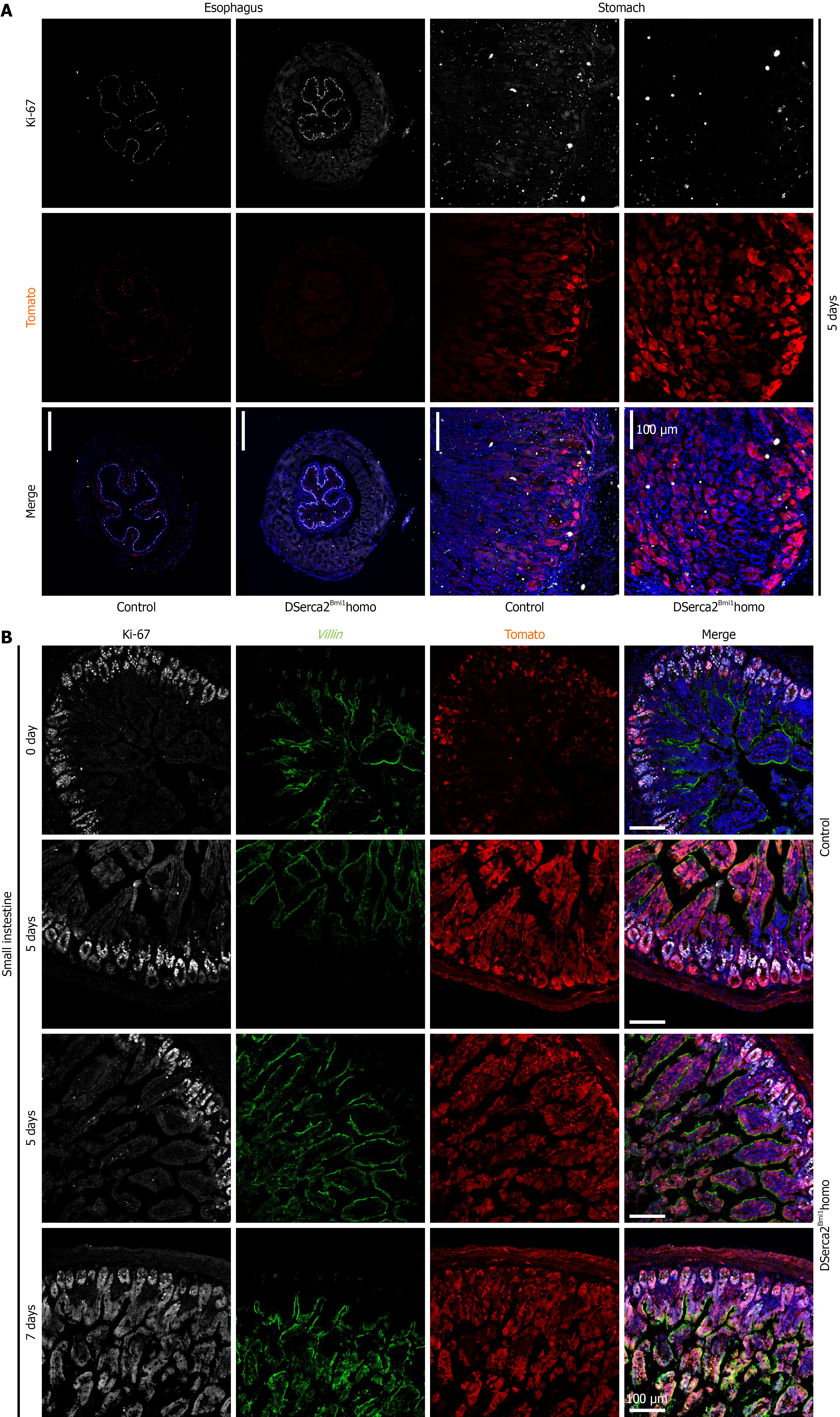
Figure 2 Inducible deletion of Serca2 in the Bmi1+ populations in the gastric tract.
Cryosections prepared from DSerca2Bmi1homo and control (Bmi1-DTmt) mice [0 day-7 days post-tamoxifen (Tx)]; samples were stained for Ki67 analysis and counterstained with 4’,6-diamidino-2-phenylindole. A: Cryosections from esophagus and stomach, were prepared from 5 days post-Tx mice (n = 4); B: Samples from small intestine, 0 day-7 days post-Tx (n = 3) were prepared (several sections were analyzed for each animal). Representative images. Scale bars: 100 μm.
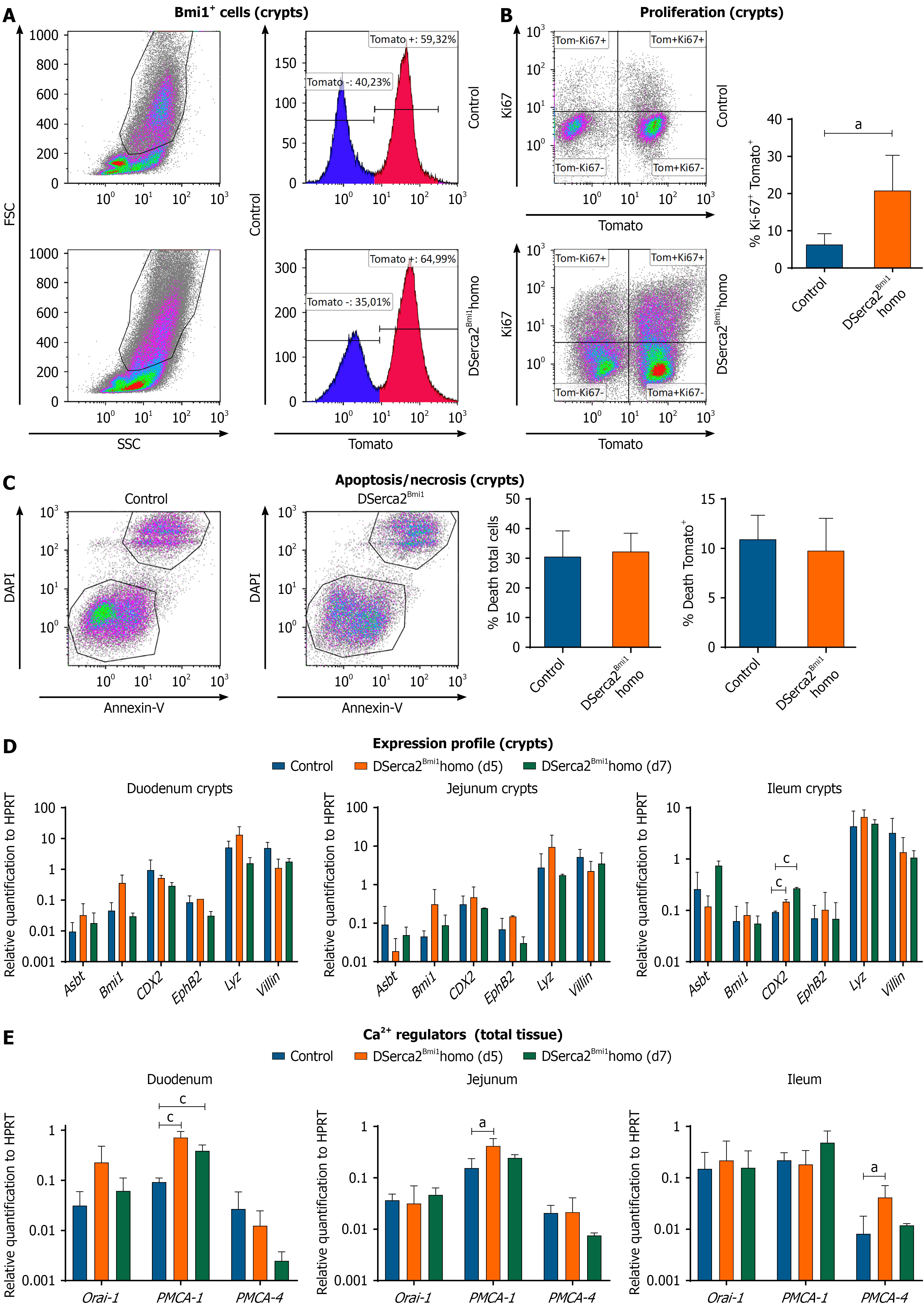
Figure 3 Impact of conditional Serca2 deletion in the small intestine.
A-C: Analysis of crypt-enriched fractions isolated in parallel from DSerca2Bmi1homo and control animals [5 days post-tamoxifen (Tx)]. A: Estimation of Bmi1+ cells (Tmt+) by flow cytometry (n = 3 each; independent animals); B: Proliferation analysis (Ki-67+) by flow cytometry (n = 3 each; independent animals); C: Evaluation of apoptosis/necrosis rate by flow cytometry (4’,6-diamidino-2-phenylindole/Annexin-V) (n = 3 each; independent animals); D and E: Expression analysis (real-time quantitative polymerase chain reaction) in small intestine segments (duodenum; jejunum; ileum) from DSerca2Bmi1homo and control mice; Control (n = 5 each; independent animals) and DSerca2Bmi1homo 5 days (n = 3 each; independent animals) and 7 days (n = 2 each; independent animals) mice. All samples were normalized to levels of the housekeeping gene Hprt. Analysis of a panel of functionally relevant genes in intestinal crypts in crypt-enriched fractions of the indicated animals (n = 3 each; independent animals). D: Analysis of a panel of relevant genes involved in calcium ions regulation in total tissue of the indicated groups of animals (n = 3 each; independent animals); E: Assays were performed three times and data are expressed as mean ± SD. aP < 0.05. cP < 0.001. FSC: Forward scatter; SSC: Side scatter; DAPI: 4’,6-diamidino-2-phenylindole; Ca2+: Calcium ions.
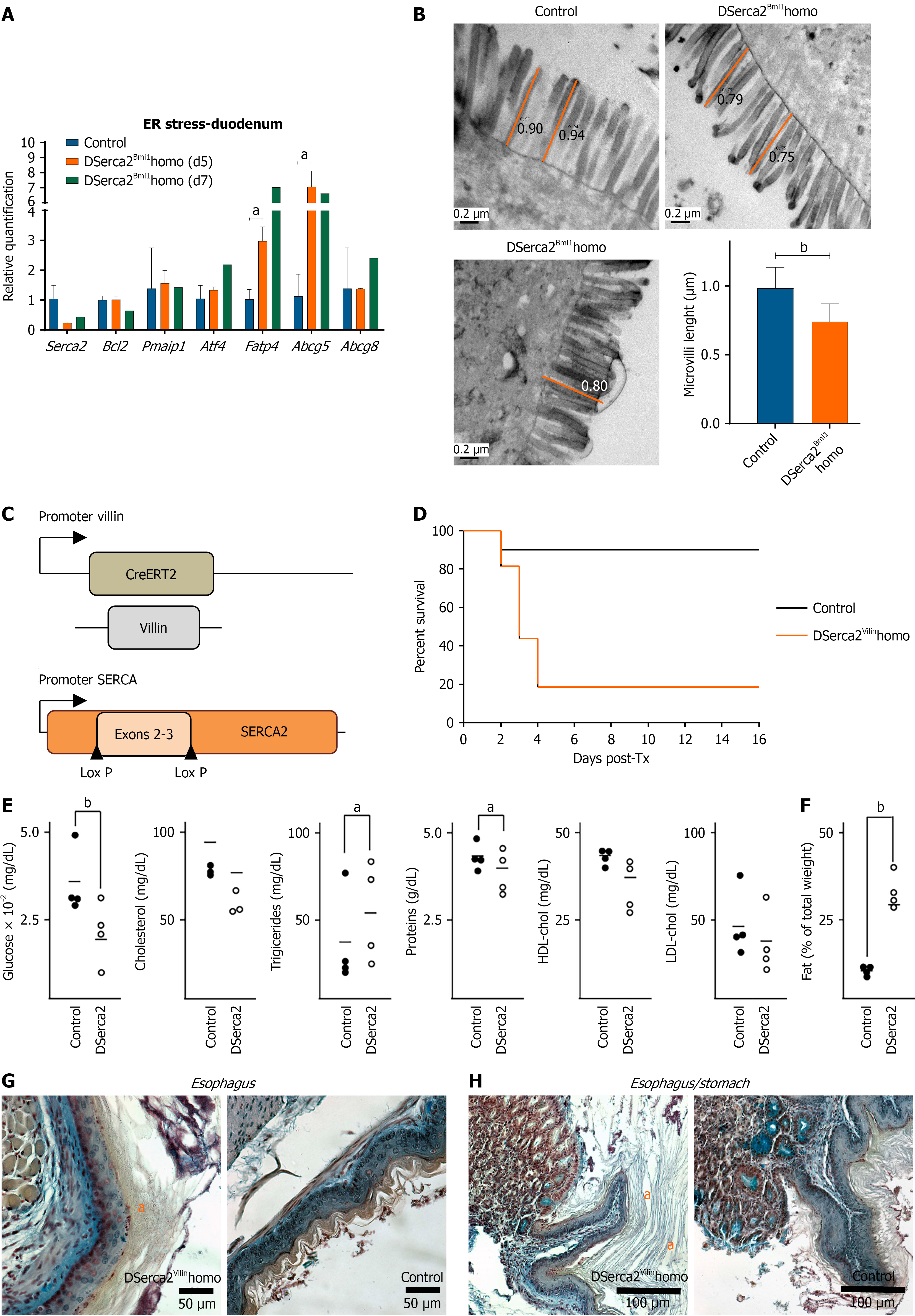
Figure 4 Serca2 deletion in the intestinal epithelium provokes a fulminant lethal phenotype.
A: Expression analysis (real-time quantitative polymerase chain reaction) of a panel of relevant genes involved endoplasmic reticulum stress in total duodenum tissue isolated in parallel from control (n = 3, each); DSerca2Bmi1homo (5 days; n = 3, each) and DSerca2Bmi1homo (7 days; n = 2, each) mice. All data were normalized to levels of the housekeeping gene Hprt; B: Electron microscopy analysis of microvilli length in DSerca2Bmi1homo compared with control mice [5 days-post-tamoxifen (Tx)]. Representative images (50000 ×) are shown and representative example, microvilli are indicated with an orange line, with the estimated length in μm. Below, statistical analysis (n = 4 each); C: Scheme illustrating the Serca2Villinhomo mice; after Tx-induction exons 2 + 3 of Serca2 are deleted in the adult Villin+ lineages (n = 4 each); D: Survival curves of DSerca2Villinhomo mice (n = 10) compared with corn oil-treated controls (n = 10); E: Serum biochemical analysis of DSerca2Villinhomo (3 days post-Tx; open circles) or corn oil-treated Serca2Villin control samples (close circles) (n = 4 each); F: Determination of total fat in feces (% of total weight; n = 4 each, independent animals); G and H: Histological analysis of the esophagus and the esophagus-stomach union of DSerca2Villinhomo mice (3 days post-Tx) and corn oil-treated controls (n = 3 each; independent animals, several sections were analyzed for each animal). Bar sizes are included. Assays were performed three times and data are expressed as mean ± SD. aP < 0.05. bP < 0.02. cP < 0.002. The online version of the manuscript includes the following information: Electron microscopy analysis of small intestine after conditional deletion of Serca2 in the Bmi1+ stem cell compartment (Supplementary Figure 5). ER: Endoplasmic reticulum; Tx: Tamoxifen; SERCA: Sar
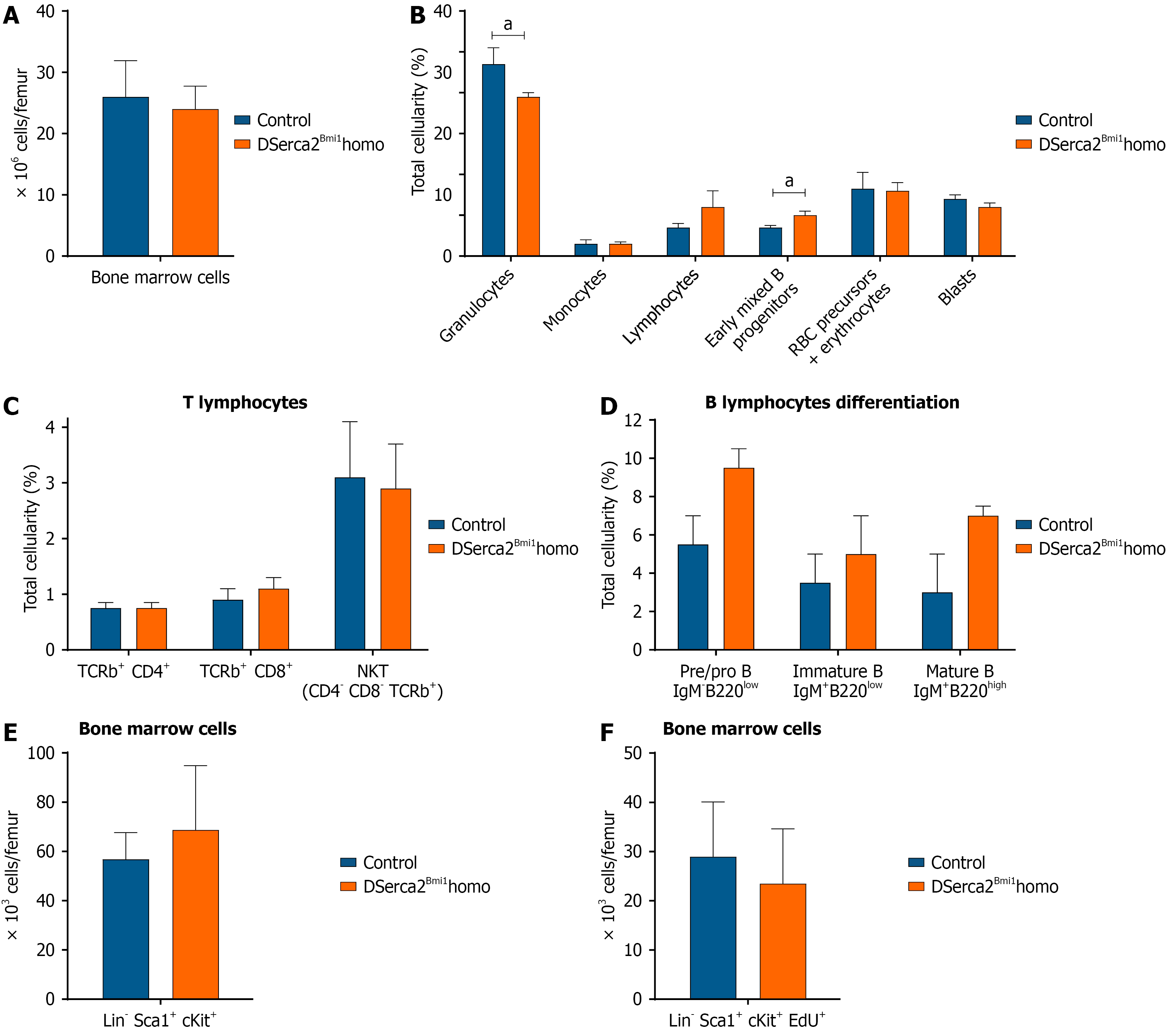
Figure 5 Evaluation of conditional Serca2 deletion in adult bone marrow.
A: Bone marrow (BM) cellularity in samples from DSerca2Bmi1homo [10 days post-tamoxifen (Tx) induction] and control (Bmi1-GFP) animals (n = 2 each); B: Flow cytometry analysis of different BM populations (defined as in Supplementary Figure 6) in DSerca2Bmi1homo (10 days post-Tx) and control animals (n = 2 each); C and D: Flow cytometry analysis of relevant T (C) and B (D) cell populations in DSerca2Bmi1homo mice (10 days post-Tx) and control animals (n = 2 each); E and F: Evaluation of the immature Lin- Sca1+ ckit+ (LSK) population representation (per femur) (E) and its in vivo rate of proliferation (5-ethynyl-2’-deoxyuridine +) (F) in DSerca2Bmi1homo LSK (10 days post-Tx) and control LSK samples (n = 3 each; age-matched animals). Assays were performed two times and data are expressed as mean ± SD. aP < 0.05. The online version of this article includes the char
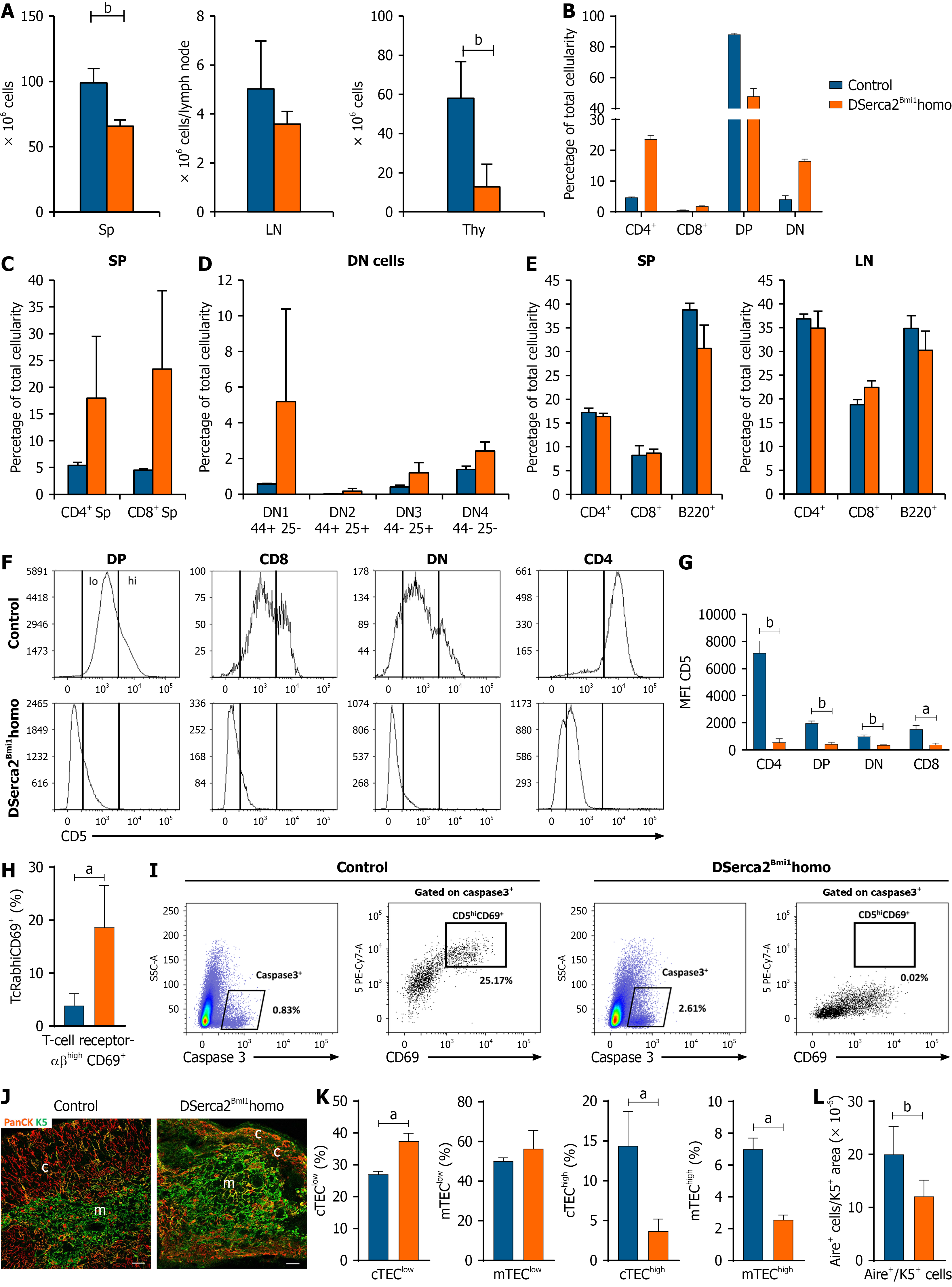
Figure 6 Impact of Serca2 conditional gene deletion in the lymphohematopoietic adult Bmi1+ cell lineages.
A: Total cellularity in spleen (Sp), lymph nodes (LN) and thymus (Thy) of DSerca2Bmi1homo [10 days post-tamoxifen (Tx) induction] (orange bars in all analyses) and control mice (blue bars in all analyses); B-D: Flow cytometry analysis of different thymic subpopulations including single-positive (SP) [cluster of differentiation 4 (CD4+) or 8 (CD8+)], double-positive (DP) (CD4+ CD8+) and double-negative (DN) (CD4- CD8-); B: Percental representation of SP, DP and DN populations; C: Percental representation of SP/DN ratios; D: Percental representation of DN subpopulations; E: Evaluation of T (CD4+ or CD8+) and B (B220+) cells in Sp and LN (n = 3 each; independent animals); F and G: Representative histograms (F) and mean fluorescence intensity (G) of CD5 expression in DP, SP and DN thymocyte subsets; notice the absence of CD5high and reduced CD5low cells in DSerca2Bmi1homo Thy compared with controls. All comparisons were carried out in DSerca2Bmi1homo (10 days post-Tx) compared with control mice (n = 3 each; independent animals); H: Proportions of total thymic T-cell receptor-αβhigh CD69+ positive selected cells; I: Gated dot plots for evaluating negatively selected thymocytes (Caspase3+ CD5high CD69+) in both control and DSerca2Bmi1homo thymuses; J: Thy histology of both control and DSerca2Bmi1homo mice using an anti-pan cytokeratin (PanCK) marker for detecting cortical and anti-keratin 5 (K5) cytokeratin mAb for medullary epithelium; note the reduced cortical area and the enlarged medullary compartment in DSerca2Bmi1 Thy compared with controls. Scale bar: 50 μm; K: Proportions of different thymic epithelial cells (TEC) subsets defined by the expression of major histocompatibility complex (MHC) II and ulex europaeus agglutinin (UEA)-1 cells markers in the total TEC (epithelial cell adhesion molecule+ CD45-): Cortical TEClow (UEA-1- MHCIIlow), medullary TEClow (UEA-1+ MHCIIlow), cortical TEChigh (UEA-1- MHCIIhigh) and medullary TEChigh (UEA-1+ MHCIIhigh). Animals used for F-I and K were n = 3, controls; n = 2, DSerca2Bmi1homo; age-matched animals; L: Numbers of Aire+ cells respect to K5+ area in thymic sections of DSerca2Bmi1homo thymuses compared with controls ones (n = 2 each; age-matched animals). Data are expressed as mean ± SD. aP < 0.05. bP < 0.02. TEC: Thymic epithelial cell; Sp: Spleen; LN: Lymph nodes; Thy: Thymus; CD: Cluster of differentiation; DN: Double-negative; DP: Double-positive; TcR: T-cell receptor; K5: Keratin 5; PanCK: Pan cytokeratin; mTEC: Medullary thymic epithelial cell; cTEC: Cortical thymic epithelial cell.
- Citation: Herrero D, Docavo A, Salvador M, Higuera M, Cortés A, García-Ceca J, Montero-Herradón S, García-Brenes MA, Albericio G, Cordero A, Carmona RM, de Molina A, Salvador JM, Mora C, Zapata AG, Bernad A. Serca2 deletion in the mouse adult Bmi1+ compartment induces a lethal phenotype involving a severe gastric dysfunction. World J Gastroenterol 2026; 32(19): 113022
- URL: https://www.wjgnet.com/1007-9327/full/v32/i19/113022.htm
- DOI: https://dx.doi.org/10.3748/wjg.v32.i19.113022